Bitcoin miners currently earn $50 million a day, which is why so many people want to understand how Bitcoin mining works. Mining is more than a way to earn Bitcoin, because it also helps verify transactions, create new Bitcoin, and keep the network secure.
Understanding Bitcoin itself is the first step. From there, it becomes easier to see why miners use specialized machines, why mining pools matter, and why home mining and hosted mining each come with trade-offs.
What Bitcoin Is
Bitcoin is decentralized digital money. That means there is no single bank, no single government, and no single company controlling it. Instead, BTC is controlled by a large network of computers all around the world.
Because it is spread out, no one entity can just print more Bitcoin, freeze your account, or tell you what you can or cannot do with your money. Bitcoin also has a fixed supply, which is a major part of its design.
Bitcoin’s Fixed Supply
Unlike traditional currencies where governments can print more money, there will only ever be 21 million bitcoins created. That limit is hardcoded into Bitcoin’s design.
This is why Bitcoin is compared to digital gold. There is a limited amount, and that scarcity is built into the system itself.
How Bitcoin Works: Nodes and Miners
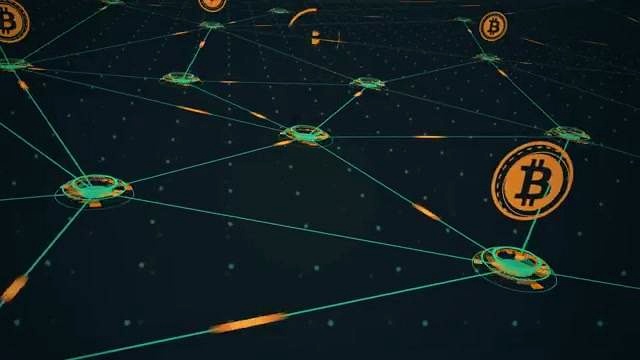
Without a central bank, Bitcoin relies on nodes and miners.
What Nodes Do
Nodes act like referees. They check every transaction to make sure the rules are being followed. That includes checking for no fake coins, no double spending, and no invalid signatures.
What Miners Do
Miners take valid transactions, group them into a block, and compete to solve a very hard math puzzle. The first miner to solve it gets to add that block to the blockchain.
After that, the nodes double-check the block to confirm everything is valid. For doing this, miners receive new Bitcoin plus the transaction fees included in that block.
That is how new Bitcoin is created and how the system stays secure. Mining is not just about earning coins. It is a core part of keeping Bitcoin alive and trustworthy.
What Bitcoin Mining Actually Is
Bitcoin mining is basically a giant lottery run by computers. These computers make millions of guesses every second to solve a math puzzle.
When one gets the winning answer, it earns the right to add a new block of transactions to the blockchain. Once added, those transactions are locked in permanently.
Why Regular Computers Are Not Practical
Bitcoin mining today is only practical with special machines called ASICs. These machines are built for one single problem. They cannot play games, browse the internet, or handle general computing tasks.
What they do offer is much greater speed and efficiency for mining Bitcoin than a regular computer or gaming PC.
How Bitcoin Miners Get Paid
Miners are paid in two ways.
- New Bitcoin created with each block
- Transaction fees from the transactions included in that block
Block Reward
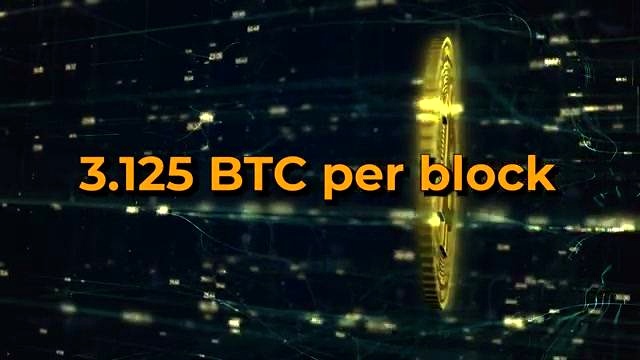
Right now, miners receive 3.125 Bitcoin for each block they add to the chain. This amount is cut in half about every four years, which makes Bitcoin more scarce over time.
The next cut is expected around April 2028.
Transaction Fees
Whenever people send Bitcoin, they include a small fee. Those fees go to the miner who puts the transactions into a block.
When the network is very busy, those fees can add up to over one whole Bitcoin on top of the block reward.
Why Solo Mining Is Usually Not Realistic
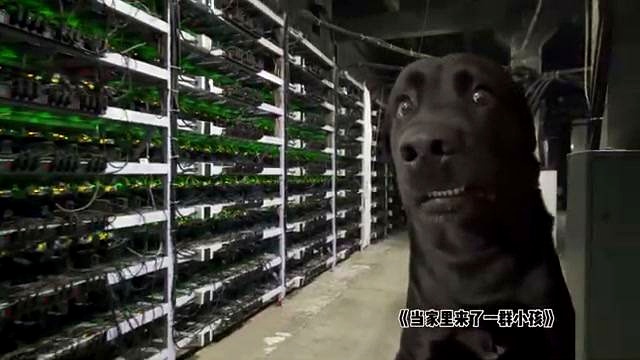
It may sound simple: get an ASIC, solve a puzzle, and earn Bitcoin. In practice, the odds for a single machine solving a block alone are extremely small.
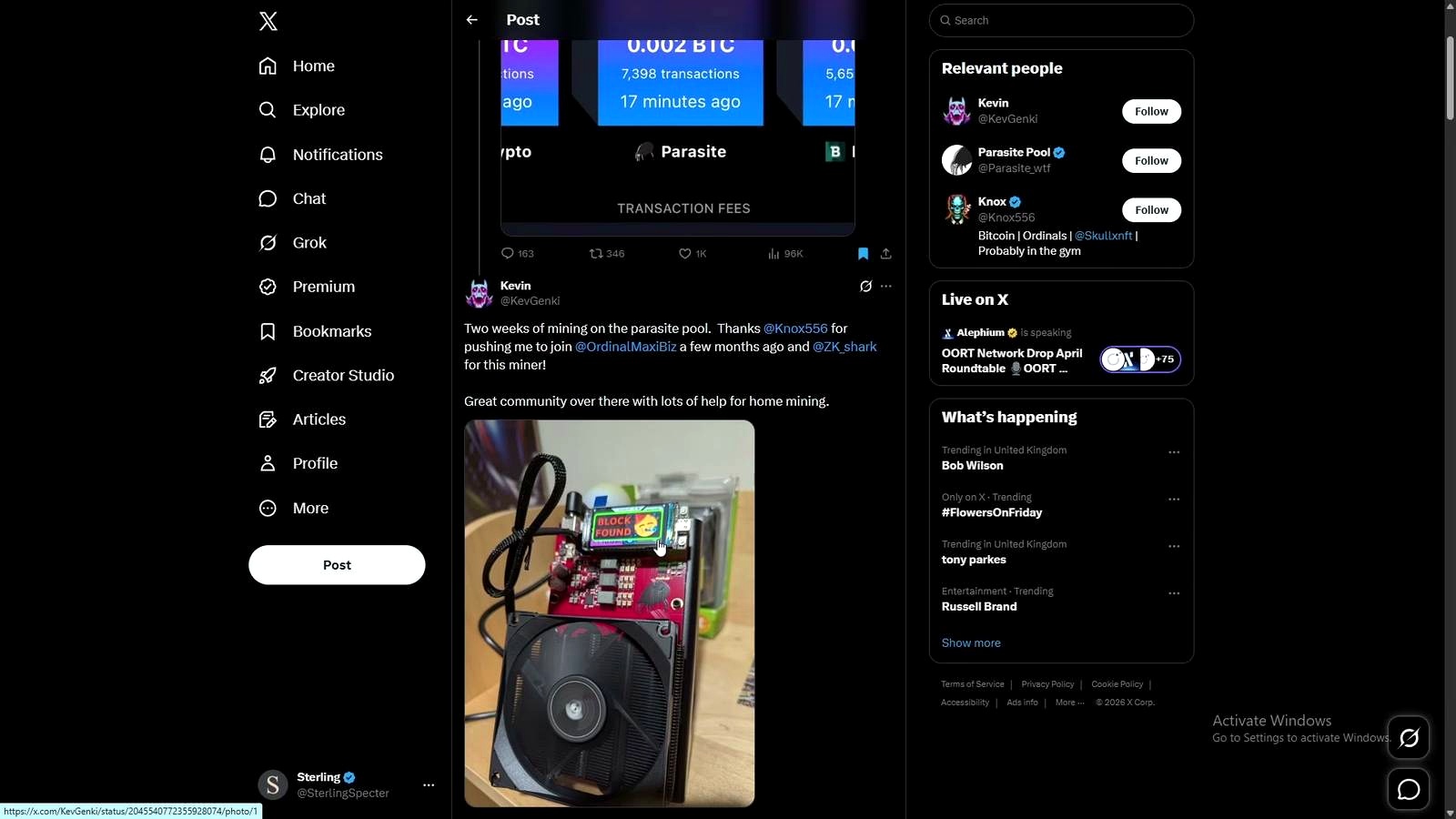
With millions of ASIC machines running around the world 24/7, a single miner can face lottery-like odds, around one in 10 million to one in 100 million. A solo miner can run for years without ever finding a block or earning a reward, while still paying for electricity the entire time.
How Mining Pools Work
Mining pools are very important for most people getting into mining today. A mining pool is a group of miners who combine their computational power.
Instead of every machine trying to solve the puzzle alone, they work together as one large mining entity. When the pool solves a block, the rewards are split among the miners based on how much power each one contributed.
Benefits of Mining Pools
- More consistent payouts
- Smaller but more predictable rewards
- Less technical hassle in many cases
The biggest advantage is consistency. Instead of waiting potentially years for a solo reward, miners in a pool receive regular smaller payouts.
Drawbacks of Mining Pools
- You have to trust the pool operator to distribute rewards fairly
- Pools are a centralized point of control within a decentralized system
- Pools usually charge a small fee
Even with these drawbacks, joining a mining pool is practically a necessity for the vast majority of miners who want a consistent and rewarding operation.
Why People Mine Bitcoin
People mine Bitcoin for several reasons beyond the possibility of profit.
Directly Earning Bitcoin
Mining lets people earn Bitcoin directly instead of buying it through an exchange or another party. Rather than connecting a bank account, completing identity verification, and purchasing Bitcoin, miners generate it through computational work.
KYC-Free Bitcoin
Mining can also mean acquiring KYC-free Bitcoin. Because the Bitcoin is generated through computational work rather than bought from a regulated entity, it does not have a direct trail back to personal identity in the same way an exchange purchase would.
This appeals to people who prioritize privacy.
Passive Stacking
Once a mining rig is set up and running, it works continuously, earning Bitcoin as long as it remains online and operating. This makes mining a form of passive stacking without thinking about it constantly.
Hedge Against Price Volatility
When buying Bitcoin on an exchange, the purchase happens at a specific market price. When mining, Bitcoin is effectively created at the cost of electricity and hardware.
If Bitcoin’s price drops, a miner is still accumulating at operational cost, which can be an effective way to stack Bitcoin over time regardless of short-term market fluctuations.
Supporting Decentralization
Every miner, no matter how small, adds security to the network. That makes Bitcoin more robust, secure, and decentralized.
Potential Financial Upside
If electricity costs are low, hardware performs well, and Bitcoin’s price appreciates over time, mining could earn more than buying Bitcoin directly. This is not guaranteed, but it is part of the upside many miners hope for.
The Risks and Downsides of Bitcoin Mining
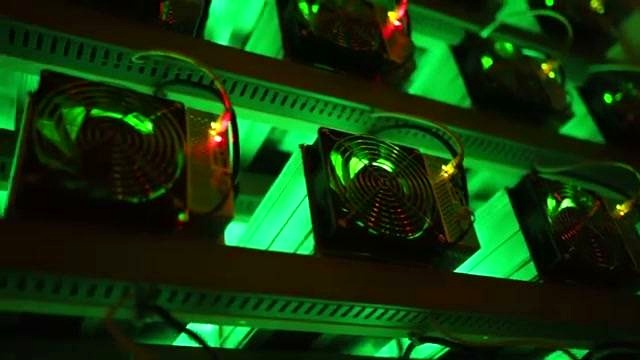
Mining also has important drawbacks that need to be considered carefully.
High Electricity Costs
Electricity is probably the biggest factor in mining. These machines consume a lot of power, and if the electricity rate is not competitive, profits can shrink quickly or disappear entirely.
Noise, Heat, and Maintenance
Mining machines are loud and generate a significant amount of heat. They require good ventilation and cooling, especially in a home setup. Like any electronics running 24/7, they also need occasional maintenance.
Upfront Hardware Cost
ASIC miners are not cheap. A single machine can cost thousands of dollars, plus any additional equipment that may be needed.
You Could Earn Less Than Buying Bitcoin Directly
If electricity costs rise, Bitcoin’s price drops significantly, or the machine has issues, mining may not be profitable. In that case, a miner could end up with less Bitcoin than if the same money had been used to buy Bitcoin directly.
That is why mining is a trade-off rather than a get-rich-quick scheme.
Bitcoin Mining at Home
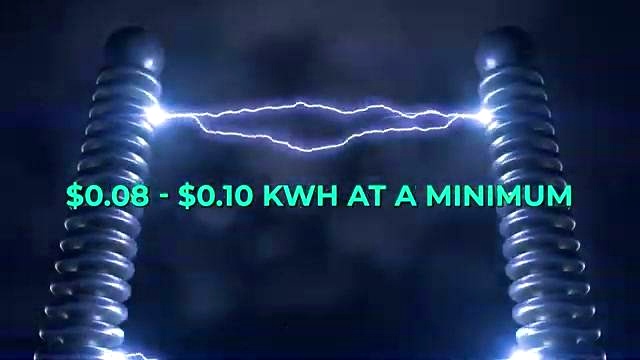
Mining at home may make sense, but only under the right conditions. The answer is maybe, not always.
Electricity Requirements
Home mining makes sense if residential electricity is really cheap, under 8 to 10 cents per kilowatt hour at a minimum. If electricity is higher than that, profitability becomes very challenging, especially with today’s network difficulty.
Power Infrastructure
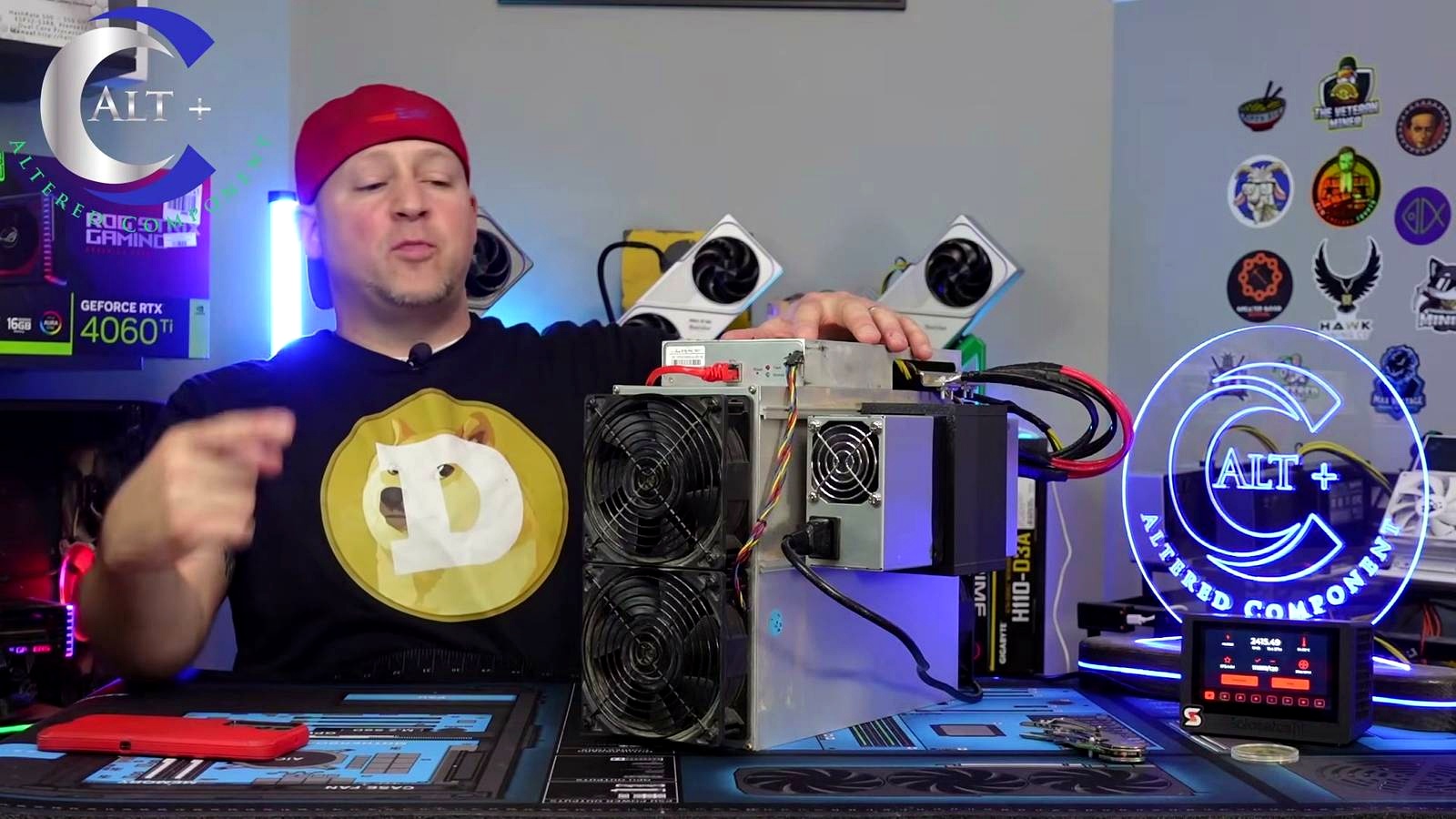
You need the ASIC machine itself, and these are industrial-looking boxes rather than small desktop computers. You also need proper power infrastructure.
A powerful single ASIC can require a dedicated 220 to 240 volt circuit, similar to what an electric dryer or oven uses. These machines cannot be plugged into a regular wall outlet because the plugs are not compatible, and doing so could trip breakers and create hazards like fire.
On the proper circuit, these machines can use anywhere from 2800 to 3,500 watts or more continuously, which is like running two electric space heaters worth of electricity and heat 24/7.
Ventilation and Cooling
Ventilation and cooling are non-negotiable. Without proper airflow, machines can overheat, perform poorly, and potentially suffer damage.
A home setup needs a way to bring in cooler air and exhaust hot air, ideally outside. This helps keep machines running efficiently and prevents them from throttling down because of heat.
Noise Levels
Noise is one of the biggest realities people underestimate. These machines have powerful fans running constantly, usually around 70 to 80 dB. That is like having a very loud vacuum cleaner running in the house all the time.
Because of that, most home miners place machines in a garage, a basement corner, or a shed outside, away from living space.
Home-Friendly Mining Units
For people who find industrial ASICs too much for a residential setting, there are home-friendly units. Companies like Cananan, Altter Tech, and Flu Miner offer machines with lower noise profiles and easier power requirements.
These units do not have the raw hashing power of industrial machines, but they offer a more manageable entry point for home use.
Hosted Bitcoin Mining
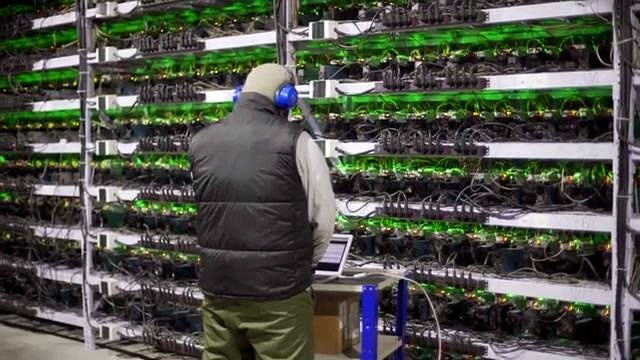
For many people, hosted mining is a practical alternative to mining at home. Hosting providers are large data centers that specialize in running mining machines for customers.
You purchase your ASIC and pay the hosting provider a fee to house, power, and maintain it in their facility.
Advantages of Hosted Mining
- Access to bulk power rates that are often much lower than residential rates
- No need to deal with noise, heat, or maintenance at home
- Facilities are optimized specifically for mining operations
- Often the most practical route for scaling beyond one machine
Lower power rates alone can dramatically improve profitability.
Drawbacks of Hosted Mining
- You must trust a third-party operator with your hardware and earnings
- Hosting fees add another operational cost
- Shipping machines to and from the facility has costs and risks
Hosted mining can still be the most practical route for larger operations, especially when using multiple machines and longer-term arrangements.
Best Practices for Bitcoin Mining
Whether mining at home or using a hosting provider, several practices are important.
Withdraw to a Hardware Wallet
Always withdraw mined Bitcoin to a hardware wallet. Leaving rewards on a mining pool wallet exposes funds to unnecessary third-party risk.
A hardware wallet gives control over the Bitcoin. Not your keys, not your coins.
Track Profitability Constantly
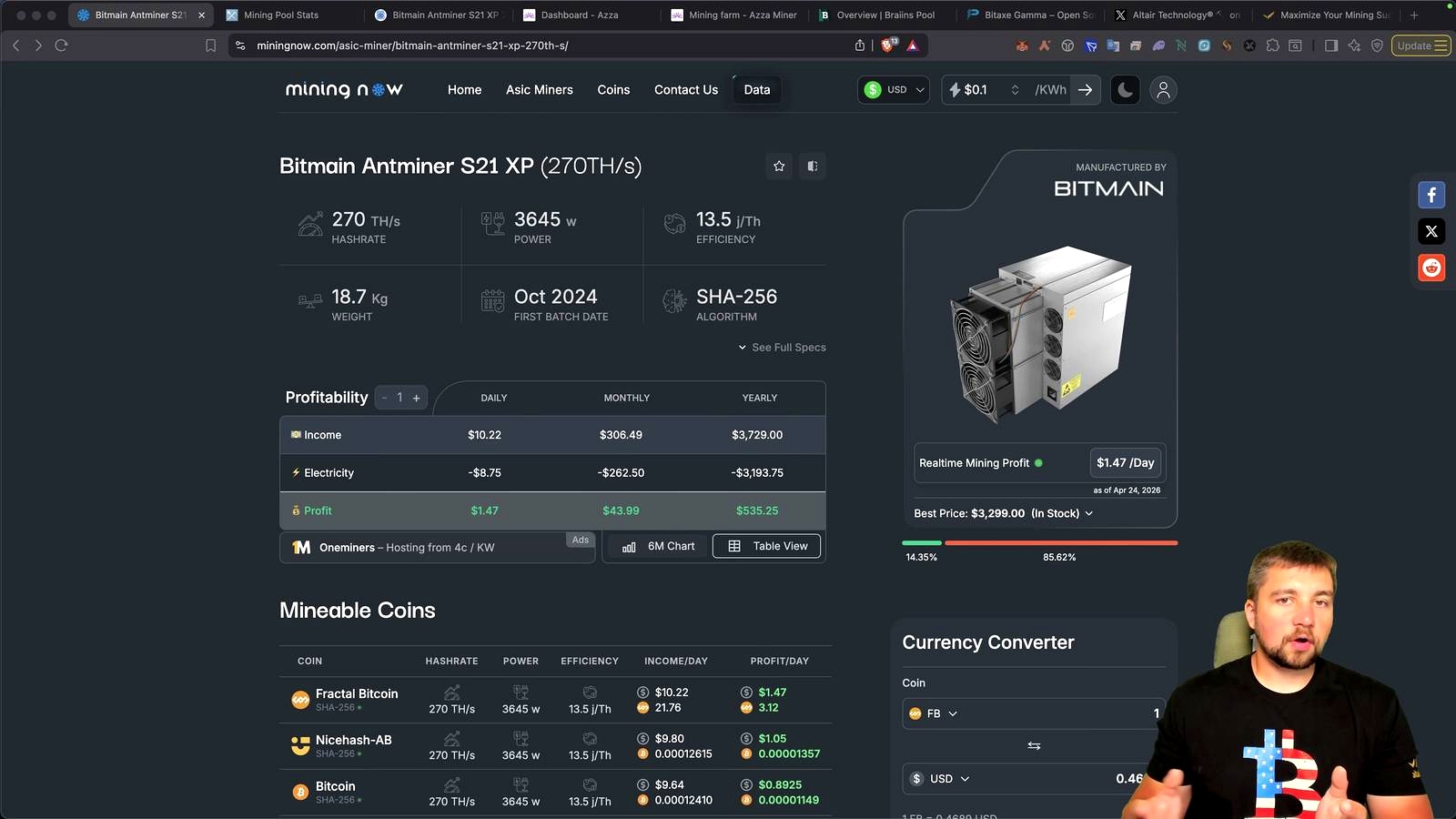
Miners should monitor earnings versus costs at all times. Tools like What to Mine or Mining Now can help track whether the operation is actually profitable.
This also helps with decisions about buying more machines, changing strategy, powering down machines temporarily, or even selling machines if conditions change.
Be Careful With Reinvestment
Many miners reinvest mined Bitcoin into more machines to grow their operation. That can be powerful over time, but a disciplined approach is to use separate funds or fiat money for reinvestment so the mined Bitcoin can remain untouched in a secure wallet.
Do Not Ignore Security
Security matters at every step.
- Back up the seed phrase from all wallets
- Store the 12 or 24-word recovery phrase offline securely
- Consider storing it in multiple locations
- Use strong and unique passwords
- Enable two-factor authentication
- Stay alert for phishing attempts and unauthorized access
The recovery phrase is the key to the funds, so protecting it is essential.
Setting Realistic Expectations

Bitcoin mining is not a get-rich-quick scheme and not a path to overnight riches. The industry is competitive, costs can be high, and the market is volatile.
Even so, mining can be legitimate, powerful, and rewarding for accumulating Bitcoin over the long term. For people who value generating Bitcoin directly, contributing to the network, and potentially building a favorable cost basis, it can be very attractive.
FAQ
What is Bitcoin mining?
Bitcoin mining is the process of using specialized computers to solve a hard math puzzle so a new block of transactions can be added to the blockchain. In return, miners earn new Bitcoin and transaction fees.
Can I mine Bitcoin with a regular computer?
No. Bitcoin mining today is only practical with special machines called ASICs, which are much faster and more efficient for mining than regular computers or gaming PCs.
How much is the current Bitcoin block reward?
The current block reward is 3.125 Bitcoin for each block added to the chain.
Why do most miners join mining pools?
Most miners join mining pools because solo mining has extremely small odds of finding a block. Pools provide smaller but much more regular and predictable payouts.
Is Bitcoin mining profitable?
It depends on electricity costs, hardware performance, hosting or operating costs, and Bitcoin’s price. Mining can be profitable, but it can also earn less than buying Bitcoin directly.
Can I mine Bitcoin at home?
Maybe. Home mining can make sense if electricity is really cheap, the right power infrastructure is available, and there is proper ventilation, cooling, and space to handle the noise.
What is hosted Bitcoin mining?
Hosted mining means buying an ASIC and having a third-party facility house, power, and maintain it for a fee.
What should I do with mined Bitcoin rewards?
Withdraw them to a hardware wallet rather than leaving them on a mining pool wallet, so you keep control of your Bitcoin and reduce third-party risk.
Source

Omar Al-Sharif lives and works in the UAE and is involved in the blockchain technology industry. He writes articles on Bitcoin and digital assets as a personal passion, explaining complex topics in simple and understandable language.