The discussion took place in a small room with a full crowd, with even more people said to be upstairs. The host thanked Peter for coming and said it was courageous to step onto the stage in a crowd that seemed to give the host a home-court advantage. Peter replied that he had some supporters in the audience and thanked the host for organizing the event and bringing him there.
The conversation began in a civil tone, with both speakers acknowledging areas of agreement before moving into disagreements about gold, tokenized gold, and Bitcoin. A central theme was whether digital forms of value are improved versions of older monetary assets, or whether backing by physical gold remains the decisive factor.
The Opening Exchange
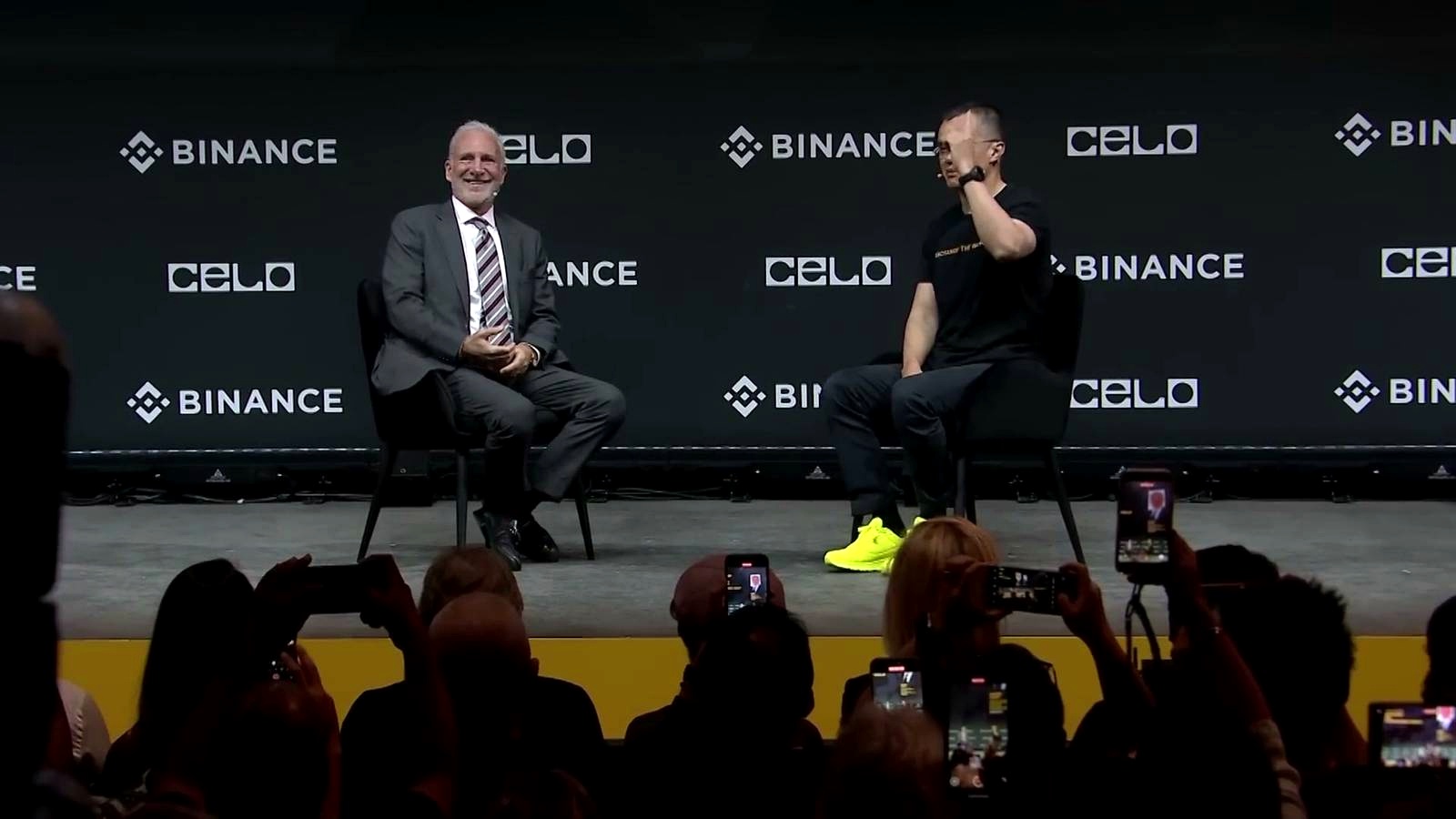
The host said he wanted to keep things civilized at the beginning and thanked Peter for taking the time to attend. Peter responded warmly, saying he appreciated the hosting and joked that he had been trying to get Michael Saylor to debate him for years. The host replied that he could arrange that later that night, drawing laughter.
How the Tokenized Gold Idea Came Up
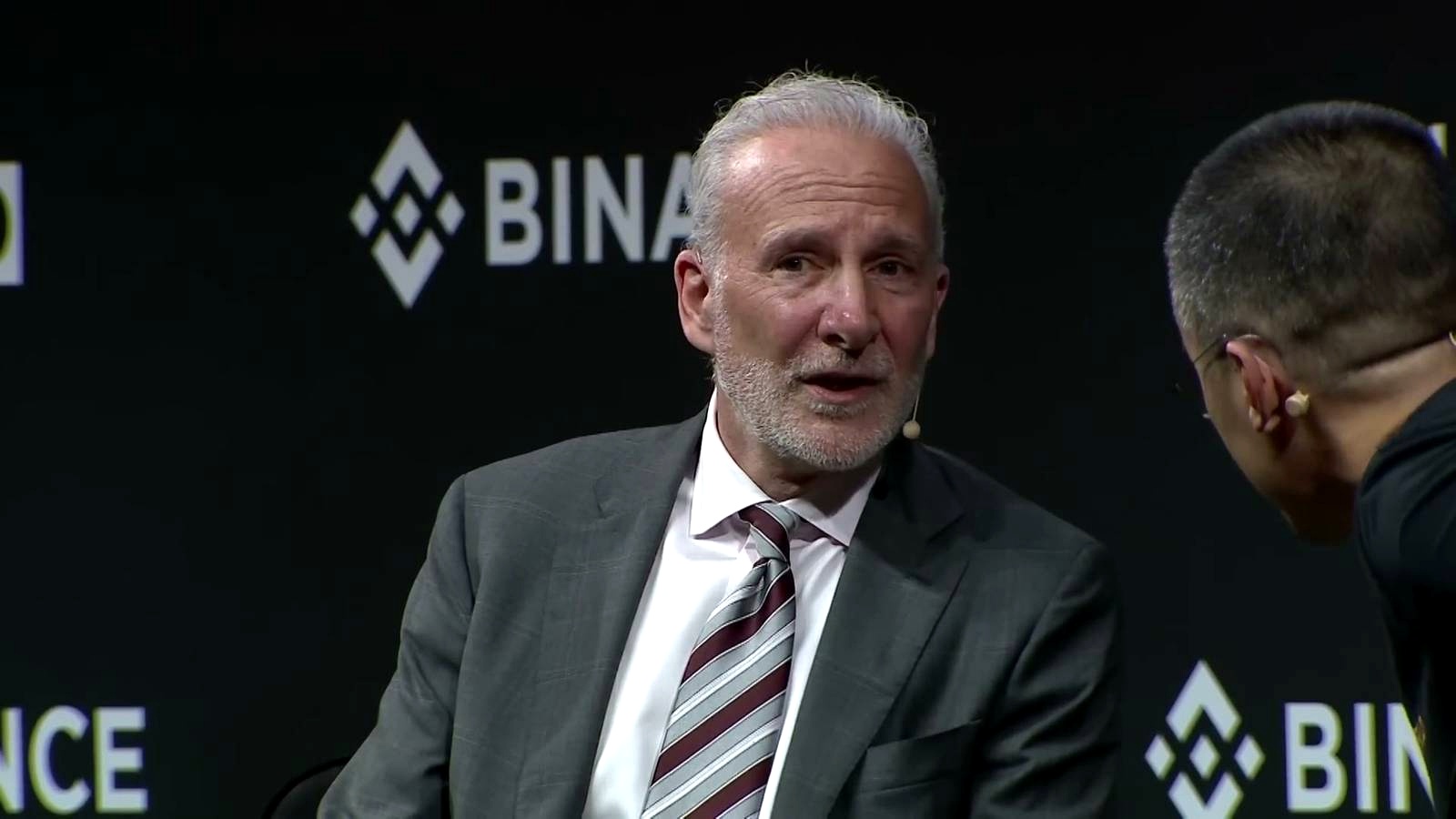
The host mentioned that Peter would eventually do a tokenized gold project and asked about it. Peter said that was how the whole thing got started, because he had been talking about it on a crypto podcast that the host had apparently seen.
Peter explained that his website is t-gold.com and said the “T” stands for tokenized gold. He added that he was surprised Tether never grabbed that URL, but he did. He said that currently, people can go to t-gold.com to buy physical gold and silver, and his company stores it for them.
How Tokenized Gold Would Work
Peter described the current system as segregated and vaulted, not comingled. He said it is allocated gold, not unallocated gold, meaning the owner actually owns it while it is stored in a vault.
According to Peter, there would ultimately be two ways to withdraw the gold other than selling it for dollars:
- Withdraw it in physical form, such as bars or coins in chosen denominations.
- Withdraw it in the form of a token.
He said that when someone takes delivery of the token, they can deposit it in a wallet or put it on an exchange if it gets listed. The token, he explained, represents ownership of gold. The gold remains in a vault, and the token serves as evidence of ownership.
To illustrate this, Peter compared the token to a claim check for a coat. The claim check is not the coat itself, but it is redeemable for the coat. In the same way, the token is not the gold, but it represents ownership of the gold.
He also emphasized that tokenized gold can be transferred in whole or in part because it is divisible. That means ownership of the gold can change hands without moving the physical metal itself. The gold stays in the vault, while the token can function as a medium of exchange.
Why Peter Said Tokenized Gold Improves Gold
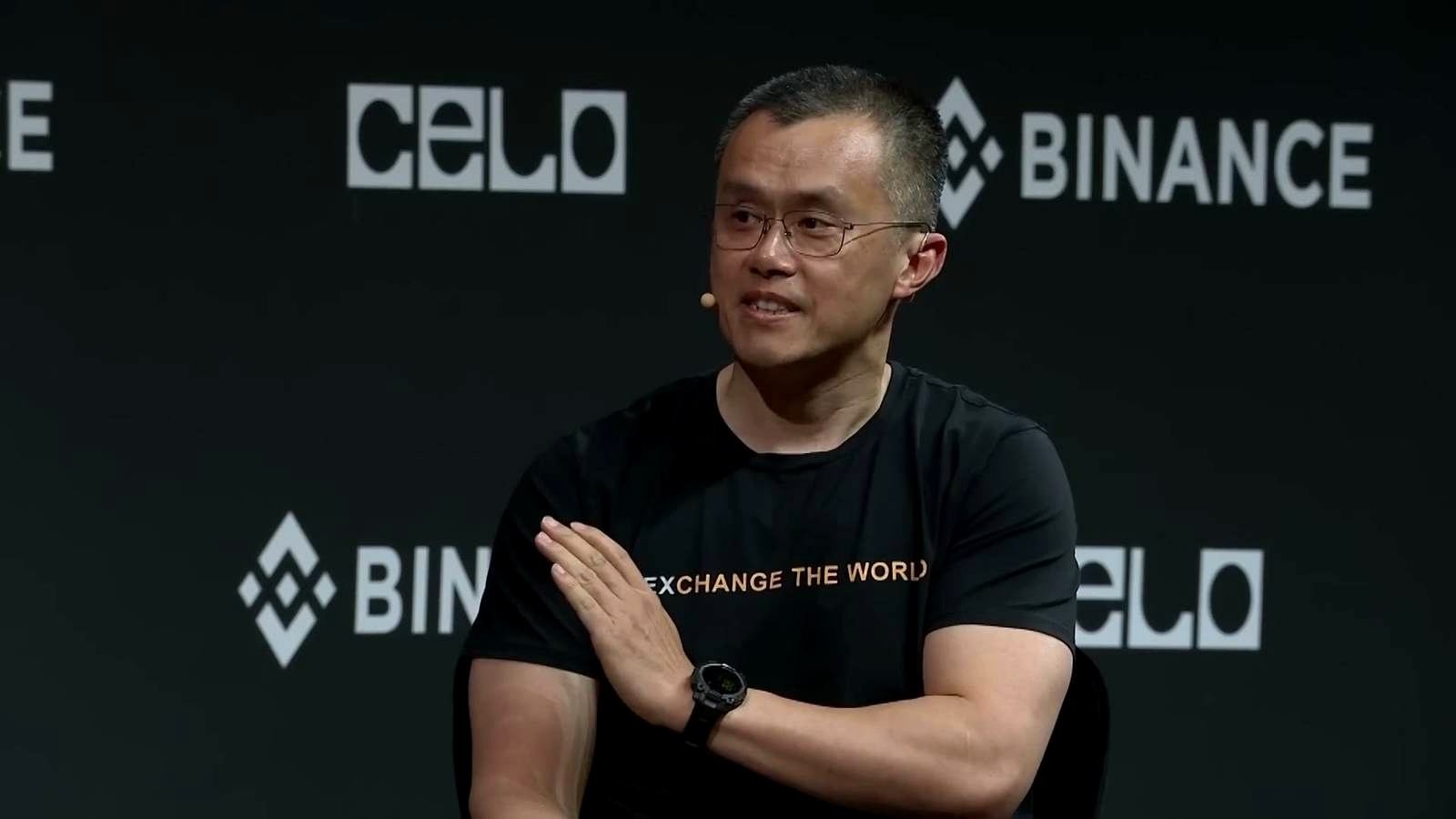
Peter argued that tokenized gold improves gold’s monetary properties without losing its most important feature as a store of value. He said it becomes more transportable, more divisible, and more fungible, while still being backed by the gold in the vault.
The host summarized Peter’s point by saying tokenized gold might be almost better than gold itself in some ways because it is divisible, transferable, transportable, and usable as a medium of exchange. Peter agreed “as for money purposes,” but added that if someone actually needs to use the gold physically, such as a jeweler or a manufacturer of computer chips, they would have to redeem the token.
Peter compared tokenized gold to the old blacksmith system, where gold stored with a blacksmith led to paper IOUs circulating in place of the metal because they were more convenient. He said that was currency. He added that when governments began issuing currencies backed by gold, those currencies were legitimate because they derived their value from the gold backing them. By contrast, he described fiat currency as paper backed by nothing and said its value depends only on faith and confidence.
He said tokenized gold takes that older idea to the digital level: instead of a paper representation of ownership, there is now a digital representation that can be transferred without needing to hand over a physical paper certificate in person.
Bitcoin Compared With Tokenized Gold
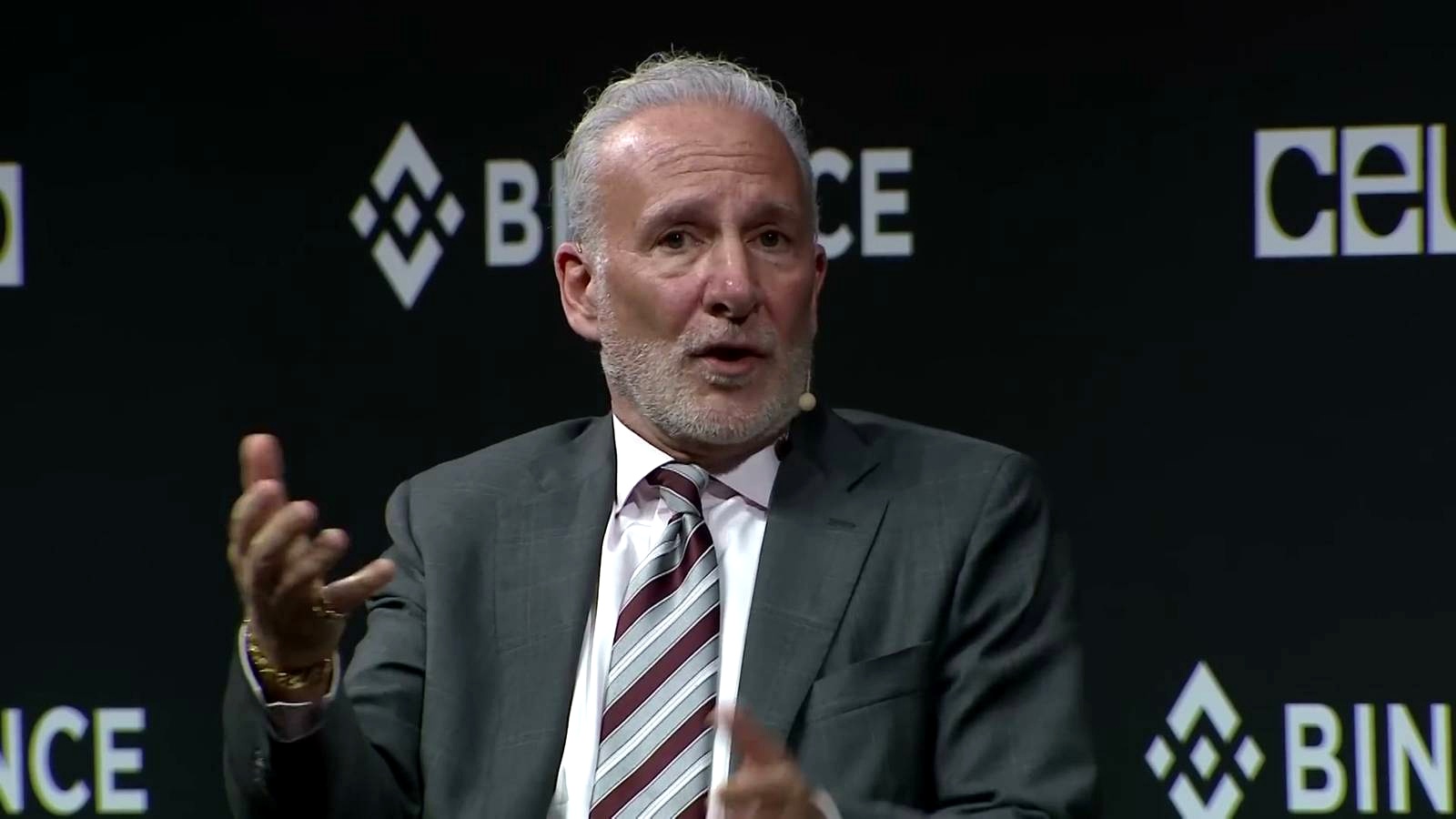
Peter drew a sharp distinction between tokenized gold and Bitcoin. He said tokenized gold is legitimate because it is backed by something and derives its value from gold. He said Bitcoin, by contrast, derives its value from confidence and faith, because if people think it has value, they are willing to buy it.
The host briefly paused the Bitcoin discussion to note a point of agreement: that digitized gold might be better than physical gold in many ways as long as the gold is there to back it up. Peter agreed and said that, unlike corrupted government paper systems, tokenized gold does not require a government. In his view, any trustworthy private entity with a good reputation could tokenize gold, and if there were many different gold tokens, they would still be fungible because gold is gold.
The Gold Bar Demonstration
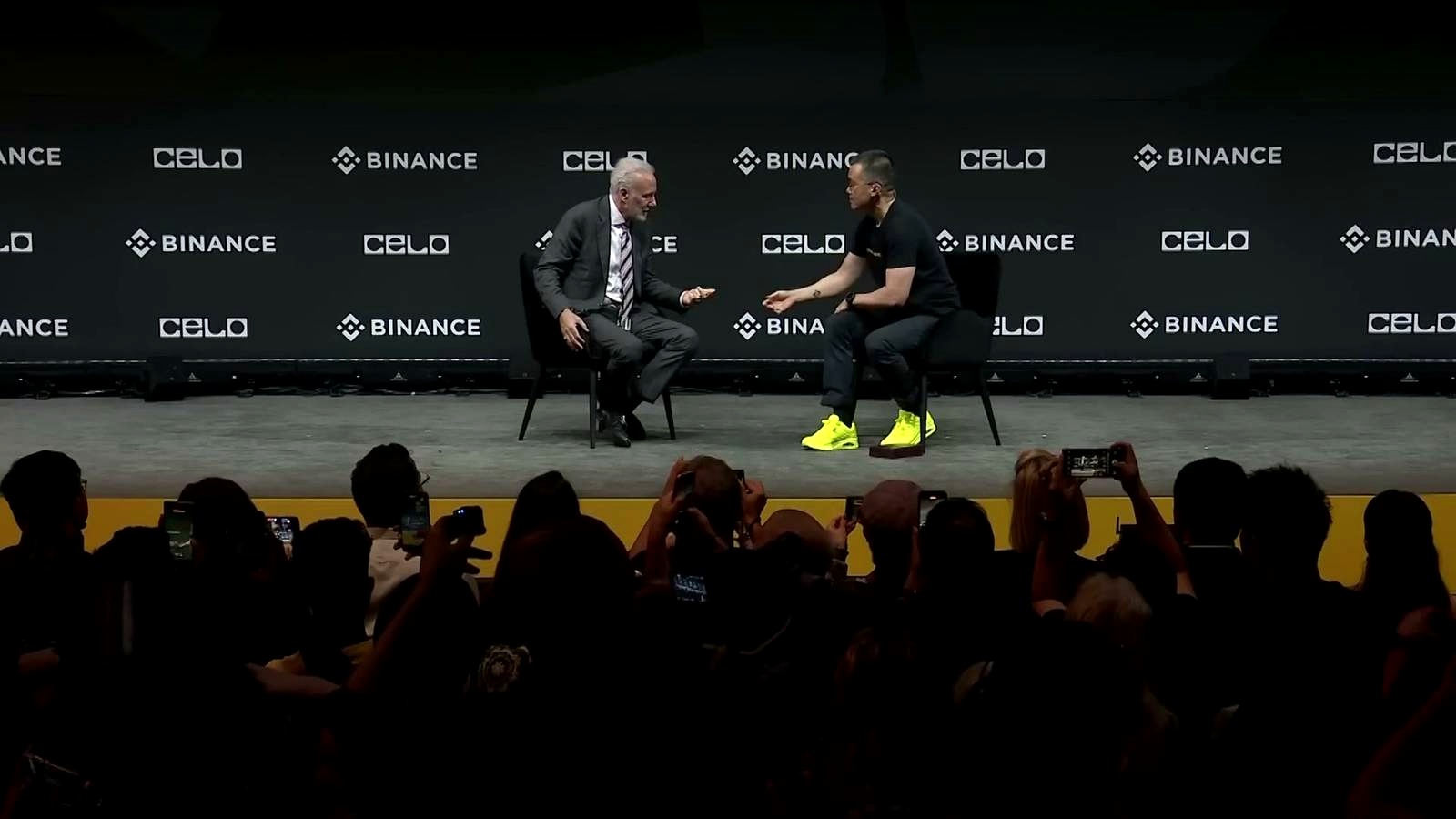
The host then shifted the discussion to a physical example. A box was brought on stage, and he said it was the first time meeting the person who brought it over. Inside was what appeared to be a heavy gold bar. The host said it came from Kyrgyzstan and had a certificate. He said he had received it very recently from a very important person from Kyrgyzstan.
The bar was described as saying “1,000 grams fine gold 99.9” along with a serial number. Peter handled it and agreed it was heavy. When asked whether it was real gold, Peter said he did not know. He noted that the color looked a little off compared to his pure gold bracelet and said the mint was unfamiliar to him. He explained that recognized mints matter because trust in their market reputation helps establish credibility.
Peter said he would probably need to assay the bar to know whether it was real gold. The host suggested it had been given to him by an important person, but Peter maintained that he would still want verification. A joke followed about whether it was a gift, with Peter suggesting that if it really were a gift, maybe it was genuine.
When the host asked how much one kilogram of gold would be worth, Peter initially estimated around $50,000 based on gold being about $4,200 an ounce, then recalculated after discussing how many ounces are in a kilogram. The host then said AI had estimated it at around $130,000, and Peter agreed after the ounce calculation that about $132,000 made sense.
The host said he did not want to give away the whole piece, only perhaps a little bit. Peter replied that this is why tokenization is useful: it allows someone to give half of it. He added that Shift Gold sells tenth-ounce gold coins from reputable mints, allowing people to own smaller denominations without guessing whether the metal is real.
Problems of Transport and Verification
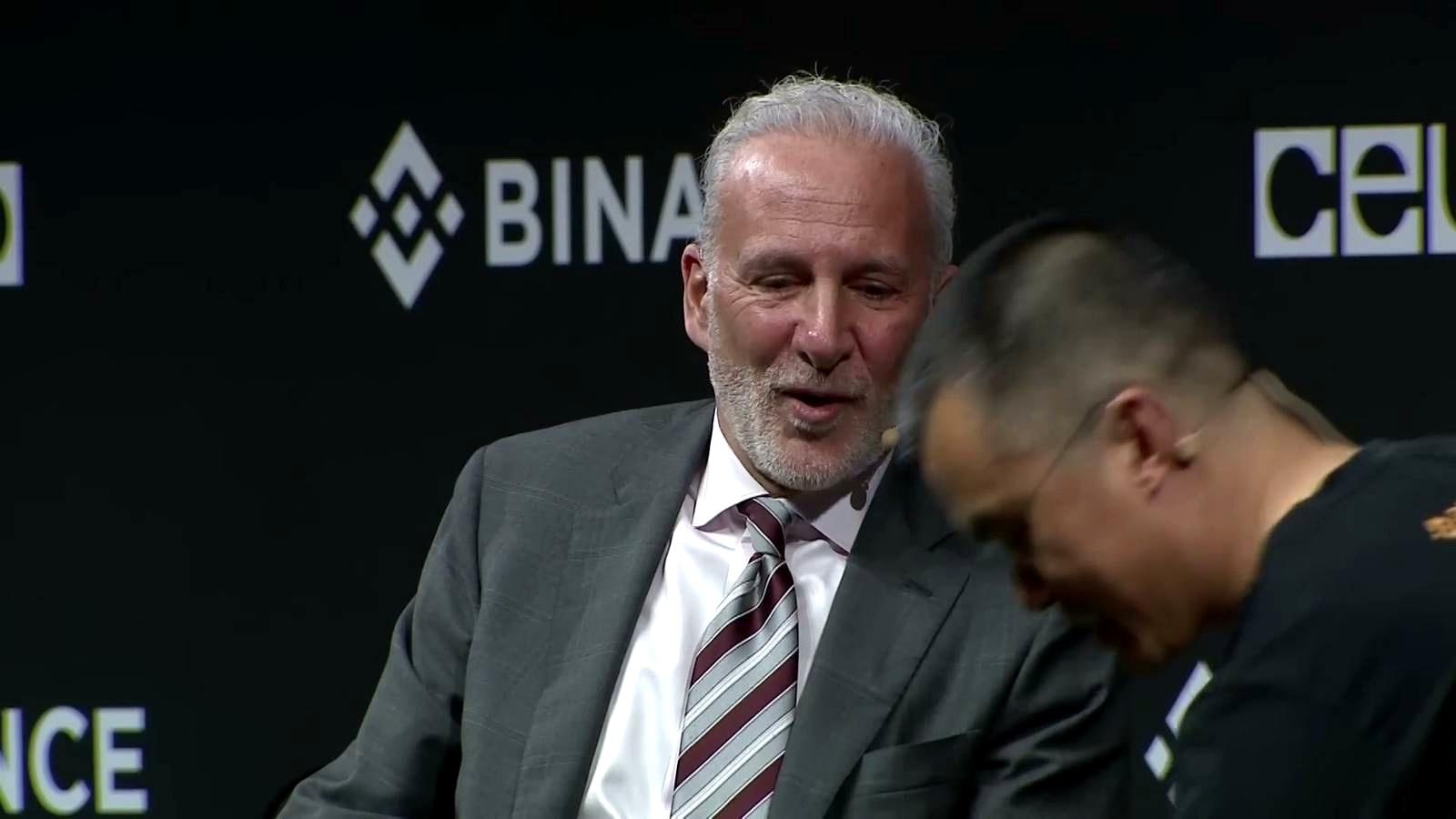
The host said he wanted to give Peter the bar but was unsure whether Peter could take it out of the country. Peter said he thought he could put it in his bag and that no one would care. The host cautioned that some countries might put a person in jail for carrying such an item, depending on whether it was declared and where it came from.
The host insisted that it was real gold and said it had been given to him by the president of “Kirkland.” Peter replied that the sentimental value probably meant the host did not want to give it away. The host joked that after Peter’s doubts, it now had even more sentimental value.
The Host’s Case for Bitcoin’s Utility
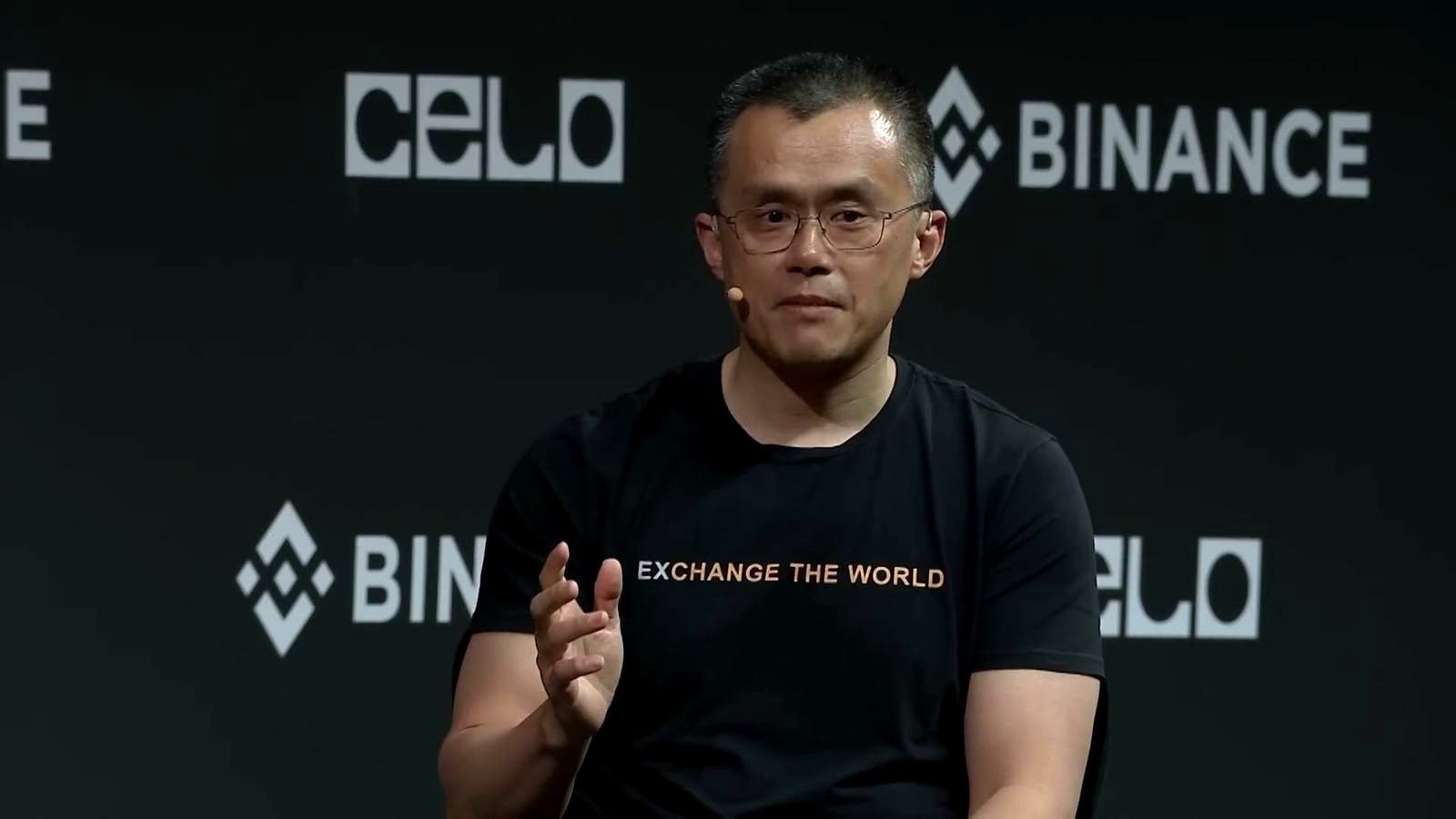
The host then returned to Bitcoin and argued that if he gave someone Bitcoin, they could verify almost instantly that it had been received. He added that tokenized gold has the same feature. Peter agreed that tokenized gold can also be verified quickly.
From there, the host addressed Peter’s statement that Bitcoin is based on nothing. He asked whether Peter uses an iPhone and the internet, and named X, Google, and Facebook as examples of virtual things with value. He argued that the internet is virtual and yet clearly valuable.
The host then made a more technical point: he said Bitcoin itself does not physically or virtually exist on the blockchain as an object. Instead, what exists are records of transactions. When someone says they send one Bitcoin, he said, nothing actually moves; a new transaction record is added to the ledger. The balance of an address is determined by going through all blockchain transactions and calculating inputs and outputs.
His conclusion was that virtuality does not mean worthlessness. He said many virtual things have value, and that an item’s value is not tied only to physical properties.
Peter’s Reply: Intangibility Is Not the Real Issue
Peter answered that he was not claiming something must be tangible to have value. He acknowledged that intangible assets can have value and gave the example of company goodwill. But he said Bitcoin’s problem is not that it cannot be touched, smelled, or tasted. Rather, in his view, it has no utility beyond being transferable.
Peter said that when Bitcoin is transferred, nothing of substance is transferred. By contrast, he said tokenized gold transfers ownership of actual gold. He argued that gold has value because of what can be done with it as a metal and because there are industries that need gold and cannot substitute another material for it.
He added that because gold is scarce and because demand exists, its price is determined by supply and demand. He also said central banks use gold as a monetary reserve asset, which also affects its price.
Why Peter Said Gold Is a Store of Value
Peter devoted considerable time to explaining why he considers gold a store of value. He said gold does not decay and does not lose value over time. He stated that when someone owns gold, they are not only owning what can be done with it today, but also what someone else can do with it in a thousand or even ten thousand years.
He said gold mined long ago is still here and unchanged, and that today’s price reflects the present value of all of its uses from now until the end of time. He contrasted this with commodities that decay, rot, or have a shelf life. Gold’s durability, he argued, is one of the things that makes it a store of value.
Scarcity: Gold vs. Bitcoin
The host challenged Peter on the issue of scarcity. He asked how much gold there is in the world and said that we do not know exactly. He suggested that another big mine could be discovered and mentioned synthetic diamonds, then said that perhaps synthetic gold might one day become possible.
Peter replied that alchemists had been trying for centuries to make gold and said there was recently an article about someone producing a speck of gold. The host said he did not think that article was true.
The host then contrasted this with Bitcoin, saying that with Bitcoin, “we know exactly” how much there is, how much there will be, and where it is. He described Bitcoin as having a clearly finite supply.
Gold, Central Banks, and Currency
The host observed that gold stopped backing currencies in 1971 and said currencies are no longer really backed by anything. Peter agreed that currencies are no longer redeemable in gold, but argued that gold still matters because central banks can use it to defend the value of their currencies in the market.
He said that if a currency starts losing value, a central bank needs something to sell in order to buy back its own currency and support it. According to Peter, gold serves as that reserve asset. The host then suggested that when the gold price rises, it may indicate that central banks are printing currency to buy gold. Peter replied that central banks are printing money all the time and that this is where inflation comes from.
Is Bitcoin Money?
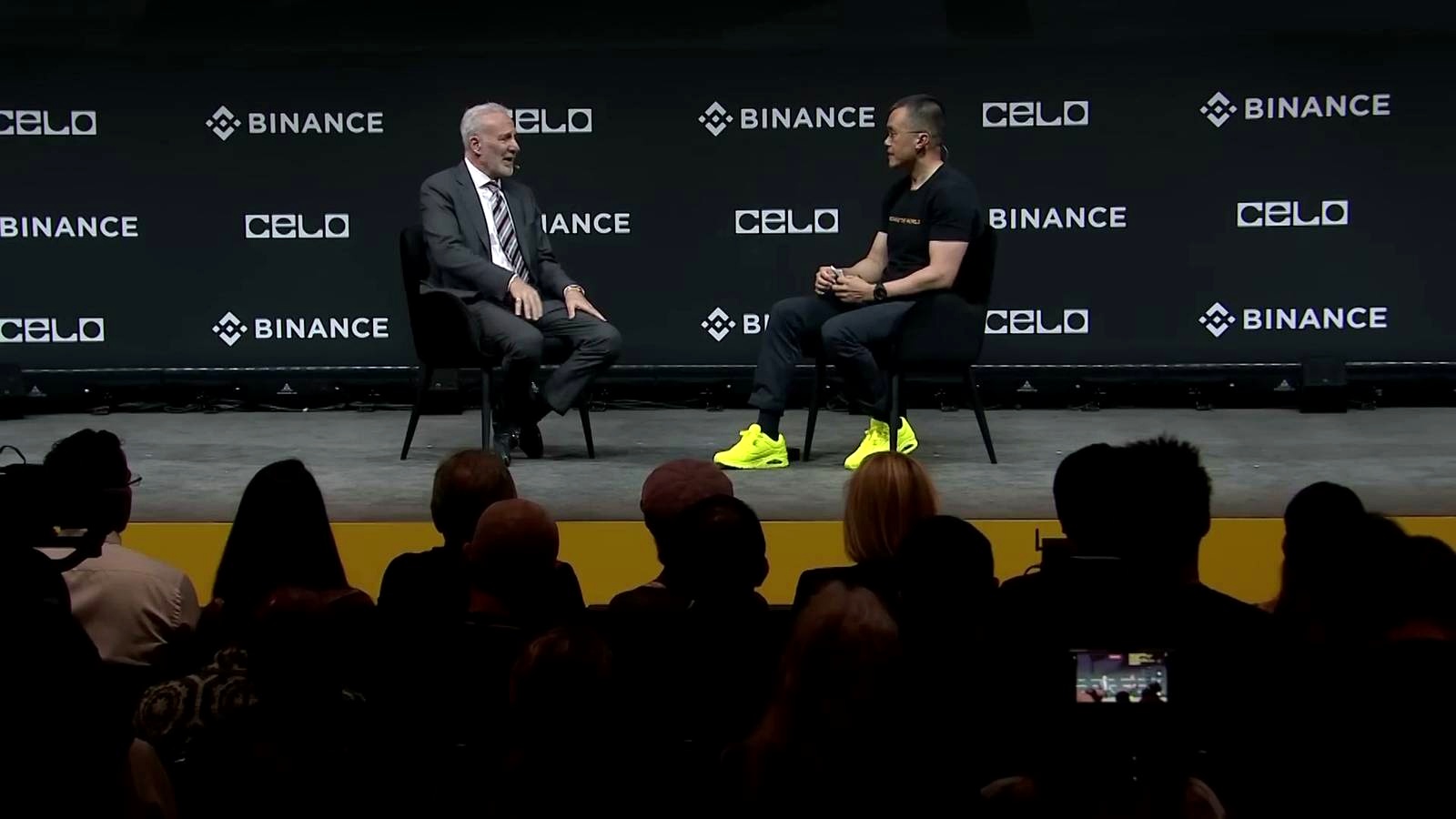
The discussion then turned to whether Bitcoin should be considered money. The host argued that Bitcoin is a new technology for money and said it is an entire industry, not just a system for sending and receiving. Peter rejected this and said Bitcoin is not being used as money and is not really money because, in his definition, money is the most liquid commodity.
The host responded that there are different definitions and levels for money and value. He pointed to Bitcoin’s large asset value and said there is no dispute that it has a price. Peter answered that a price does not prove underlying value and said Bitcoin is being used as a speculative digital asset, not as money.
The host noted that many people recognize Bitcoin as money, especially in that particular room, though he admitted it was an unfair crowd. Peter replied that nothing is priced in Bitcoin in the way goods, services, and wages are normally priced. He said even where people are paid in Bitcoin, salaries are usually first defined in dollars or euros and then converted into Bitcoin at the time of payment.
The host said he had been paid a salary in Bitcoin in 2014. Peter pressed him on whether the salary itself had been fixed in Bitcoin. The host answered that it was rebased every month. Peter said that was not the same as having a salary fixed in Bitcoin.
The host also described a case at Binance in which a business partner leaving the company was given a choice between U.S. dollars and Bitcoin, with the amount fixed in Bitcoin at the time. Peter called that a unique situation involving a person who wanted Bitcoin as an investment.
Speculation and Realized Gains
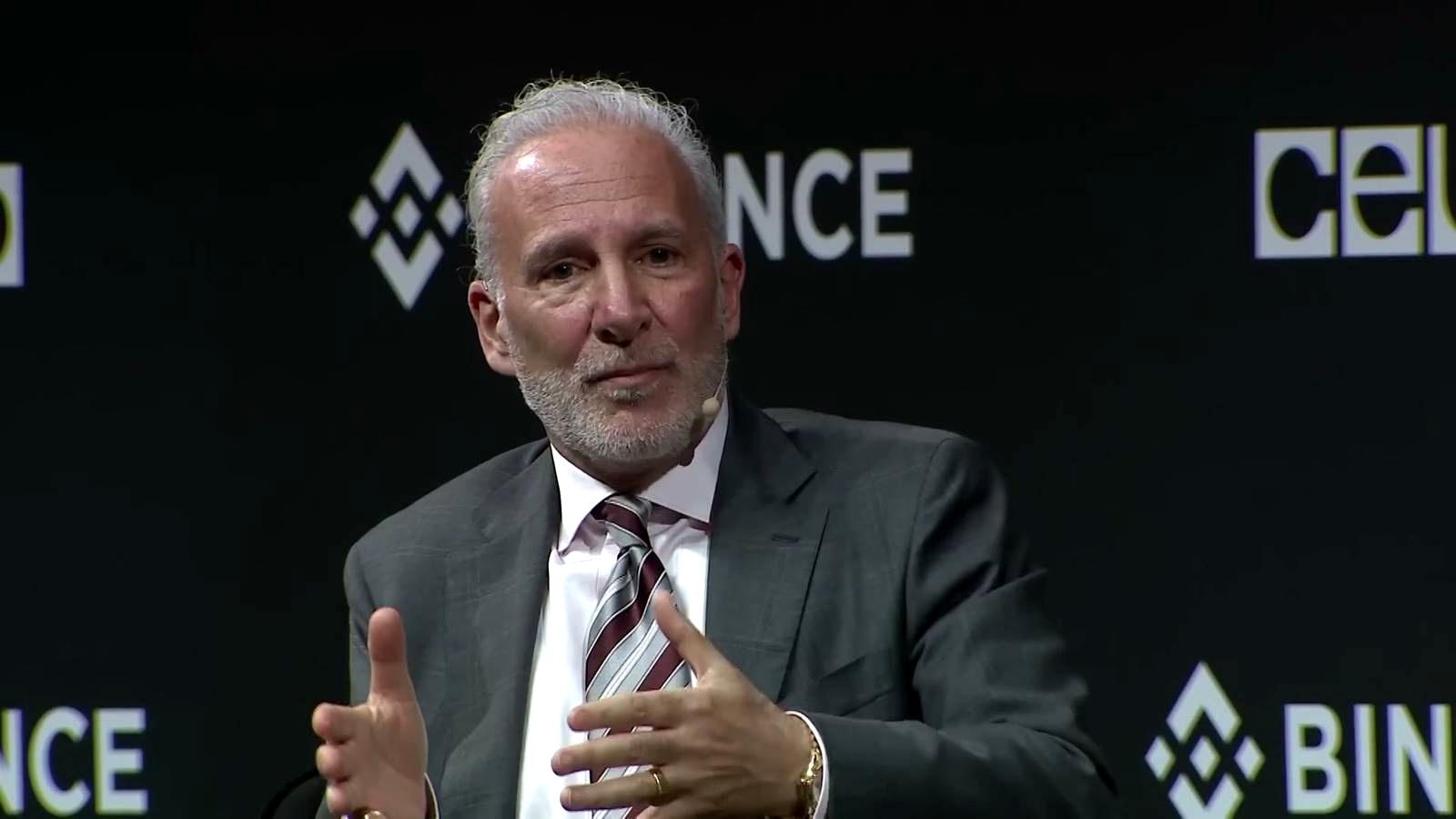
When discussing gains from Bitcoin, the host said many people had made a great deal of money, including hundreds of millions or billions. Peter agreed that many early buyers had made tremendous profits and said he knew some of them personally, including neighbors who could afford expensive homes because they sold a lot of Bitcoin.
But Peter argued that people who bought more recently had not made money, and that their losses were what enabled earlier holders to cash out. He described Bitcoin as a transfer of wealth from buyers to sellers and said no real wealth is created when Bitcoin is created.
He added that many current holders do not yet realize their losses because Bitcoin still has a high market price. But if a large number of them tried to get out at once, he said, there would be no market and the price would implode.
A Story From Africa
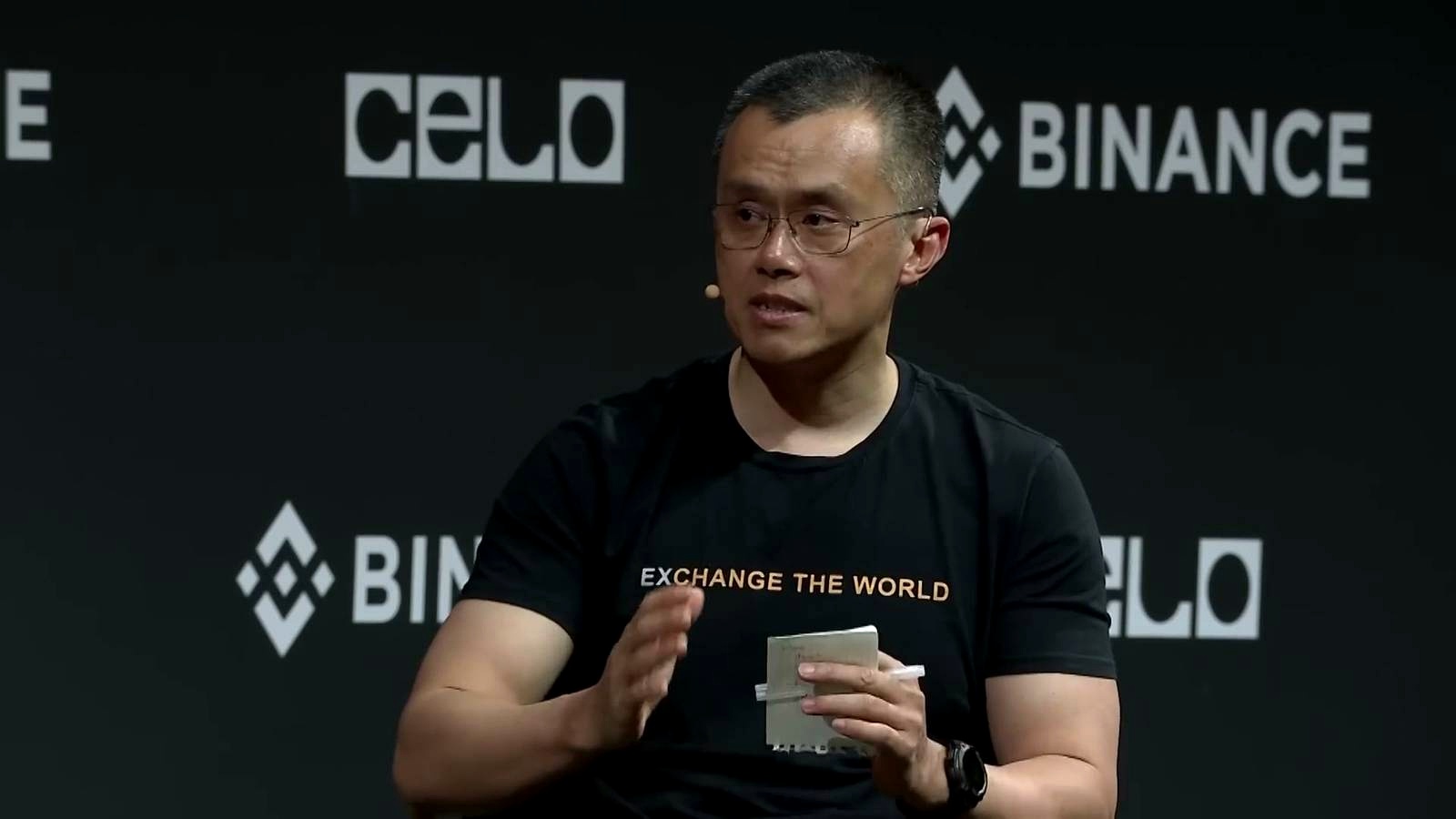
The host shared a letter of support he had received during his legal troubles in the United States. He described a user from Africa who said that before crypto and Bitcoin, paying a bill took him three days because he had to walk from his village to make the payment and then walk back. After gaining access to crypto through Binance, the same payment took three minutes.
The host said that saving that time allowed the man to accumulate money over time, and that in a very poor country in Africa, even sums like $50, $100, $300, or $1,000 were significant and materially improved his life.
Peter replied that there was some value in that, but said Bitcoin was not necessary for it. He suggested that stablecoins or tokenized gold could also be used. The host answered that this still depends on blockchain technology and said that Bitcoin remains the best use case for blockchain technology today and the largest coin by market capitalization.
The Binance Card and Payments
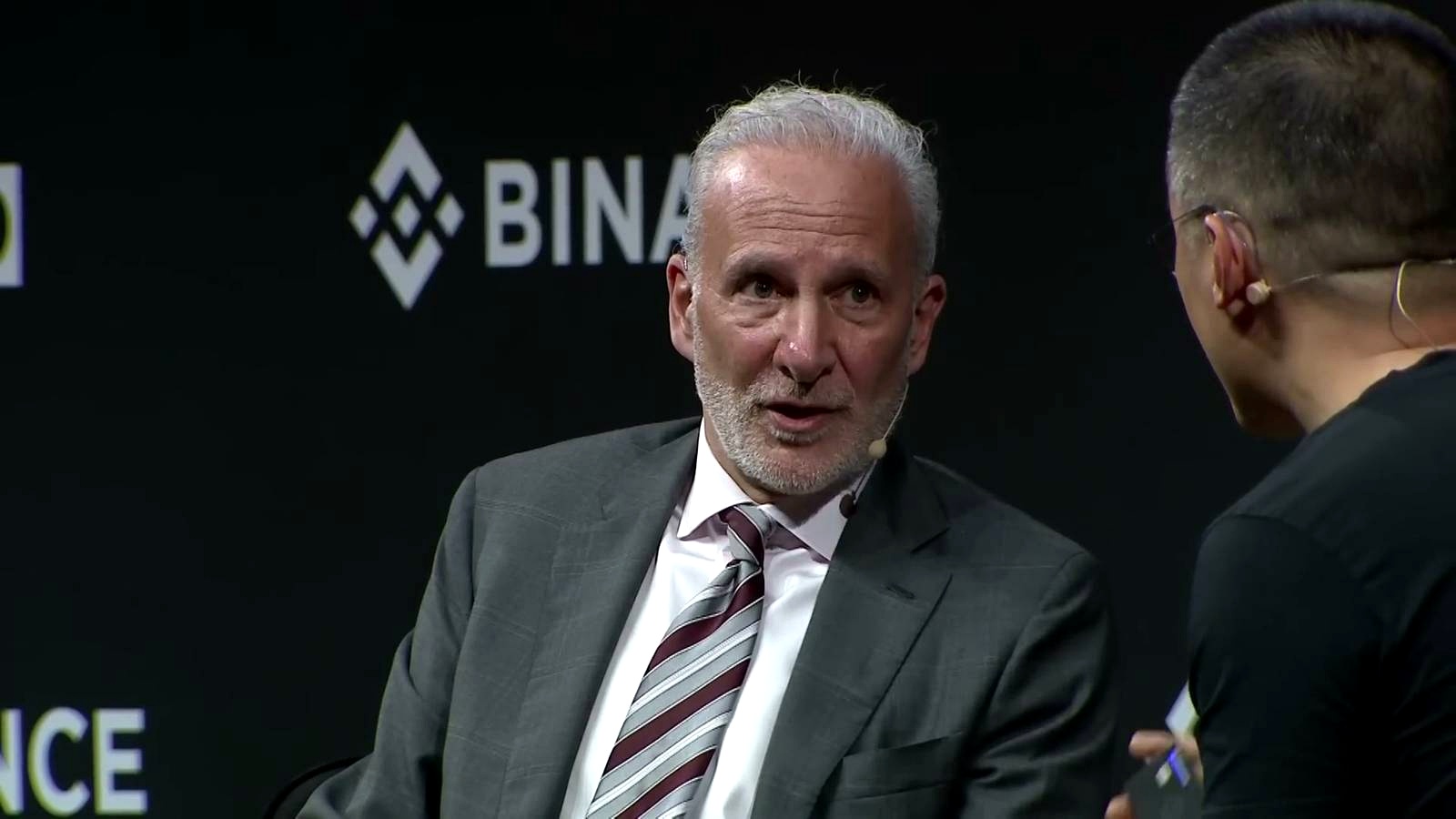
To answer the claim that crypto is not used for payments, the host asked for a Binance card to be brought forward. He described it as a Visa card and said it works well. Peter acknowledged that it allows someone to sell Bitcoin and pay a merchant in dollars.
But Peter insisted that this is not the same as using Bitcoin as money. In his view, the user is selling Bitcoin to get fiat and then using the fiat to pay. He said he could do the same with gold, a stock portfolio, or a brokerage account tied to a debit card.
The host replied that from the user’s perspective, it still functions as a crypto payment. He explained that the intermediary handles the conversion, so the user swipes the card, crypto is deducted, and the merchant receives fiat. He said this solves the historical problem that merchants may not want to accept crypto directly.
Peter responded that his goal with gold is different: he would ultimately like the gold itself, or ownership of it, to change hands through the entire transaction without conversion into fiat.
Would Merchants Want Gold?
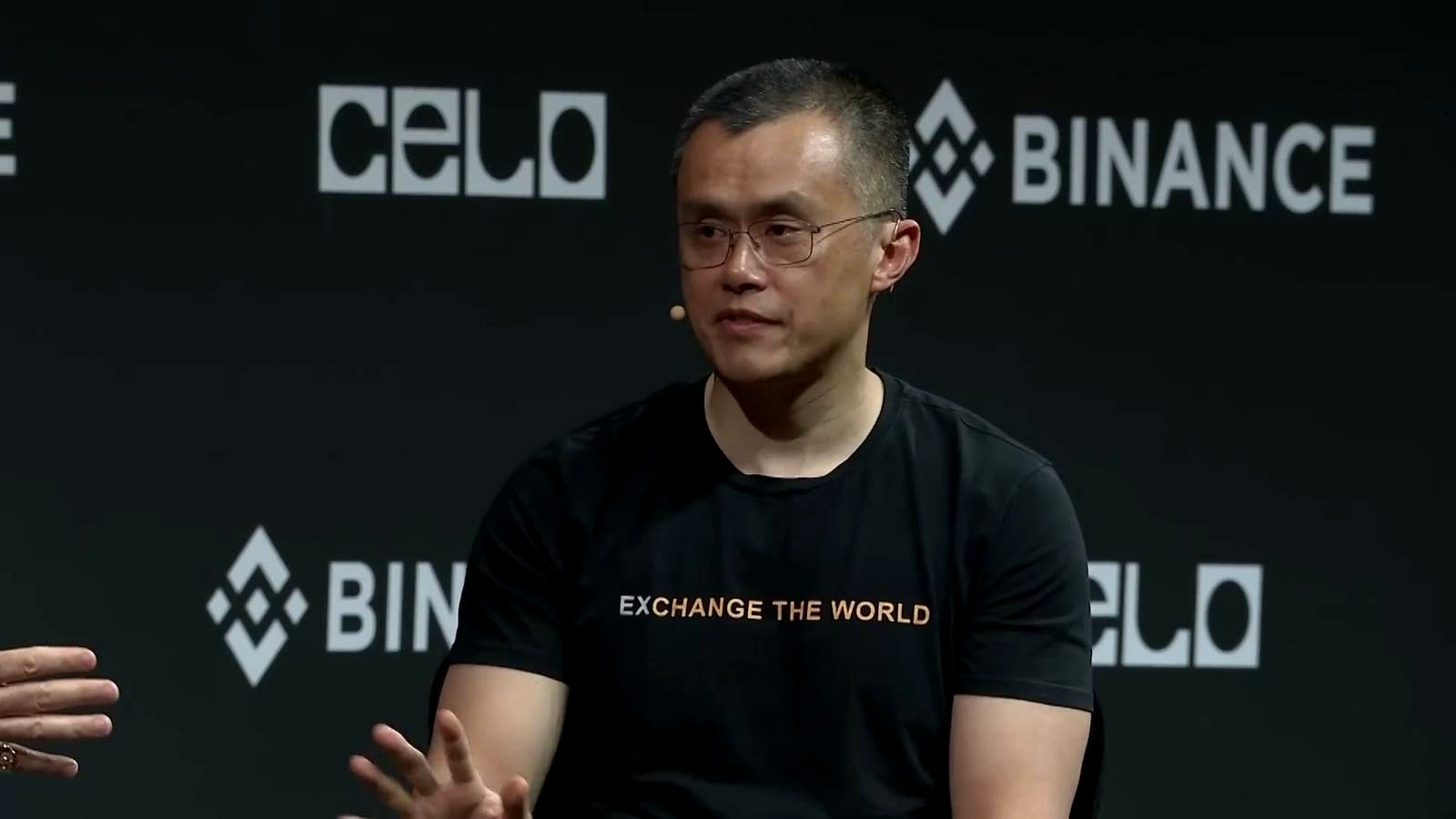
Peter said that if inflation became much more severe in the developed world, merchants might prefer to receive gold. He gave an example in which inflation is 2% a week rather than 2% a year. In that situation, he argued, merchants who sell inventory for fiat may find that by the time they restock, prices have gone up. If they had been paid in gold, he said, prices would not have risen in terms of gold.
The host challenged this by noting that gold had dropped from a recent high over the last couple of weeks and that some merchants only have margins of around 10%. Peter replied that gold sometimes has periods of higher volatility, but generally is not that volatile, and added that Bitcoin can move 10% in a day.
The Core Disagreement on Utility and Trust
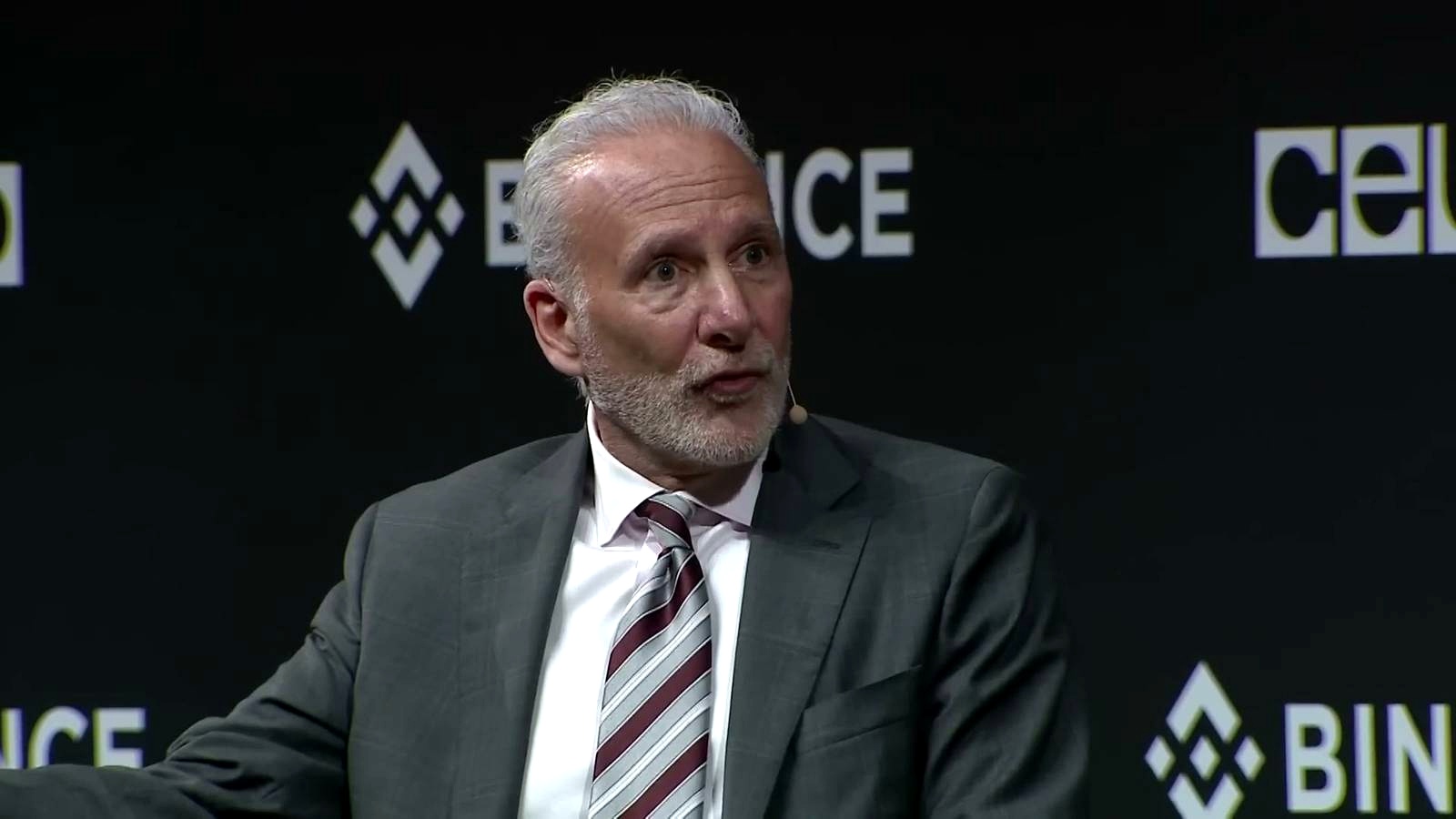
The host argued that Bitcoin has utility because it can be moved across borders easily and without requiring trust in a third party. He said that with tokenized gold, one still has to trust a third party, while Bitcoin removes that requirement. Peter replied that one simply needs to find a trusted third party and said that with Bitcoin people are still trusting technology.
Peter summarized his position by saying that everything Bitcoin can do can also be done with gold, but with the benefit of actual backing. He asked why anyone would prefer what he called a “fiat cryptocurrency” when they could have a real one backed by gold.
The host reversed the point, saying that whatever can be done with gold and fiat can also be done in Bitcoin. Peter rejected the idea that Bitcoin is a store of value and said it has only had a price, not value. The host answered that Bitcoin has been a tremendous store of value over its 15-year existence because its price has gone up over that time.
Peter replied that price and value are completely different things and that one cannot store a price. He said Bitcoin has no value today and will have no value tomorrow, regardless of its market price.
Speculators, Builders, and the Bitcoin Ecosystem
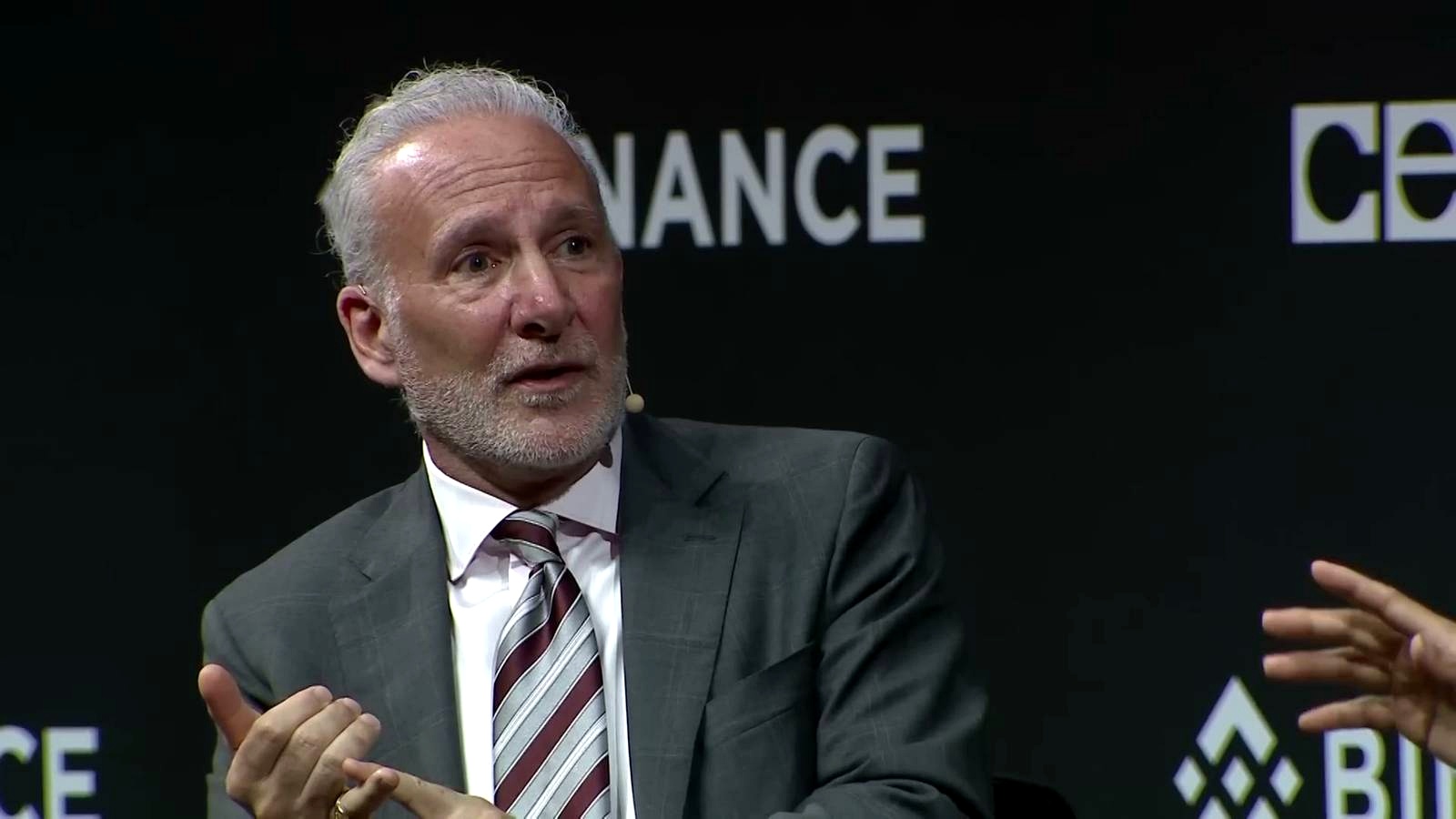
The host said Peter was looking at Bitcoin purely from the perspective of speculators. Peter responded that, by and large, speculators are exactly who buy Bitcoin. He acknowledged that some people in the room were developers and builders working in the Bitcoin ecosystem, but he called the room a biased sample and said it was a tiny part of what is driving Bitcoin now.
He argued that people buying Bitcoin ETFs are not true believers in the technology but ordinary investors buying because of hype and rising prices. In his telling, they buy Bitcoin in brokerage accounts as a symbol and will sell it once it stops rising.
The host replied that traditional markets also contain speculators and builders. He said the presence of speculation in Bitcoin does not prove Bitcoin has no value. Peter answered that speculation in stocks at least relates to businesses that can grow sales, earnings, and dividends. Bitcoin, he said, generates no income and is therefore a pure bet that someone else will pay a higher price later.
Performance Against Gold
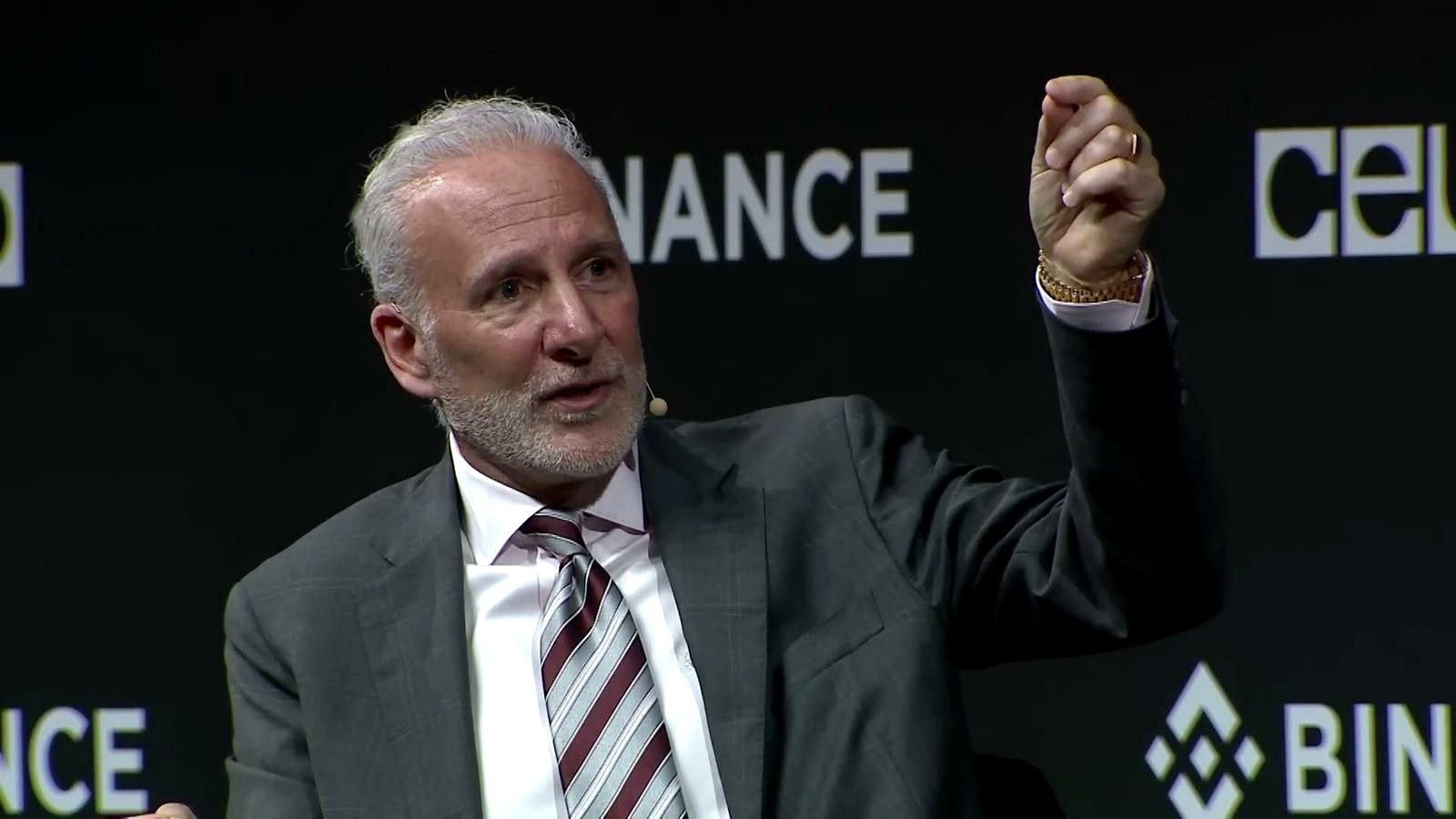
Peter stressed that Bitcoin is down 40% when priced in gold compared with its peak four years earlier. He said that when Bitcoin reached $69,000, it bought 37.2 ounces of gold, while now it buys only 22.15 ounces. From that, he concluded that gold had done much better than Bitcoin over the last four years.
The host objected that one can choose any time period when comparing assets and asked about eight years instead. Peter insisted that the important point was what had happened during the last four years despite unprecedented Bitcoin promotion, including ETFs, corporate treasury buying, borrowing to buy Bitcoin, crypto company purchases, Super Bowl ads, celebrity endorsements, NFTs, El Salvador, and a Bitcoin strategic reserve.
His argument was that even with all of that hype and capital, Bitcoin had still lost value relative to gold. Therefore, he questioned why it should rise in the future.
The host answered that price takes time and that Bitcoin and gold can both rise in the future. Peter said the dollar and euro would likely be worth less over time because governments keep printing them, but he maintained that Bitcoin is irrelevant to that and that its value depends solely on whether more people want to buy than sell.
Gold, Bitcoin, and Younger Generations
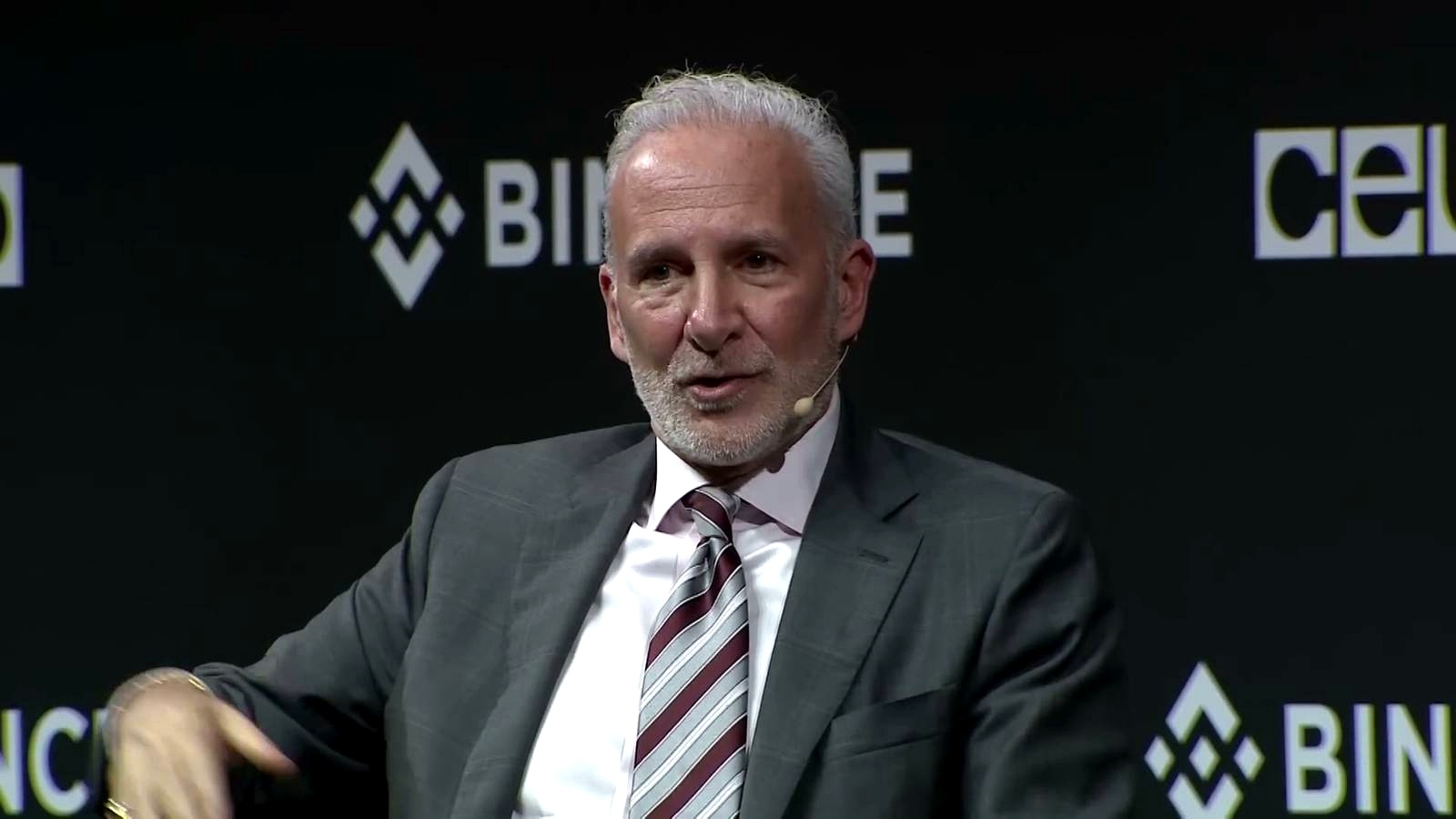
The host asked whether younger generations would like Bitcoin more or gold more. Peter said they would like gold more after seeing friends lose a lot of money in Bitcoin. He added that one good thing about losing money young is that there is time to earn it back and learn from the experience. He said that many young people who get wiped out in Bitcoin will at least gain a valuable lesson.
The host then pointed out that Bitcoin had gone from no value in 2010 to 50 cents in its first transaction and to around 90,000 now. He asked how many people had made money on Bitcoin versus lost money. Peter replied by asking how many had actually sold and realized those gains.
Closing Remarks
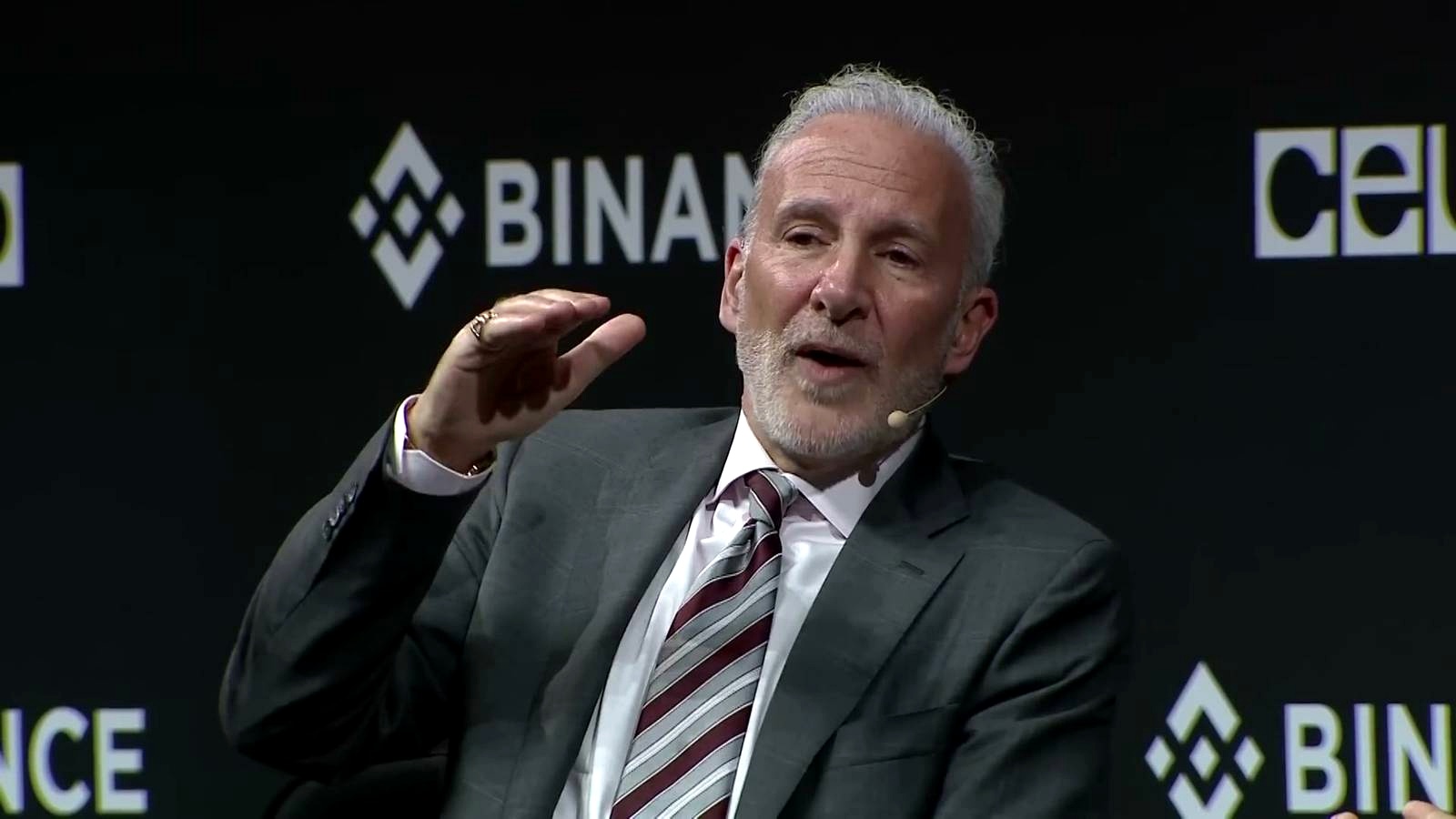
Near the end, the discussion softened again. The host said he hoped gold and digitized gold would both be successful. Peter suggested they might work together on that project, and he said he would like to get his token listed and traded on Binance.
The host welcomed him to the blockchain and digital world, while making clear that he still believed Bitcoin would do even better than gold. Peter disagreed and said he did not think Bitcoin would be able to compete with gold. The host replied that they would find out next year.
The event concluded with thanks from both sides. The host thanked Peter for coming and wished him success in digitizing gold, and Peter replied that it had been his pleasure.
FAQ
-
What is tokenized gold according to Peter?
Peter described tokenized gold as a digital token that represents ownership of allocated, vaulted gold. The gold remains stored in a vault, and the token serves as evidence of ownership that can be transferred or redeemed.
-
How can someone withdraw tokenized gold?
Peter said there would be two ways besides selling for dollars: withdrawal in physical form, such as bars or coins, or withdrawal in token form to a wallet or exchange.
-
Did the speakers agree on anything?
Yes. They agreed that digitized or tokenized gold could improve gold in some important ways, especially by making it more divisible, transferable, and transportable, as long as the physical gold exists to back it.
-
What was Peter’s main criticism of Bitcoin?
Peter argued that Bitcoin is backed by nothing and has no underlying utility comparable to gold. He said it has a price because people speculate on it, not because it has value in itself.
-
What was the host’s main defense of Bitcoin?
The host argued that virtual things can still have value and said Bitcoin has utility in transferability, verifiability, and use across borders. He also said Bitcoin is part of a broader technology for money and payments.
-
What was the point of the gold bar demonstration?
The gold bar was used to discuss issues of authenticity, trust, denomination, transport, and how tokenization could make physical gold easier to divide and transfer.
-
What did they say about using crypto for payments?
The host said crypto is already used for payments through tools like the Binance card, which lets users spend crypto while merchants receive fiat. Peter responded that this means crypto is being sold for fiat first, so it is not actually being used directly as money.
-
How did the debate end?
It ended on friendly terms. Both thanked each other, expressed good wishes, and even discussed the possibility of working together on a tokenized gold project and potentially listing such a token on Binance.
Video Reference

John Burnell focuses on Bitcoin infrastructure, wallet security and blockchain technology. He writes educational articles explaining how Bitcoin works and how the technology evolves.