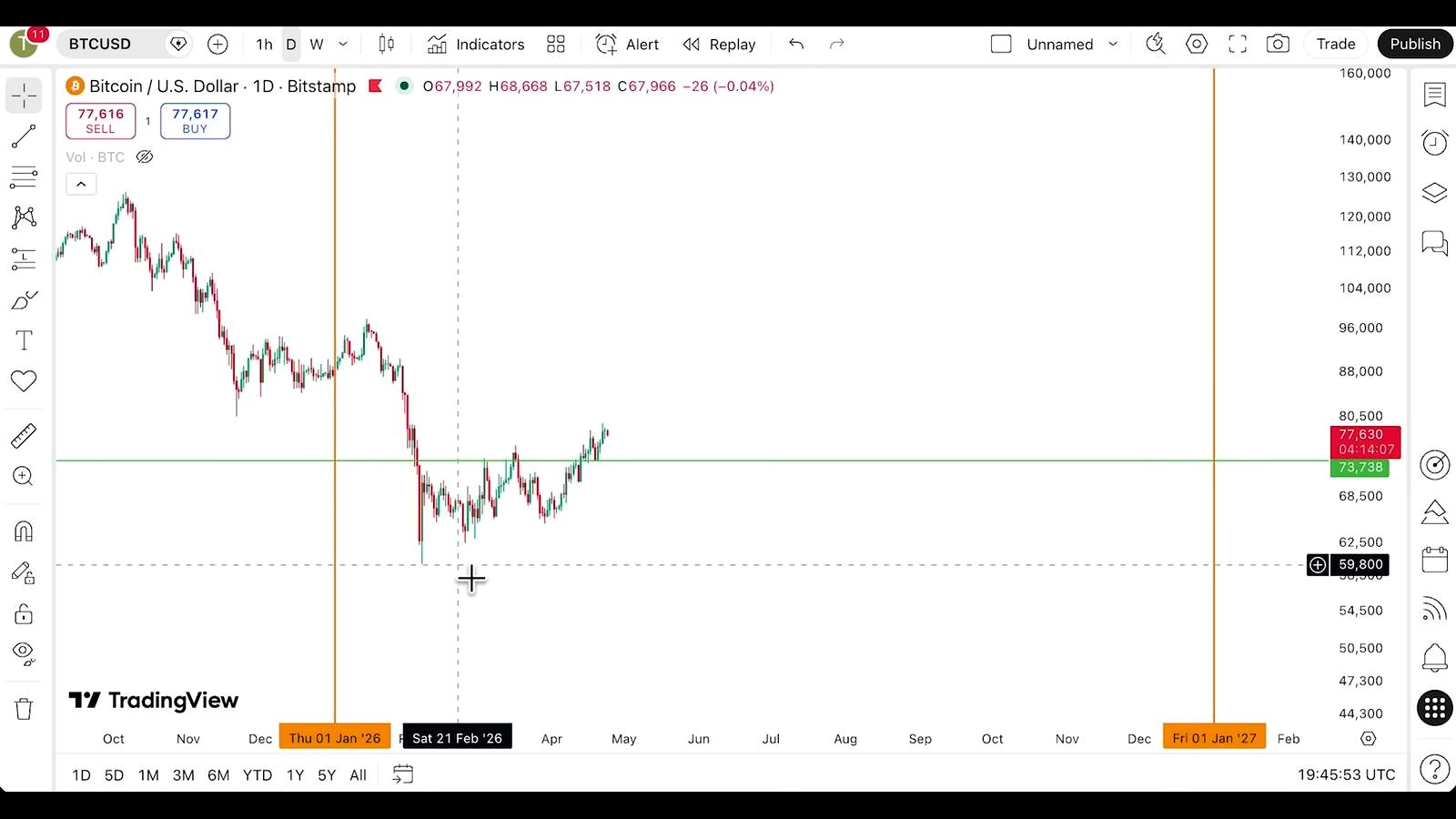
Most people do not understand what is happening with Bitcoin, according to the material provided. The core argument is that a new mechanism centered on STRC is enabling Michael Saylor’s strategy to keep buying Bitcoin at a pace that exceeds new daily supply, and that this may be a major catalyst pushing Bitcoin higher.
The discussion also presents STRC as something new in finance, tied to digital credit, yield, and ongoing Bitcoin accumulation. The idea is framed as the beginning of a broader change in how capital markets think about credit and fixed income.
Recent Bitcoin Accumulation Through STRC
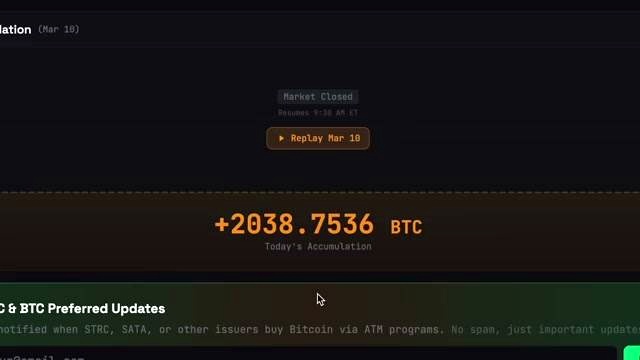
It is estimated that Michael Saylor’s strategy bought over 2,000 Bitcoin today via STRC. The material says the accumulation can be tracked live and that it is still happening.
- Near 18,000 bitcoins were bought last week.
- 1,360 were bought yesterday.
- Over 2,000 were bought today.
This is described as the catalyst pushing Bitcoin higher. The material emphasizes that most investors do not understand it because it is new and has never happened before in finance.
How STRC Is Described

STRC is presented as part of a system with what is called the “most efficient credit generator in the world.” It is described as “the biggest thing in finance” and as an instrument that may be about to have its best week yet again.
The material also refers to an “infinite money glitch” that Michael Saylor has discovered. The explanation given is that he can offer you, me, or corporations 11% annually on money while the 10-year US Treasury is said to offer only 4%.
Supply and Demand Argument
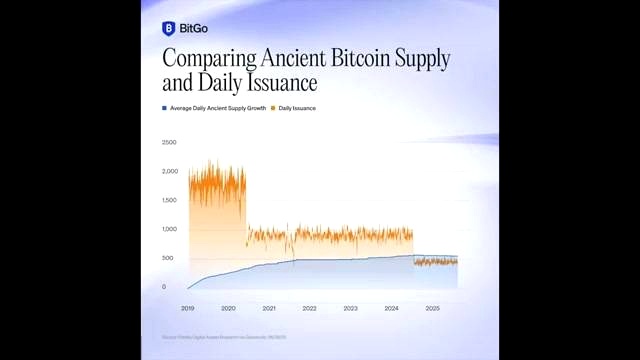
The material states that only about 450 new bitcoins are mined into existence each day. That is described as the new daily supply.
Against that backdrop, Michael Saylor is described as buying thousands of bitcoins per day, at times 2x, 3x, or 4x daily new supply. The discussion suggests that this could have major implications for the Bitcoin forecast and says the hype is growing.
Claims About Scale and Bitcoin Price
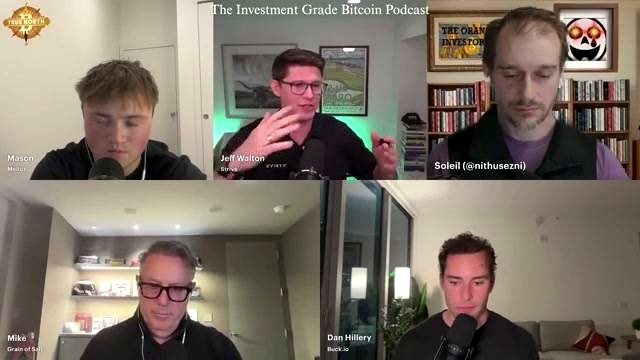
The discussion says this thing is “infinitely scalable” and could grow to 10, 20, or 30 trillion worth of issuance. The implication presented is that if that much is issued, Bitcoin’s price would eventually have to move upward.
It is stated that at some point “the price goes nuclear.” The material even includes the claim that Stretch alone is going to drive Bitcoin to a million dollars.
The Long-Term Bitcoin View Behind the Strategy
The reasoning is tied to Michael Saylor’s belief that Bitcoin is going to $21 million in 21 years, around the year 2046.
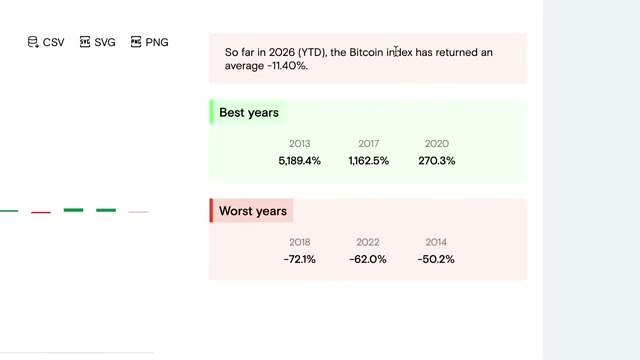
The material says he believes Bitcoin will return annually at around 28.5%, though another figure of 21% is also mentioned as something heard “both ways.” The explanation given is that Bitcoin may continue to grow exponentially, but as it approaches hundreds of trillions of dollars, growth could decelerate to about 21% a year.
At the same time, the material notes that some years Bitcoin returns are negative, while some years returns are in the 200s or even thousands. Still, the average expectation described over the next 21 years is 28.5% annually.
From Bitcoin Volatility to “Digital Credit”
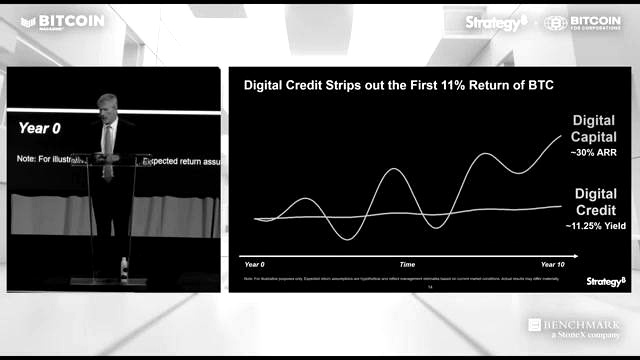
The article material explains the concept this way: people give money to buy Bitcoin now, and in return they receive a piece of that expected return. Right now, that piece is described as around 11.5.
The distinction made is between:
- Digital capital: Bitcoin, described as highly volatile and growing.
- Digital credit: A steadier, lower-volatility return offered in exchange.
The material argues that many people do not want a roller-coaster ride and do not want to get rich suddenly in the distant future after volatility. Instead, they want steady returns with very low volatility and no anxiety.
This is why digital credit is described as stripping out a smooth 11% from a very volatile 30%.
Why More Money Might Flow In
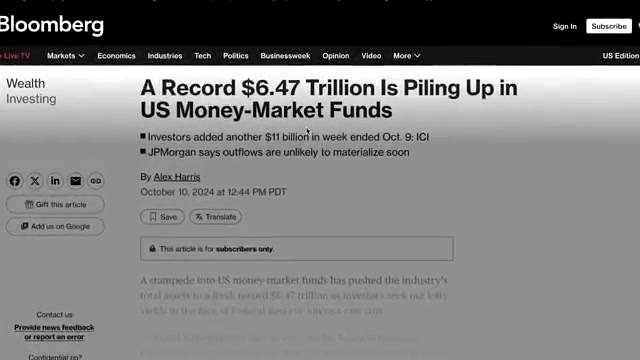
The discussion says there is over $6 trillion in US money market funds right now, earning what is described as 34%, while the entire crypto market cap is only 2.4 trillion.
Based on that comparison, the material argues that more money could start piling into this over the next few years, unless one thinks Bitcoin is going to zero.
That risk is stated clearly: this breaks if Bitcoin breaks. The entire structure depends on Bitcoin not going to zero, and on Michael Saylor’s conviction.
A Broader “Credit Revolution”
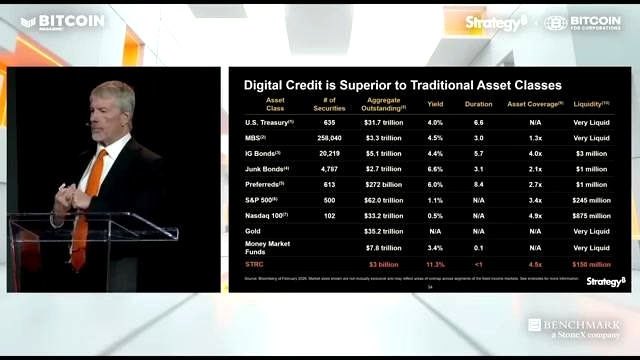
The material says most credit instruments are created by issuers trying to pay the least amount possible with the worst tax treatment. Conventional credit issuers are described as keeping the tax benefit for themselves, minimizing what they pay, and in some cases making products illegal for ordinary buyers to purchase over the counter.
By contrast, this approach is described as flipping that system on its head:
- Pay the highest possible dividend.
- Make it tax deferred.
- Make it easy to buy.
This is called the “credit revolution.” The material also mentions “tax advantaged near zero taxes,” while adding that it is a little more complicated than that.
What Could Drive Bitcoin Even Higher
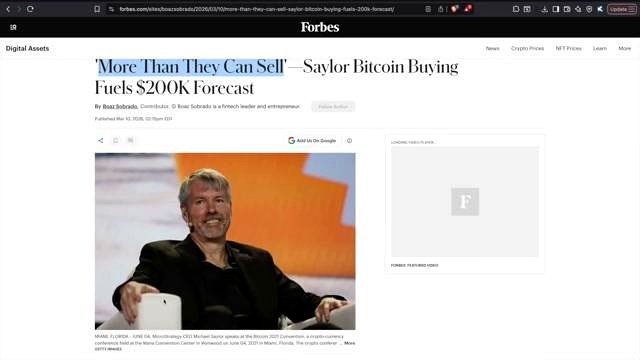
According to the material, what would really drive Bitcoin to well over $200,000 per coin is having more than one large buyer. Michael Saylor is described as buying more than can be sold, but the next stage may involve additional major participants.
Over the next one to two years, the expectation presented is that banks, including independent or regional banks, and financial institutions in general may buy this directly. They could receive the 11% yield and then create products for clients, for example offering 8% yield, which is still described as much higher than the 10-year Treasury at around 4%.
The material suggests there will be many middlemen creating financial products around this.
Is It Self-Sustaining?
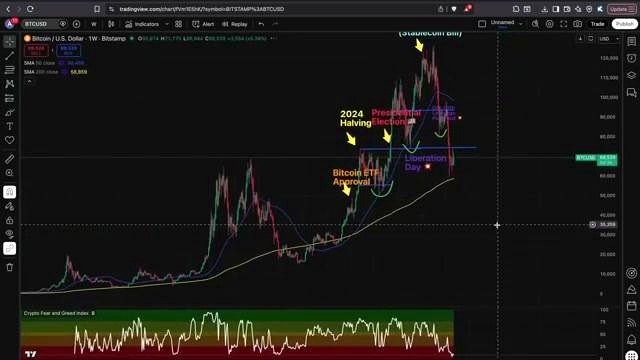
The answer given in the material is yes, as long as Bitcoin does not go to zero and Michael Saylor maintains conviction. Even in an extended bear market, the claim is that the percentage offered could be raised to 12 or 15 if needed, based on the belief that a down year could be followed by a stronger next year.
The entire model, as presented, depends on the long-term conviction that Bitcoin’s future appreciation supports the credit product built around it.
Conclusion
The material frames STRC as the beginning of a major restructuring in how capital markets think about yield. It argues that fixed income is about to be consumed, that traditional finance has not yet fully woken up, and that volume is already picking up in a major way.
The broader conclusion is that the cryptocurrency market has not reached its destination and that this process may only be beginning. In this telling, STRC is not just a product tied to Bitcoin buying, but the opening stage of a much larger shift in finance.
FAQ
What is said to have happened today via STRC?
It is estimated that Michael Saylor’s strategy bought over 2,000 Bitcoin today via STRC.
How much Bitcoin is said to have been bought recently?
The material says near 18,000 bitcoins were bought last week, 1,360 yesterday, and over 2,000 today.
Why is this described as important for Bitcoin?
Because only about 450 new bitcoins are mined each day, while Michael Saylor is described as buying thousands daily. The material presents this as a catalyst pushing Bitcoin higher.
What annual return is mentioned in connection with STRC?
The material says Michael Saylor is able to offer 11% annually, while also discussing an expected Bitcoin return of around 28.5% annually over 21 years.
What is Michael Saylor’s long-term Bitcoin belief in the material?
He is described as believing Bitcoin will reach $21 million in 21 years, around 2046.
What is the main risk identified?
The stated risk is that the model breaks if Bitcoin breaks, specifically if Bitcoin goes to zero.
What could happen next according to the material?
The material suggests more banks and financial institutions may buy this directly, take the 11% yield, and build products for clients around it.
Content Source

Omar Al-Sharif lives and works in the UAE and is involved in the blockchain technology industry. He writes articles on Bitcoin and digital assets as a personal passion, explaining complex topics in simple and understandable language.