Buying Bitcoin in Dubai is actually super easy, but doing it safely is where most people make mistakes. It is not just about clicking buy; it is about protecting your money, your data, and your future.
This guide explains how to buy Bitcoin in Dubai the safe way. It covers choosing the right platform, verifying your identity, funding your account, making the purchase, securing your Bitcoin, and staying informed in the UAE.
Why Safety Matters
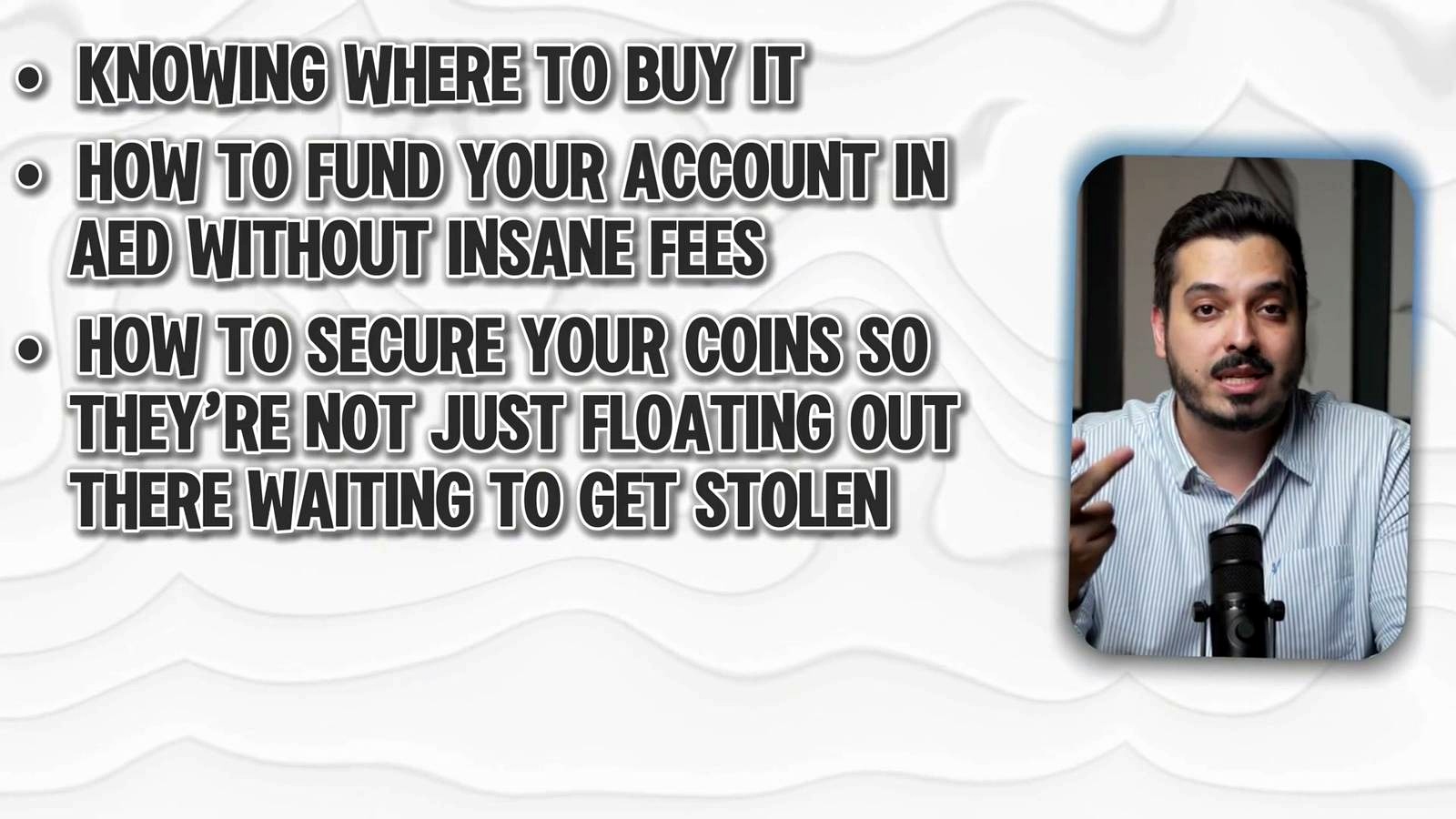
Safely buying Bitcoin in Dubai means more than avoiding scams, although that is a huge part of it. It also means knowing where to buy it, how to fund your account in dirhams without insane fees, how to secure your coins so they are not just floating out there waiting to get stolen, and how to stay on the right side of UAE regulations.
Nobody wants to buy a few thousand dirhams worth of Bitcoin and then lose it all because they did not know what they were doing. That is why the process should be broken down step by step.
Step 1: Choose the Right Platform
The first step is choosing the right platform for Dubai. In Dubai, platforms mentioned include BitOasis, Rain, and Binance, but they are not all equal when it comes to safety and ease of use.
- Rain: Regulated in Bahrain and recently regulated in Abu Dhabi. It is widely used across the UAE, and users can fund accounts in dirhams directly from a local bank account.
- BitOasis: Dubai-based and around since 2015, but it has had a rocky reputation when it comes to customer service.
- Binance: Regulated in the UAE and Dubai by the Dubai Virtual Assets Regulatory Authority. It supports UAE residents, but some nationalities are still unable to get verified and open an account.
The recommendation for beginners is to start with Rain. It is described as user-friendly, with a clean verification process, and supports local bank transfers from banks like Emirates NBD, ADCB, or FAB. Using a platform that treats dirhams like a foreign currency can lead to hidden charges every time you deposit.
Step 2: Verify Your Identity
Identity verification is part of the process and is described as a good thing. If a platform in Dubai does not require identity verification, that is presented as a major warning sign.
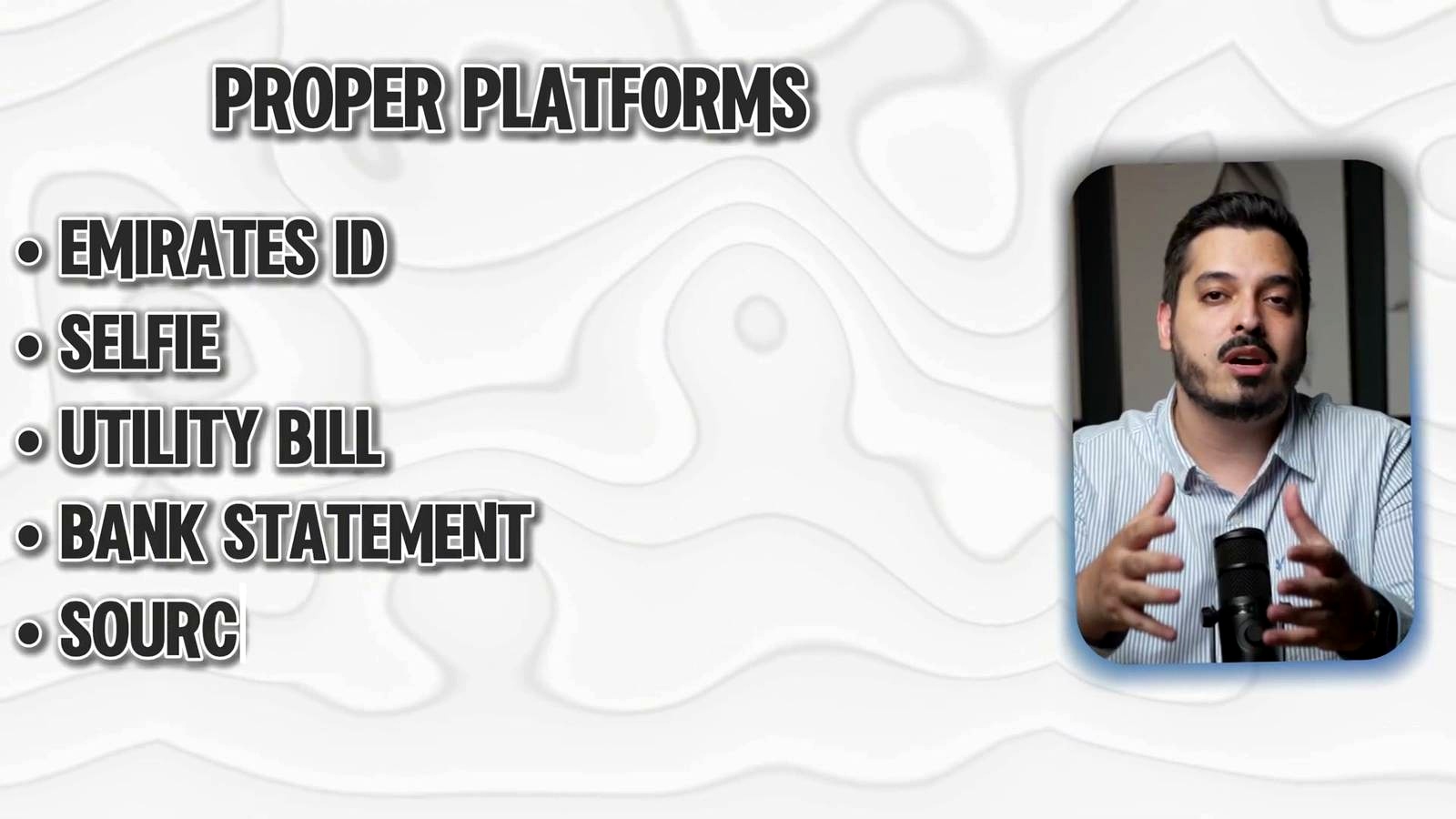
Proper platforms may ask for:
- Emirates ID
- A selfie
- A utility bill
- A bank statement
- Source of funds, if needed
This is normal and part of staying compliant with the UAE’s anti-money laundering laws. A useful tip is to complete this step on a weekday during business hours, because customer support is relatively faster if there is a problem.
Step 3: Fund Your Account
Once the account is ready, the next step is funding it. In Dubai, this is usually done through a local bank transfer. If you bank with Emirates NBD or ADCB, you can log into your bank app, send the funds, and the money is usually received within a few hours or, in some cases, a few days.
Some platforms also support credit card deposits, but caution is advised. Fees can be higher, sometimes as high as 3% or 4% of the total amount. For most people, a bank transfer is considered safer and cheaper, even if it is not as instant as a card deposit.
There is also a cash option through peer-to-peer platforms like Paxful. However, this requires extra caution:
- Always use the platform’s escrow system
- Never send money outside the system
- Never meet anyone in person without a secure public place and a friend tagging along
If safety is the goal, the preference is to stick with regulated platforms and bank transfers.
Step 4: Buy the Bitcoin
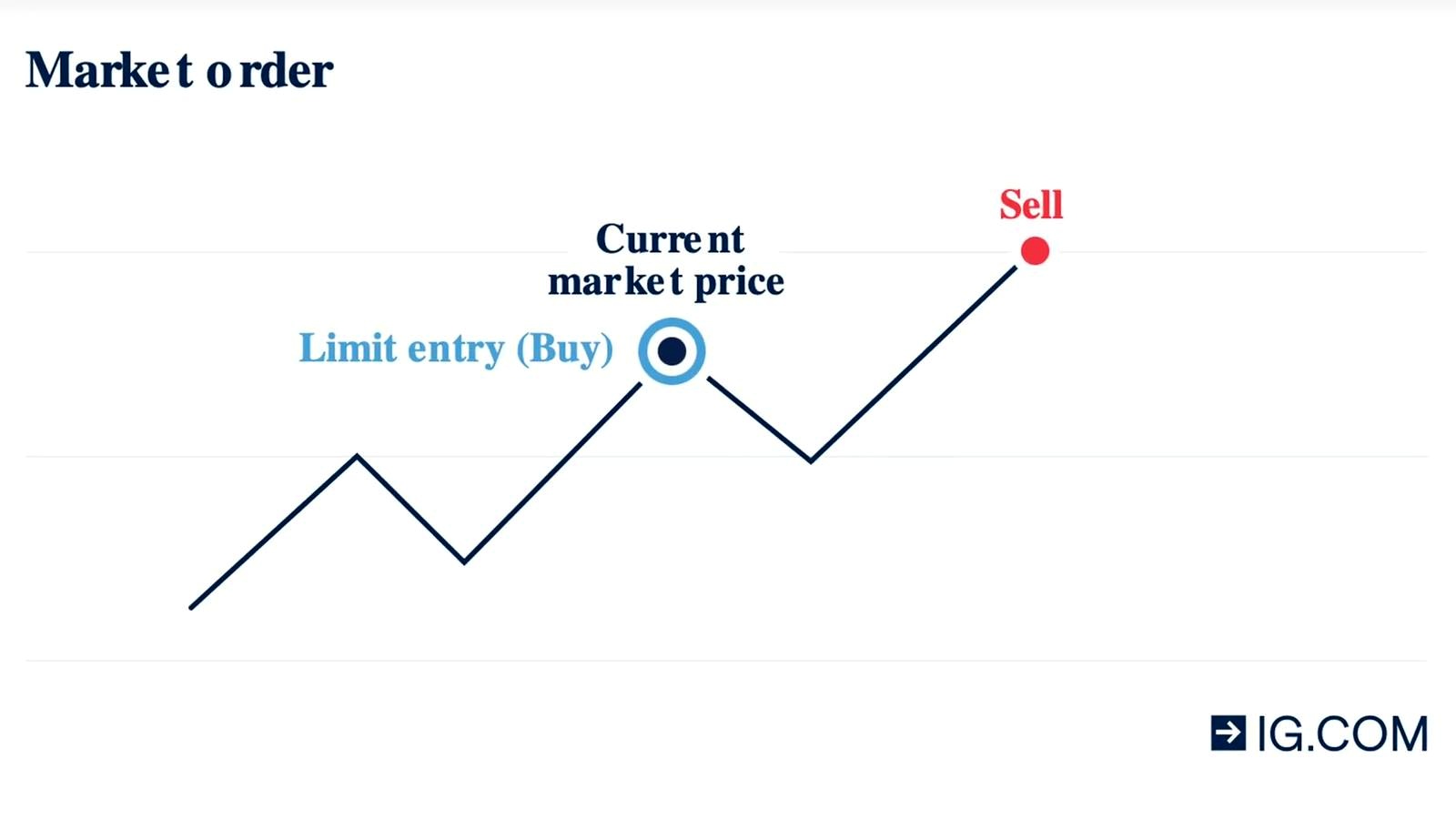
After funding the account, it is time to buy Bitcoin. On most platforms, there are two options:
- Market order: Buys instantly at the current price
- Limit order: Lets you set the price you are willing to pay and waits until the market reaches that level
For beginners, the easier option is a market order. You enter how much you want to spend, double-check everything, and hit buy. That completes the purchase.
Step 5: Get Your Bitcoin Off the Exchange
This is presented as one of the most important parts. Leaving Bitcoin on an exchange is compared to parking a Ferrari in the middle of the road with the keys on the dash and walking away. It could be fine, but it is a risk.
Instead, set up a personal crypto wallet. For something quick and easy, Trust Wallet or Exodus can be downloaded to a phone. They are described as free, secure, and giving full control.
It is important to back up the recovery phrase somewhere safe. It should not be stored in a notes app or in email. The instruction is to write it down on paper and keep it in a secure place that will not be forgotten.
For more serious amounts of money, a hardware wallet like a Ledger or a Trezor is suggested. The stated cost is about 400 to 600 dirhams, and the benefit is complete control, offline security, and peace of mind.
Step 6: Stay Secure
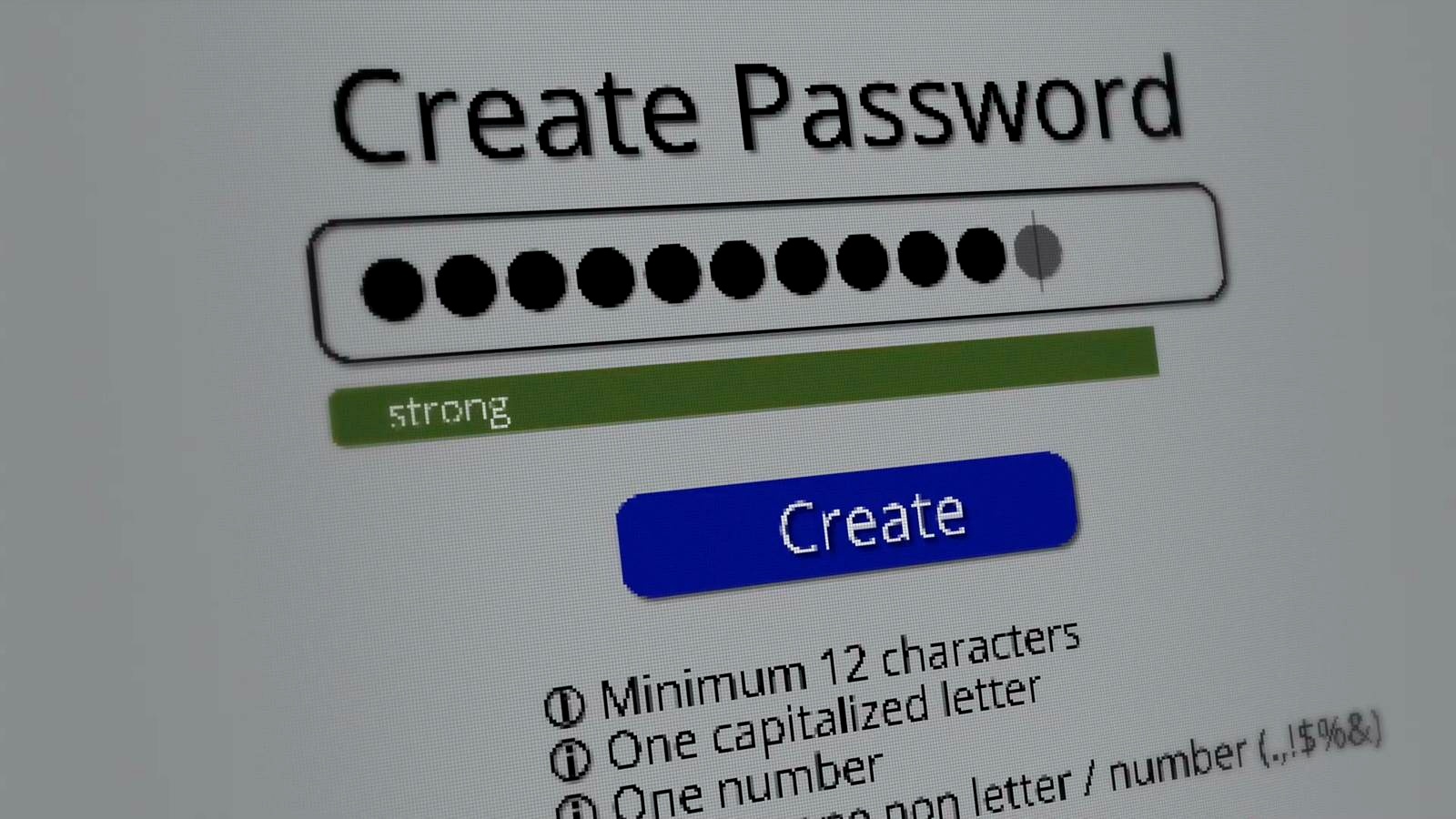
Security should always remain a priority. Key actions include:
- Enable two-factor authentication on everything
- Use strong passwords
- Never share wallet information
If someone says they are from support and asks for wallet information, that is described as a scam 110% of the time.
Step 7: Keep Learning
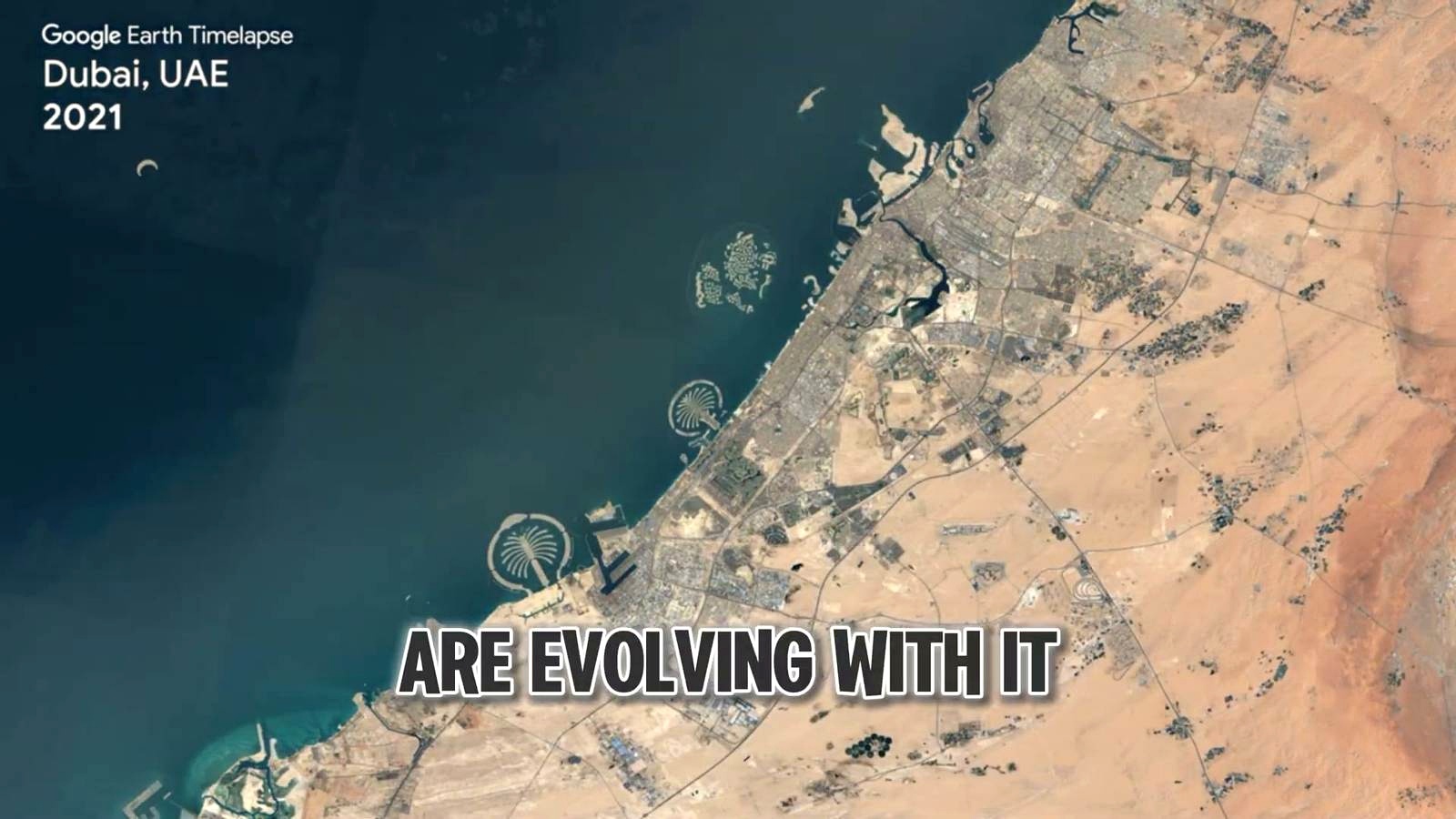
Crypto is not a one-and-done game. The space changes fast, it is volatile, and the UAE’s regulations are evolving with it.
At the moment, crypto profits are not taxed in Dubai, but that could change. The government is actively creating frameworks for web3 companies and blockchain investment, which is described as a good sign because it shows the space is maturing. At the same time, it means people need to stay informed.
The advice given is to follow SCA updates and pay attention to DFSA announcements if relevant.
A Personal Take on Security
The difference between people who win big and those who lose it all is described as coming down to how seriously they take security. Every dirham put into crypto should be treated like cash in hand.
The approach shared is simple: do not leave funds sitting on some random platform, do not trust random projects or groups, move slowly, double-check everything, and always stay in control.
FAQ
Is buying Bitcoin in Dubai easy?
Yes. Buying Bitcoin in Dubai is described as super easy, but doing it safely is the part where most people make mistakes.
Which platforms are mentioned for buying Bitcoin in Dubai?
The platforms mentioned are Rain, BitOasis, and Binance.
Which platform is recommended for beginners?
Rain is recommended for people who are brand new and want peace of mind.
Can I fund my account in dirhams from a local bank?
Yes. Rain allows funding in dirhams directly from a local bank account, and local transfers from banks like Emirates NBD, ADCB, or FAB are mentioned.
Do I need to verify my identity?
Yes. Proper platforms will ask for identity verification, such as Emirates ID, a selfie, and sometimes additional documents. This is described as normal and part of compliance with UAE anti-money laundering laws.
Is bank transfer better than credit card deposit?
For most people, bank transfer is described as safer and cheaper. Credit card deposits may involve higher fees, sometimes as high as 3% or 4%.
Can I buy Bitcoin with cash?
Yes, through peer-to-peer platforms like Paxful. However, extra caution is required, including using escrow, never sending money outside the system, and only meeting in a secure public place with a friend tagging along.
Should I leave my Bitcoin on the exchange?
No. The guide strongly advises moving Bitcoin off the exchange and into a personal wallet.
What wallets are mentioned?
Trust Wallet and Exodus are mentioned as quick and easy options. Ledger and Trezor are mentioned as hardware wallets for more serious amounts of money.
What security steps should I take?
Enable two-factor authentication on everything, use strong passwords, never share wallet information, and back up your recovery phrase safely on paper in a secure place.
Do crypto regulations in the UAE change?
Yes. The guide says the UAE’s regulations are evolving, so it is important to stay informed and follow SCA updates and DFSA announcements if relevant.
If you understand these steps, you are already ahead of many people who are just winging it with crypto in Dubai. The main message is clear: buy carefully, secure everything, and stay informed.
Video Source

John Burnell focuses on Bitcoin infrastructure, wallet security and blockchain technology. He writes educational articles explaining how Bitcoin works and how the technology evolves.