Coin burning is a cryptocurrency practice used to reduce the supply of tokens in circulation. It became popular around 2017 and has since been widely used across both large and small crypto projects.
Understanding how coin burning works, why developers do it, and where it is used can help explain its role in cryptocurrency markets. It can affect token supply, perceived scarcity, and blockchain participation in some systems.
What Coin Burning Means
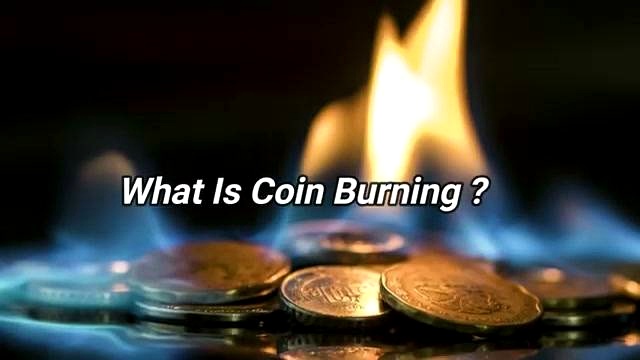
Coin burning is the process of sending a cryptocurrency token on purpose to an address that cannot be used for wallet storage in order to remove the token from circulation.
This address may be called a burn address or an eater address. It is not accessible to anyone and may not be issued to anyone. Once a token has been sent to a burn address, there is no way to retrieve it again.
How the Process Works
Burning a cryptocurrency is possible for everyone who owns that cryptocurrency. However, it is not something most people would want to do for no reason, because it would essentially mean throwing money away.
Most of the time, the creators of the coin are the ones who decide to destroy a predetermined quantity.
Why Developers Burn Tokens

Coin burning reduces the quantity of a cryptocurrency’s tokens, making those tokens more difficult to get. This shortage might lead to a rise in price, which can be beneficial to investors.
At the same time, there is no assurance that the value of the cryptocurrency will go up as a result. In fact, many people see very little to no gain in doing so.
Main Reasons for Coin Burning
- To reduce token supply
- To make tokens more difficult to obtain
- To potentially increase value
- To help bring down a high inflation rate
- To support proof of burn systems for adding fresh blocks of transactions
Risks and Concerns Around Coin Burning

Coin burning can also be used to trick crypto investors. Developers may give the impression that they are burning tokens when they are actually only moving those tokens to a wallet they own.
To avoid this, it is essential to conduct research on the cryptocurrency you are investing in.
How Burning Can Conceal Large Holdings
Developers may potentially destroy tokens in order to conceal whales or users who control significant amounts of a coin.
For example, a programmer could release a new cryptocurrency with 1 billion tokens, keep 100 million for themselves, and then destroy 600 million. Based on the original total supply, it may appear that the developer controls 10 percent of the supply. However, after the burn, the developer’s share of the tokens still in circulation is much higher.
How Coin Burning Began
The practice of destroying coins by burning them goes back to a time far before the advent of Bitcoin. It is extremely comparable to stock buybacks and most likely took inspiration from them.
A stock buyback occurs when the firm that first issued the shares purchases those shares again at the current market price and reabsorbs them, lowering the number of shares available on the market.
Buybacks and coin burning are not exactly the same thing, but they are related ideas that can accomplish similar goals in different ways.
Growth Since 2017
In 2017 and 2018, multiple cryptocurrencies such as Binance Coin, Bitcoin Cash, and Stellar burned tokens in an effort to reduce supply and increase prices. Since then, coin burning has gained popularity among cryptocurrency users.
More recently, the tactic has become widespread among newer cryptocurrency projects that launch with a significant number of available tokens.
One reason for this growing popularity is that it enables cryptocurrencies to begin at low costs and then artificially enhance their value once people have invested in them. A new cryptocurrency could launch with 1 trillion tokens and only be worth a fraction of a cent each, which may still attract investors. Later, developers may decide to destroy billions of tokens in order to drive up the price.
What Coins Can Be Burned?
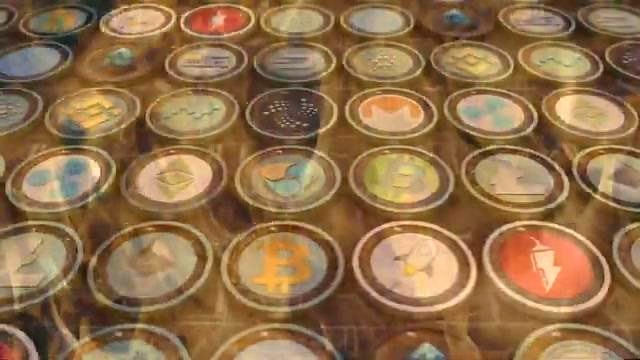
Every coin has the potential to be destroyed because any cryptocurrency can be sent to a burn address. This means cryptocurrency can be burned using any of the cryptocurrencies currently in circulation.
Examples of Burned Tokens
- BNB: Since 2017, the cryptocurrency exchange known as BNB has been conducting quarterly burns of its own Binance Coin. The exchange has said it will continue until 50 percent of the total supply is taken out of circulation.
- Stellar: In 2019, the Stellar Development Foundation destroyed more than half of Stellar’s total supply, equal to 55 billion XLM coins.
- Shiba Inu: In 2021, the developers of Shiba Inu gave 50 percent of the available supply to Vitalik Buterin. He donated part of the tokens and burned the remaining 90 percent of them.
What Is Proof of Burn?

Proof of burn is a consensus mechanism that blockchains can use to validate and append transactions. Its purpose is to deter fraudulent activity and ensure that only legitimate transactions are processed.
A consensus algorithm is the method through which a blockchain confirms transactions. A blockchain is a record of all transactions that have occurred involving a cryptocurrency.
How Proof of Burn Works
Proof of work and proof of stake are the two consensus techniques used most frequently. Proof of burn is a more recent alternative.
In a cryptocurrency system that uses proof of burn, miners are required to destroy some of their own tokens before they are granted permission to mine fresh blocks of transaction data. The more tokens they destroy, the more resources can be mined in exchange for their participation.
Participants are rewarded in the cryptocurrency they are mining. In some proof-of-burn cryptocurrencies, miners must first destroy an equivalent amount of the same cryptocurrency they are mining. In others, miners can destroy other forms of cryptocurrency.
Why Proof of Burn Is Used
Proof of burn is considered an advantageous method for validating transactions because it is a quick way to do so and does not require as much energy as the proof of work model.
Applications of Coin Burning
Coin burning has several uses in cryptocurrency systems and projects.
- It may assist in increasing a cryptocurrency’s value, although this is not guaranteed.
- It can help lower a high inflation rate to a more manageable level.
- It can be used by blockchain participants to add fresh blocks of transactions through proof of burn currencies.
There have been instances in which the price of certain cryptocurrencies increased after tokens were destroyed, but that outcome is not certain.
Final Perspective on Coin Burning
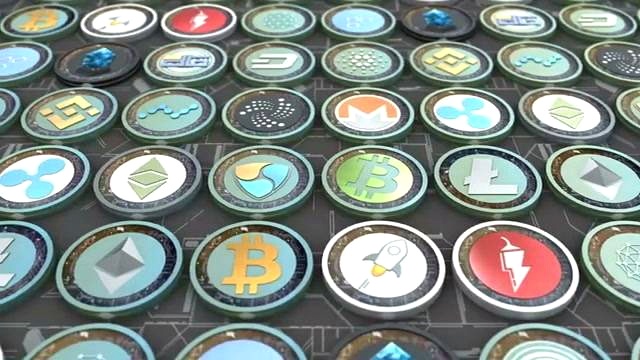
Coin burning on its own is not sufficient evidence to determine whether a cryptocurrency is a worthwhile investment. There are good cryptocurrencies and terrible cryptocurrencies that both burn tokens.
Knowing how the process works can provide a better understanding of cryptocurrencies that use coin burning and the role it plays in their structure.
FAQ
What is a burn address?
A burn address, also called an eater address, is an address that is not accessible to anyone and may not be issued to anyone. Tokens sent there cannot be retrieved.
Can anyone burn cryptocurrency?
Yes. Burning a cryptocurrency is possible for everyone who owns that cryptocurrency, although doing so without a reason would essentially mean throwing money away.
Does coin burning always increase price?
No. There is no assurance that the value of the cryptocurrency will go up as a result of burning, and many people see very little to no gain.
Why do crypto projects burn tokens?
Projects burn tokens to reduce supply, potentially increase scarcity, help control inflation, and in some systems support proof of burn participation.
Is coin burning ever misleading?
Yes. Developers can make it seem like they are burning tokens when they are actually moving them to a wallet they control. That is why research is essential.
What is proof of burn in blockchain?
Proof of burn is a consensus mechanism in which miners destroy tokens before being allowed to mine fresh blocks of transaction data.
What are some examples of coin burns?
Examples mentioned include BNB quarterly burns, Stellar destroying 55 billion XLM coins in 2019, and Shiba Inu tokens burned in 2021.
Original Source

An Indian crypto journalist covering the developments in the Bitcoin and blockchain industries. Her work helps readers understand key changes in the world of digital assets.