The conversation opened with praise for CZ and quickly moved into several major topics: a recent debate moment involving Peter Schiff, CZ’s experience under regulatory pressure, his views on Bitcoin adoption, and his current work after stepping back from Binance. Across the discussion, he described a personal philosophy focused on dealing with challenges directly and doing his best to make a positive contribution.
He also spoke about how the crypto landscape has changed, especially in the way governments and institutions now approach Bitcoin and crypto. Alongside that, he outlined why education, government advisory work, and support for innovation have become central parts of his current efforts.
The Peter Schiff Gold Bar Moment
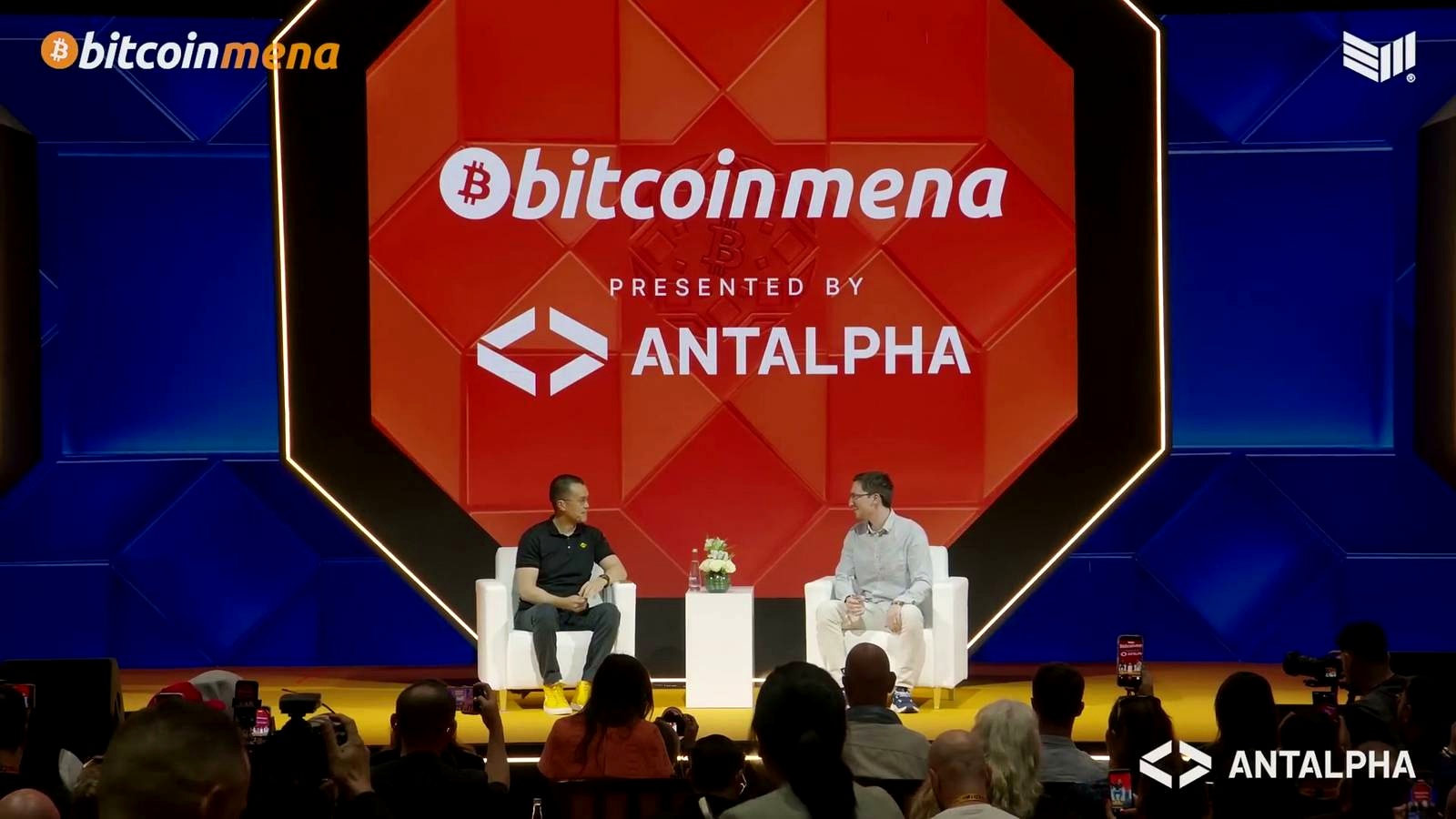
At the start of the discussion, the host brought up the gold bar CZ had presented to Peter Schiff a few days earlier and asked how that debate moment happened.
CZ said he had planned two tricks. The first was tied to Schiff launching tokenized gold. As host, CZ planned to give Schiff time to talk about the project, which would lead him into discussing the benefits of blockchain. CZ’s intended response was to repeat the point back to him: that he liked blockchain better than gold. He said that part did not come out as strongly as he wanted.
He also prepared the gold bar itself. Since Schiff likes to talk, CZ said he expected to let him do most of the talking. In the end, the gold bar moment was the part the internet carved out, and CZ said that was great. He described it as a two-minute clip that even went viral.
Being a High-Profile Regulatory Target
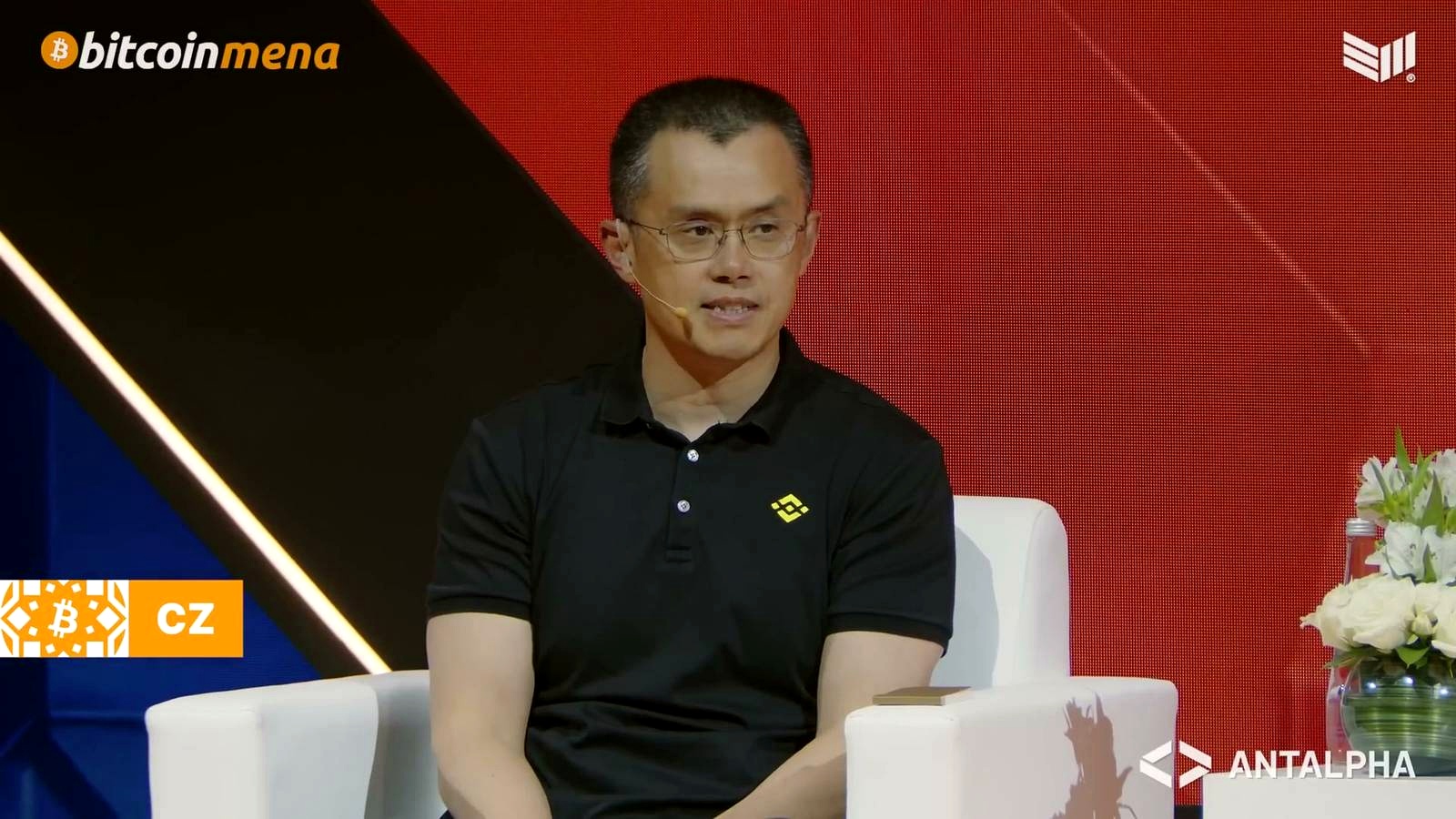
The host then asked what it was like being the number one highest-profile target of operation chokepoint 2.0. CZ said that, as the operator of the largest crypto exchange for seven or eight years and the largest centralized platform, Binance was naturally the first place regulators looked when they looked at crypto.
He said Binance received regulatory warnings five years earlier and became the most scrutinized platform. According to CZ, this meant being first to deal not only with regulators but also with prosecutors. He emphasized that there was no precedent and that nobody else had solved that problem before, which left a great deal of uncertainty.
CZ explained that his view on life is that life is a simulation, with many challenges programmed in front of you. In that framework, he said there is no way to avoid challenges and that the practical approach is simply to solve them.
Jail, Uncertainty, and Stepping Down as CEO
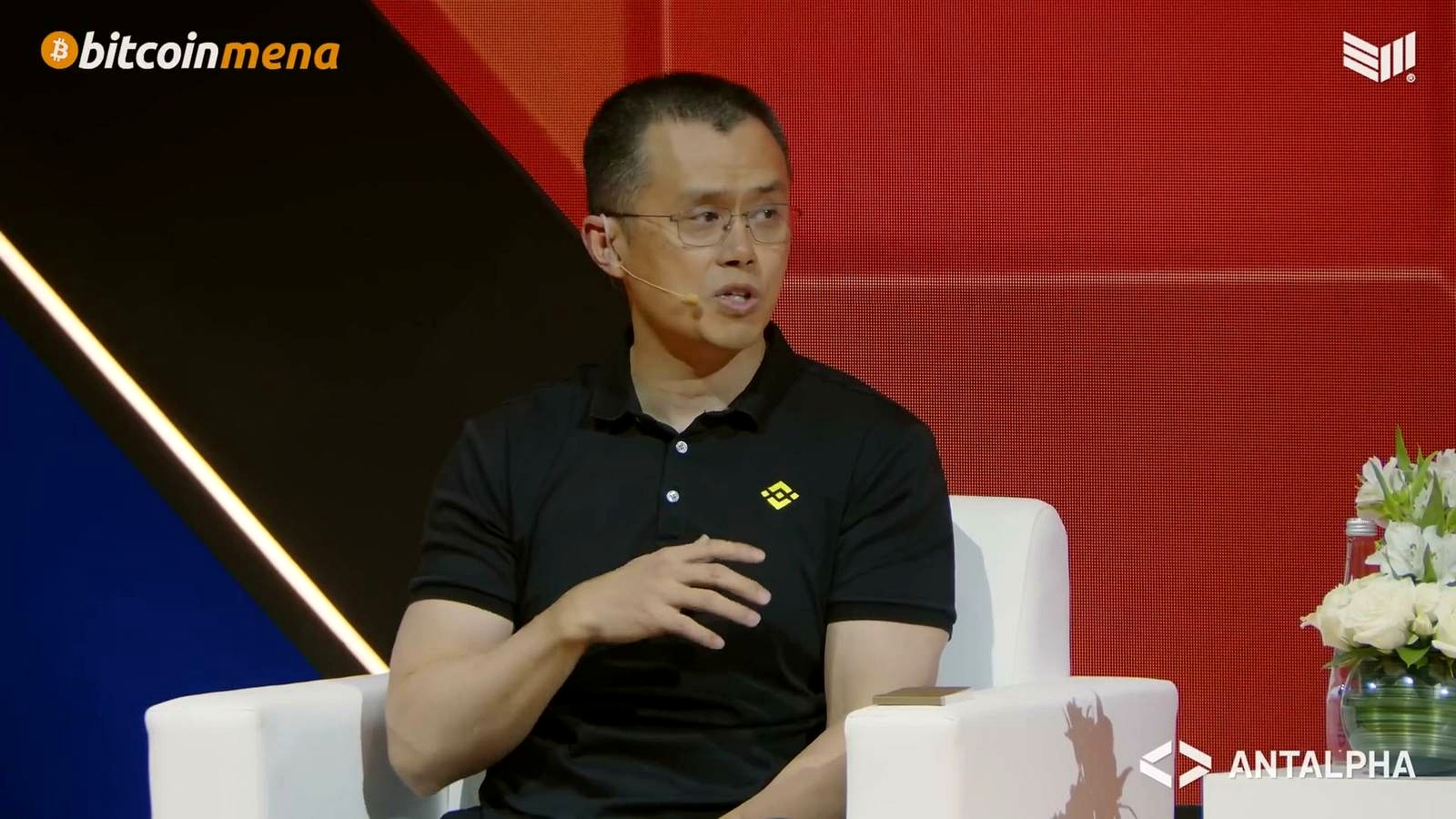
CZ said he honestly did not think he would go to jail in the United States because, in his words, no one had gone to jail for a single violation of a banking secrecy act. He expected perhaps six months of home confinement, which he said would have been fine as long as there was internet. He added that prison was more difficult because there was no internet.
When asked about the experience, he said the most frightening part was the uncertainty. He did not know whether there would be another charge or whether he might be kept there indefinitely.
He described his decision as simple. If he did not go, he said many people could potentially have been charged, which would not have been good for Binance, the co-founders, employees, BNB holders, or anybody in the crypto industry. He viewed it as the right decision for everyone, including himself.
CZ also said stepping down as CEO was difficult, but after seven years in the role he was happy to step down. He added that if he had quit on his own, people might have said he ran out of stamina, whereas being forced to step down allowed him to retire and let others carry on.
The Pardon and a Changed View of the United States
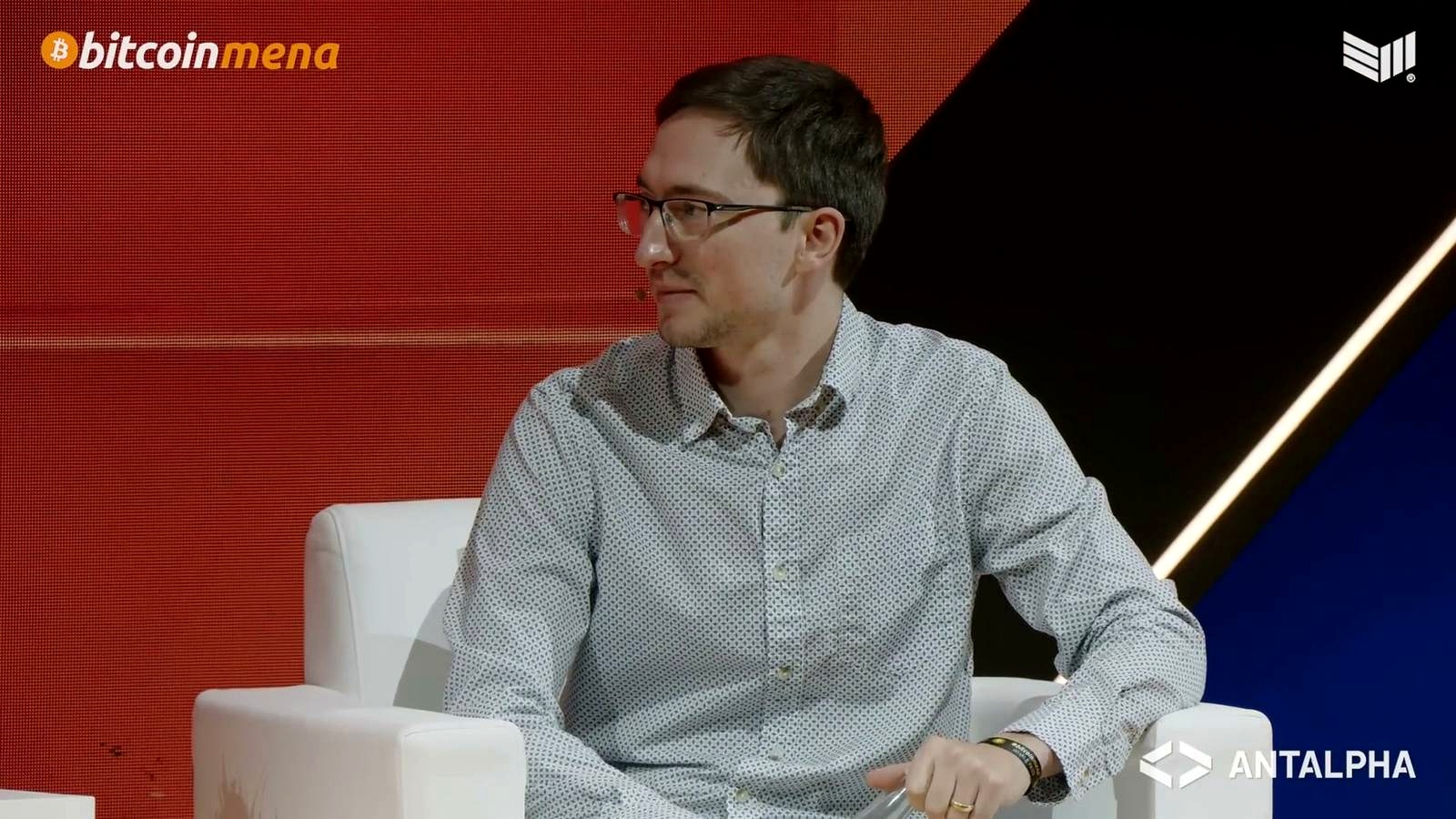
The host asked what it was like to receive a pardon from President Trump. CZ called it an emotional event and said his first reaction was relief and a sense of justice.
He said it completely changed his perception of the United States. In his view, the country claims freedom, democracy, justice, and fairness, and the pardon made him feel that the United States was now a fair and just country again, at least from his perspective.
He added that he wants to help make the United States the capital of crypto again and said there is more work to do.
Talking to Governments About Crypto
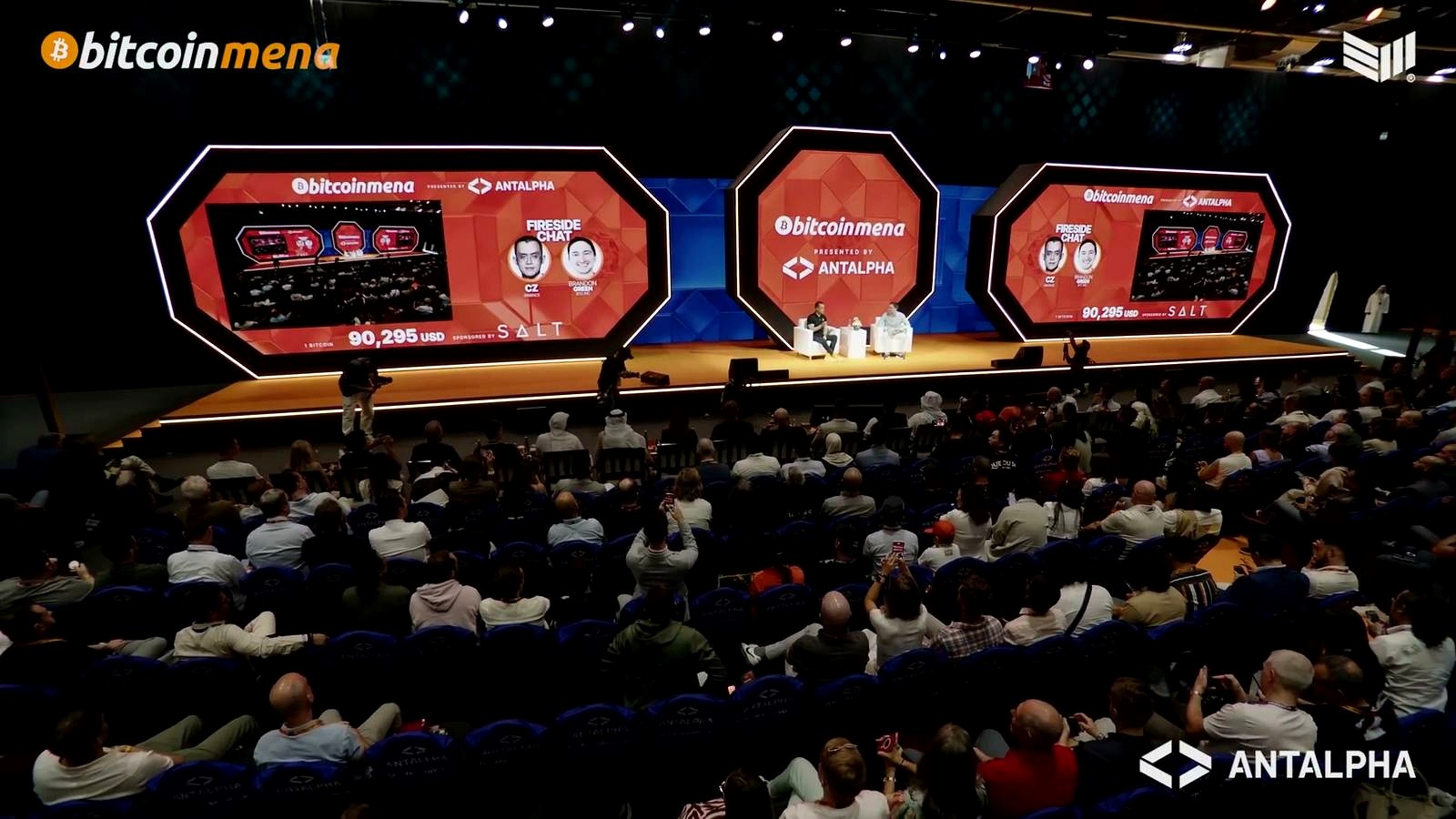
The discussion then turned to CZ’s conversations with governments around the world. He said that three or four years ago, the questions from governments were basic: what is crypto, and why should we adopt it? Now, he said, the question is how.
According to CZ, the governments he speaks with are no longer asking the first two questions. Instead, they are asking:
- How do we regulate crypto?
- What are good regulations and bad regulations?
- How do we regulate exchanges?
- How do we protect consumers?
- How do we regulate stablecoins?
- How do we set up a national crypto reserve?
- How do we do tokenization?
- How do we issue national bonds?
- How do we tokenize oil and other reserves?
He said that many of the people involved are smarter than he is, but he has become known as “the crypto guy,” so many want to speak with him. He described this work as meaningful and said that, now that he is free from the day-to-day management of Binance.com, he can spend time advising governments on crypto regulation.
He believes this may have more positive impact on people around the world than if he were still working at Binance.com.
From a Village in China to Advising Governments
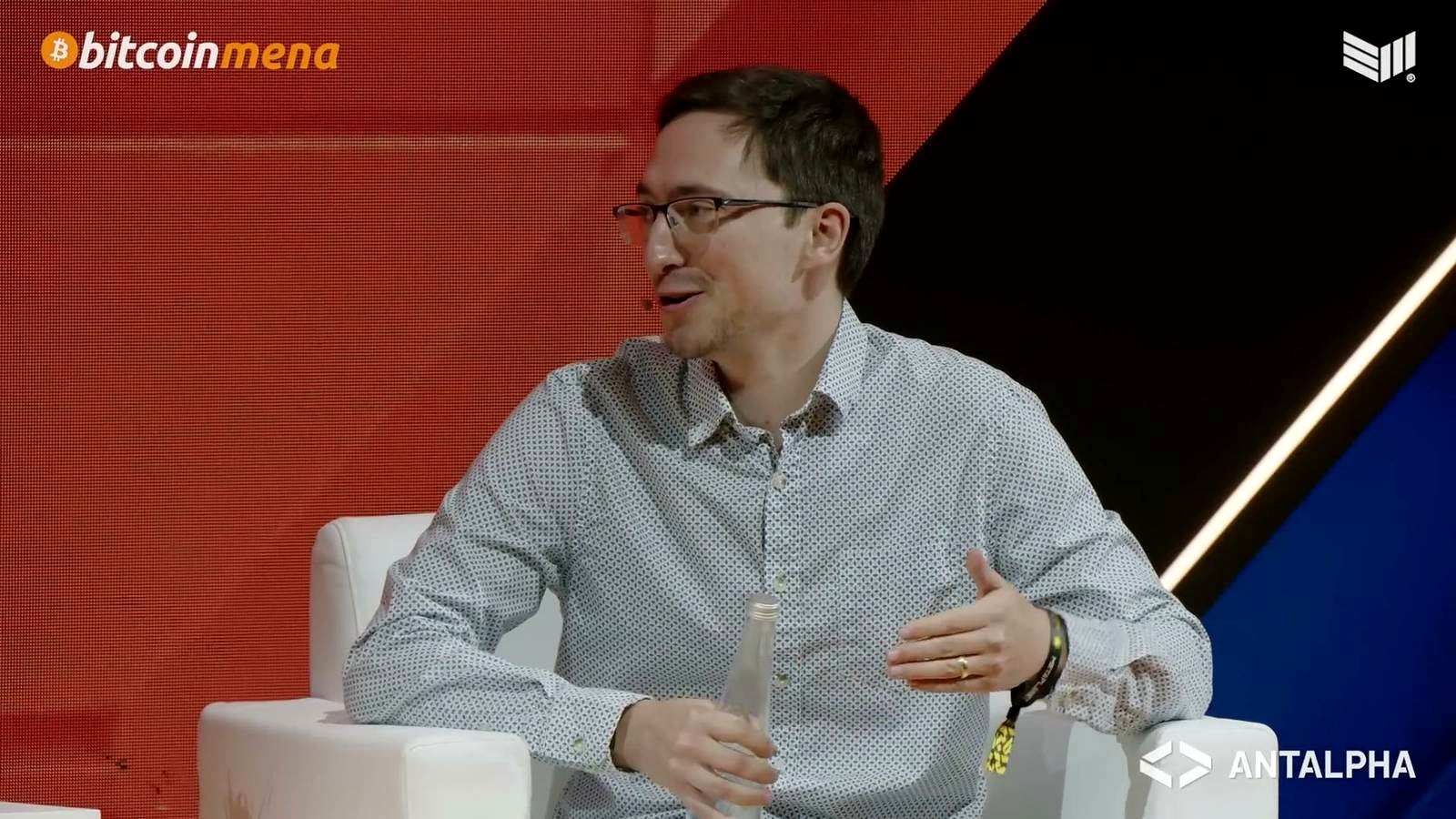
The host noted that CZ grew up on a farm in China and is now speaking with governments about Bitcoin. CZ said he believes in simulation theory and that, without it, there would be no way to explain how a kid from a village with no running water and no electricity could later build a successful business, become wealthy, and advise governments on policy for the industry.
Even so, he said his approach remains simple: whatever situation is in front of him, he tries to do his best.
When asked whether the child version of himself could have believed any of this, CZ answered no, saying there was absolutely no way to imagine it.
The Next Chapter: Giggle Academy and Broader Support
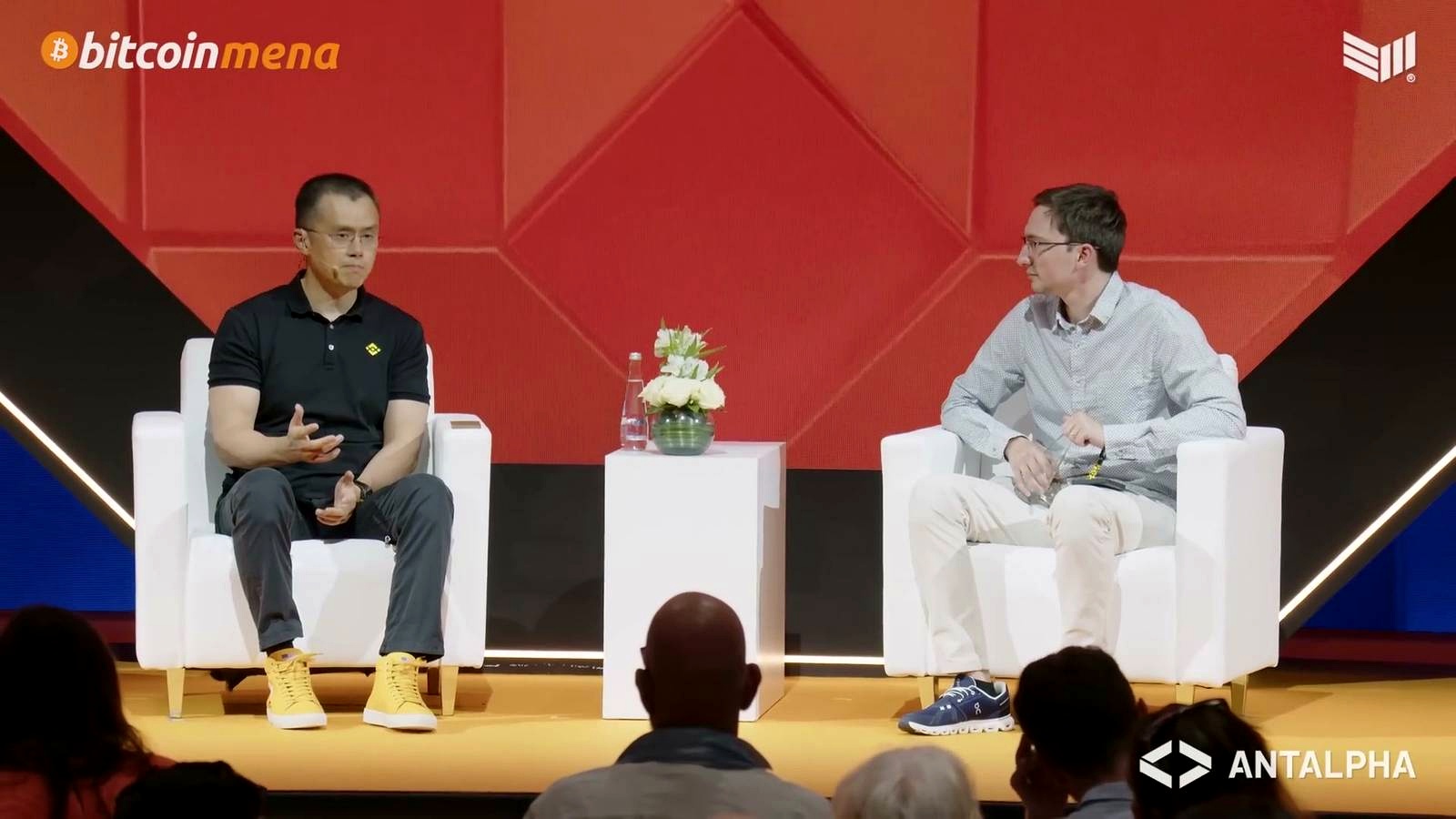
Asked about his next chapter, CZ said Giggle Academy is his pet project right now. He described it as a free education platform for people who do not know it.
He explained how he thought about what to do next. He said fame and legacy do not matter much to him. Money does not matter much either, and he said he does not spend a lot. Power also does not matter much to him, pointing out that he already stepped down as Binance CEO.
What matters to him, he said, is being able to look back when he is old and tell himself that he did his best. In his view, if someone has high abilities, they need to do more; if they have less ability, they can contribute less. Either way, people should do their best and leave a little positive contribution to the world.
That is why he chose education. He said a free education platform that is completely digitized, gamified, and individualized, and aimed at people who do not have education, is probably the biggest positive impact he can make.
He said he is very happy every time he works on the project, and that Giggle Academy currently reaches about 90,000 kids after about a year of work.
He added that there is still a great deal to improve in the product, including features and content, and that he will continue working on it. Beyond that, he said he is helping with YZi Labs investments in blockchain, AI, and biotech, and mentoring many projects in the space, including BNB Chain projects and other AI projects. He described his current role as more of a coaching role and said he enjoys it.
Donations and Support for Education
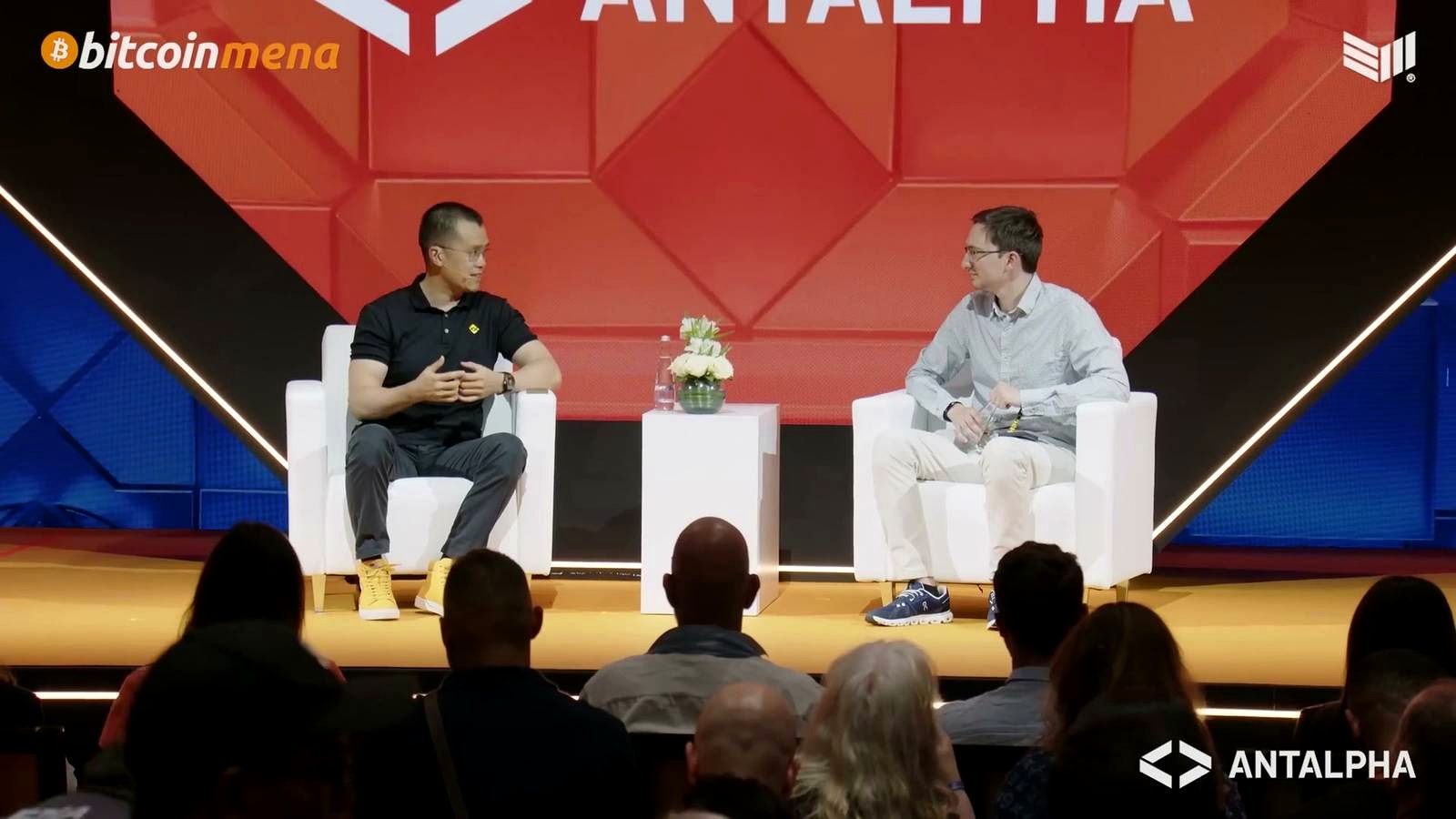
CZ said he has only spent around two to three million dollars on Giggle Academy, but many people wanted to donate. For a long time, he did not want to accept donations because he wanted to build the platform first and make sure there was product-market fit. He did not want to take donations, waste them, and then cancel the project.
Once donations were finally opened for about a month, he said the project received 11 million dollars worth of donations. As a result, he noted that the project now has more money than he has spent on it. He said this shows that many people are contributing to good causes.
Bitcoin Adoption in the Current Cycle
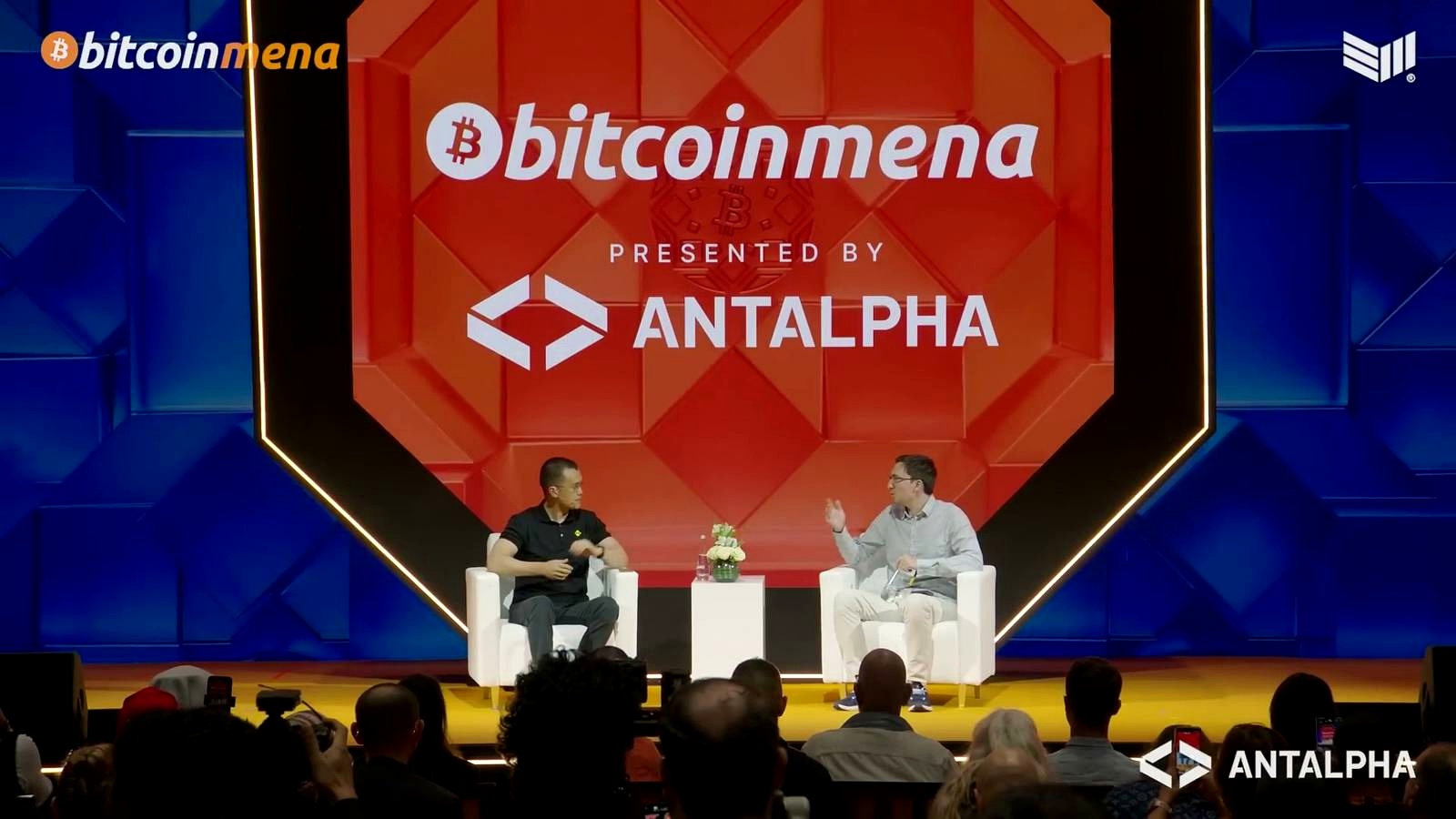
The host asked about Bitcoin ETFs, treasury companies, institutions entering the market, and strategic reserves. CZ said he is not super surprised, but he does think this cycle is different from previous cycles.
He said this cycle is driven by institutional adoption, especially from Wall Street, whereas earlier cycles were mostly retail-driven. According to him, this time more institutions have entered than in previous cycles, while the retail rush has not yet happened.
Still, he sees this as very good for crypto. He said the market is now bridging the gap between crypto as a grassroots movement and Wall Street participation. He also noted that the United States is the largest institutional market in the world and said this institutional participation is spilling over into other countries as well.
CZ said many funds now have Bitcoin exposure through ETFs and mentioned that Michael Saylor was speaking after the session and “selling everyone Bitcoin.” He said the rise in adoption is fantastic.
The Four-Year Cycle and the Possibility of a Super Cycle
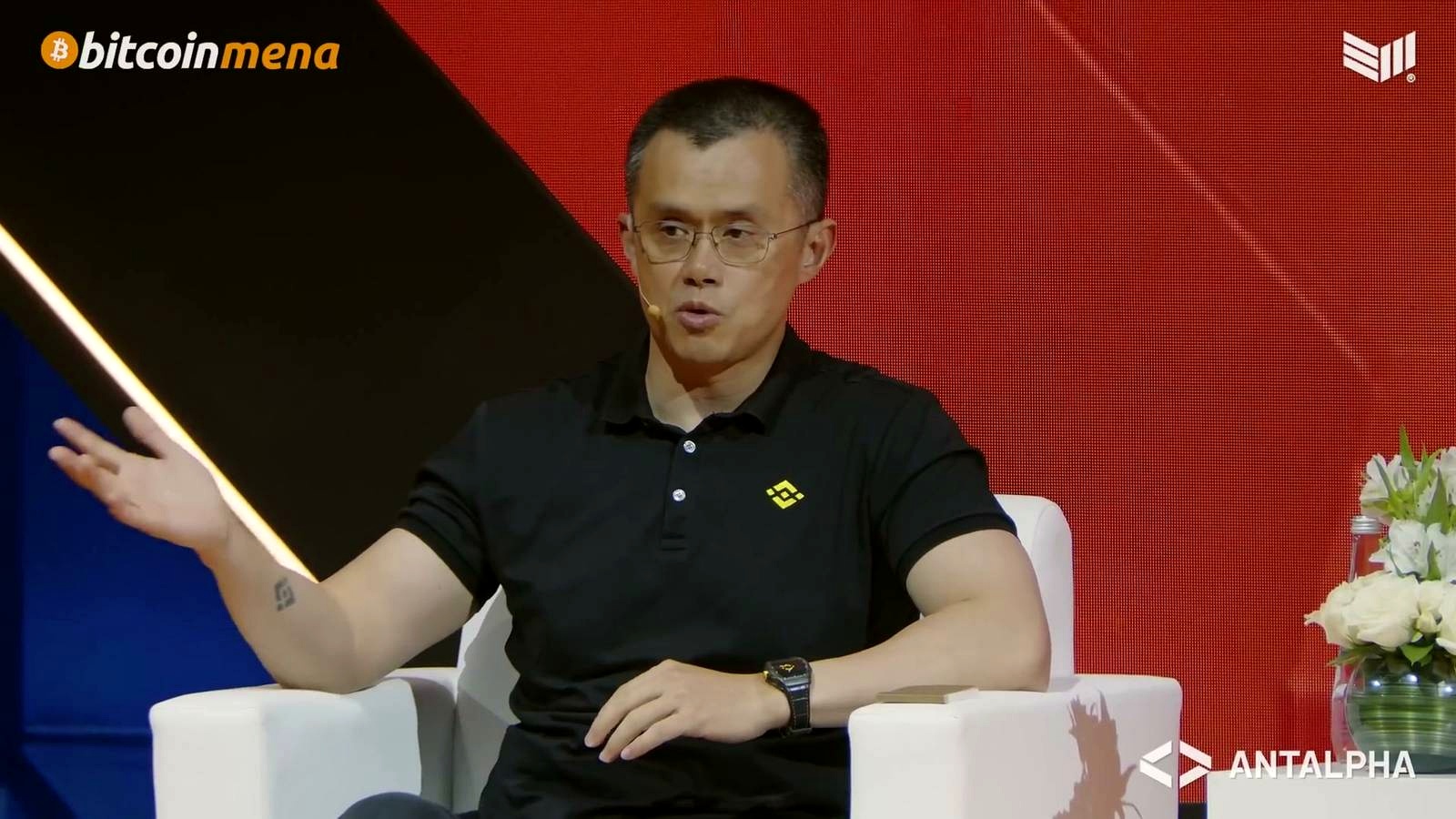
When asked whether the four-year cycle is dead, CZ said that in one sense it would be better if it were. He explained that if the old four-year cycle still held, December would typically be the peak and the following year or two would likely bring crypto winter.
However, he said there is another force at play: President Trump. CZ said he thinks President Trump uses the stock market as a benchmark and pointed to coming rate cuts and quantitative easing, which he said would push the stock market.
He also agreed with the idea that macro conditions had been headwinds since 2022 and that conditions were beginning to turn more dovish. CZ said that when stock markets do well, people have cash, diversify their holdings, and participate in crypto as well. Since crypto is much smaller than the stock market, he said crypto is “kind of tethered.”
He said this force could be strong enough to offset the four-year cycle and suggested that the market may be seeing a “super super cycle,” while also adding that he is not sure.
What Surprised Him About Bitcoin’s Adoption Path
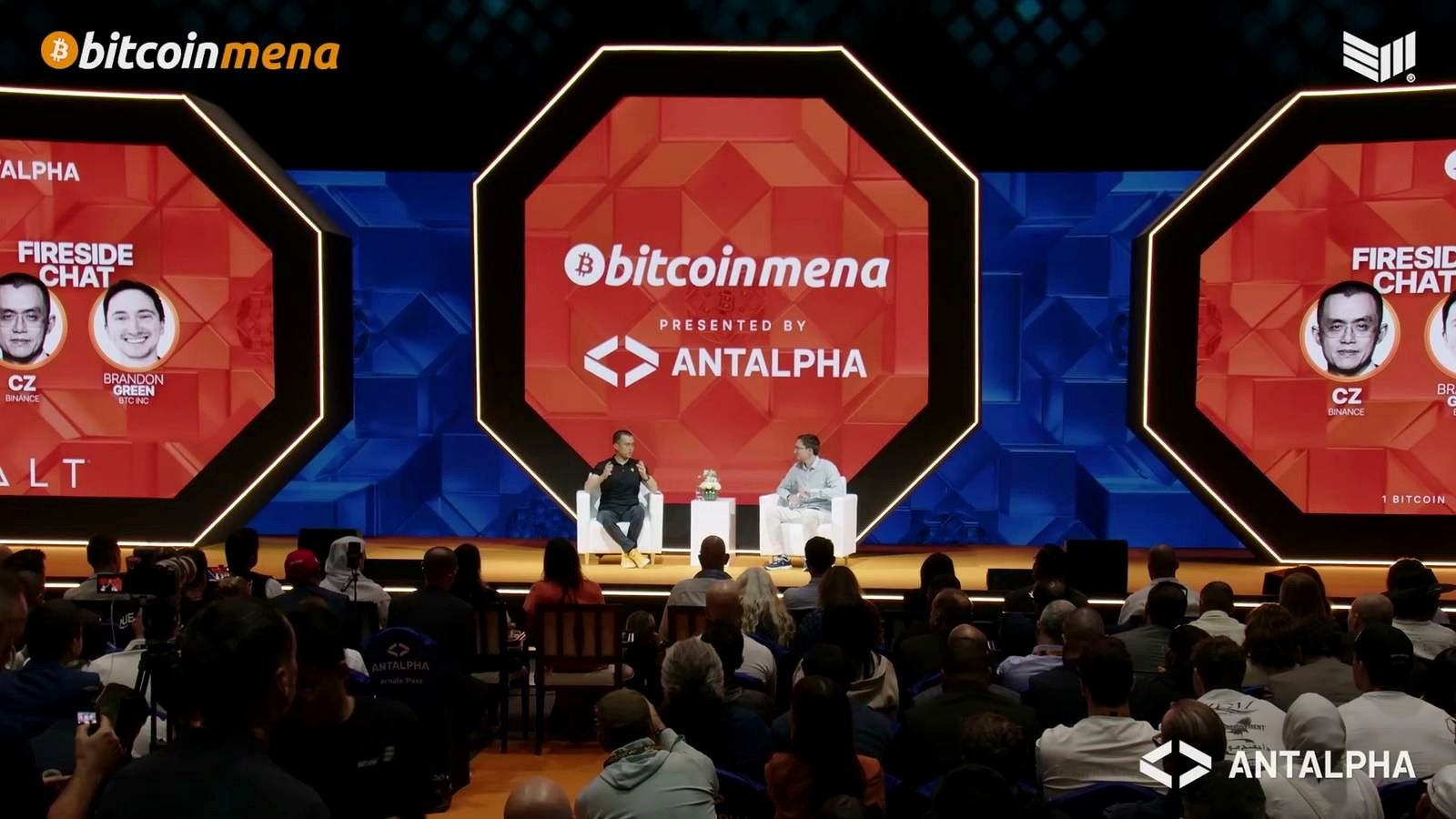
CZ said Bitcoin’s adoption path has been very surprising and impossible to predict. He noted that the Bitcoin white paper described an electronic cash payment system, and in the early period everyone was focused on payments. Yet even today, he said, very few people use Bitcoin for payments.
He does think that trend will change, though perhaps not only with Bitcoin but with crypto payments more broadly. He outlined a possible path:
- Integration between crypto payments and traditional payment rails, such as crypto cards where users pay in crypto and merchants receive fiat.
- Growth in the user side until it becomes large enough for the payment side to accept crypto directly.
- Greater use of stablecoins for payments.
- Eventually, direct crypto payments as adoption grows further.
He also said many major developments in crypto were surprises to him, including ICOs, NFTs, DeFi summer, and ETFs. He said he did not expect ETFs, especially while he himself was being prosecuted for pushing crypto, which made approval seem unlikely from his perspective.
Grassroots Bitcoin and Institutionalization
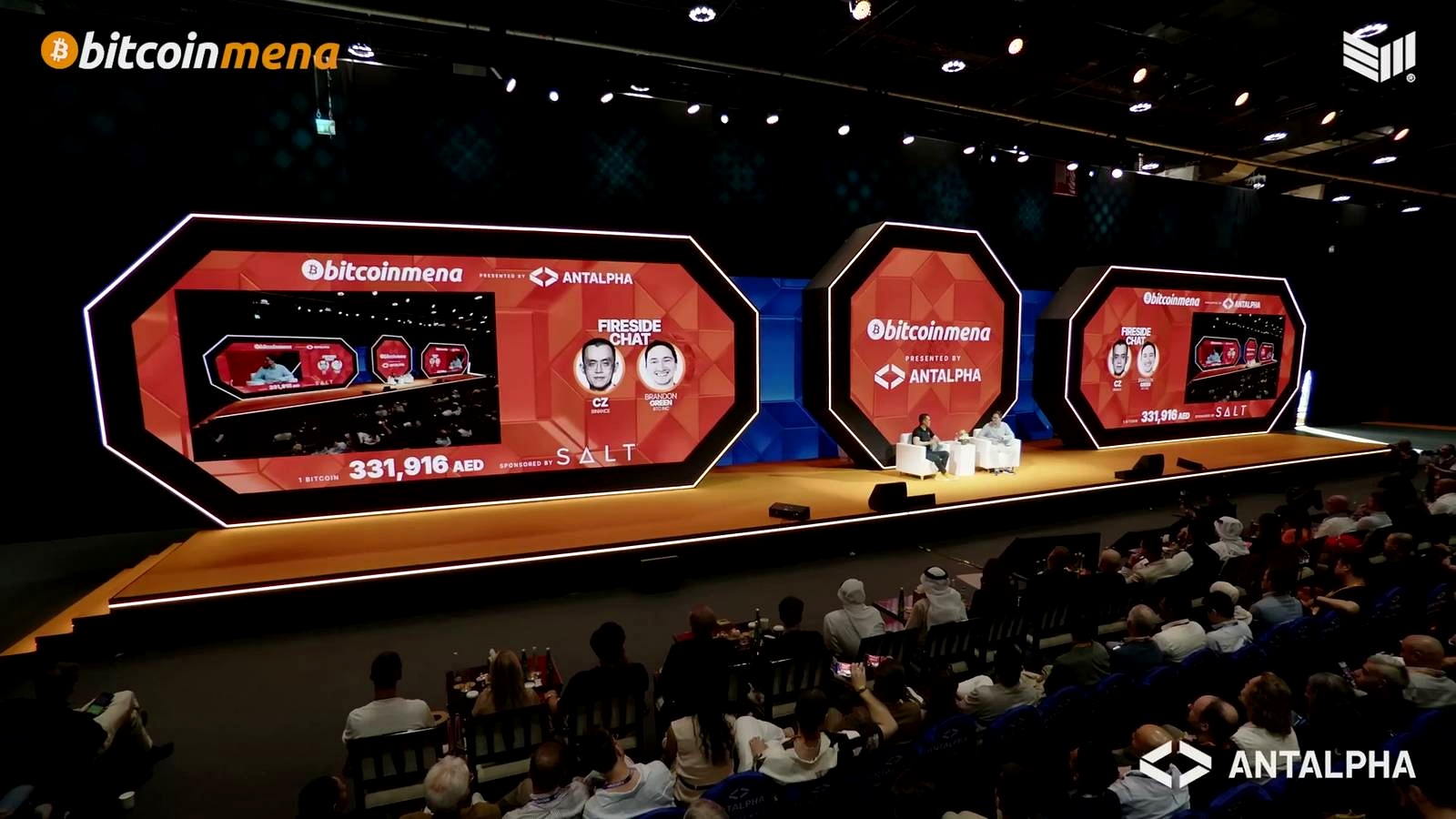
The host asked how CZ reconciles being prosecuted for creating an exchange to buy Bitcoin while the legacy financial system was approving products to buy Bitcoin. CZ said, as a personal opinion, that it felt like there was an effort to push down the grassroots movement and institutionalize it.
At the same time, he said Bitcoin is still largely held by retail participants and remains an international movement. He said institutional participation should be welcomed, but that Bitcoin cannot be separated from its grassroots base.
How He Wants to Be Remembered
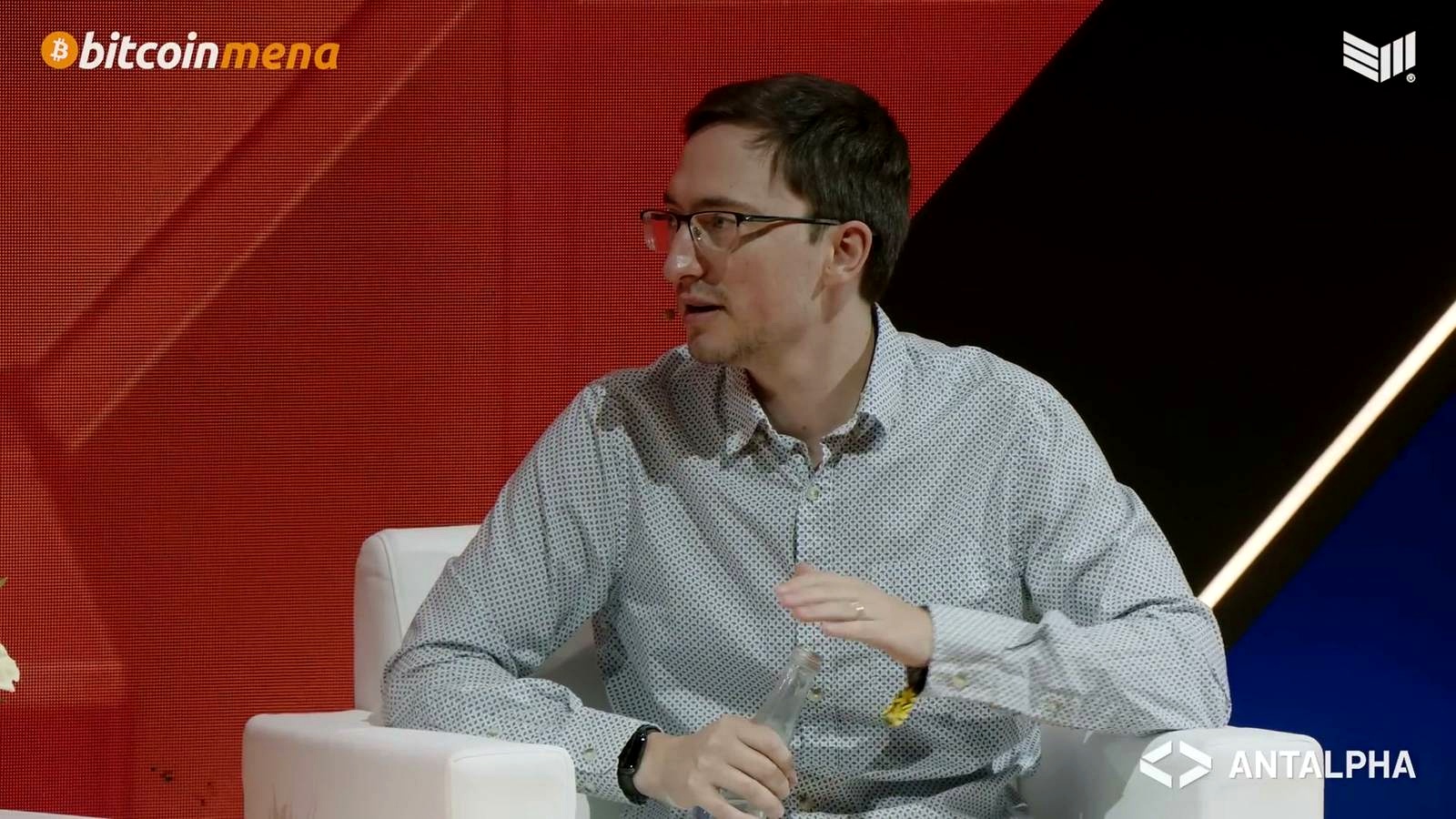
Near the end of the conversation, the host pressed CZ on legacy. CZ responded that he sees himself as “the crypto sales guy” and said he is helping with crypto adoption around the world, both inside and outside Binance.
He said he believes he is making more impact now because he is no longer running a platform and is instead only a shareholder. That makes him appear more neutral, and he said people now take his advice more openly. Even so, he described himself as a crypto die-hard who always pushes crypto adoption.
He said he wants to be remembered as someone who helped increase crypto adoption.
Bitcoin, Michael Saylor, and Innovation
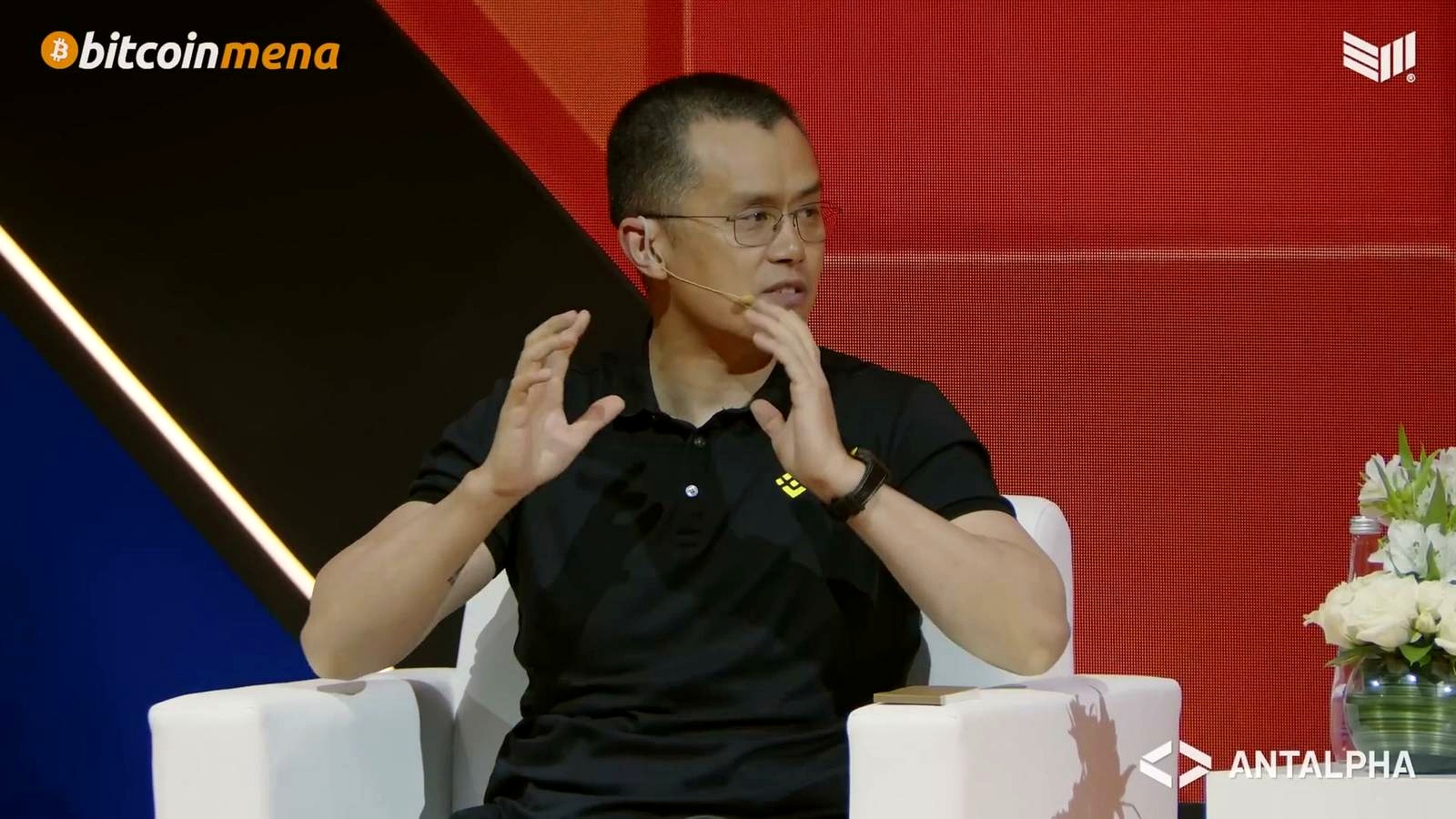
Asked who is the bigger Bitcoin bull, he or Michael Saylor, CZ said that in Bitcoin terms it is Michael because Saylor is very focused on Bitcoin, while CZ is more broad-based.
CZ said Bitcoin is great and called it the global reserve currency in crypto and probably in the world soon. He also said Bitcoin is the most decentralized cryptocurrency and has the highest market cap. However, he argued that Bitcoin’s rate of innovation is necessarily slower than that of smaller, newer projects with smaller teams.
Because of that, he said he is founder-friendly and innovation-friendly. In his view, innovation in other projects helps Bitcoin rather than taking away from it, because Bitcoin can later copy many of those innovations. He gave ordinals and NFTs as an example.
He argued that the industry should not have just one blockchain, but multiple blockchains, especially at the current stage of innovation. In his words, the more innovation and the more blockchains there are, the better.
He summed it up this way: invest in innovation, measure success in Bitcoin. And if something cannot outrun Bitcoin, then people should buy Bitcoin.
FAQ
What did CZ say about the Peter Schiff gold bar moment?
He said he had planned two tricks: one around Schiff’s tokenized gold project and another involving the gold bar itself. The gold bar moment was the part that went viral online.
How did CZ describe his experience with jail?
He said the hardest part was uncertainty. He expected home confinement rather than prison and noted that prison was especially difficult because there was no internet.
What changed in CZ’s conversations with governments?
He said governments used to ask what crypto is and why they should adopt it. Now, the discussions are mostly about how to regulate crypto, exchanges, stablecoins, and tokenized national assets.
What is CZ working on now?
He said Giggle Academy is his main pet project. He also helps with investments in blockchain, AI, and biotech, and mentors projects in the space.
How many kids does Giggle Academy reach?
CZ said it reaches about 90,000 kids after about a year of work.
What did CZ say about Bitcoin’s current adoption cycle?
He said this cycle is more institutional than previous ones, with more Wall Street participation and less retail activity so far. He described this as a positive development for crypto.
Does CZ think the four-year cycle is still valid?
He said it may be better if it is not, and suggested that other forces, including President Trump and macro conditions, may be strong enough to offset it. He said the market may even be seeing a “super super cycle.”
How does CZ want to be remembered?
He said he wants to be remembered as someone who helped increase crypto adoption around the world.
Original Video

John Burnell focuses on Bitcoin infrastructure, wallet security and blockchain technology. He writes educational articles explaining how Bitcoin works and how the technology evolves.