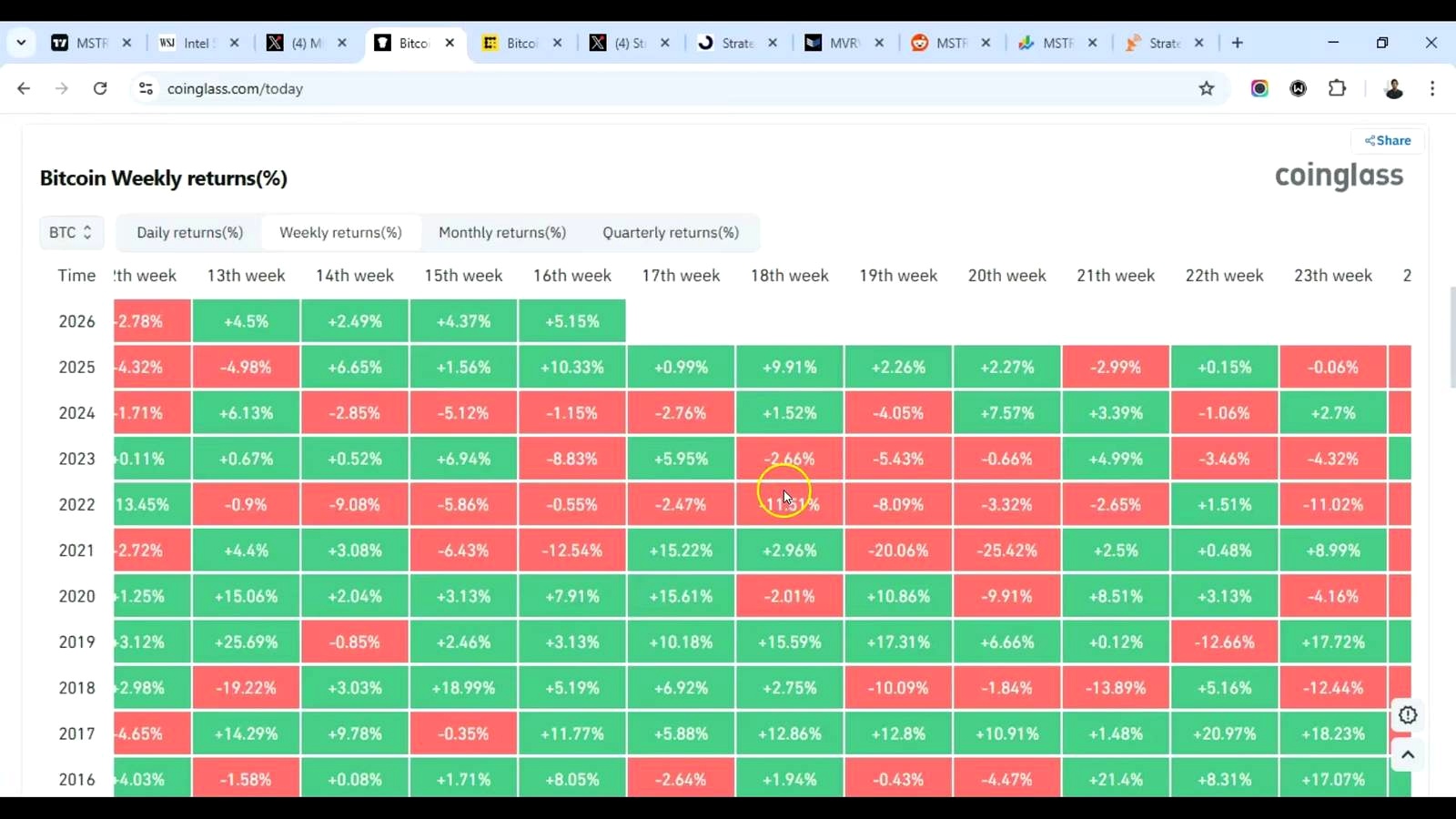
Bitcoin has moved back above 70,000 at times, but it has also remained rangebound and volatile. In this environment, uncertainty, regulation, institutional adoption, and tokenization are central to how the broader crypto market is being viewed.
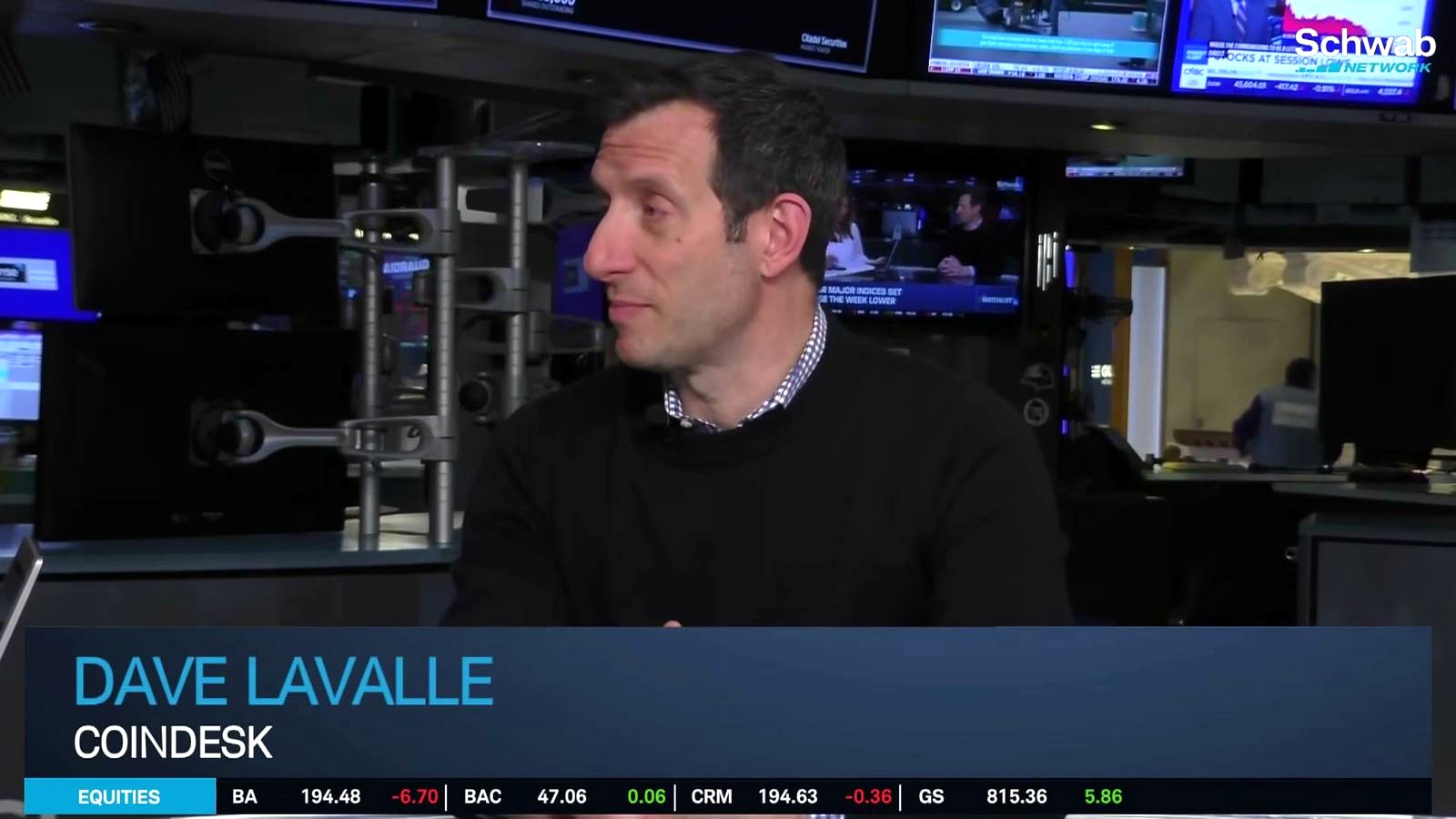
Dave Laval, president of CoinDesk, described the market as a pullback rather than a true crypto winter. He pointed to regulatory and legislative clarity, broader adoption, and stronger institutional confidence as the key factors that could reduce volatility and support the next phase for crypto.
Bitcoin Price Action and the Current Range
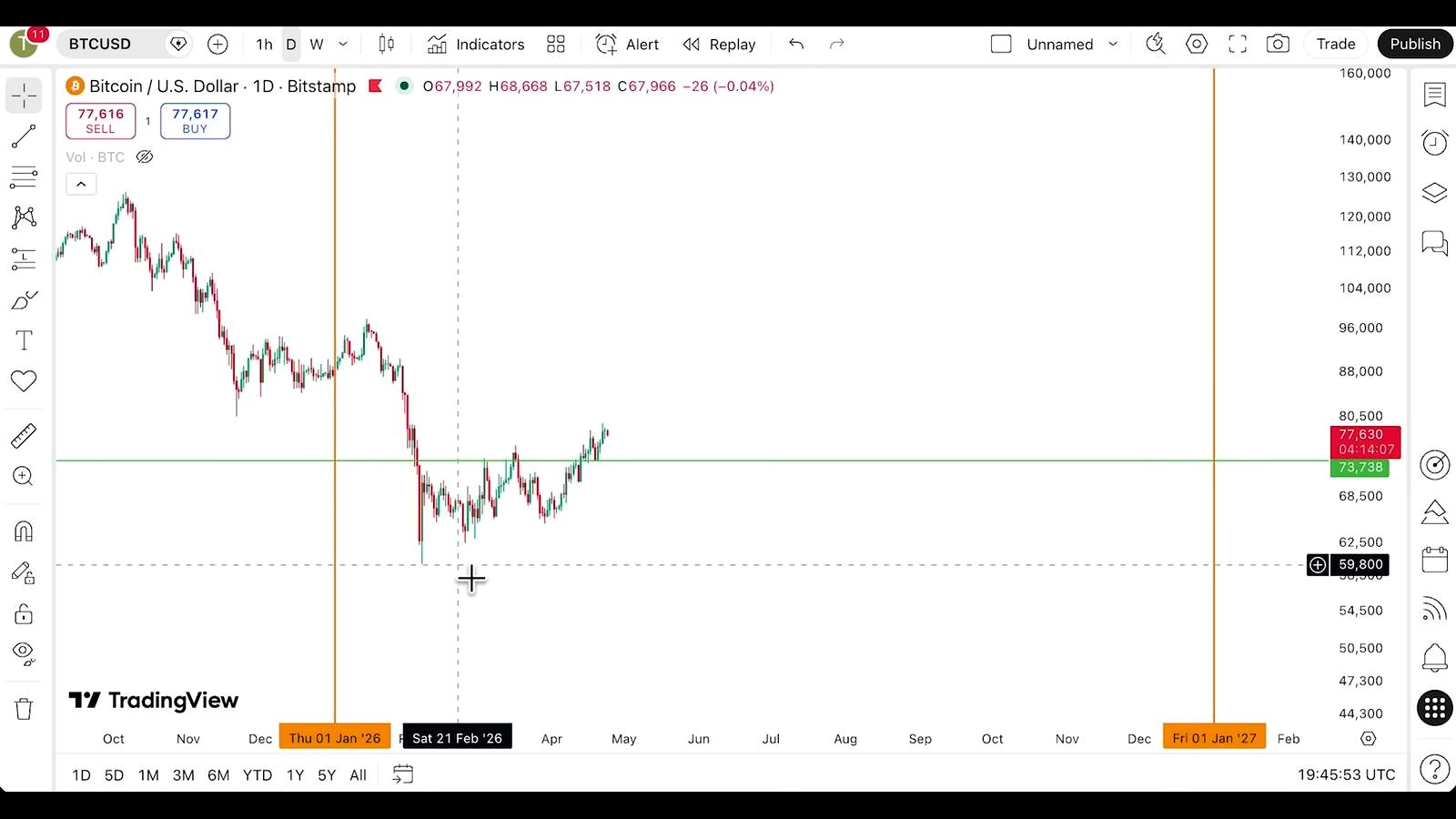
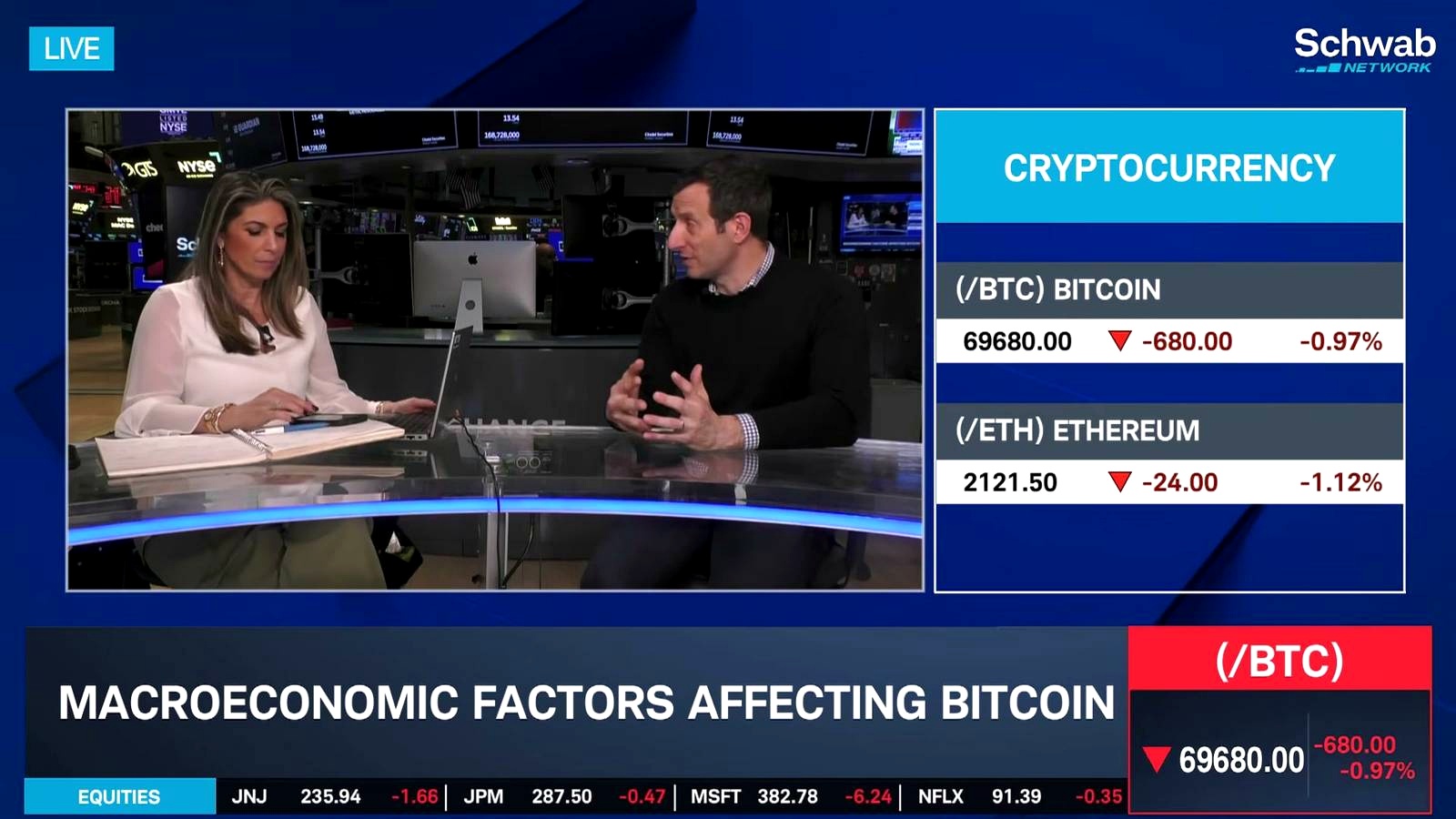
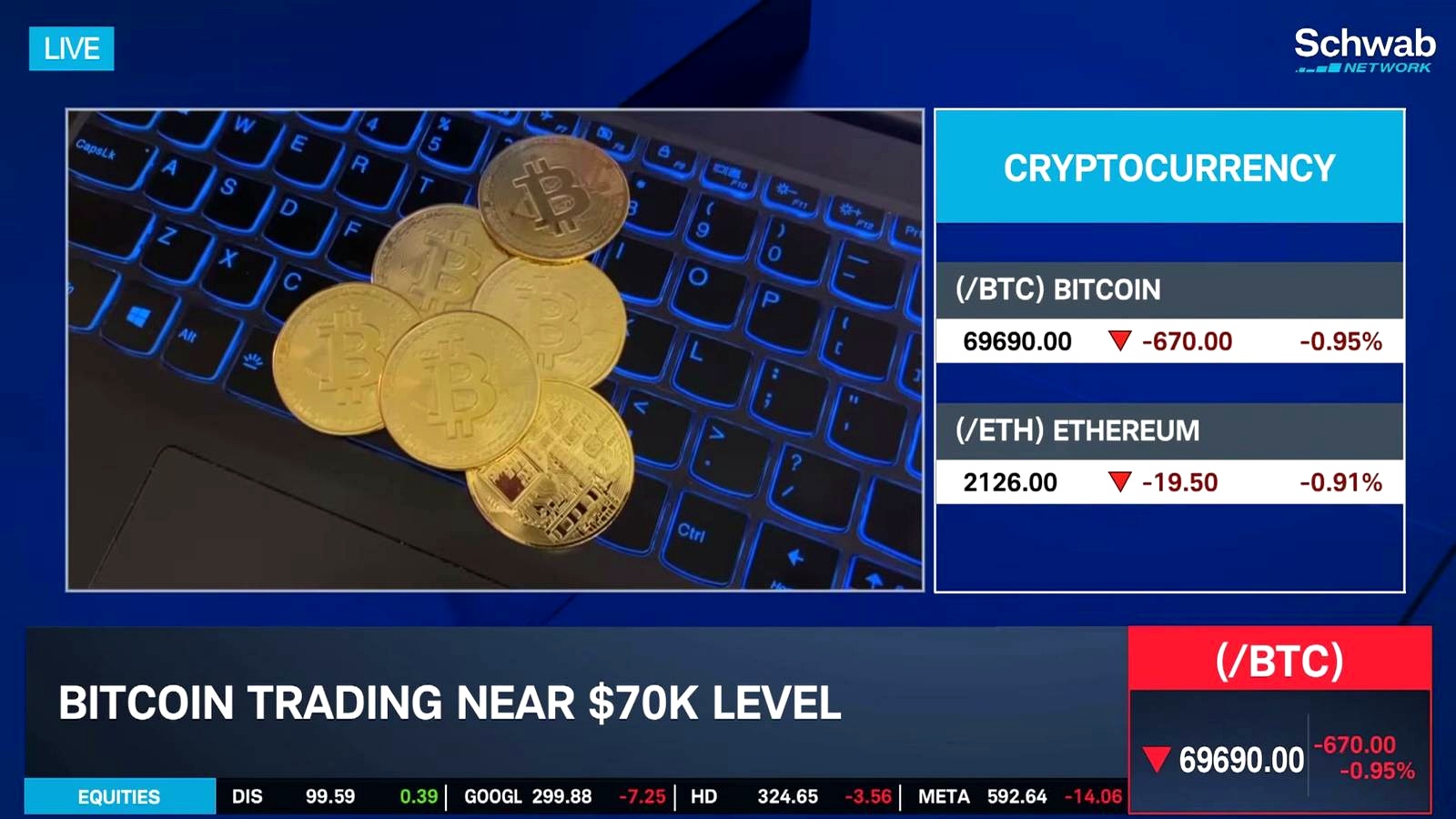
Bitcoin has been trading in a relatively tight band, with the market described as sitting in a 70,000 to 75,000 range. It moved back above 70,000 and was seen around 72,000, though it also pulled back after catching a bid while broader markets were selling off.
Recent levels mentioned included a low around 60,000 and a price near 69,000. Even as gold sold off and market participants worried about broader conditions, Bitcoin still attracted buying interest.
Why Bitcoin Has Been Volatile
According to Laval, geopolitical turbulence has affected markets broadly, and uncertainty is something no market likes. Bitcoin and the broader crypto market are responding in the same way.
He said the volatility reflects the fact that total broad adoption has not yet arrived. In his view, broader adoption should help decrease volatility over time.
- Geopolitical turbulence has increased uncertainty
- Markets generally do not like uncertainty
- Crypto volatility reflects the absence of total broad adoption
- Broader adoption may help lower volatility
Is This Really a Crypto Winter?
While some people call the current period a crypto winter, Laval said he would not describe it that way. Instead, he called it a market pullback with a lot of uncertainty.
He added that more confidence, especially through regulatory and legislative clarity, could strengthen the bid in the marketplace. A broader range of participants and more widespread adoption could also help reduce volatility.
How the Market Could Move Beyond the Pullback
Laval linked the path forward to confidence and clarity. As the market gains more certainty, he expects stronger participation and a healthier overall environment.
- More regulatory clarity
- More legislative clarity
- Greater marketplace confidence
- Broader participation
- More widespread adoption
- Lower volatility
Why Regulation Matters for Crypto Investors
Regulation was a major focus of the discussion, including the Clarity Act and efforts around how to categorize stablecoins. Bitcoin, Ethereum, and Solana were referenced as being categorized as commodities.
Laval said these regulatory developments are beneficial because they give more certainty to the marketplace. That certainty can increase the opportunity for institutions to use and invest in crypto-related projects.
Institutional Confidence and Regulatory Clarity
When stablecoin legislation came across the finish line, Laval said it gave large-scale institutions more comfort in pushing forward their stablecoin initiatives. He compared that to the approval of the Bitcoin ETF, which brought more asset managers into the market.
He said greater institutional adoption is happening across the board, and more clarity around crypto infrastructure should give institutions more confidence to invest.
- Regulation gives the market more certainty
- Certainty increases institutional opportunity
- Stablecoin legislation improved institutional comfort
- Bitcoin ETF approval brought in more asset managers
- Clearer crypto infrastructure supports confidence
Tokenization and the Broader Crypto Opportunity
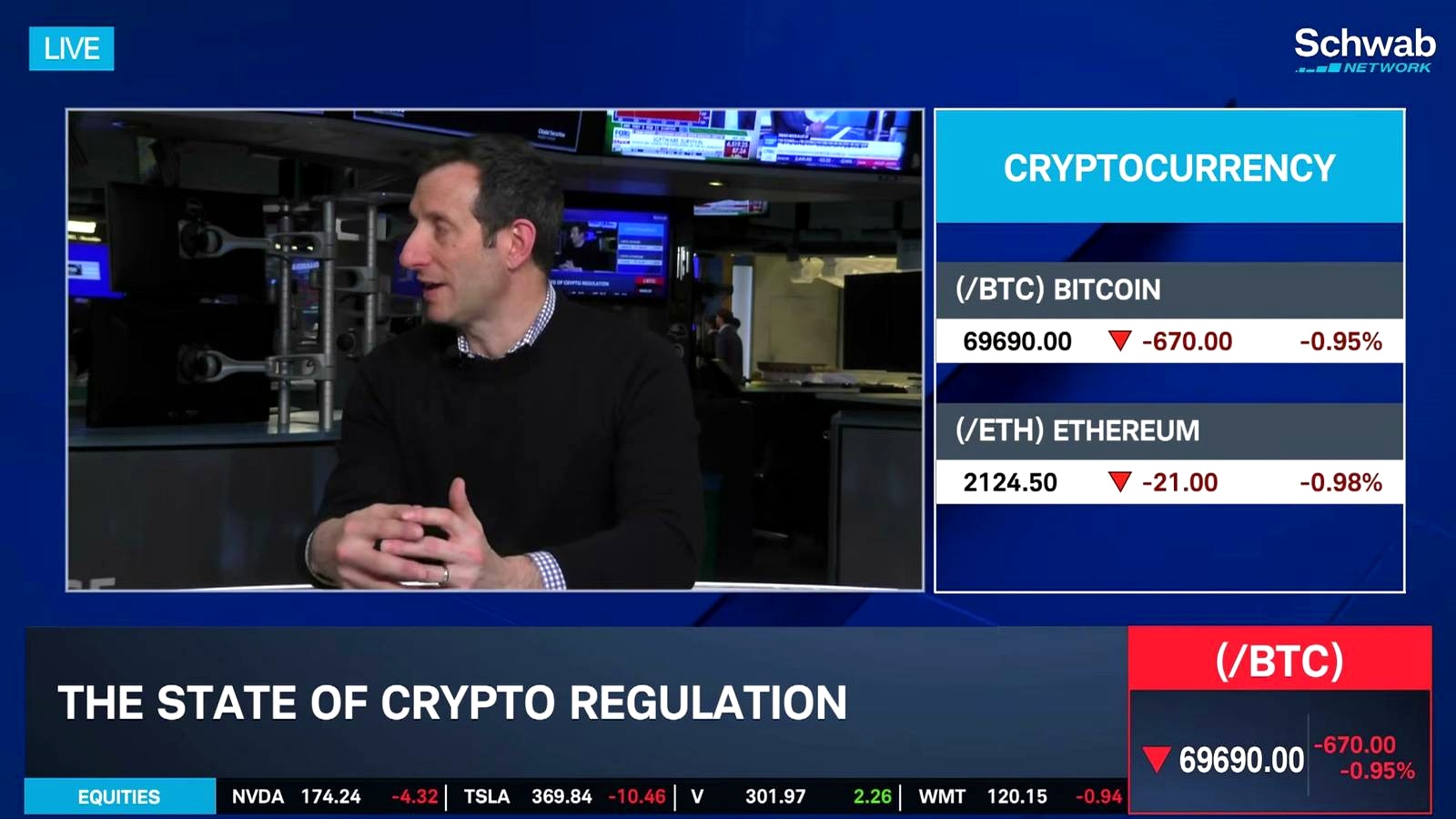
Laval said the greatest case for tokenization is stablecoins. He described stablecoins as a 300 billion marketplace and said he believes that is only the beginning.
He also framed tokenization as part of a much bigger shift. If value is increasingly transacted online, then tokenization could become the way value is transferred digitally.
Why Tokenization Matters
The discussion drew a comparison to the internet making it easier for information to move around online. In a similar way, tokenization was presented as a potential foundation for how digital value moves in the future.
In that broader view, focusing only on the Bitcoin price is too narrow. Bitcoin may be the largest representative slice of the broader crypto market, but it does not capture the full picture of where crypto is heading.
What Could Push Bitcoin Toward 80K, 90K, or 100K?
When asked what might move Bitcoin from the current range toward 80,000, 90,000, or 100,000, Laval pointed first to regulatory clarity and legislative clarity.
He said the market often equates the future of crypto with the price of Bitcoin, but that is a narrow way to look at it. In his view, if tokenization takes off as more value is transacted online, Bitcoin should remain an important indicator because of its large share of the broader crypto market, even if it is not the entire story.
The Bigger Picture Beyond Bitcoin Price
Laval emphasized stepping back and widening the perspective. In that broader view, the future of crypto remains bright, with tokenization expected to play a major role in digital value transfer.
Bitcoin remains central because it is the largest representative slice of the broader crypto market. Still, the longer-term outlook depends on more than price alone.
Timeline for Regulatory and Legislative Clarity
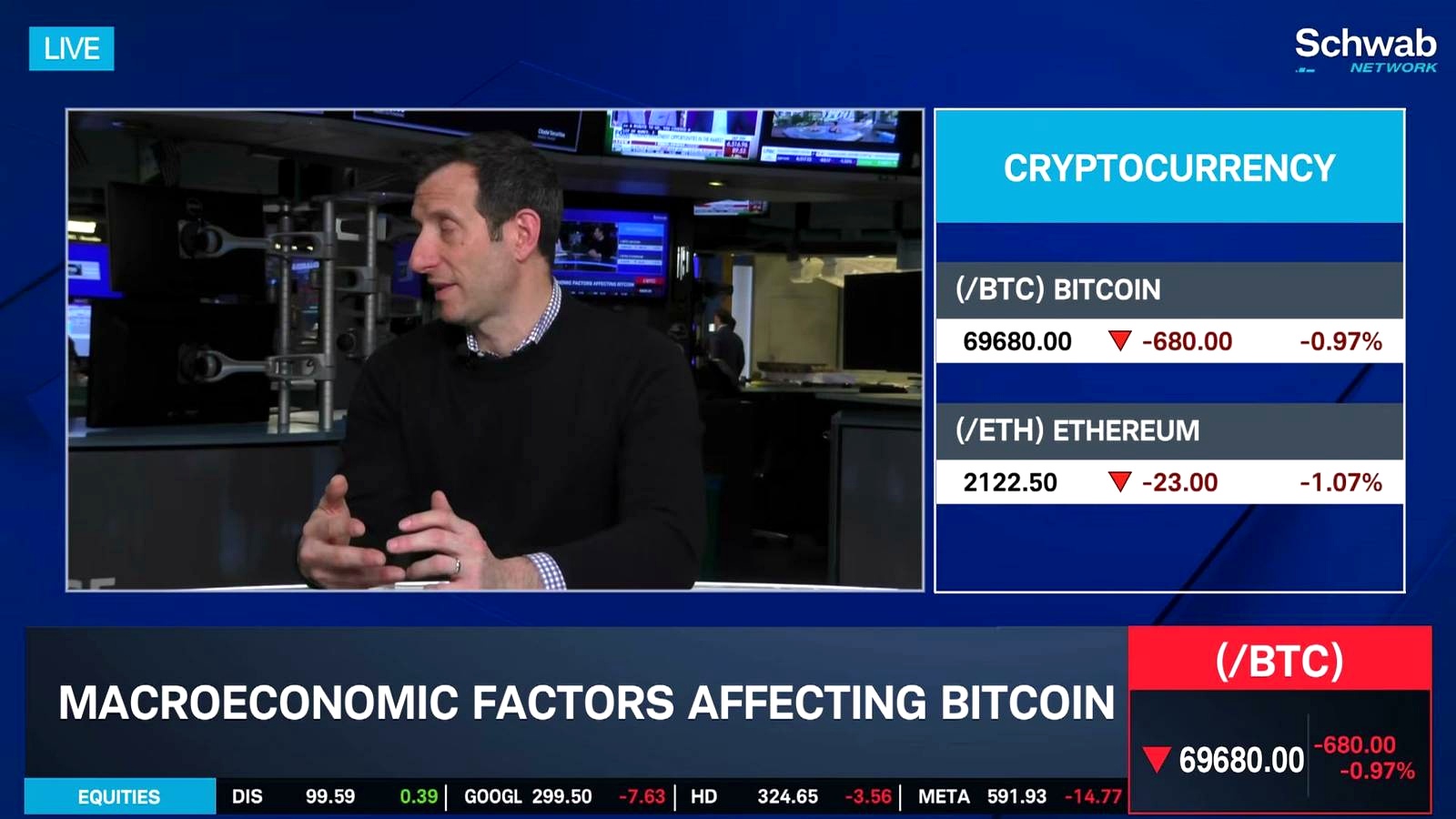
Laval said there is a tremendous amount of activity in Washington, DC. He noted that the infrastructure bill has support on both the Senate side and the House side, with not only bicameral support but also bipartisan support.
He described crypto as moving from being seen as a partisan issue to a bipartisan issue and now, in his view, to a nonpartisan issue. He called that incredibly bullish.
What Could Happen This Summer
He said regulatory clarity is expected to come from the CFTC and the SEC, and legislative clarity could happen as early as this summer. At the same time, he noted that he had been a little more bullish earlier in the year and mentioned the midterms as part of the landscape.
- Heavy activity is underway in Washington, DC
- The infrastructure bill has Senate and House support
- There is bicameral and bipartisan support
- Regulatory clarity is expected from the CFTC and SEC
- Legislative clarity could come as early as this summer
How to Access the Broader Crypto Market
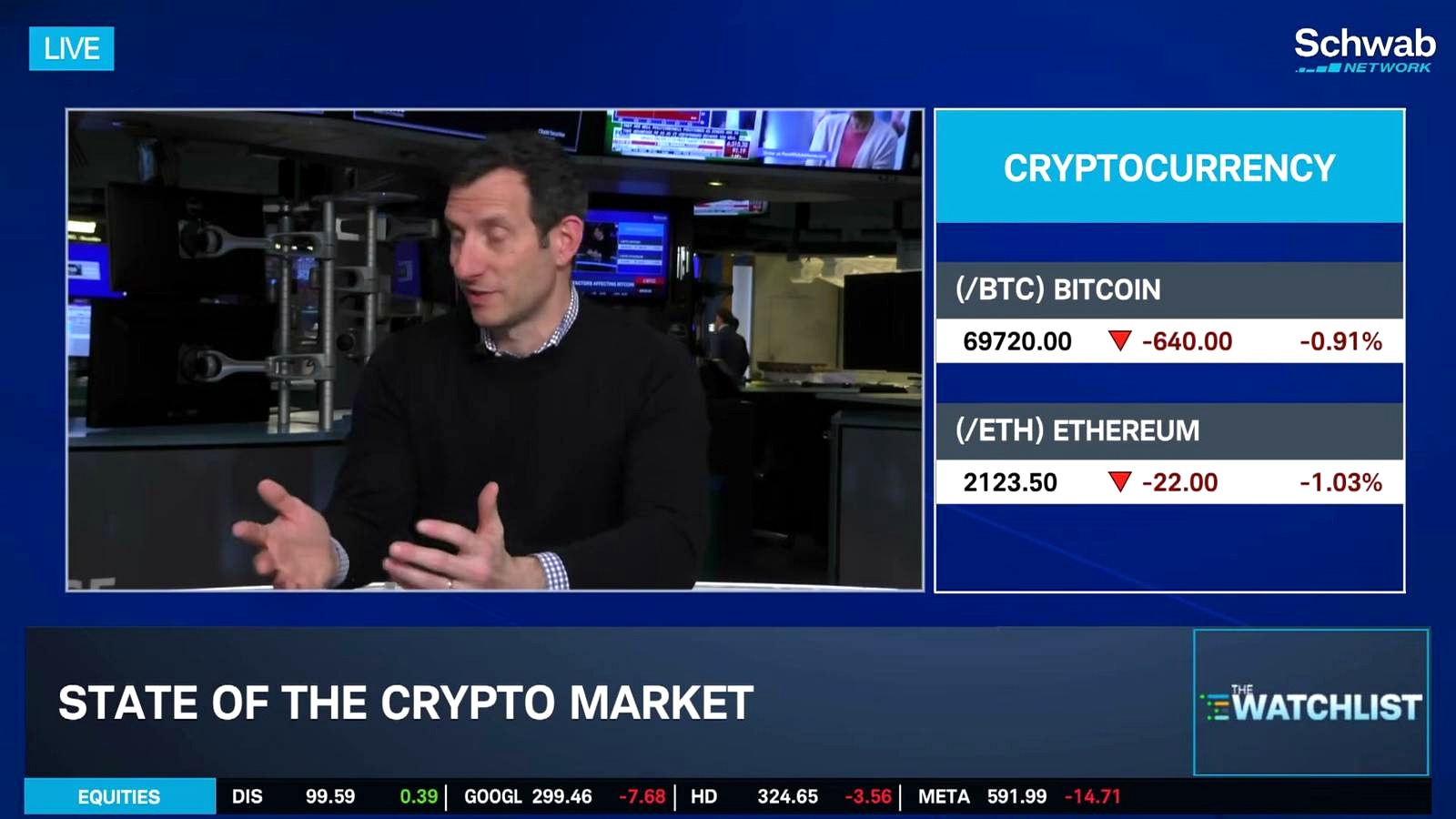
When asked how investors should think about allocation across Bitcoin, Ethereum, Solana, XRP, and stablecoins, Laval pointed to the importance of benchmarks for the broader market.
He said CoinDesk Indices believes the market will need broad benchmarks in the future, similar to how equities have the S&P 500 and tech has the NASDAQ 100.
CoinDesk 5 and CoinDesk 20
Laval said the CoinDesk 5 and CoinDesk 20 are designed as benchmarks for the broader marketplace.
The CoinDesk 5 is described as the top five tokens by market cap, excluding stablecoins and memes. He said this gives investors a way to participate in the market through the CoinDesk 5, including access through an ETF in partnership with Grayscale.
He also said the CoinDesk 20 goes deeper into the market with 20 tokens and noted a product with ProShares.
- CoinDesk 5: top five tokens by market cap
- Excludes stablecoins
- Excludes memes
- Can be accessed through an ETF in partnership with Grayscale
- CoinDesk 20 includes 20 tokens and goes deeper into the market
- A product is available with ProShares
Diversification and Choice
The discussion also highlighted the value of having variety through ETFs rather than holding everything in one place or holding only one asset. That approach was presented as offering more choice and more diversification.
FAQ
Is Bitcoin in a crypto winter?
Dave Laval said he would not call the current environment a crypto winter. He described it as a pullback in the market with a lot of uncertainty.
Why has Bitcoin been stuck in a range?
Bitcoin has been described as rangebound around 70,000 to 75,000. Geopolitical turbulence, market uncertainty, and the lack of total broad adoption were cited as reasons for the volatility.
Why is regulatory clarity important for crypto?
Regulatory clarity gives the marketplace more certainty. Laval said that certainty increases institutional comfort and can expand opportunities for broader use cases and investment.
How did stablecoin legislation affect institutions?
Laval said stablecoin legislation gave large-scale institutions more comfort to move forward with their stablecoin initiatives.
What role did the Bitcoin ETF approval play?
He said the approval of the Bitcoin ETF brought more asset managers into the market.
What is the strongest case for tokenization?
Laval said the greatest case for tokenization is stablecoins, which he described as a 300 billion marketplace.
What could help Bitcoin move toward higher price levels?
He pointed to regulatory clarity and legislative clarity as important catalysts, while also stressing that the future of crypto should not be viewed only through the price of Bitcoin.
When could more clarity arrive?
Laval said some regulatory and legislative clarity could happen as early as this summer, with activity involving the CFTC, the SEC, and Washington, DC.
What are the CoinDesk 5 and CoinDesk 20?
They were described as benchmarks for the broader crypto market. The CoinDesk 5 includes the top five tokens by market cap while excluding stablecoins and memes, and the CoinDesk 20 goes deeper into the market with 20 tokens.
How can investors participate in a broader crypto benchmark?
Laval said investors can access the CoinDesk 5 through an ETF in partnership with Grayscale, and he also referenced a CoinDesk 20 product with ProShares.
Video Reference

John Burnell focuses on Bitcoin infrastructure, wallet security and blockchain technology. He writes educational articles explaining how Bitcoin works and how the technology evolves.