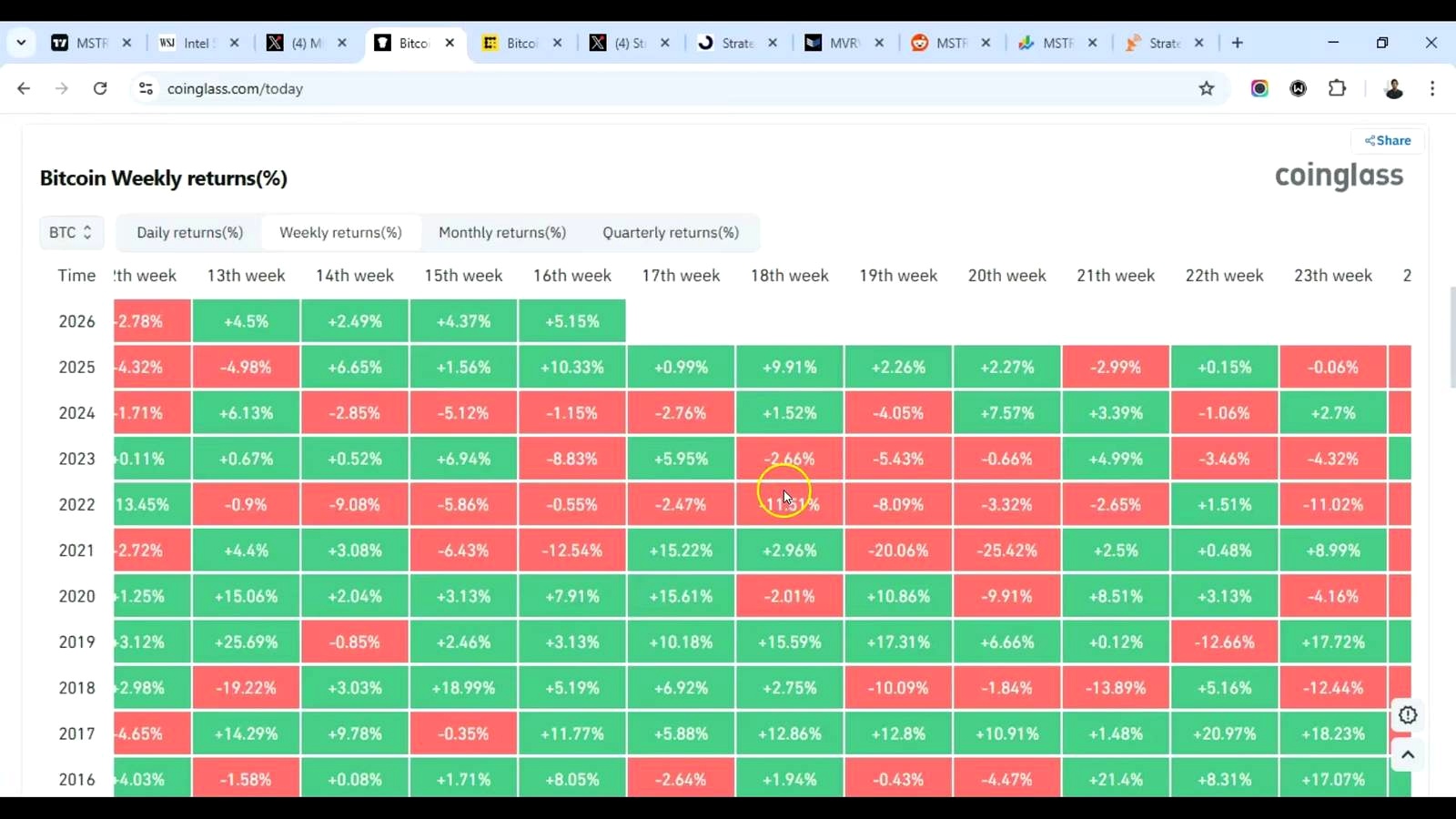
Bitcoin’s current phase looks different from the simple four-year rhythm many investors became used to in earlier periods. As the market has matured, price action is increasingly shaped by liquidity, long-term holder distribution, institutional behavior, and broader macro conditions rather than by newly mined supply alone.
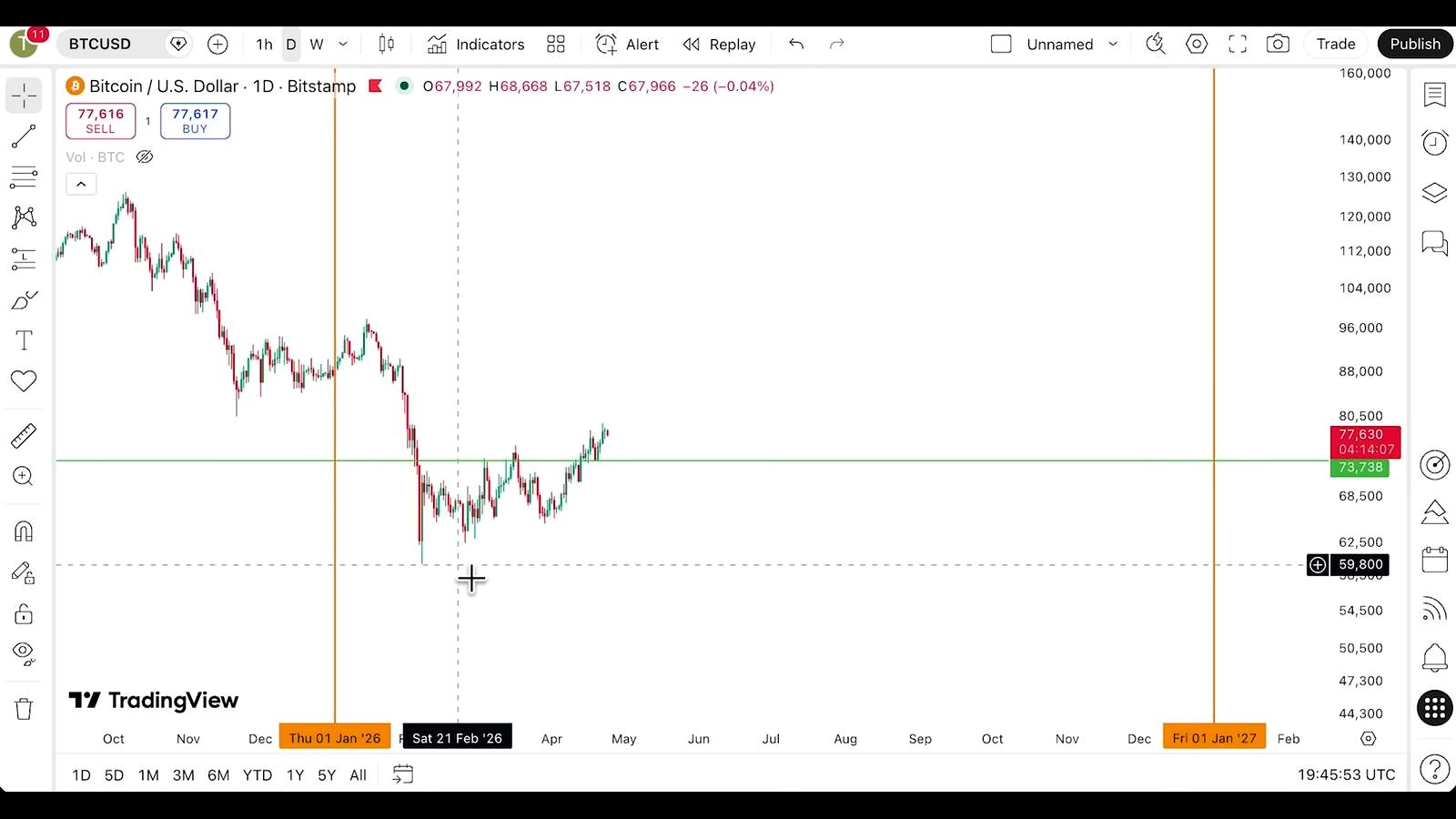
After surging above $125,000 earlier this year, Bitcoin drifted sideways for months before breaking down from its range and retracing deeper. Sentiment cooled sharply, ETF inflows became uneven, and the market began adjusting to a backdrop of enormous US deficits and a Federal Reserve that has hesitated on rate cuts despite signs of slowing growth.
Bitcoin’s Cycle Is Becoming More Structural

Bitcoin no longer trades like an early-stage asset whose fate hinges mainly on halving cycles. The flow of newly mined coins is now a much smaller component of the total supply and demand picture, especially compared with the trillions moving through global liquidity channels.
What matters more now is the price level at which existing holders choose to release coins. That shift changes the nature of the cycle and helps explain why the market can remain weak for extended periods even without entering a full-on bear market.
Why the halving matters less
As halvings continue, new supply becomes a smaller and smaller part of Bitcoin’s overall market structure. The cycle is increasingly influenced by:
- Liquidity conditions
- Regulatory actions
- Fiscal and economic factors
- How existing holders respond to price strength or weakness
The key supply question is no longer simply how many new coins are being mined. It is what price can unlock tightly held coins and bring them back into circulation.
Long-Term Holders Now Drive the Real Supply Cycle

The real cycle turns when older, heavily appreciated coins begin to move. Long-term holders often distribute into periods of strength, especially when new highs create enough liquidity to absorb their selling.
That pattern has appeared across every major bull cycle since 2011. It is a natural distribution process rather than a sign that holders are abandoning the asset.
How distribution happens
Long-term holders may choose to reduce exposure for many valid reasons:
- They have held for many years and are up multiple times on their position
- The asset may have grown into a very large share of their net worth
- They want to rebalance rather than keep betting the farm on one asset
- Their personal circumstances have changed over time
- They want different forms of liquidity access
Distribution does not always mean exit
Some holders are not fully leaving Bitcoin exposure. In some cases, they are transitioning from self-custody into ETFs or treasury companies while continuing to hold exposure in a different form. That can offer different liquidity access and institutional structures without representing a full capitulation.
Why This Retracement Fits Bitcoin’s Evolution

The recent weakness does not necessarily damage Bitcoin’s long-term structure. It fits a market that has become larger, more liquid, and more integrated into broader financial systems.
Today’s participants increasingly treat Bitcoin the way they treat equities or commodities. They adjust exposure as portfolio weights change, respond to liquidity conditions, and manage risk across cycles. That behavior creates steadier but more complex market dynamics.
A weak portion of the cycle, not necessarily a full bear market
Bitcoin has been roughly flat for 12 months and has lacked a major catalyst. It can get ahead of itself for a period and then correct, and some corrections can last six months or longer. In this case, the correction extended for around 12 months even with new highs along the way.
That kind of stagnation is not new, but the drivers now are broader and more structural than in prior cycles.
From Early-Stage Volatility to Market Maturity

Earlier Bitcoin cycles unfolded in a much smaller and more illiquid market. Those periods often featured participants who did not manage Bitcoin the way traditional portfolio managers handle other assets. As a result, Bitcoin did not always follow normal asset behavior.
Now that it is increasingly held by participants who also hold other assets, Bitcoin is more likely to be treated like other portfolio positions. That often means rebalancing, risk management, and more measured responses to changing market conditions.
Why earlier spikes were more extreme
In prior cycles, market cap could get far ahead of the on-chain cost basis. Some price spikes were more ephemeral because they were not supported by sustained liquidity across a broad share of coins. A small number of coins trading at elevated prices could imply a market cap that was not backed by a highly liquid clearing price.
That kind of massive disconnect appears less dominant now. On-chain average cost bases are still inching up, suggesting a more gradual and structural process.
The MAG 7 Comparison and Bitcoin’s Next Phase

A useful comparison is the performance of mega cap US tech stocks over the past 15 years. Many of these companies did not move through one especially specific cycle. Their booms and busts were more muted because they started from larger bases, traded in traditional markets, and kept benefiting from ongoing adoption.
Over five, ten, and fifteen years, these companies reached heights that most people did not expect. Periodically, valuations looked high or concentration seemed excessive, and they cooled off for six or twelve months. Then they moved higher again because their products and services were still being adopted.
Why the comparison matters
Bitcoin appears to be entering a similar structural phase. Some bears argue that a $2 trillion market cap should be enough and question how it could go higher. The comparison suggests that large assets can continue surprising skeptics to the upside when adoption, liquidity, and demand keep compounding.
That does not imply easy 5x gains in a typical 12-month period. Instead, it points to a market that may get bigger and continue for longer than many expect, but in a steadier and more structural way.
Liquidity, Fiscal Dominance, and the Macro Backdrop

The macro regime now plays a much larger role in Bitcoin’s cycle. Consumer sentiment is weak, business surveys look stagnant, and yet asset prices have not fully rolled over. One reason given for that unusual separation is fiscal dominance.
Large government deficits, especially in the United States, inject liquidity back into markets even without official QE. This creates an environment where asset prices can stay elevated even while real-time economic gauges look weak.
What this means for Bitcoin
Bitcoin is increasingly shaped by the same conditions affecting other high-quality assets. These include:
- Liquidity regimes
- Fiscal deficits
- Regulatory changes
- Perceptions of the asset
- Broader financial market behavior
If liquidity improves again, Bitcoin may still have the foundation for another sustained move upward. The cycle becomes longer, steadier, and more dependent on structural forces than on abrupt speculative bursts.
A Two-Speed Market and the Role of Institutions

This cycle has resembled a two-speed economy and a two-speed asset market. Mega cap tech stocks and a handful of major assets have performed strongly, while many mid-level companies have moved sideways. Bitcoin has been riding that same structure.
Retail investors have not shown up in the same way they did in earlier cycles. Search trends have been muted, and many households remain financially constrained. As a result, much of the support has come from institutions, ETF channels, and higher-net-worth buyers.
How this cycle differs from prior ones
- Less retail-driven enthusiasm
- More institutional participation
- Greater use of ETF pipelines
- More portfolio-style rebalancing
- Less mania, more integration
That shift helps explain why upside can arrive as a slow grind rather than a sudden blowoff top.
What the Current Phase Suggests

Bitcoin’s current pullback sits inside a broader evolution. The asset is moving from niche adoption toward wider global integration. Supply circulates more efficiently, and liquidity has become the primary driver.
This means the cycle is less about a simple clock and more about how demand interacts with older supply, how institutions absorb distribution, and how macro conditions shape the backdrop. The weakness seen now can be part of that process rather than a contradiction of it.
Key takeaways from the evolving cycle
- New mining supply now matters less than in earlier cycles.
- Long-term holder distribution is a central source of market supply.
- Bitcoin is increasingly treated like other major assets by portfolio managers.
- Liquidity, fiscal conditions, and regulation now have greater influence on price.
- The cycle may continue longer than expected, but in a steadier form.
FAQ
Is Bitcoin still following a four-year cycle?
The four-year cycle appears less dominant than before. Earlier cycles were influenced by a blend of the halving cycle and the liquidity cycle, but the importance of halving has declined to a nearly negligible degree compared with broader liquidity and macro forces.
What is driving Bitcoin’s price now?
Bitcoin’s price is increasingly driven by liquidity conditions, fiscal dominance, regulation, institutional behavior, and the price levels that unlock coins from existing holders.
Why are long-term holders selling?
Long-term holders often sell into strength because there is enough liquidity to absorb their selling. They may also rebalance, reduce concentration in one asset, adjust to changing personal circumstances, or move exposure into different holding structures such as ETFs or treasury companies.
Does long-term holder selling mean Bitcoin is weakening permanently?
No. The distribution of older supply is described as a natural process that has shaped every major bull market. It reflects an asset moving from early adoption toward wider integration rather than a simple collapse in conviction.
Why has this cycle felt different from prior ones?
This cycle has had less retail participation and more institutional demand. Bitcoin is being treated more like other assets, with more rebalancing and risk management, while broader macro conditions and liquidity have become more important than mining rewards.
What does the MAG 7 comparison suggest about Bitcoin?
The comparison suggests that large assets can keep surprising skeptics to the upside over long periods as adoption, liquidity, and demand continue to build. For Bitcoin, that may mean a longer, steadier cycle rather than rapid 5x gains on an easy timetable.
How does fiscal dominance affect Bitcoin?
Fiscal dominance creates an environment where large deficits inject liquidity into markets even when consumer sentiment and business conditions are weak. That helps explain why asset prices can remain elevated and why Bitcoin may continue to be supported by broader structural forces.
Original Source
https://www.youtube.com/watch?v=F7zQ75EiIRQ

Omar Al-Sharif lives and works in the UAE and is involved in the blockchain technology industry. He writes articles on Bitcoin and digital assets as a personal passion, explaining complex topics in simple and understandable language.