Is Bitcoin’s price pullback the real story, or just noise before a much bigger shift in how money moves? A Fox Business Clips interview with Ledger CEO Pascal Gauthier framed the market’s next phase less around BTC’s day-to-day trading and more around a tokenized financial system that could redraw custody, payments, and yield.
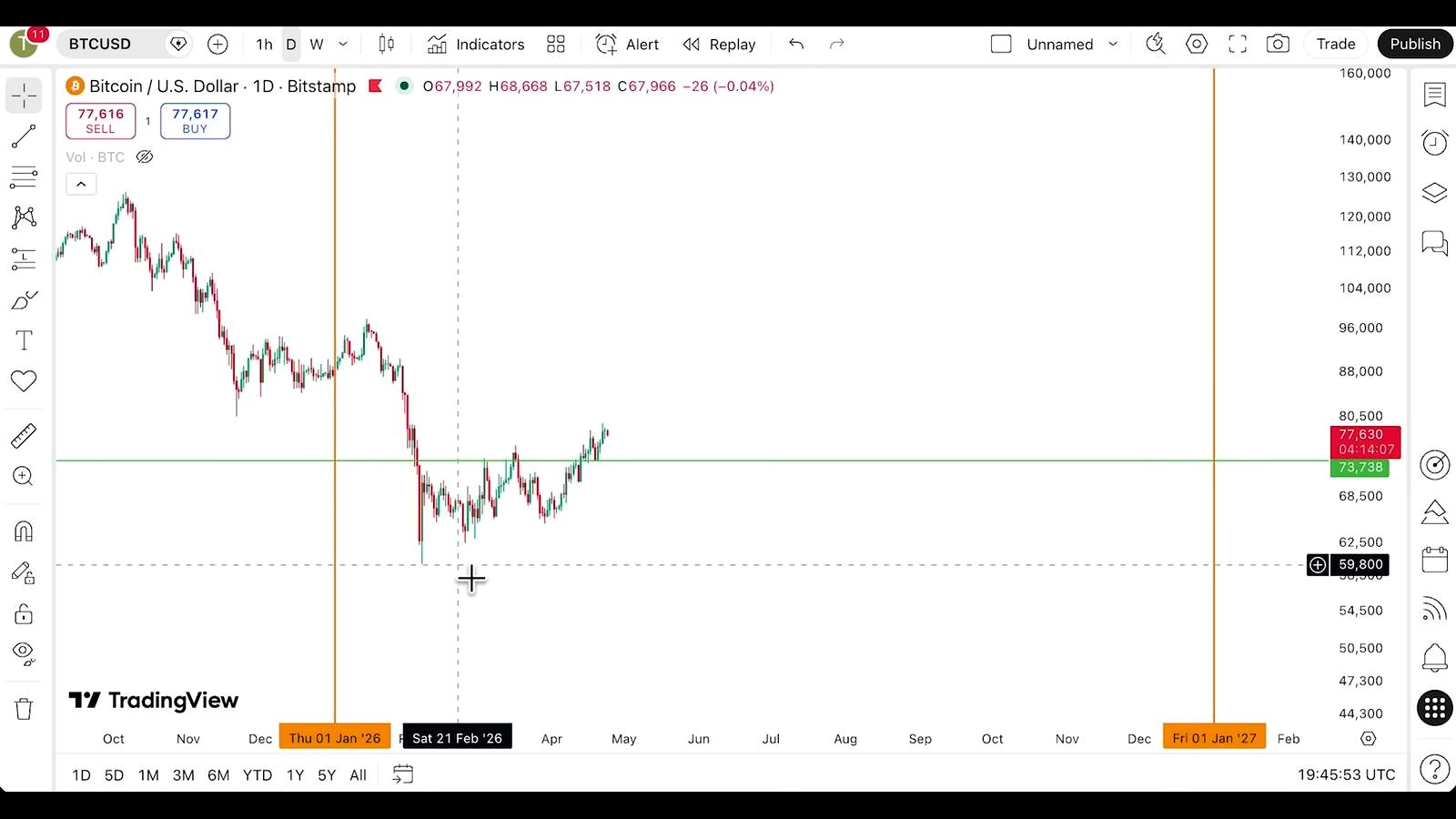
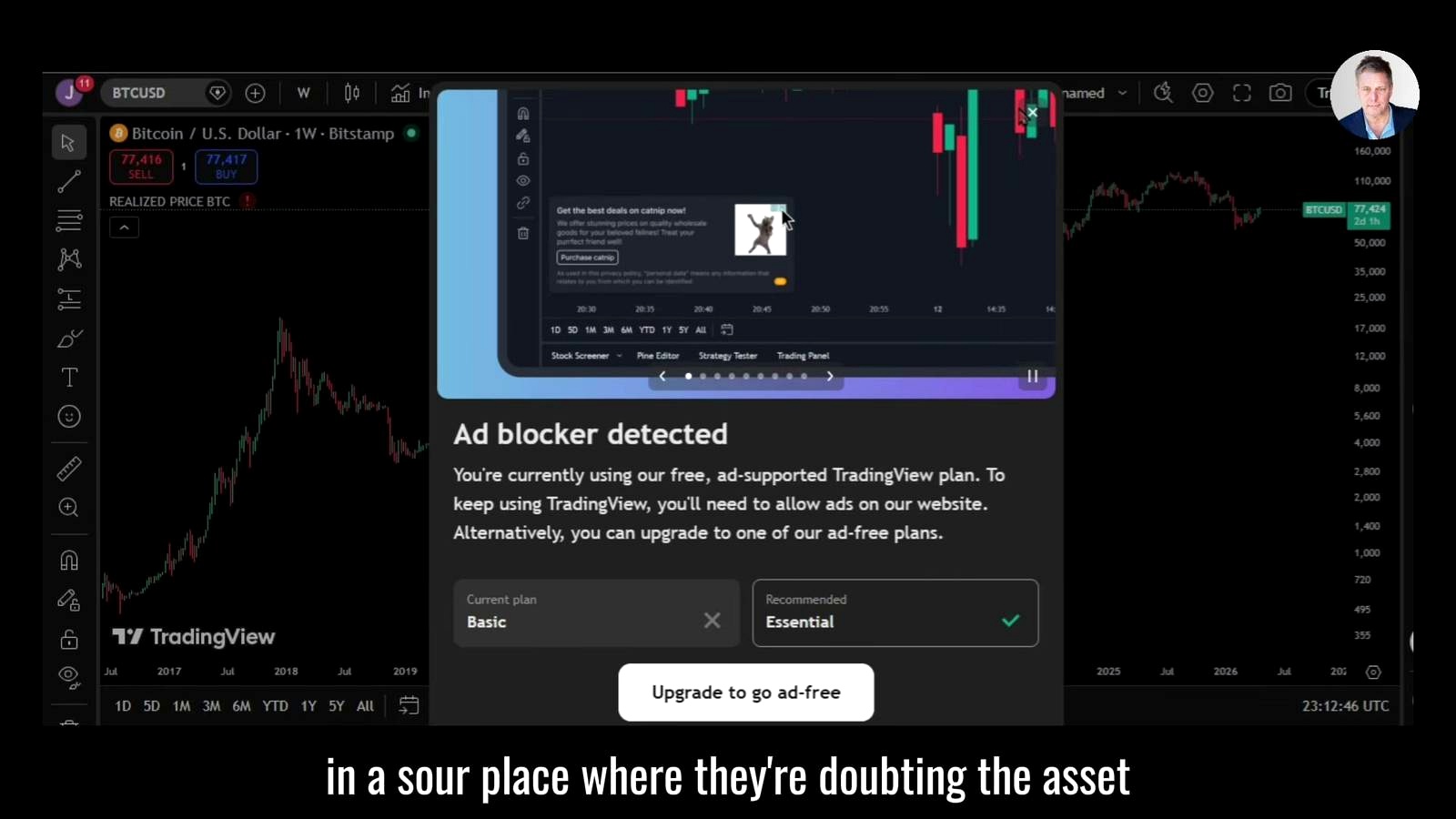
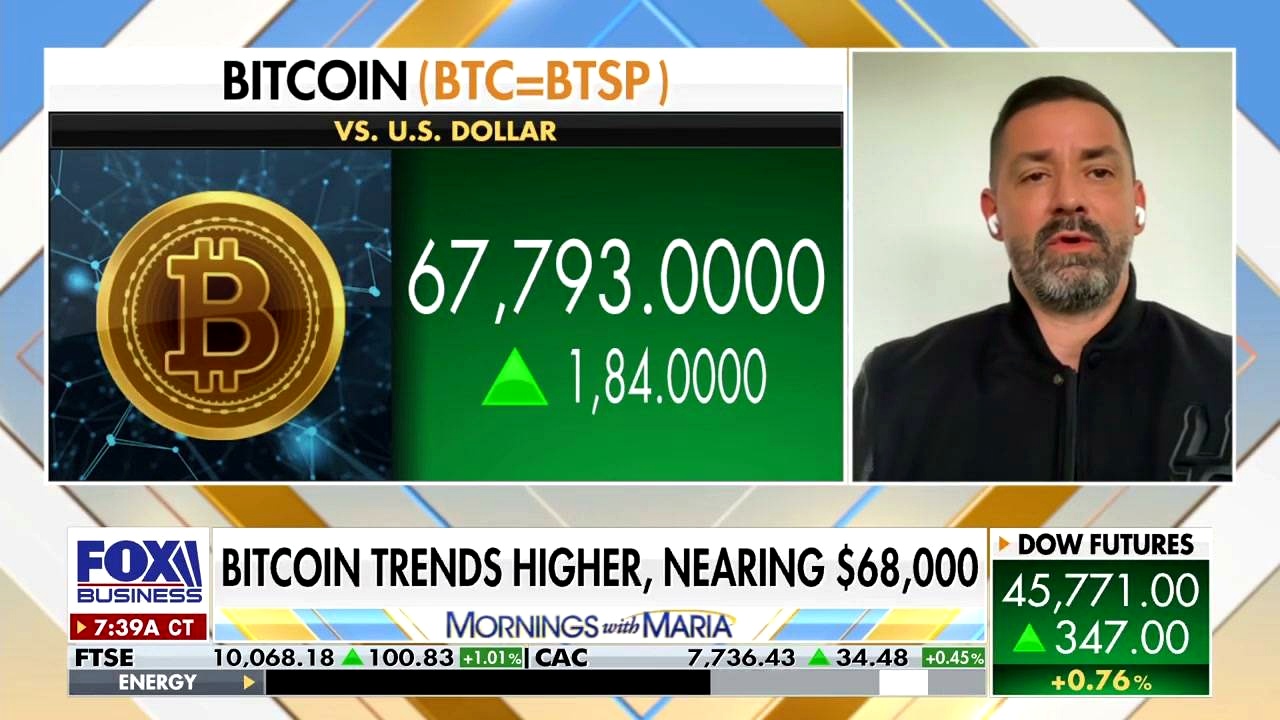
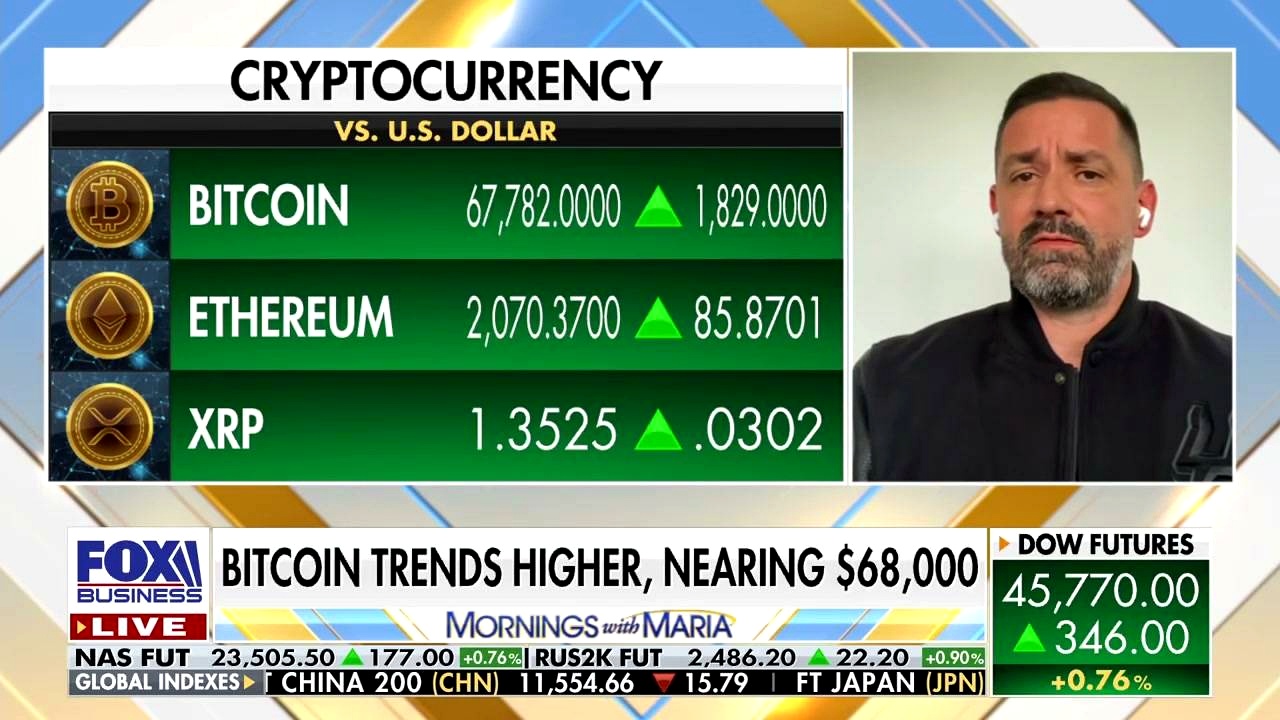
According to Fox Business Clips, Bitcoin was trading below $70,000 in the morning session while still up on the day, and sat about 22% below its all-time high of $126,000. But the more consequential argument from the segment was not a near-term BTC price call. It was Gauthier’s claim that Wall Street and major financial institutions are moving toward tokenized assets at scale, creating demand for new security infrastructure as both humans and AI agents begin transacting on-chain.
The bigger thesis: tokenization matters more than the latest BTC swing
Fox Business Clips argues that the more durable crypto trend is the move into a “tokenized world.” In Gauthier’s telling, Bitcoin and tokenized assets are best understood as improved rails for transferring value. That puts the emphasis on infrastructure rather than speculation.
His central point was straightforward: if financial markets can move assets using better technology, they will. He said this likely means broader use of tokenized assets across financial services, with security becoming the key bottleneck. Because blockchain transactions are immutable, mistakes and compromises can be harder to reverse than in traditional finance. That changes the stakes for custody, key management, and transaction approval.
Rather than frame the future as a simple self-custody-versus-custodian debate, Gauthier described the real issue as how to secure digital assets in a system where users, institutions, and software agents all need to move value safely. That is where Ledger is trying to position itself, both for retail users and for institutions through its enterprise arm.
What the interview actually said on price and market conditions

The segment opened with a few concrete market figures:
- Bitcoin below $70,000 on the morning referenced
- Up on the session
- Down about 22% from its all-time high
- All-time high: $126,000
No specific forward BTC price targets were given. Gauthier explicitly avoided market forecasting and said Ledger does not focus on short-term price moves. Instead, he said the company watches exchange volume and broader trends.
That distinction matters. For traders looking for a directional call, the interview did not provide one. For investors trying to understand where crypto infrastructure companies see growth, it offered a much clearer answer: utility, tokenization, and institutional adoption.
Security, not speculation, was the pitch
Fox Business Clips presented a recurring tension between convenience and self-custody, especially around private keys. Gauthier’s answer was that trust depends on the security framework around the keys and the device holding them.
To support that case, he cited Ledger’s scale:
- 8 million-plus devices in the market
- Close to 100 financial institutions secured
- 11 to 12 years in business
He also addressed a larger audience, referring to 100 million people holding keys. His message to them was not about timing the market. It was to stay secure, especially if they want to use private keys to access decentralized finance or earn yield on coins and stablecoins.
One notable framing from the interview was his description of Bitcoin and digital assets as an extension of private property for the individual. That language appeared again in the policy discussion, where he argued that self-custody is better understood as digital private property rather than a regulatory edge case.
The policy fight: banks, Coinbase, and the Clarity Act
The segment also turned to regulation, particularly whether governments might restrict hardware wallets and how the US policy debate could shape global markets.
Gauthier said he does not believe regulators are trying to regulate away private property or target hardware wallets directly, including in Europe. He argued that lawmakers are focused on stopping bad actors, not banning lawful self-custody tools. He also said Ledger supports that effort and described the company as being in the security business, not the secrecy business.
On the more immediate policy clash, the host raised the fight over rewards or yield tied to crypto platforms and the awaited Clarity Act. The discussion highlighted tension between banks, which may fear deposit outflows, and crypto firms such as Coinbase, which want to offer users more on-chain financial features.
Gauthier’s position was that this particular dispute does not really center on Ledger. His argument was that users holding their own digital property should still be able to access yield, and that this can be done in a decentralized way while connecting to regulated actors. He said the US regulatory framework now taking shape could become a global model, calling it a beacon the rest of the world may follow.
Ledger’s expansion signals where the company sees demand

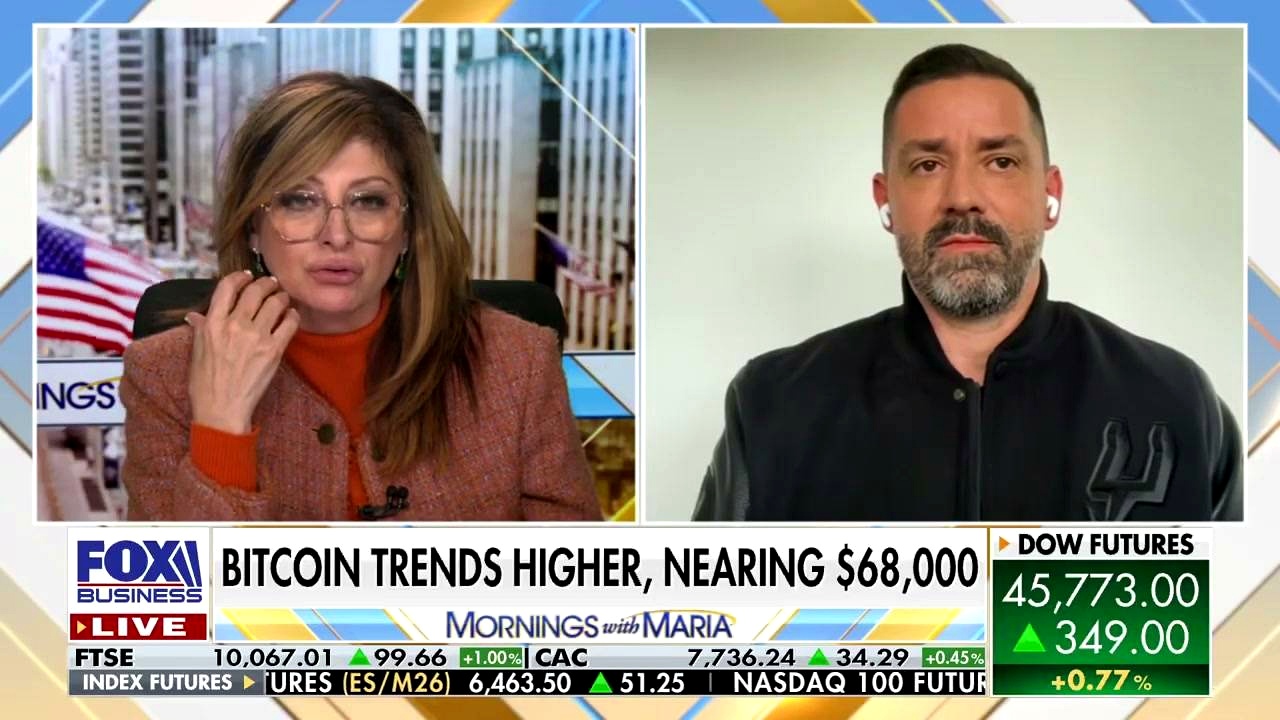
Another revealing part of the interview had little to do with Bitcoin’s chart and more to do with corporate positioning. The host referenced a $50 million secondary share sale and asked whether Ledger plans to go public.
Gauthier did not commit to an IPO. Instead, he said his job is to keep the company ready for either private or public markets. He tied that effort to two recent moves: hiring John Andrews from Circle as CFO and opening a New York office.
That New York expansion was presented as strategic, not symbolic. Gauthier said finance is happening in New York and argued that, under the current US policy environment, the city could become the epicenter of crypto globally. For a hardware wallet and digital asset security company, that suggests Ledger expects its next wave of growth to come increasingly from institutional finance, not just retail hardware sales.
He also gave a snapshot of Ledger’s business mix, saying revenue is now split roughly half hardware and half software. The software side, he said, comes from a transactional model built around the hardware ecosystem.
Why AI agents are entering the custody conversation

The most forward-looking claim in the interview was not about tokenization alone, but tokenization combined with AI. Gauthier said AI agents will transact on behalf of both financial institutions and users, which creates a new need for control mechanisms.
His proposed answer is a kind of “kill switch” that lets users and institutions control those agents. In his framing, Ledger could become that control layer.
This matters because it shifts the custody debate. If the next cycle of digital finance involves autonomous software moving tokenized money, security is no longer just about storing keys offline. It becomes a question of who authorizes actions, how permissions are limited, and how fast an agent can be stopped if something goes wrong.
The host said that prospect makes financial services look like one of the industries most exposed to AI-driven disruption. Gauthier agreed and described the institutional shift he is seeing as a full opening of the gates after years of skepticism.
What to watch next for Bitcoin and crypto infrastructure
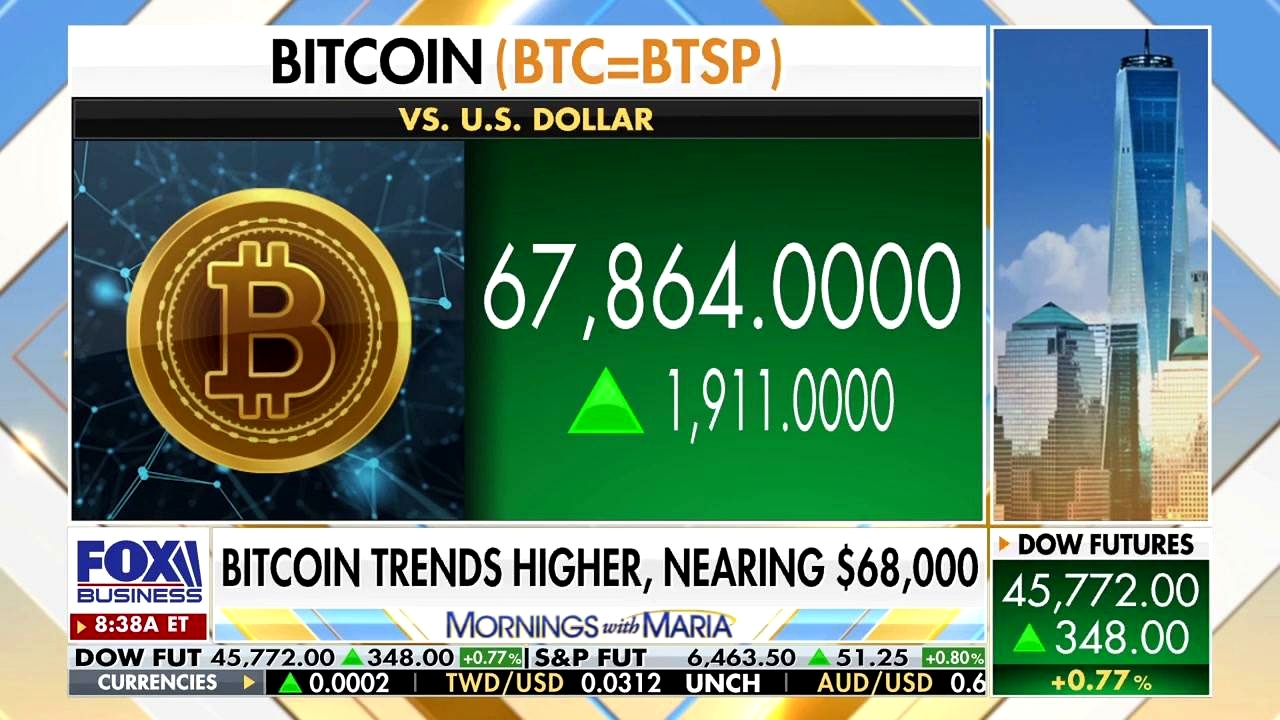
The short-term BTC setup in this interview was simple: below $70,000, but still well above prior cycle levels and within reach of a market that has already printed an all-time high at $126,000. The more useful watchpoints from the segment sit elsewhere.
First, watch US regulation, especially any progress around the Clarity Act and rules governing yield, self-custody, and how regulated firms interact with tokenized assets. Second, watch whether large banks and asset managers move from pilots to live tokenized products. Third, watch whether crypto security firms increasingly market themselves not just as wallet providers, but as operating systems for tokenized finance and AI-assisted transactions.
If Gauthier is right, Bitcoin’s latest dip is a secondary story. The bigger one is whether tokenized finance becomes mainstream fast enough to pull banks, software, and users into the same on-chain economy.
FAQ
Did Fox Business Clips give a new Bitcoin price target?
No. The segment cited current market levels and the drawdown from the all-time high, but no new BTC target or forecast was offered.
What numbers stood out in the interview?
The key figures were below $70,000 for Bitcoin, 22% below the $126,000 all-time high, 8 million-plus Ledger devices sold, close to 100 financial institutions secured, 100 million people holding keys, and a $50 million secondary share sale.
Was the discussion mainly about self-custody?
Not exactly. The interview started from self-custody concerns, but Gauthier tried to reframe the issue around security for all digital asset movement, whether the user is an individual, an institution, or eventually an AI agent.
What is Ledger saying about regulation?
The company’s CEO said he does not think regulators are trying to ban private property or hardware wallets. He framed current policy efforts as focused on stopping bad actors and said US rules could become a template for the rest of the world.
Why does New York matter in this story?
Ledger’s new office there signals where it expects future demand. Gauthier said major financial institutions are moving into tokenized assets and argued that New York could become the center of the next phase of crypto finance.
Original Source

An Indian crypto journalist covering the developments in the Bitcoin and blockchain industries. Her work helps readers understand key changes in the world of digital assets.