What if Bitcoin’s next surge is triggered not by a clean bull market, but by a break somewhere else in the financial system? That is the tension at the center of a new macro-heavy BTC outlook that pairs explosive upside with the risk of a deep drawdown.
According to Savvy Minds Connect, citing investor Lawrence Lepard, Bitcoin could first rip toward $300,000 to $350,000 on the back of a fresh wave of money printing, then suffer a severe correction if a deflationary shock hits the broader economy. The core argument is not simply that BTC is bullish. It is that the next major move may be tied to systemic stress in bonds, stocks, or both.
The headline call: a two-stage Bitcoin breakout
Savvy Minds Connect argues that Lepard sees Bitcoin as highly sensitive to the next major policy response from governments and central banks. In his framework, the immediate catalyst is “the next big print”, a new burst of liquidity after something in traditional markets breaks.
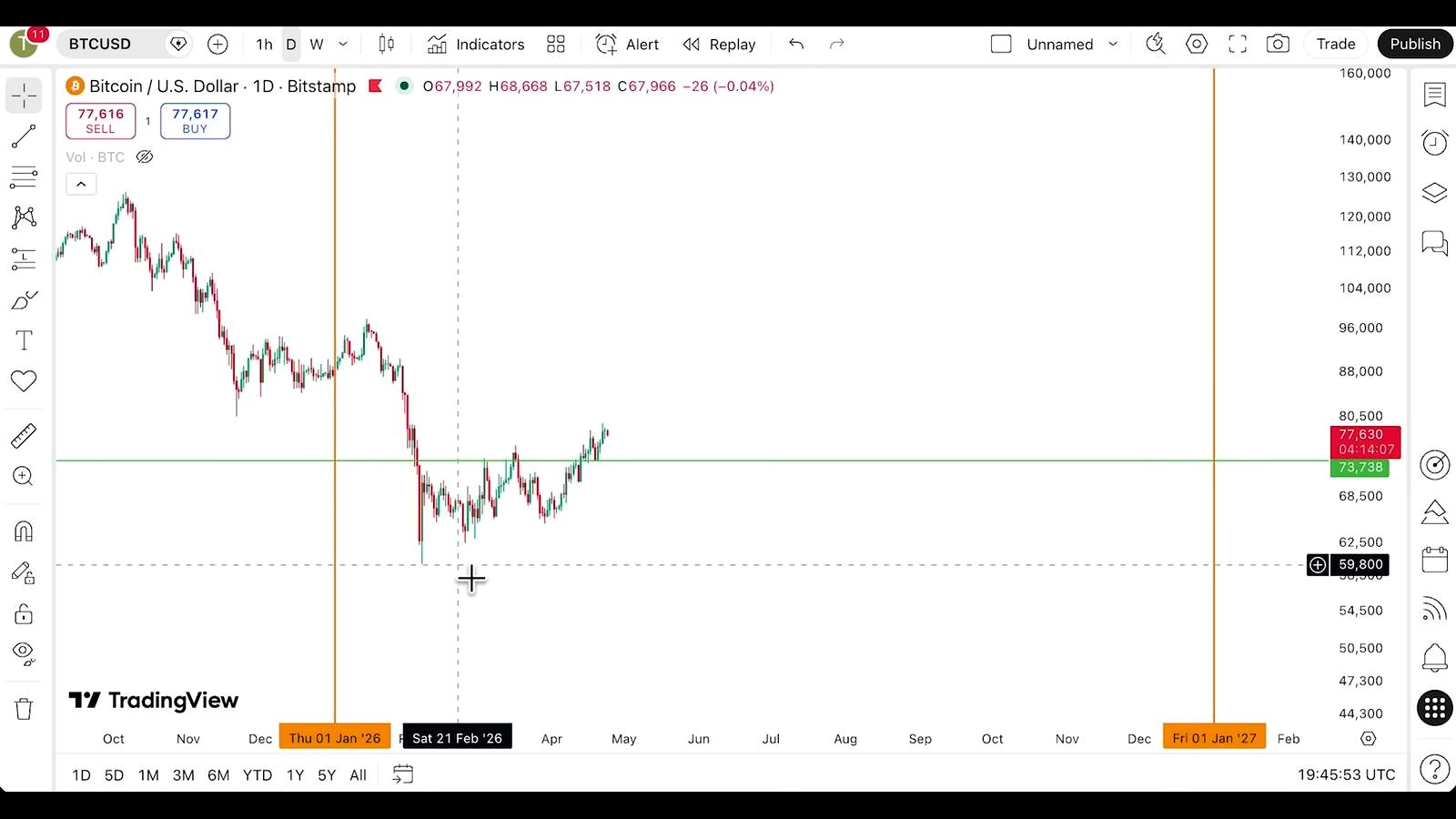
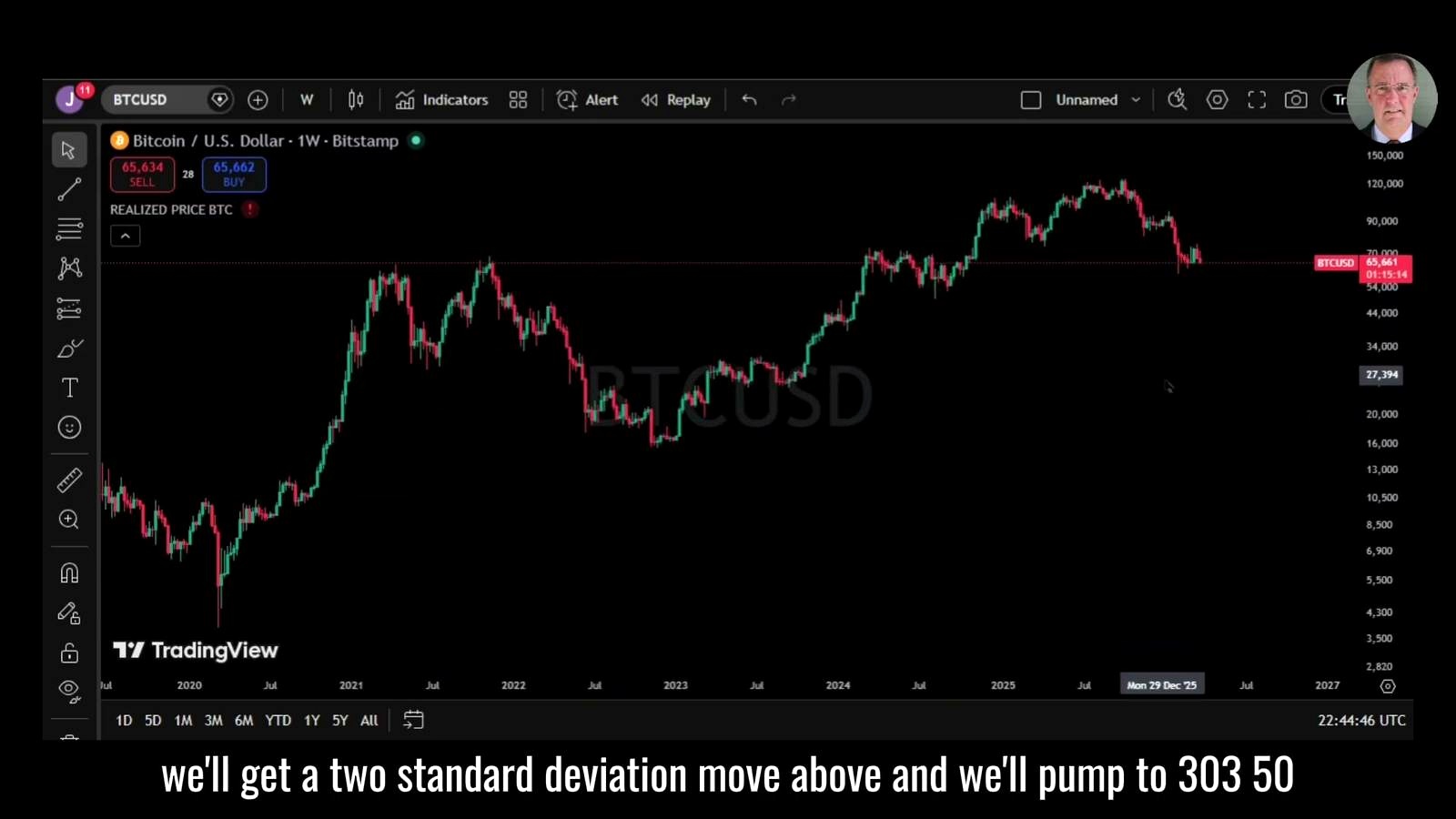
He says that event could arrive as soon as tomorrow, in roughly 6 to 9 months, or by an “outside date” of 18 months. If it happens, he expects Bitcoin to move above what he called a “power level” and make a two standard deviation upside move, with BTC reaching roughly $300,000 to $350,000.
That is the first leg of the thesis. The second is much less comfortable for bulls. The analyst says a violent deflationary impulse could follow even after policymakers start printing again. In that case, he expects a broad scramble for liquidity that would drag down risk assets and safe-haven assets alike, with Bitcoin potentially falling from a $200,000 to $300,000 peak back to around $85,000 to $100,000.
This is not presented as a contradiction. It is the structure of the call: first a liquidity-fueled breakout, then a sharp reset if the economy keeps deteriorating.
Why he thinks the trigger is macro, not crypto-native
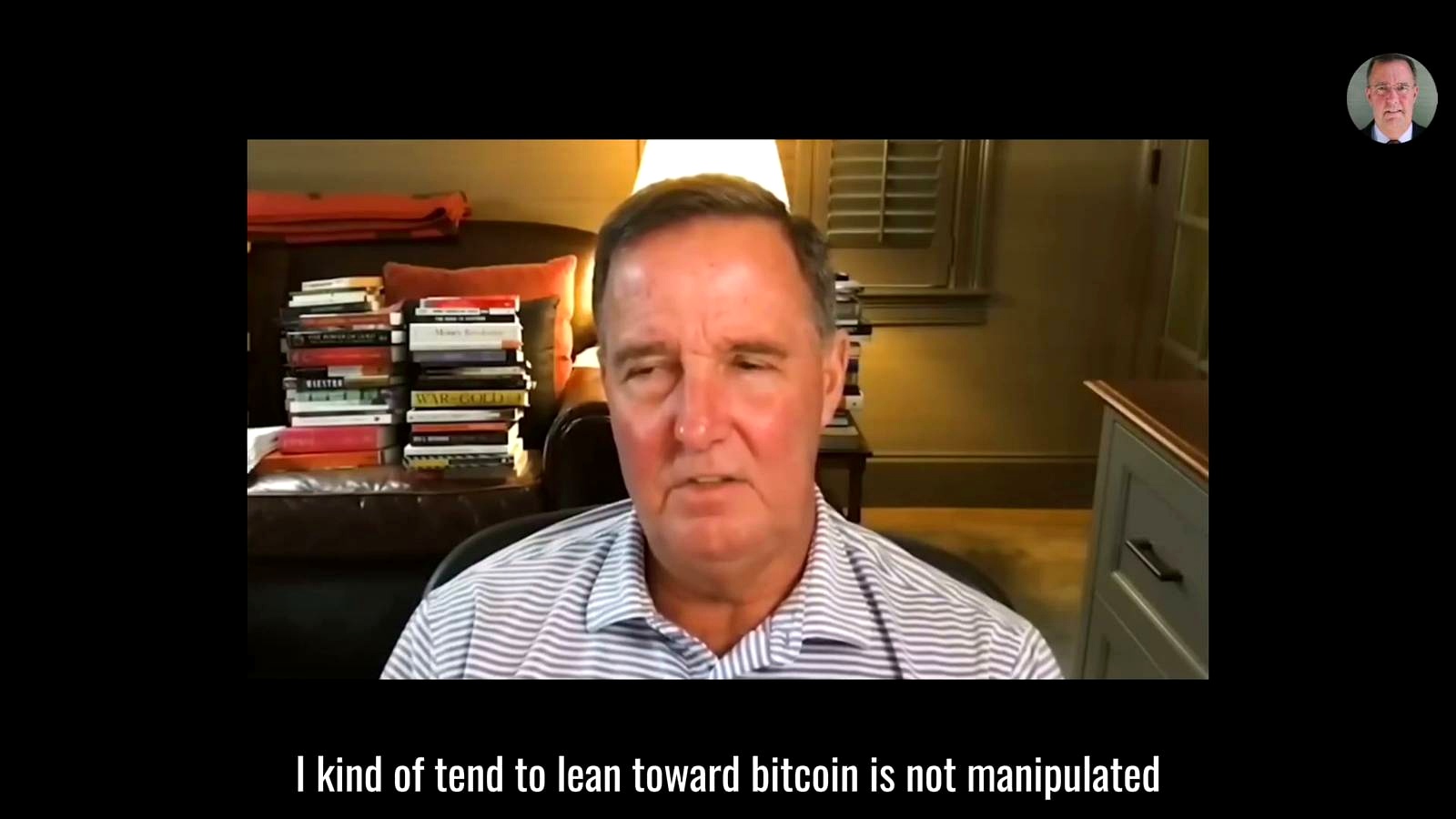
Savvy Minds Connect says Lepard does not center his thesis on a crypto-specific catalyst. Instead, he ties Bitcoin’s next major move to stress in legacy finance. He points to a scenario where “something breaks”, possibly the bond market or the stock market, forcing the government and Federal Reserve into another round of intervention to prevent a broader collapse.
In his view, that policy response would flood the system with liquidity and ignite demand for hard assets, especially Bitcoin. He also argues that Bitcoin’s upside can accelerate quickly because of how hard it is to contain once demand overwhelms short sellers or synthetic exposure.
To illustrate the point, he references the previous cycle, when Bitcoin moved from roughly $10,000 to $50,000, a 5x jump, in 2019,2020. For him, that episode shows how fast BTC can move when momentum and capital inflows line up.
His manipulation view is more nuanced than a simple “yes” or “no”
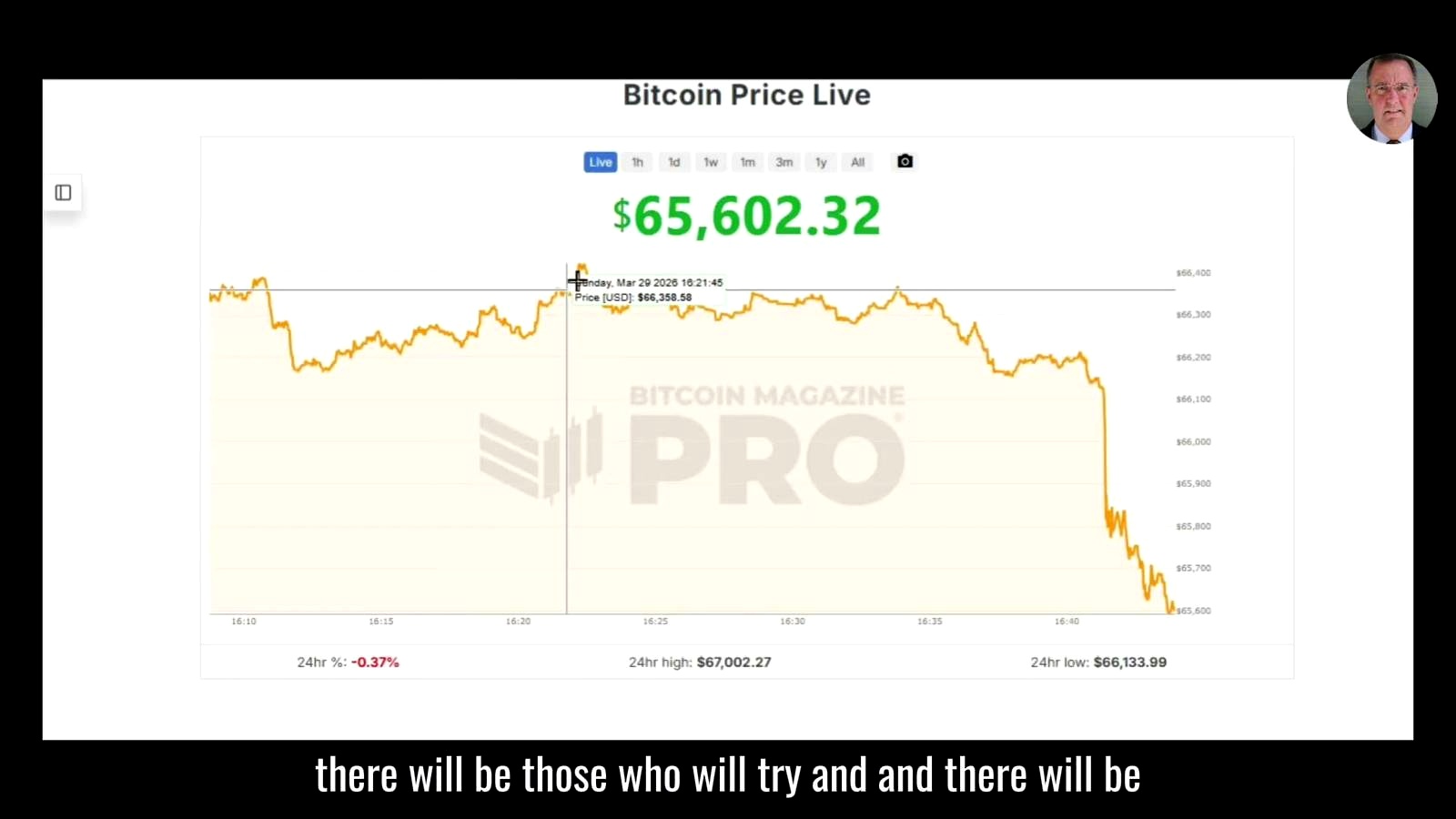
Savvy Minds Connect notes that Lepard does not flatly claim Bitcoin is manipulated today. He says he leans toward Bitcoin not being manipulated in a decisive way, while acknowledging that any large financial market attracts players who try.
The specific concern he raises is the growth of “paper Bitcoin”, futures contracts and other exposure that are not backed by the underlying asset. If that market expands rapidly and aggressively, he says he would become more worried about a suppression dynamic in Bitcoin pricing.
That distinction matters. He is not arguing that BTC’s price is currently fake. He is warning that synthetic supply could become a bigger issue if paper markets outgrow real demand for the underlying asset.
The bigger, later call: Bitcoin at $1 million
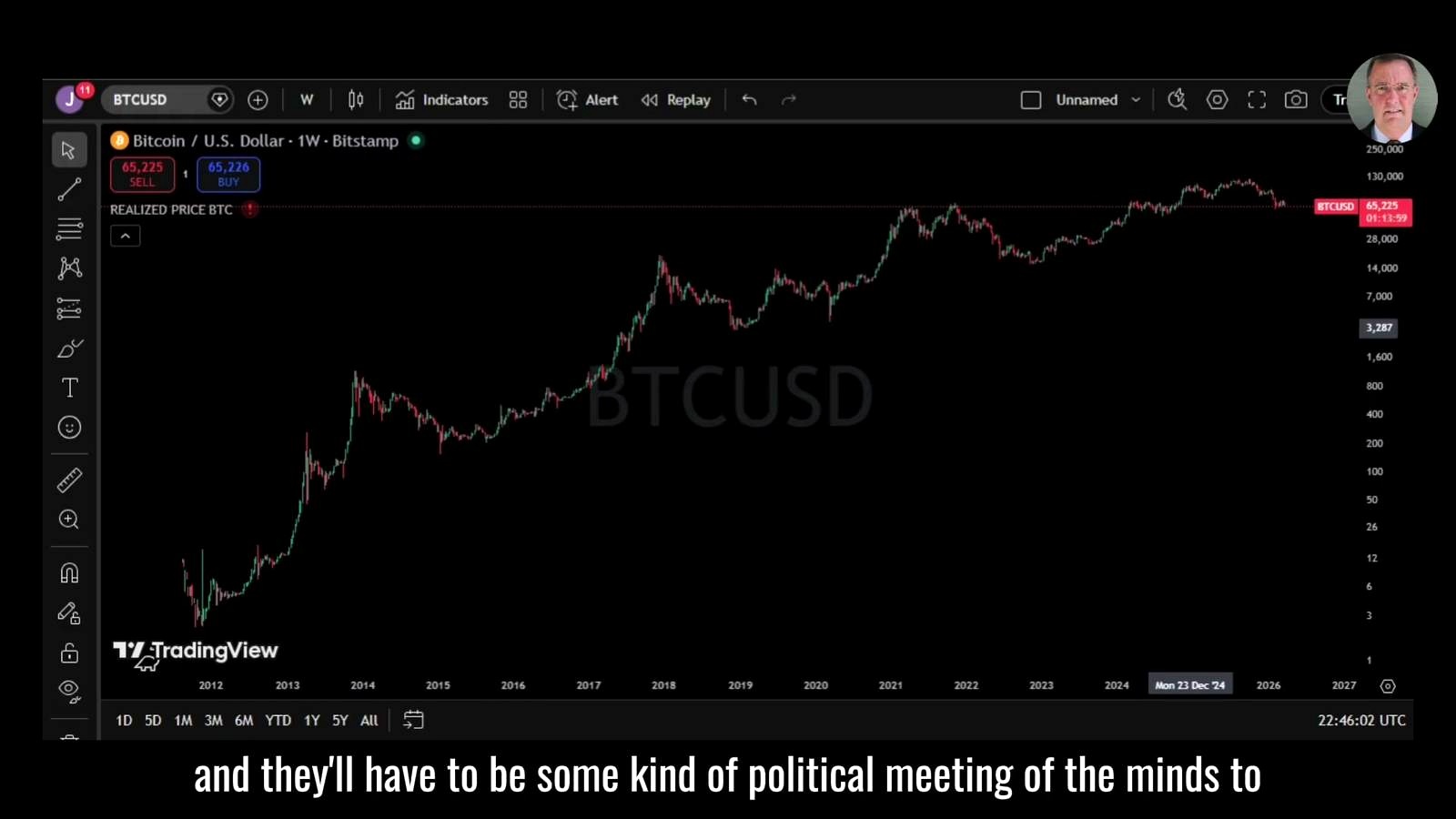
According to Savvy Minds Connect, Lepard’s most ambitious target comes after the first breakout and the deflationary washout. He says a far larger round of money creation, potentially including direct payments to households, would mark the final stage of the crisis.
He gives a concrete illustration of what that could look like: checks of $50,000 per family under a universal basic income-style response. In that endgame scenario, he predicts Bitcoin could reach $1 million, while gold could rise to roughly $20,000, $30,000, or $40,000.
The reason for those extreme targets is also extreme: he ties them to outright currency failure. In his telling, that is the point where the monetary system would have to be politically reset rather than merely patched.
The timeline he laid out
The host presents a multi-year horizon for the larger crisis and reset. The key dates and ranges mentioned were:
- Tomorrow: earliest possible timing for the next major policy response
- 6 to 9 months: his medium-term window for that response
- 18 months: his outside date for the next “big print”
- 2027: his base-case timeframe for the broader endgame
- 2030 to 2031: his latest rough window for that process
- 2008: the starting point he uses for his “fourth turning” framework
He says the crisis path is not inevitable in a mechanical sense. A monetary reset and more responsible fiscal behavior from Washington could stop it. But he also says he does not expect that kind of discipline to appear without a full-blown crisis first.
What a reset could look like
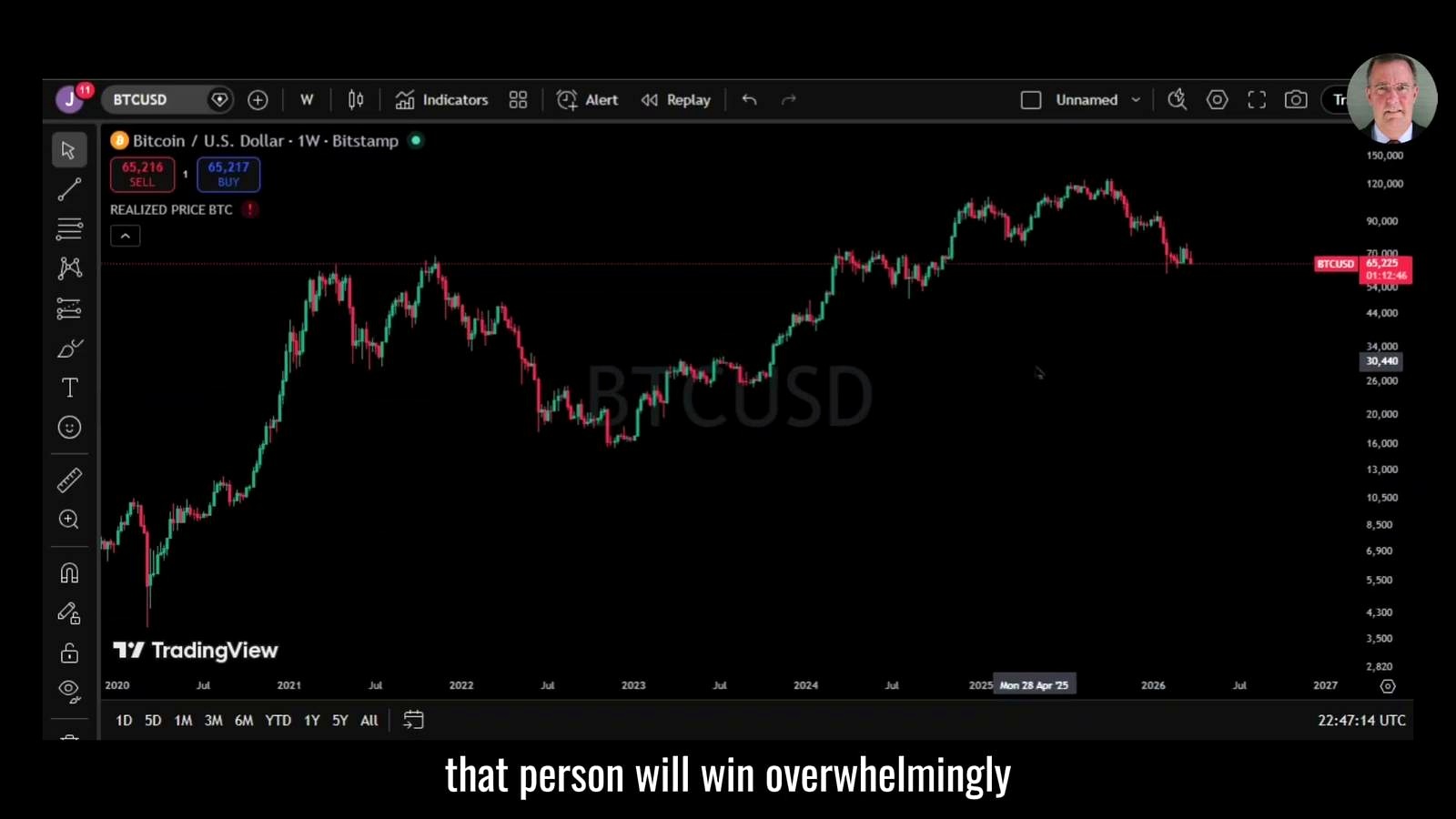
Savvy Minds Connect says Lepard expects the political response to come only after the public is exhausted by inflation, instability, and financial pain. At that point, he believes a politician openly advocating sound money could win overwhelming support.
Rather than a national breakup, he says a constitutional convention or similar political restructuring is more likely. The goal would be to reset the rules of the system and restore a sound-money footing.
That is the endpoint of the thesis: not just a higher Bitcoin price, but a monetary regime change driven by crisis.
The long-term backdrop: deflationary technology versus inflationary policy
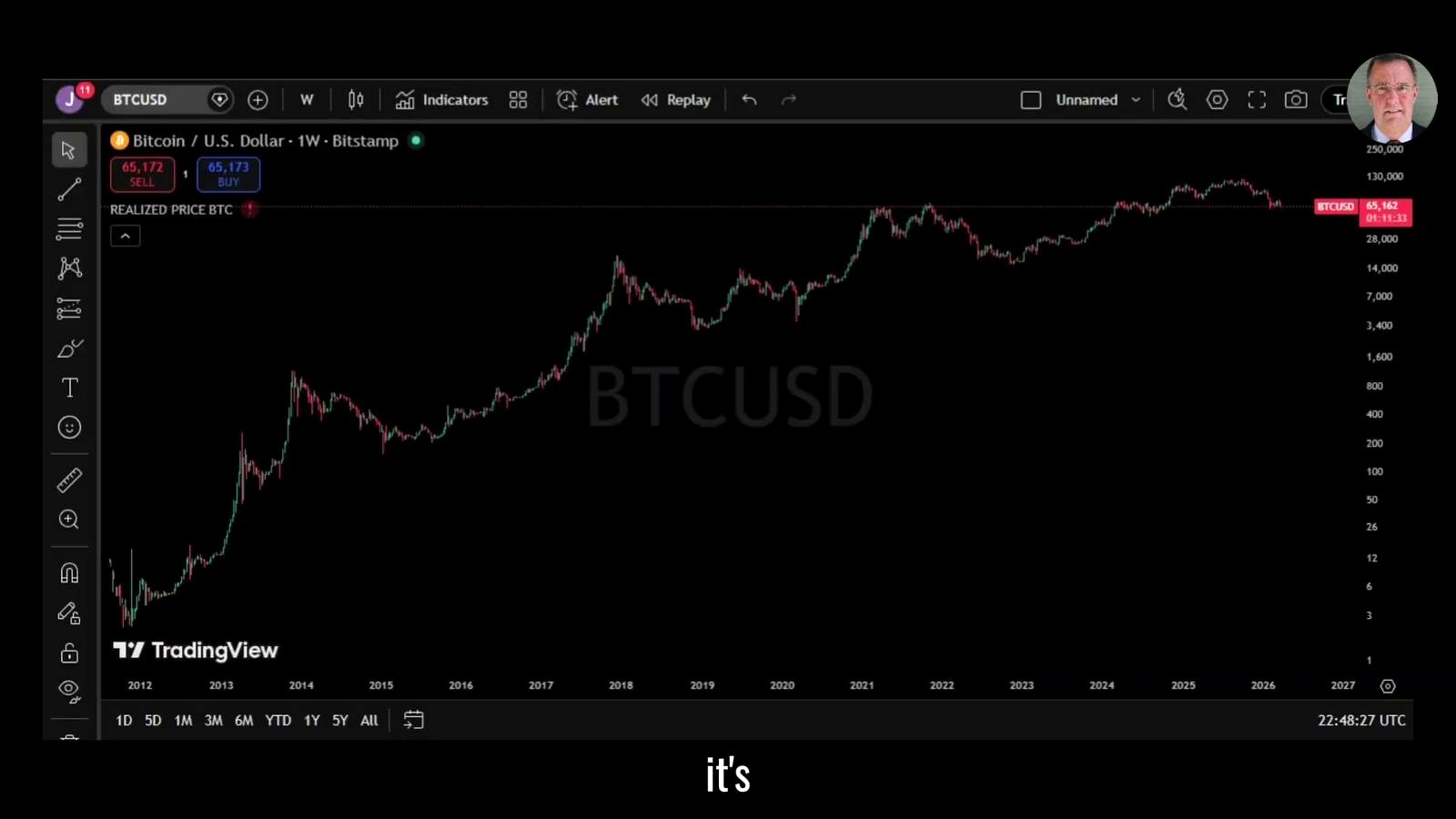
One of the more distinctive parts of the interview is that Lepard is not broadly pessimistic about the future. Savvy Minds Connect says he sees strong deflationary forces in technology, from AI to robotics to energy innovation, as fundamentally positive for living standards.
He describes himself as a heavy ChatGPT user and says AI is already changing how quickly people can gather information. He also points to robotics and automation, arguing that some jobs may disappear in as little as 10 to 15 years. On energy, he says nuclear power is needed, and adds that AI will drive even more demand for electricity.
His larger point is that the world has powerful productivity gains available. The problem, in his view, is a broken money system that distorts those gains and fuels conflict through centralized state spending and money creation.
What to watch next for Bitcoin
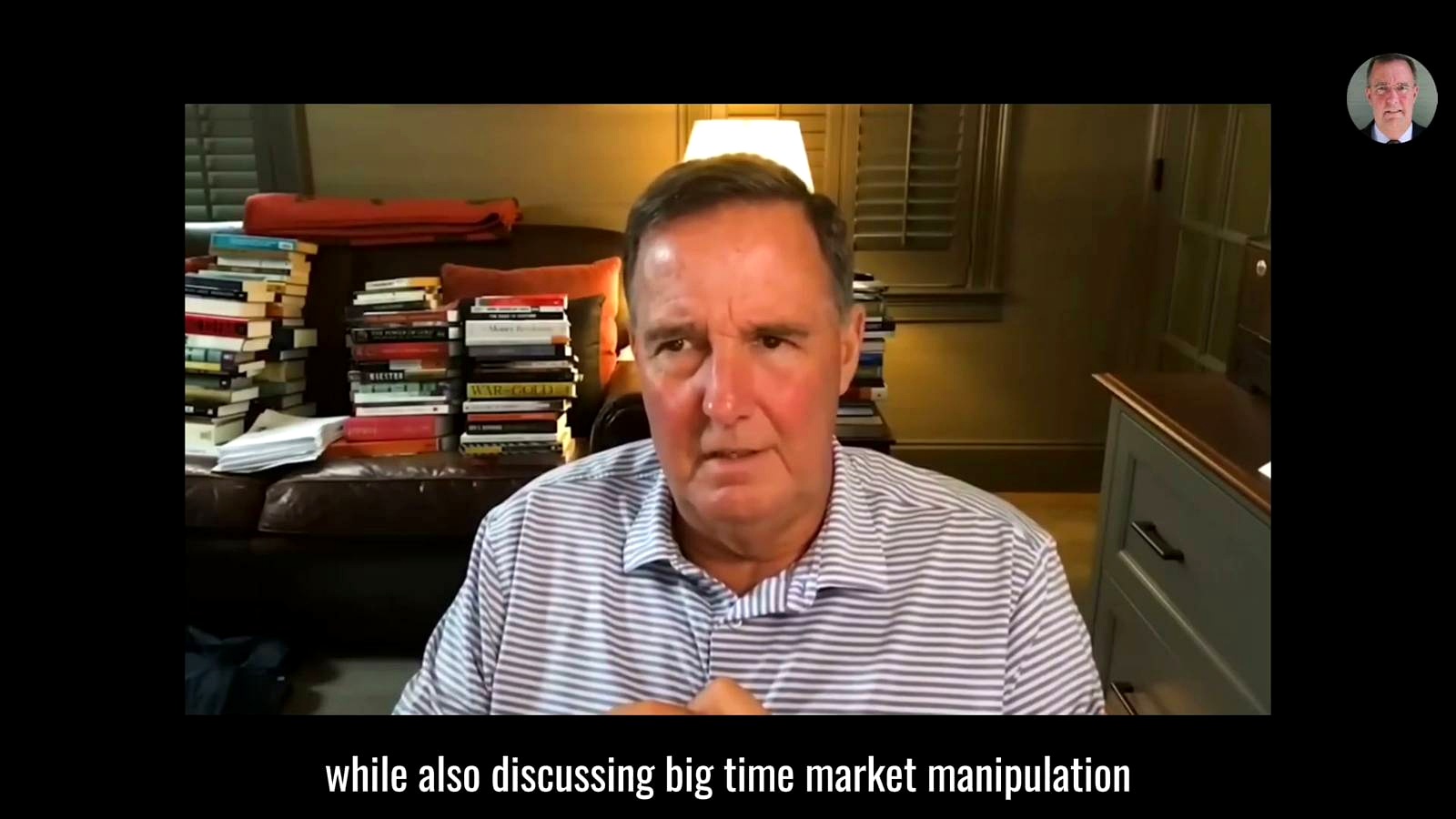
The immediate signal in this framework is not a crypto chart pattern. It is a macro rupture followed by an aggressive policy response. Traders and investors watching this thesis unfold would need to monitor stress in bonds, equities, and liquidity conditions more than any single on-chain metric mentioned in the video.
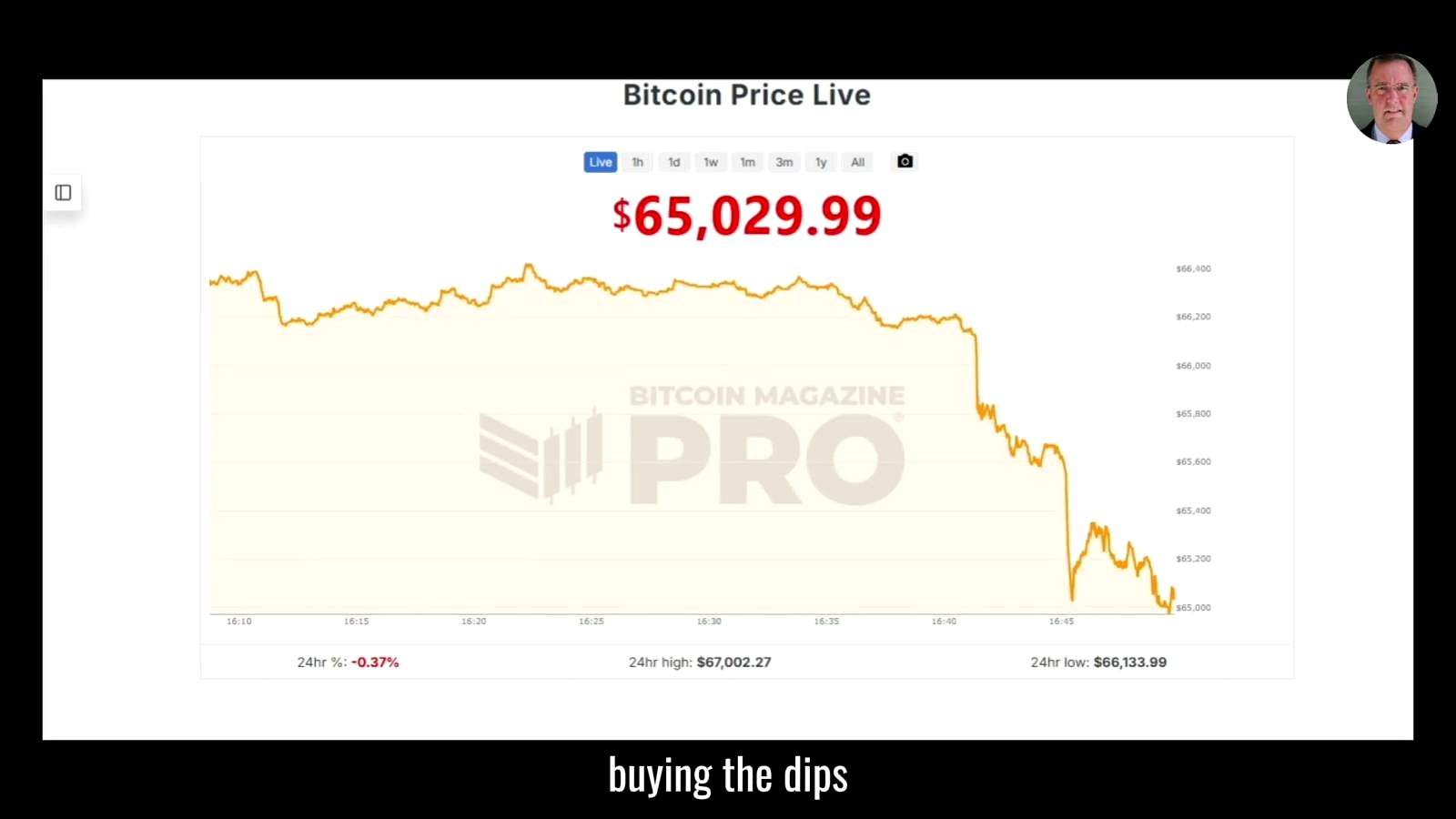
Savvy Minds Connect also says Lepard favors getting exposure before any sudden capital influx forces the market higher. The channel summarizes his approach as accumulating strategically, using dollar-cost averaging, buying pullbacks, and focusing more on long-term direction than on finding a perfect entry.
If this thesis is right, the next important Bitcoin move would not be a routine leg higher. It would be part of a much wider repricing of money, risk, and trust in the existing financial system.
FAQ
Did Savvy Minds Connect say Bitcoin is being manipulated right now?
No. The channel says Lepard leans toward Bitcoin not being actively manipulated in a dominant way at present. His concern is more forward-looking: if paper BTC markets grow too large relative to spot demand, suppression risk could increase.
What exact Bitcoin price targets were mentioned?
The specific BTC levels cited were $300,000 to $350,000 on the first major upside move, a possible correction to $85,000 to $100,000, and a later endgame target of $1 million.
What is supposed to trigger the first move higher?
The proposed trigger is a break in traditional finance, especially in the bond market or stock market, followed by a new round of government and central-bank liquidity creation.
How soon does this scenario begin, according to the video?
The timing given was very broad. Lepard’s earliest case was tomorrow, his medium window was 6 to 9 months, and his outside date was 18 months.
Was the outlook only about Bitcoin?
No. The video linked Bitcoin to a wider macro thesis about deflation, money printing, gold, AI, nuclear power, and a possible political reset toward sound money. Bitcoin was presented as the clearest market expression of that larger view.
Video Source

Omar Al-Sharif lives and works in the UAE and is involved in the blockchain technology industry. He writes articles on Bitcoin and digital assets as a personal passion, explaining complex topics in simple and understandable language.