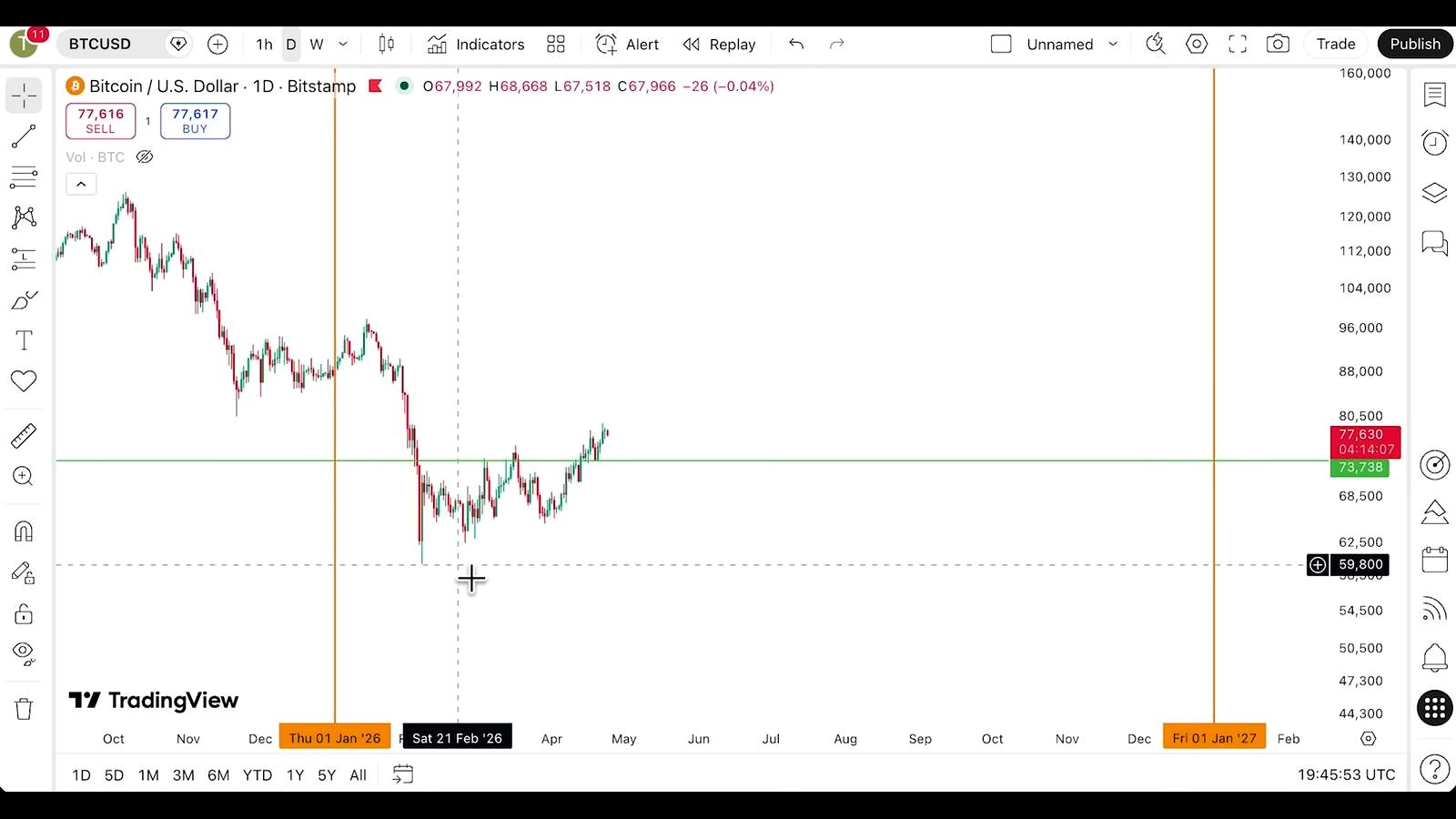
Raoul Pal and Tom Lee are pointing to a major shift in the crypto market as 2026 approaches. Their view centers on two powerful forces: a possible surge in global liquidity and signs that the traditional Bitcoin 4-year cycle may be changing.
At the same time, both emphasize that opportunity does not remove risk. Bitcoin and crypto can still experience sharp corrections even during strong market phases, making volatility a central part of the outlook.
Why Raoul Pal Says Liquidity Is the Main Driver of Bitcoin

Raoul Pal believes the biggest force behind Bitcoin price action is liquidity. In his view, when money floods the financial system, risk assets rise, and Bitcoin has repeatedly been one of the first places that capital moves.
He argues that global interest payments on government debt are rising so sharply that the world may need to create roughly $7 trillion to $8 trillion of new liquidity over the next 12 months just to keep the system functioning.
The $7 Trillion to $8 Trillion Liquidity Thesis
Pal links rising interest payments to the need for fresh liquidity. He says interest payments lead, and then liquidity has to be created to pay for those debts.
He points to several possible sources of that liquidity:
- Changes to the supplementary leverage ratio that could push trillions through the banking system
- Fiscal stimulus that could add more money into the banking system
- Balance sheet rebuilding
- Treasury general account drawdowns that could release additional capital into circulation
When combined, Pal says those levers can bring the total close to $8 trillion without even talking about rates.
The “Everything Code” and Bitcoin
Pal describes this idea as the “everything code.” The concept is simple: liquidity drives markets. If liquidity expands aggressively, the assets furthest out on the risk curve tend to react the fastest.
He says that if 90% of Bitcoin’s price action is explained by global liquidity, then that becomes the dominant macro factor, while much of the rest is noise.
Why Volatility Is Central to the Crypto Opportunity
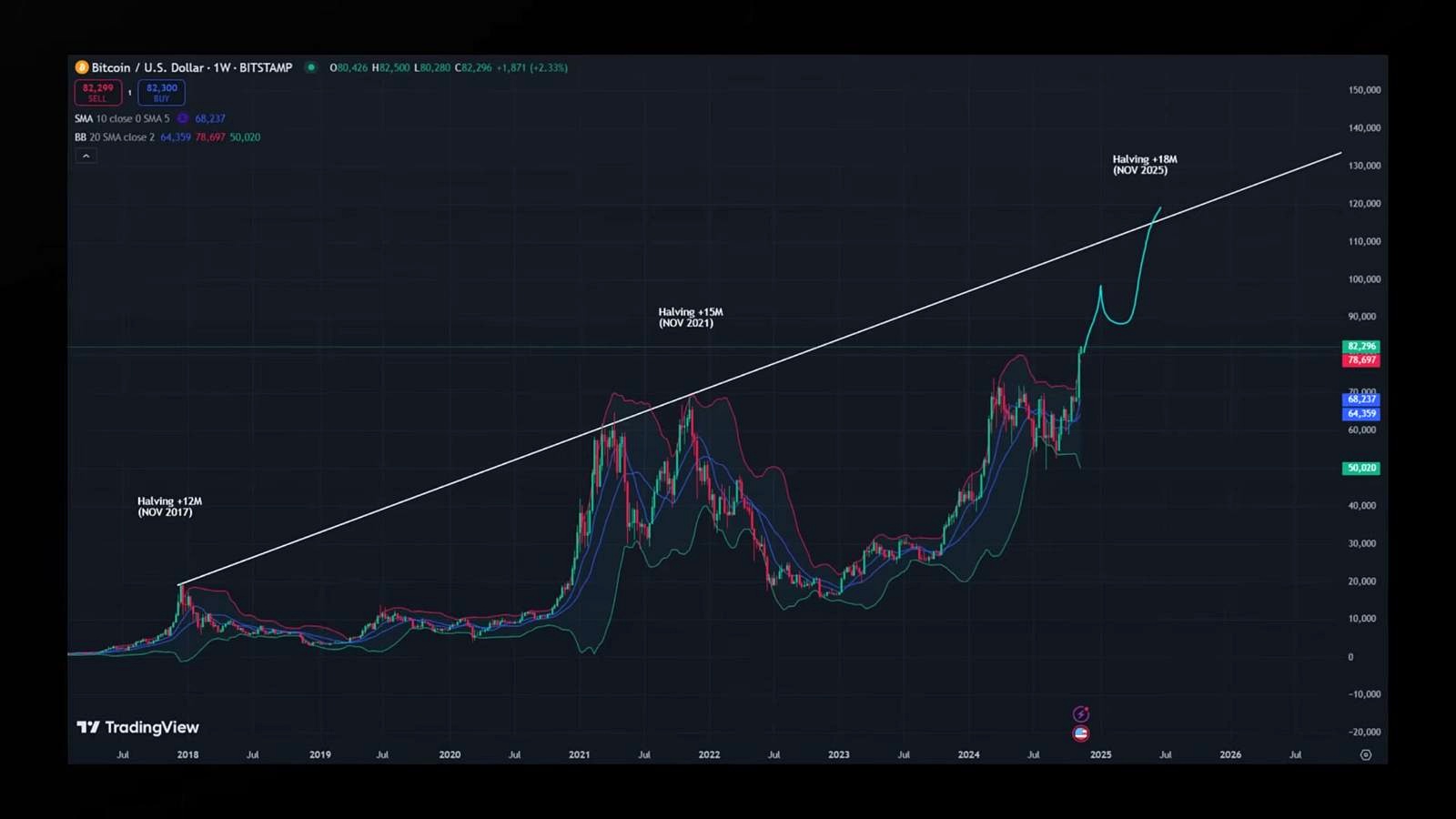
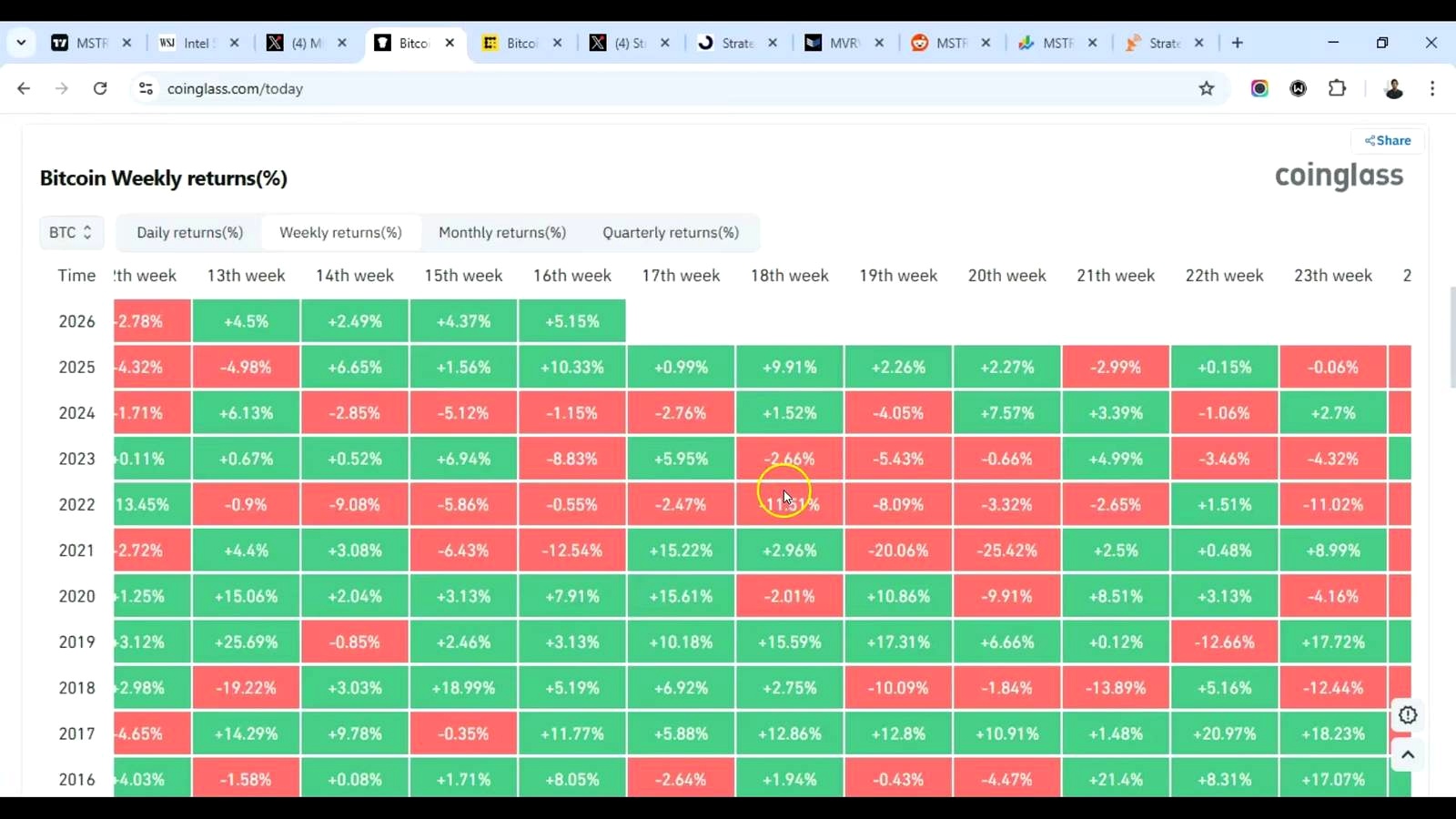
Pal does not treat volatility as a flaw in crypto markets. He sees it as part of how the system works, especially during strong bull markets.
That means small investors should not expect a straight line higher, even if the broader environment turns favorable.
Expected Bitcoin Pullbacks in a Bull Market
According to Pal, investors should expect Bitcoin to suffer pullbacks of around 35% more than once during a strong cycle. He says this kind of move has happened repeatedly in bull markets and can shake out weaker hands before the next major advance.
How the Risk Curve Works Across Crypto
Pal explains that once capital moves deeper into the crypto ecosystem, volatility increases sharply. When Bitcoin drops, assets further out on the risk curve tend to fall harder.
- Bitcoin: around 35% pullbacks
- Ethereum: around 40% to 45% pullbacks
- Other layer 1 networks: can fall even more
- Smaller and newer projects: can collapse much further during corrections
But the same risk curve can work in reverse when markets recover. As confidence returns, capital can flow outward from Bitcoin into Ethereum and then into other parts of the market.
Where Pal Thinks Positioning Is Easier
Pal says the easier place to position is in high-quality layer 1 networks that already have proven adoption. He describes these as a simpler bet compared with going too far out on the risk curve.
Tom Lee’s View: The Traditional 4-Year Bitcoin Cycle May Be Breaking
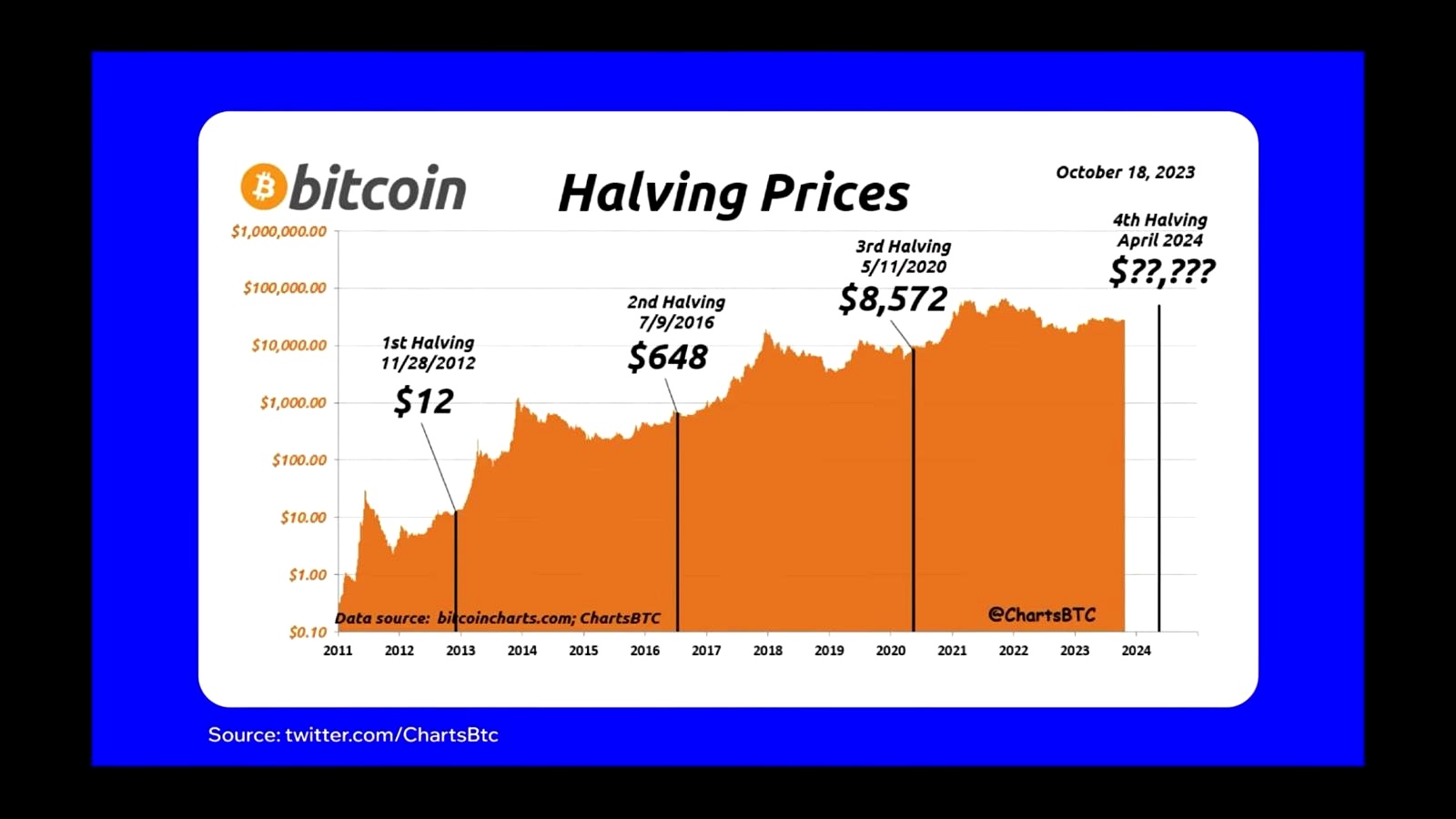
For years, many investors have believed Bitcoin follows a strict 4-year cycle. Tom Lee argues that this cycle may already be shifting.
He says some of the indicators that usually appear near cycle tops have not shown up. In several cases, the data is moving in the opposite direction.
On-Chain Activity Is Accelerating, Not Slowing
Lee points to Ethereum as a key example. Instead of weakening, major on-chain measures have been strengthening:
- Active addresses have been rising
- Daily activity has been accelerating higher
- Total value locked has been increasing
He notes that in previous cycles, these metrics usually weakened before the market peaked. This time, they are still climbing.
The October 10th Deleveraging Event
Lee also highlights the massive deleveraging that took place on October 10th. He says the amount of leverage wiped out may have been even larger than the collapse in November 2022.
That matters because leverage resets often mark major bear market lows. If that reset happened earlier than expected, the market may have cleared out excess speculation ahead of schedule.
Macro Indicators Have Not Confirmed a Peak
Lee says Bitcoin peaks have historically been linked to the broader business cycle. He points to the ISM index as one of the indicators that has often aligned with prior cycle highs.
But this time, the ISM has remained below 50 for an unusually long period, close to three years. He also notes that other macro relationships normally seen at Bitcoin tops are different in this cycle.
Because of that, Lee says he is in the camp that does not think this is a normal 4-year cycle.
Why Wall Street Skepticism Still Matters
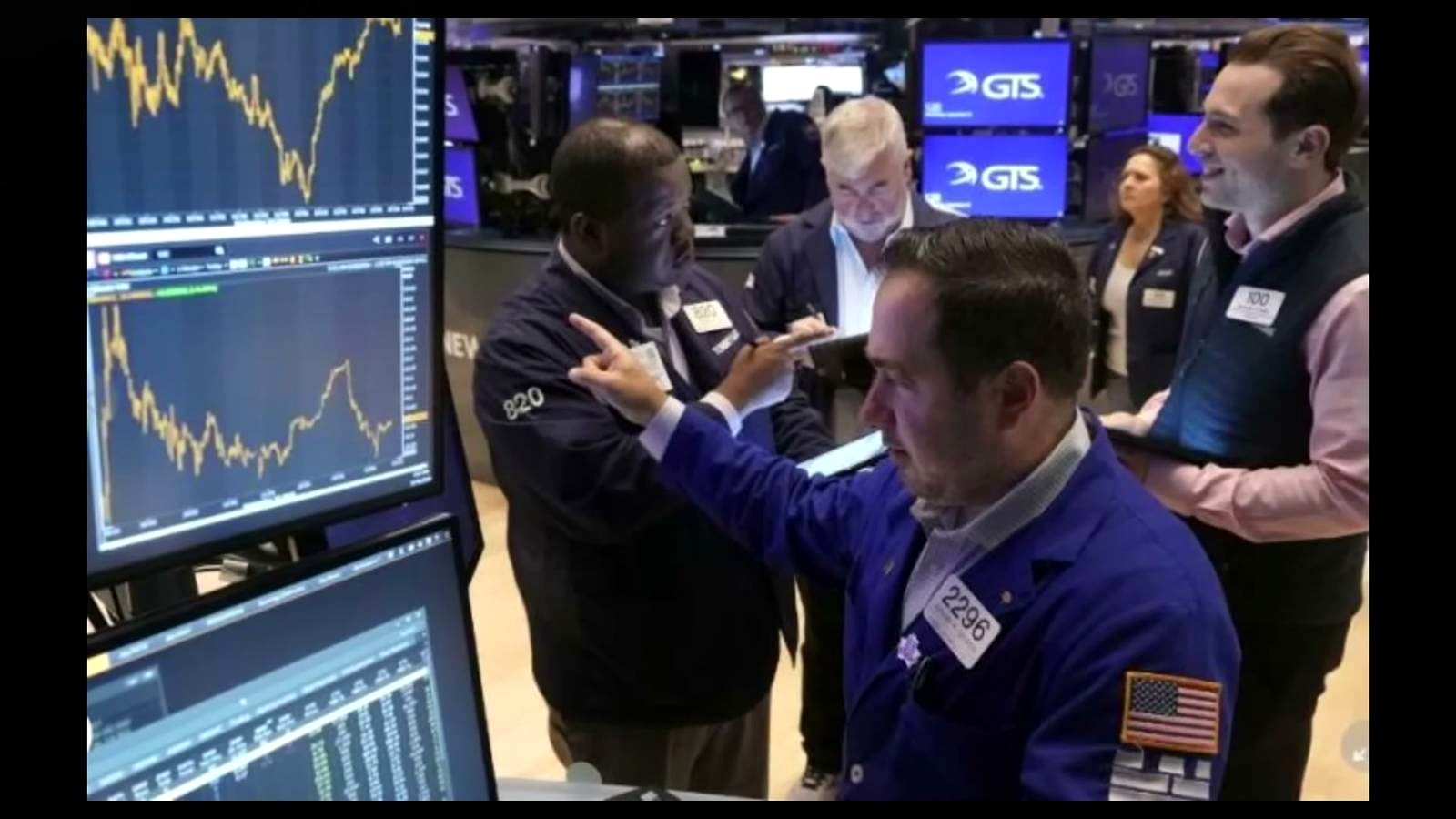
Lee says many senior decision-makers on Wall Street still do not truly believe in crypto. While banks may have blockchain teams, internal experiments, and evangelists, conviction at the top remains limited.
He compares the current situation to the early days of wireless technology, when mobile communication was still viewed as a niche idea before it became dominant.
Blockchain Companies Versus Traditional Banks
Lee argues that blockchain-based companies may already be showing how different this model can be. He points to stablecoin companies as an example of how blockchain businesses can operate with very small workforces relative to traditional banks.
He says a company like Tether, with about 180 billion of stablecoins or tokenized dollars, may generate around $20 billion in profit in 2026. He also notes that it operates with roughly 300 employees, compared with far larger staffing at major traditional banks.
Why Lee Sees a Structural Shift
Lee believes blockchain-based finance may eventually transform how money moves across the world. He points to several advantages:
- Transactions can settle instantly
- Fraud risks can be reduced
- Costs can fall dramatically
Even so, most of Wall Street still treats crypto as experimental. Lee suggests that this gap between skepticism and adoption could create one of the biggest opportunities of the cycle.
What This Means for Small Bitcoin and Crypto Investors
The main warning from Pal and Lee is that a strong backdrop does not mean an easy market. If a major liquidity wave arrives, Bitcoin and crypto could react powerfully, but that move may come with brutal drawdowns along the way.
Pal’s message is that volatility is normal and often part of the setup for future gains. Lee’s message is that this cycle may not follow the old script, because on-chain activity, deleveraging, and macro indicators are not behaving like a typical top.
Key Takeaways
- Pal believes liquidity is the dominant force behind Bitcoin price action.
- He estimates $7 trillion to $8 trillion of liquidity may need to be created in the next 12 months.
- Bitcoin can still fall around 35% during a bull market.
- Assets further out on the risk curve can fall much harder before recovering.
- Lee believes the traditional 4-year Bitcoin cycle may be breaking down.
- On-chain activity is still accelerating instead of weakening.
- The October 10th crash may have front-loaded deleveraging earlier than expected.
- Many top Wall Street leaders remain skeptical even as blockchain systems continue to grow.
FAQ
What is Raoul Pal’s main Bitcoin thesis for 2026?
Pal’s main thesis is that global liquidity is the biggest driver of Bitcoin. He believes the world may need to create roughly $7 trillion to $8 trillion of new liquidity over the next 12 months, and that this could have a major impact on Bitcoin and crypto.
Why does Raoul Pal think Bitcoin could rise if more liquidity enters the system?
He says that when money floods the financial system, risk assets tend to rise. Bitcoin has historically been one of the first assets to react when global liquidity expands.
How big can Bitcoin corrections be in a bull market according to Pal?
Pal says investors should expect Bitcoin pullbacks of around 35% more than once during a strong cycle.
What does Tom Lee say about the Bitcoin 4-year cycle?
Lee believes the traditional 4-year cycle may be changing. He says several indicators that normally signal the end of a cycle have not appeared, and some are moving in the opposite direction.
What signs does Tom Lee use to argue the cycle may be different?
He points to accelerating on-chain activity, rising active addresses, increasing total value locked, the large October 10th deleveraging event, and macro indicators that have not confirmed a typical cycle top.
Why does Wall Street skepticism matter in this cycle?
Lee says many senior leaders on Wall Street still do not truly believe in crypto. He sees that gap between skepticism and adoption as potentially important because blockchain companies are already building financial systems that could rival major banks.
What part of the crypto market does Pal see as an easier bet?
Pal says high-quality layer 1 networks with proven adoption are an easier place to position than going too far out on the risk curve.
Reference Video

An Indian crypto journalist covering the developments in the Bitcoin and blockchain industries. Her work helps readers understand key changes in the world of digital assets.