Crypto is presented here not as one single thing, but as a broad industry with many moving parts. The discussion covers what mining is, why it matters, how a mining company operates, and why research, transparency, energy access, and diversification are treated as essential.
At the center of the conversation is Muhammad Abdul Rak, founder of 71 Digital, a Dubai-based crypto mining company. He explains his entry into crypto, how mining works, how 71 Digital generates revenue, what risks exist in the market, and why he believes the future of crypto remains bright despite volatility and what he describes as ethical problems in other parts of the industry.
Why Muhammad Abdul Rak Got Into Crypto
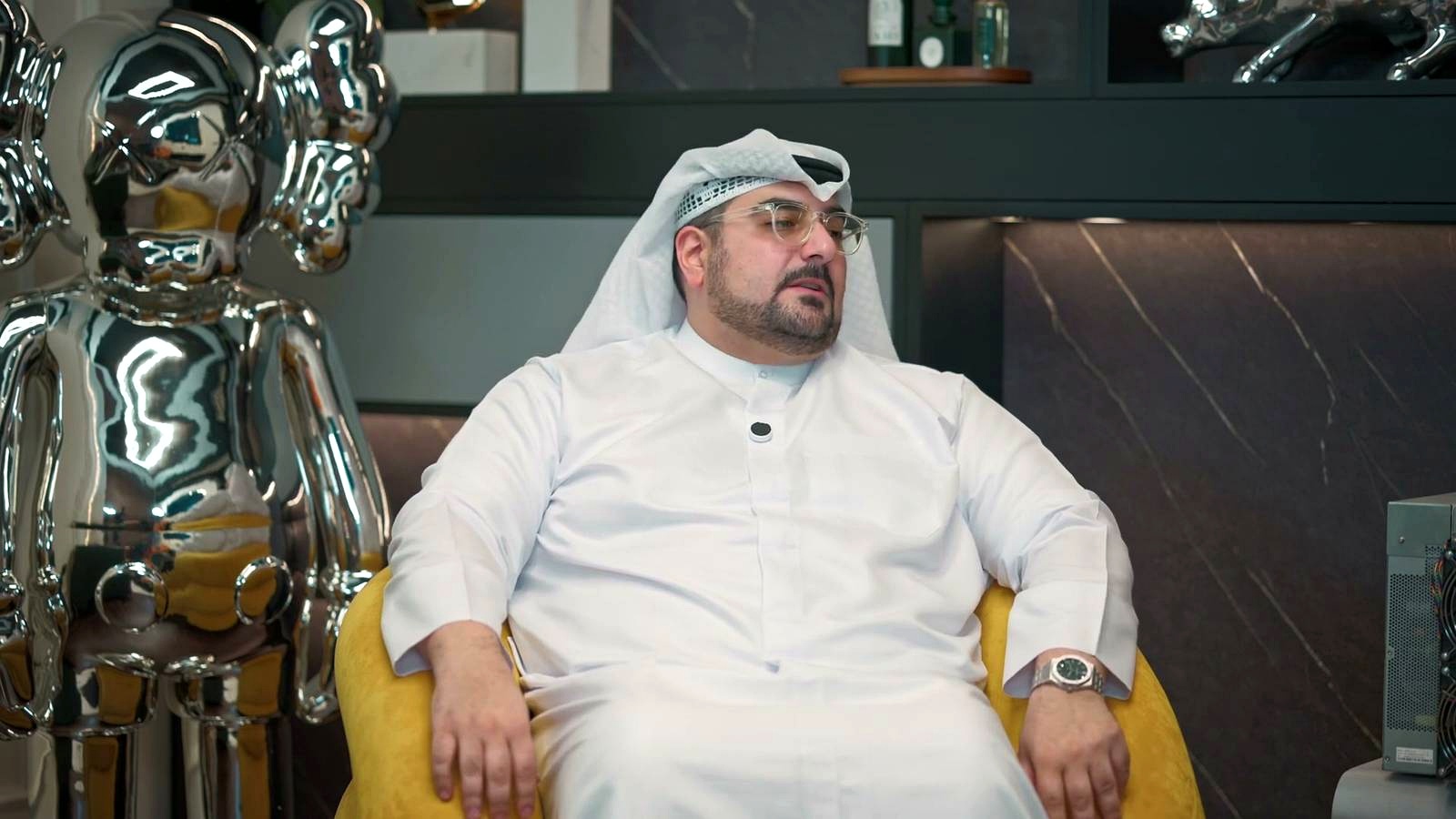
Muhammad Abdul Rak says his interest in crypto came from both a personal and philosophical place. He points to the 2008 stock market crash, when many people lost money because they were trusting the central financial system.
He says that the publication of the Bitcoin white paper and the rise of Bitcoin led him to study the concept more deeply. What attracted him was the idea of a decentralized financial system, a tangible asset that is against inflation, rather than depending only on the fiat system.
He also says the entrepreneurial side drew him in. In his words, mining created the opportunity to “create my own bank” by using technology, hardware, computers, and energy. He says he learned about the concept around 2010 and has been venturing in the space since 2017, while his company has been scaling since then.
What Crypto Means in Practice
According to the discussion, when people say “crypto,” they may actually be talking about very different things. Crypto can include:
- Exchanges
- Liquidity providers
- Launching a crypto coin
- Launching a blockchain
- Mining
- Supporting the network
- Web3
- Metaverse
- Gaming and virtual tokens
The main point made is that anyone entering the space needs to understand what exactly they are getting into.
His Early Business Experience in Crypto
Although crypto mining was an early personal interest, Muhammad Abdul Rak says his first actual company in crypto was an auditing company in the DeFi space. He says that experience helped him understand proof of work, proof of stake, oracles, documentation, cold and hard wallets, exchanges, centralized versus decentralized systems, rug pulls, scam coins, meme coins, and the overall market mechanism.
He says that this experience taught him what people look for in the market: transparency.
Why Mining Matters

Mining is described as especially important in proof-of-work systems such as Bitcoin. By contrast, he describes Ethereum and Solana as proof-of-stake systems where all tokens have already been distributed and there is nothing to mine.
He says he prefers the mining concept because it is related to security and decentralizes the network. In his explanation, anyone with access to energy and internet can mine and can create a node.
How Mining Works
Mining is explained as requiring work to prove that a coin has been minted. He says miners compete for hash blocks and collect rewards.
He also describes miners as operating in a way similar to Visa by verifying transactions and earning a fee for each peer-to-peer transaction that is processed.
He adds that Bitcoin has a total supply of 21 million coins, and that once all coins are mined, miners can continue earning through transaction volume and fees as adoption and transaction activity increase.
The Evolution of Mining Hardware
The conversation describes how mining hardware evolved over time:
- CPUs were used in the early days
- Then GPUs became more important as network difficulty increased
- Later, manufacturers launched ASIC mining machines
He says this hardware shift was part of what made the entrepreneurial side of mining attractive.
71 Digital and Its Operations
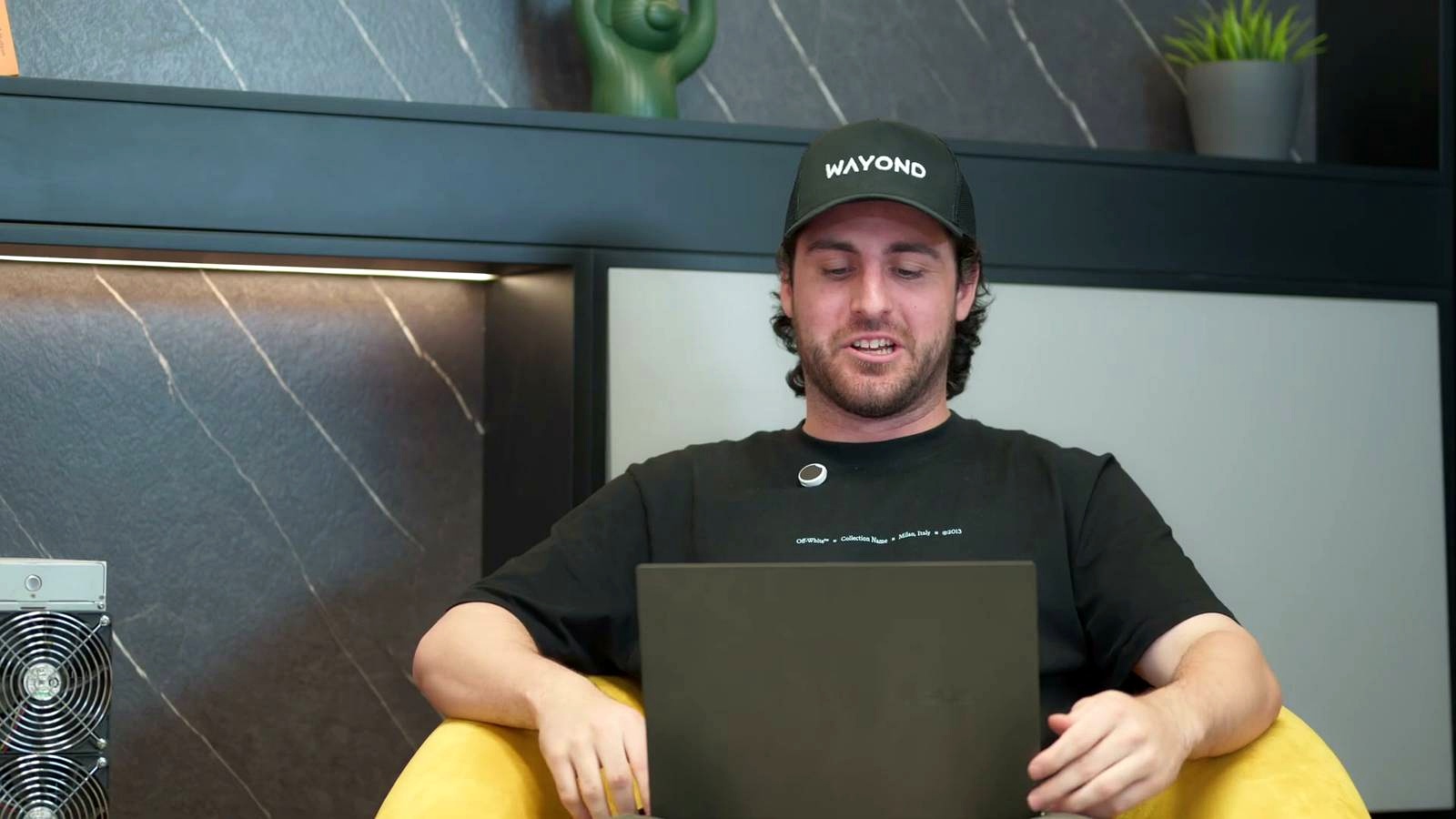
71 Digital is described as one of the leading mining companies in the UAE. Muhammad Abdul Rak also describes it as running one of the largest UAE crypto mining operations.
He says the company currently operates:
- 5 megawatts in the UAE
- 5 megawatts in Kuwait
- Another 5 megawatts planned by the end of the quarter
Compared with large public mining companies such as Marathon, Bitfarms, and Bitdeer, he says 71 Digital is small. He notes that those companies are publicly listed, receive external investment, and have many shareholders, while 71 Digital is a private company self-invested by four shareholders.
Still, he says 5 megawatts for four people is substantial, especially because the company does a lot of self-mining and also offers hosting for clients.
Scale and Mining Capacity
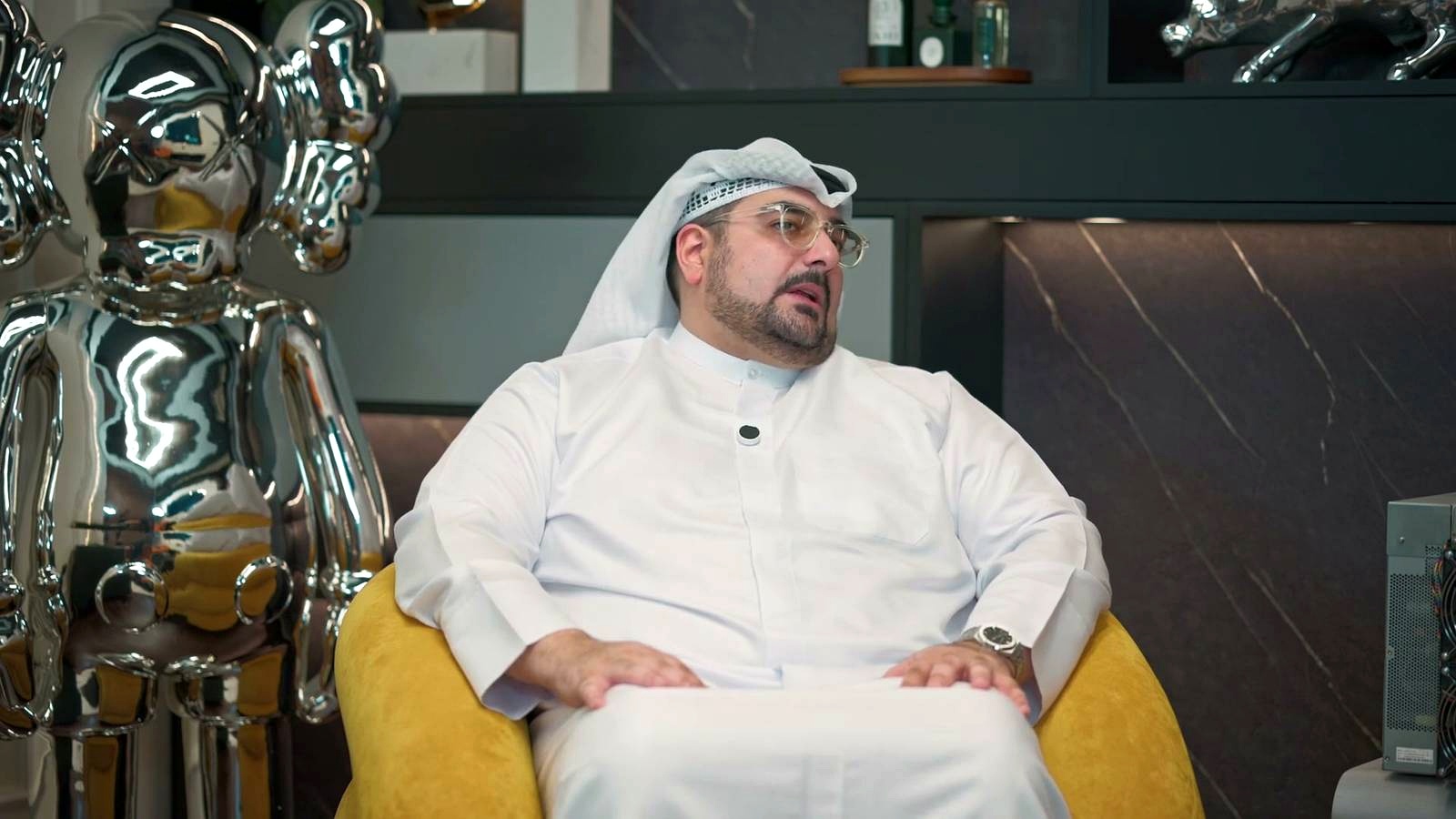
For a 5-megawatt operation, he estimates around 1,200 miners. He describes that as average to small depending on what is being mined, and midsize if the operation is mining Bitcoin.
He emphasizes that mining businesses must keep scaling because new miners and new equipment are constantly being added to networks, increasing hash rate. Since mining rewards are fixed while hash rate rises, revenue per machine can decline. Because of that, he says a mining business is always in a race to add more machines and expand gradually.
Revenue Sources in a Mining Company
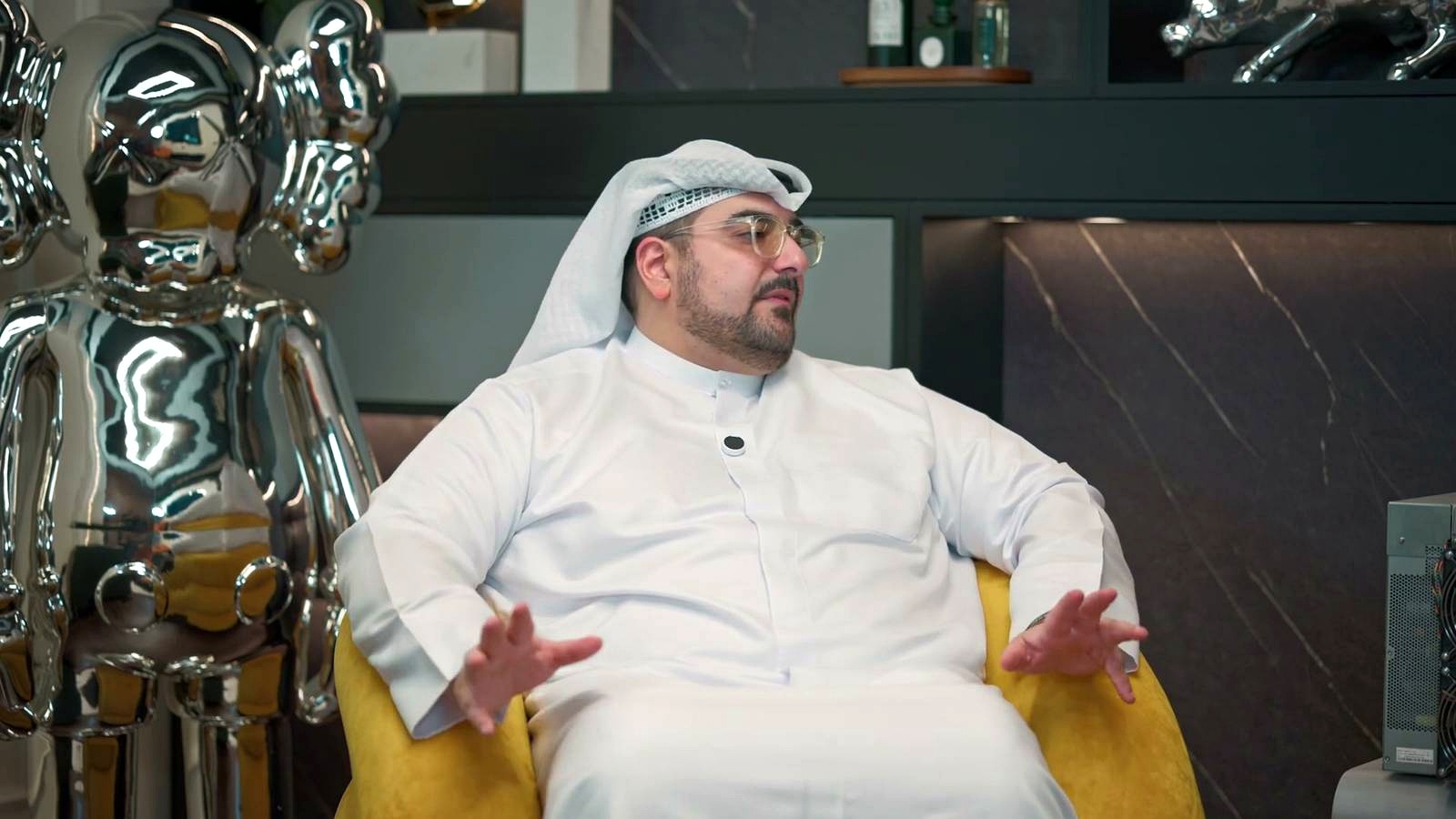
Muhammad Abdul Rak identifies three main sources of mining company profit:
- Self-mining
- Hosting
- Repair
1. Self-Mining
Self-mining means investing in your own miners and generating returns directly from the output. He says the math depends heavily on electricity costs, and that lower electricity cost improves ROI.
2. Hosting
Hosting means providing infrastructure to clients who own machines but do not have the required setup. In that model, the host provides the infrastructure and electricity access, and charges the client accordingly.
He describes hosting as a strong revenue stream because it is constant. Even when mining difficulty rises and mining revenue changes, a hosting provider still earns recurring income.
He also says hosting requires strong customer service, because clients will contact the company if machines go down. He says 71 Digital stands out by not cheaping out on infrastructure, monitoring 24/7, not taking access to client wallets, and maintaining full transparency. He states that uptime is proven to be over 99% per month across air cooling, hydro, and immersion systems.
3. Repair
He says repair is another important revenue stream because miners age and parts fail. A miner may need replacement hash boards, control boards, or fans. Since replacing parts costs only a fraction of replacing the whole machine, many people choose repair.
He says having a repair center or repair technicians adds more revenue to the business.
How 71 Digital Balances Its Business
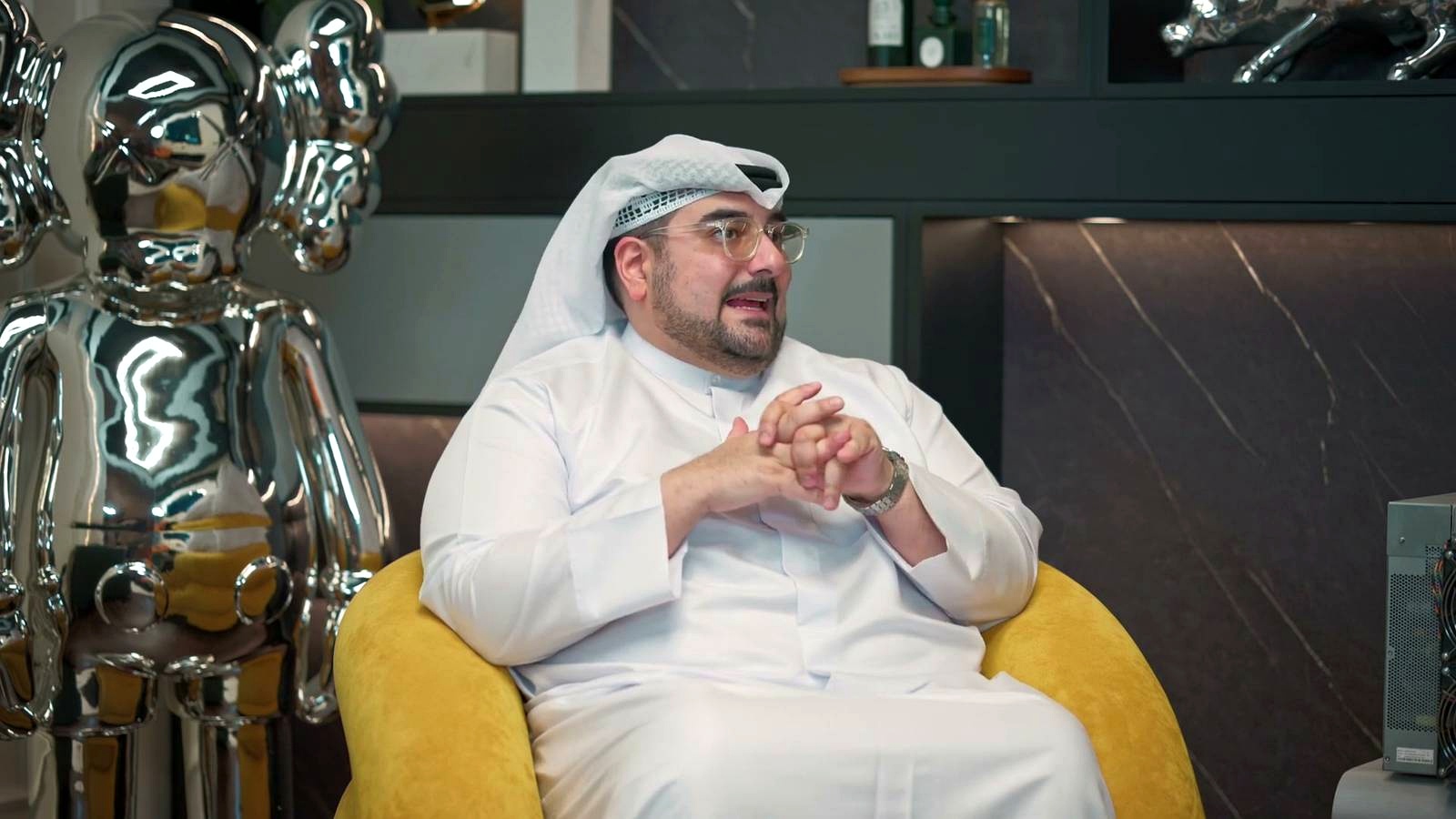
He says the company has a total of 10 megawatts and that, for now, it is split half-and-half between the company’s own miners and client hosting. He adds that this year the company is focusing more on hosting because demand is high.
He also says scaling requires using all available streams, including self-mining, hosting, machine sales, and other opportunities.
What to Look For in a Hosting Provider
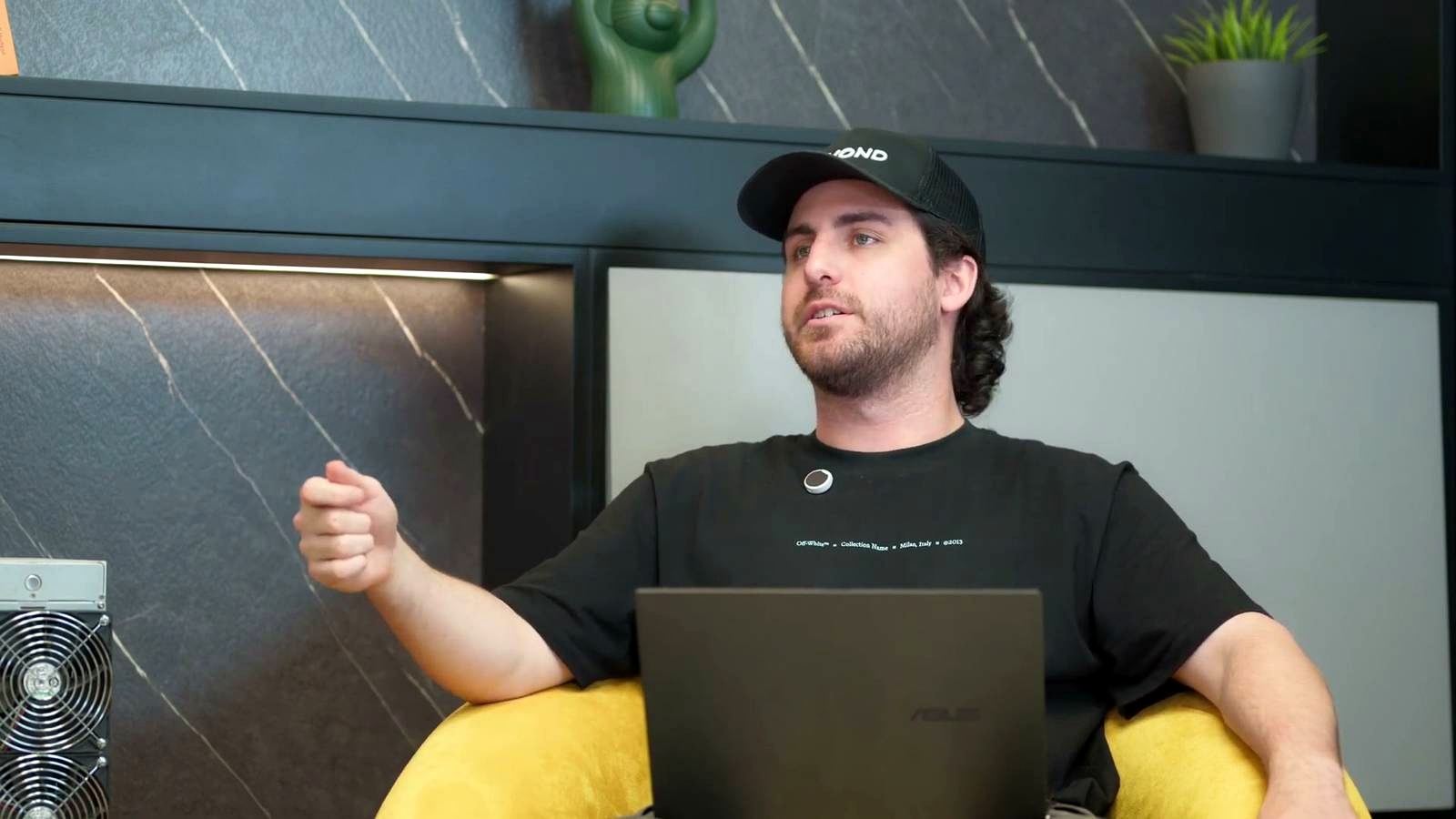
When discussing how someone should evaluate a mining company, Muhammad Abdul Rak says the first practical question is cost. He says people should research how professional the company is, check reviews, and look at uptime.
He highlights several key factors:
- Energy price
- Stability of the country
- Security
- Modern infrastructure
- Strong electric grids
- Legal framework
He says energy is scarce and everyone is competing for it. According to him, 71 Digital’s energy rates are lower than others in the UAE and the GCC because the company is investor-backed by its own shareholders and has fewer external parties affecting pricing.
On security, he says mining site IP addresses should not be publicly shown. He says 71 Digital masks locations with proxy systems or VPNs and builds its own VPNs. He also says a company openly publishing the exact address of its mining site is a red flag.
Why the UAE and GCC Matter
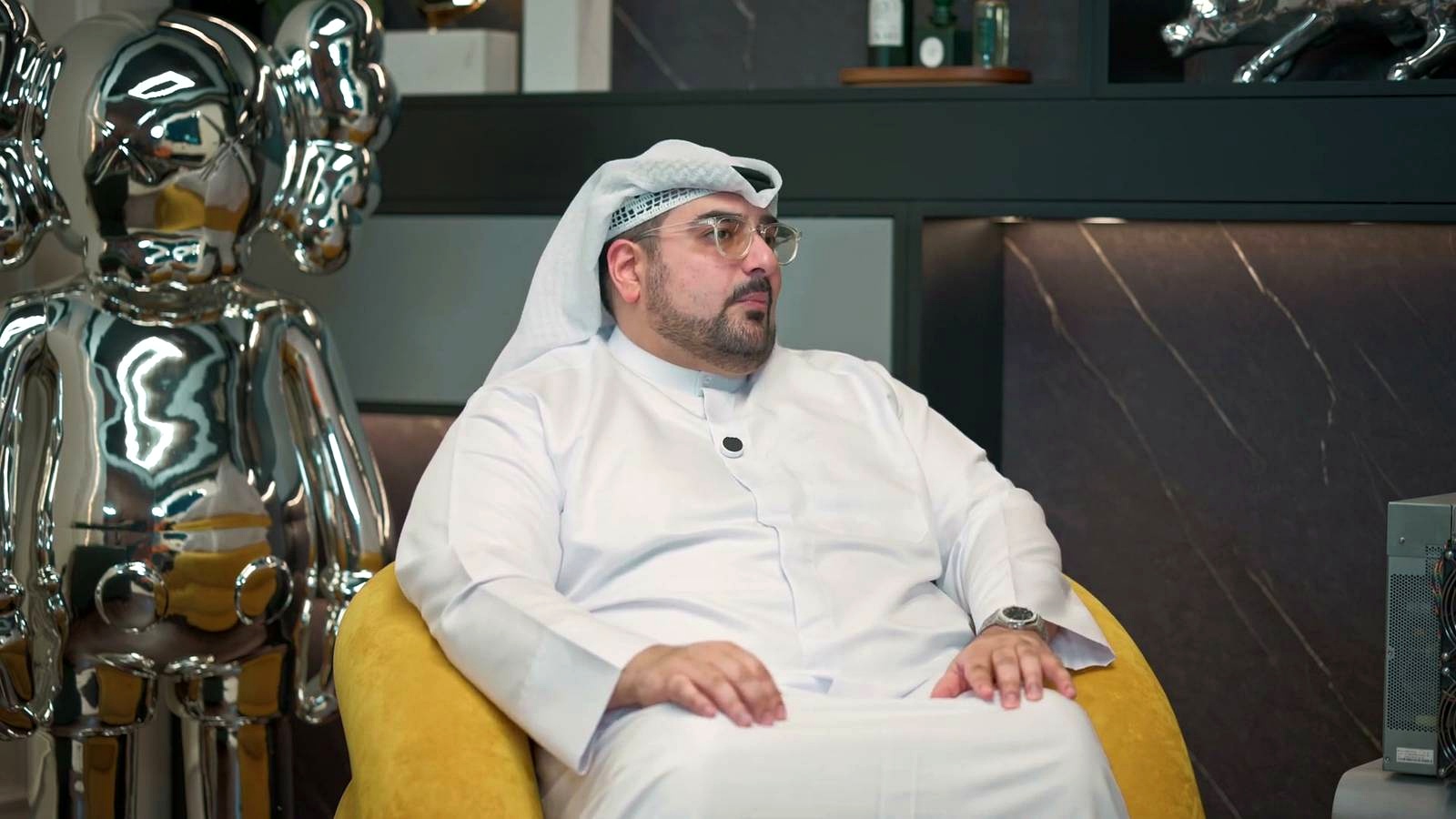
He says people choose the UAE because there is a legal framework, companies can be set up, power can be obtained, and electricity pricing is competitive. He also says the GCC is full of energy and natural resources.
He describes Kuwait as a gray zone rather than illegal and suggests that a legal framework may come in the future. He also says the US is another option, but in his view it is expensive, especially in places like Texas, Oklahoma, and Florida.
His conclusion is that for cheap electricity, a miner may need to look outside the US, and that the GCC is currently the best spot.
Africa Compared With the Middle East
On Africa, he says the region can compete easily in natural resources and has vast land and hydro potential, mentioning Ethiopia and Nigeria in the discussion. However, he says the issue he hears from clients is management and stability.
He argues that safety, law, and respect for law are major strengths in the GCC, and says these conditions create business opportunities through free trade and a stable environment.
Which Coins to Mine
Muhammad Abdul Rak says he primarily mines Bitcoin. He also names Litecoin and Dogecoin as important options, especially for covering expenses and creating cash flow.
He says Litecoin and Dogecoin use the same algorithm, which allows merge mining on the same machine at the same time. He mentions other projects such as CKB, Kadena, and Caspa, but says they fell off the grid.
If advising a client, he says his honest answer would be:
- Bitcoin
- Litecoin
- Dogecoin
He refers to Bitcoin as the grandfather, the king of all coins, and the undefeated champion.
Views on Meme Coins, Scams, and Ethics
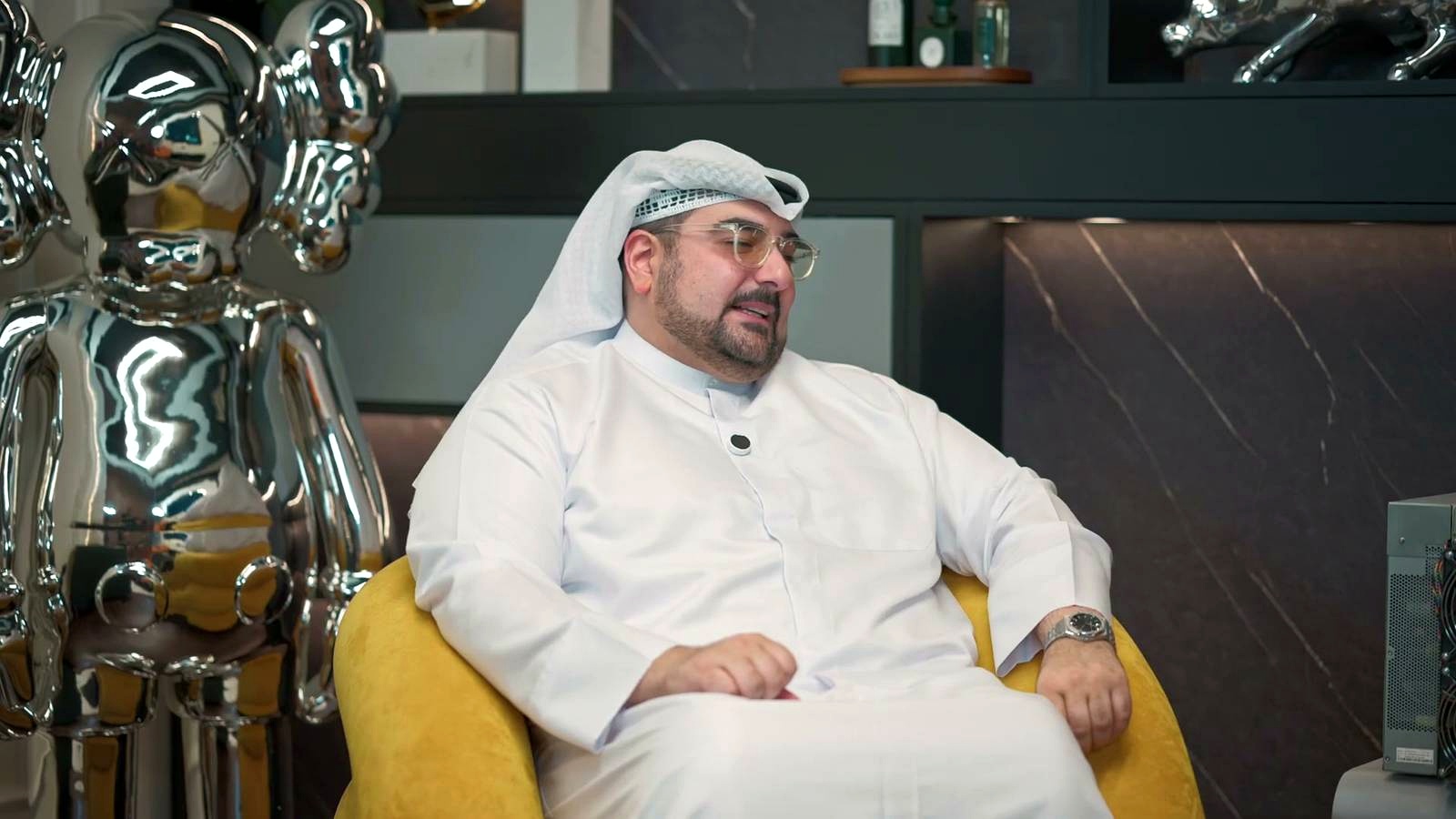
A major theme in the discussion is ethics. Muhammad Abdul Rak says he is against scams and says the purpose of crypto was to fight that mentality.
He criticizes the promotion of meme coins and references cases where public figures or celebrities launched or promoted coins. He specifically mentions Javier Milei as an example, saying the coin was advocated and then shut down only hours later. He also mentions watching Coffeezilla on the Argentina president case.
He says this kind of activity affects his business because it damages trust in the industry. He also refers to the Bybit hack and says there should be more investigation, while avoiding direct accusation.
His broader point is that crypto should be about decentralization, wealth generation for people, privacy, and business ethics—not scams.
The Future of Crypto
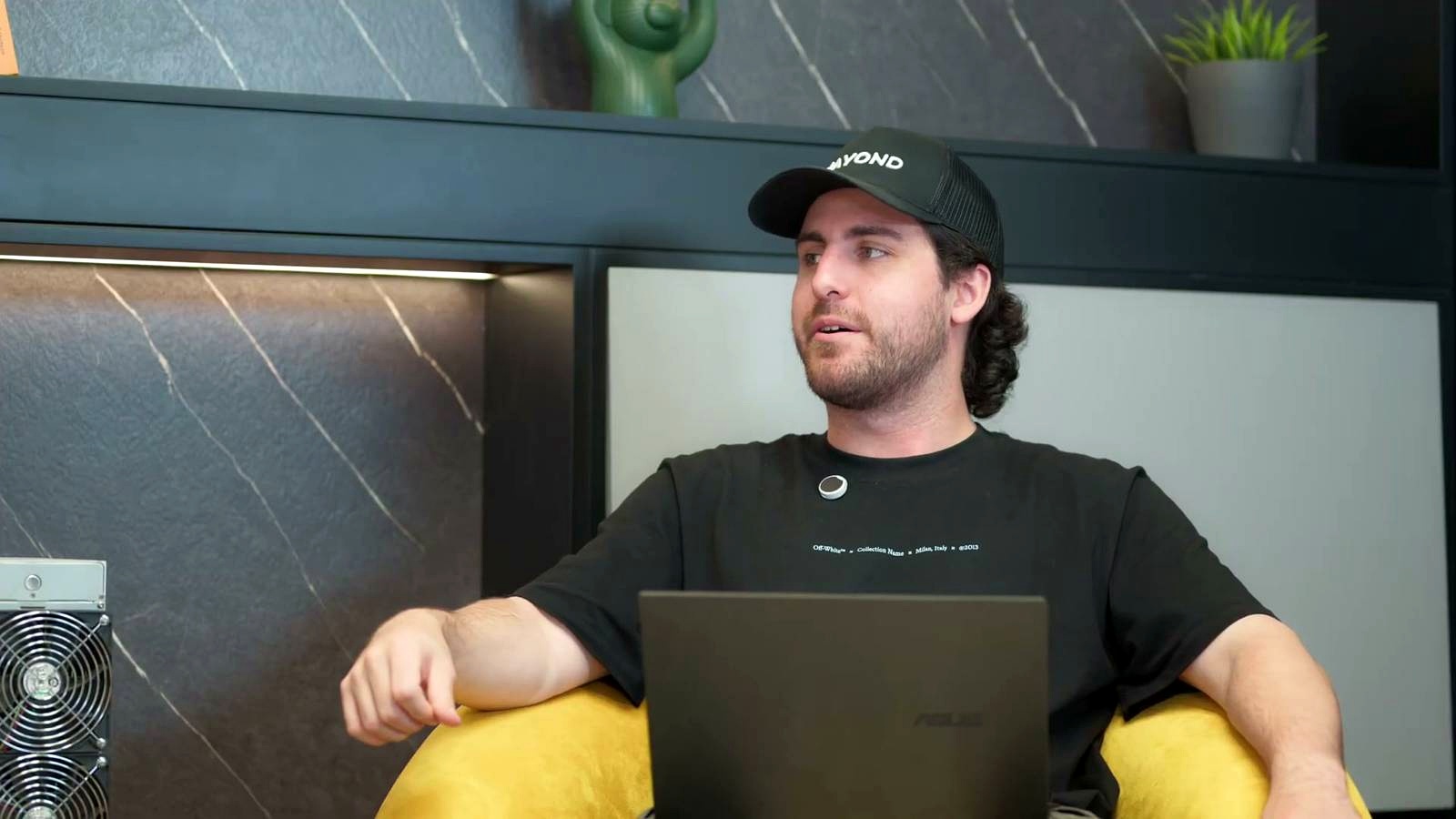
Despite market volatility, he remains optimistic. He says the future is still bright and expects more embrace and adoption.
His reasoning includes:
- Countries are discussing reserves
- Crypto outpaces the traditional fiat system in his view
- The fiat system keeps printing money without backing, which he calls worthless
At the same time, he says people must do their research and clearly understand what part of crypto they are entering.
Can Someone Start a Mining Company Today?
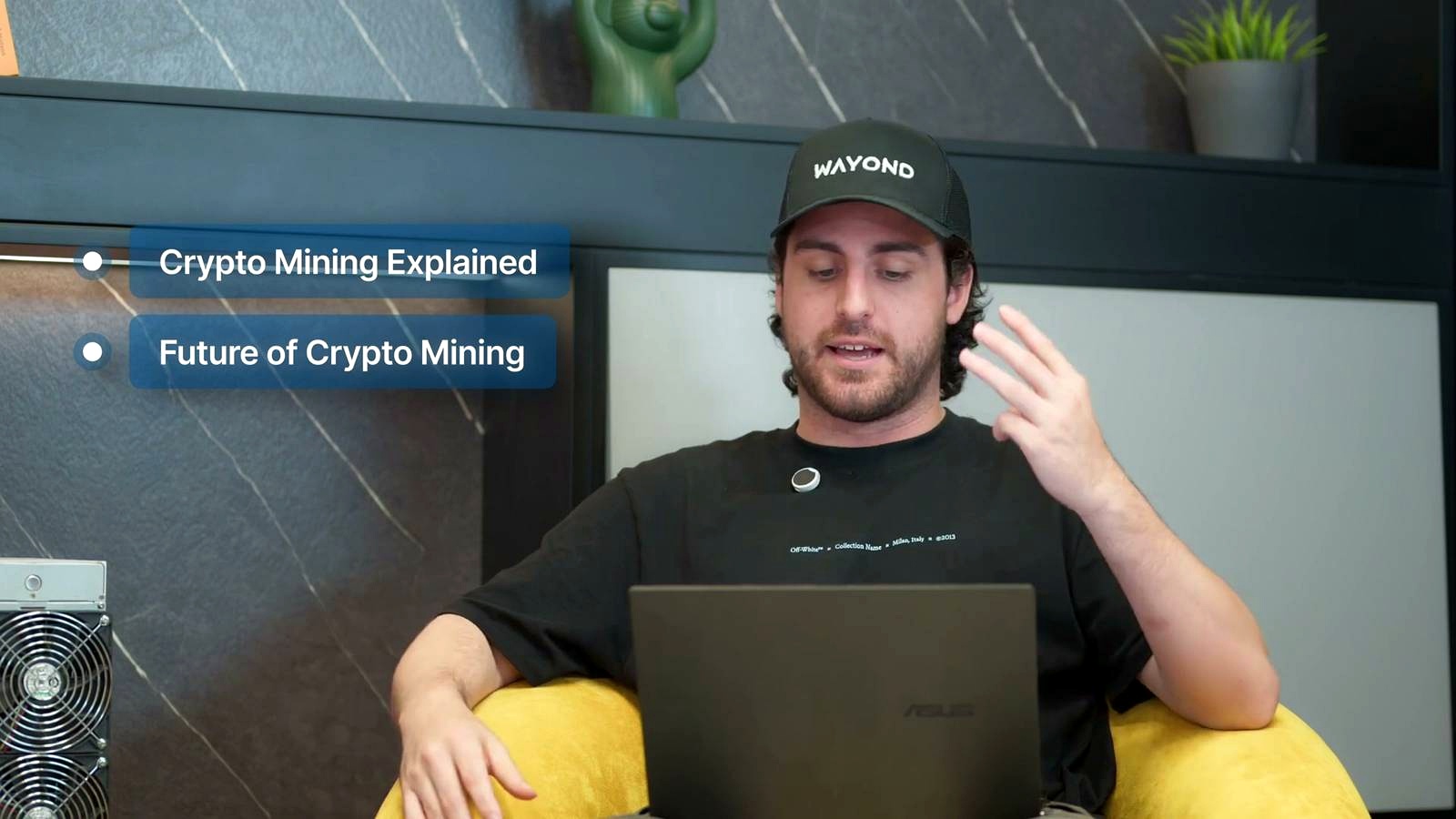
He says it is possible, but not easy. According to him, success requires proper math, the right team, and understanding that mining is tangible and operationally complex.
He says mining is not just software. It also involves:
- Infrastructure
- Land
- Legal aspects
- Engineering
- Cooling systems
- Dust management
He mentions air cooling, hydro cooling, and immersion, and says immersion can be more efficient because it reduces dust issues.
Main Challenges in the Business
He identifies scaling as a major challenge, especially because of competition for energy access. He also points to weather in the UAE as a challenge for air-cooled setups.
He says sites should not be near the coast because moisture is not good for the machines. He also recalls a flood and heavy rain as a difficult moment that forced operations to shut down temporarily, although he says the team reacted quickly and there was no damage.
How He Navigates Volatility

One of his strongest positions is against concentrating everything in crypto. He says investors should not put all their eggs in one basket, calling that terrible and stupid because, in his words, it becomes gambling.
He says the company’s investors have other investments and use hedging strategies. These include:
- Owning other businesses or assets
- Keeping enough savings
- Selling machines when needed
- Upgrading to more efficient machines
- Deciding whether to hold mined assets in Bitcoin or convert them into USDT
He also says tokenomics and volatility need to be understood clearly.
When discussing major Bitcoin-focused investors, he says people like Michael Saylor are gambling. He frames it as a high-stakes bet that could work if the outcome is favorable, but still treats concentration as risky.
Market Conditions and Recent Cycles
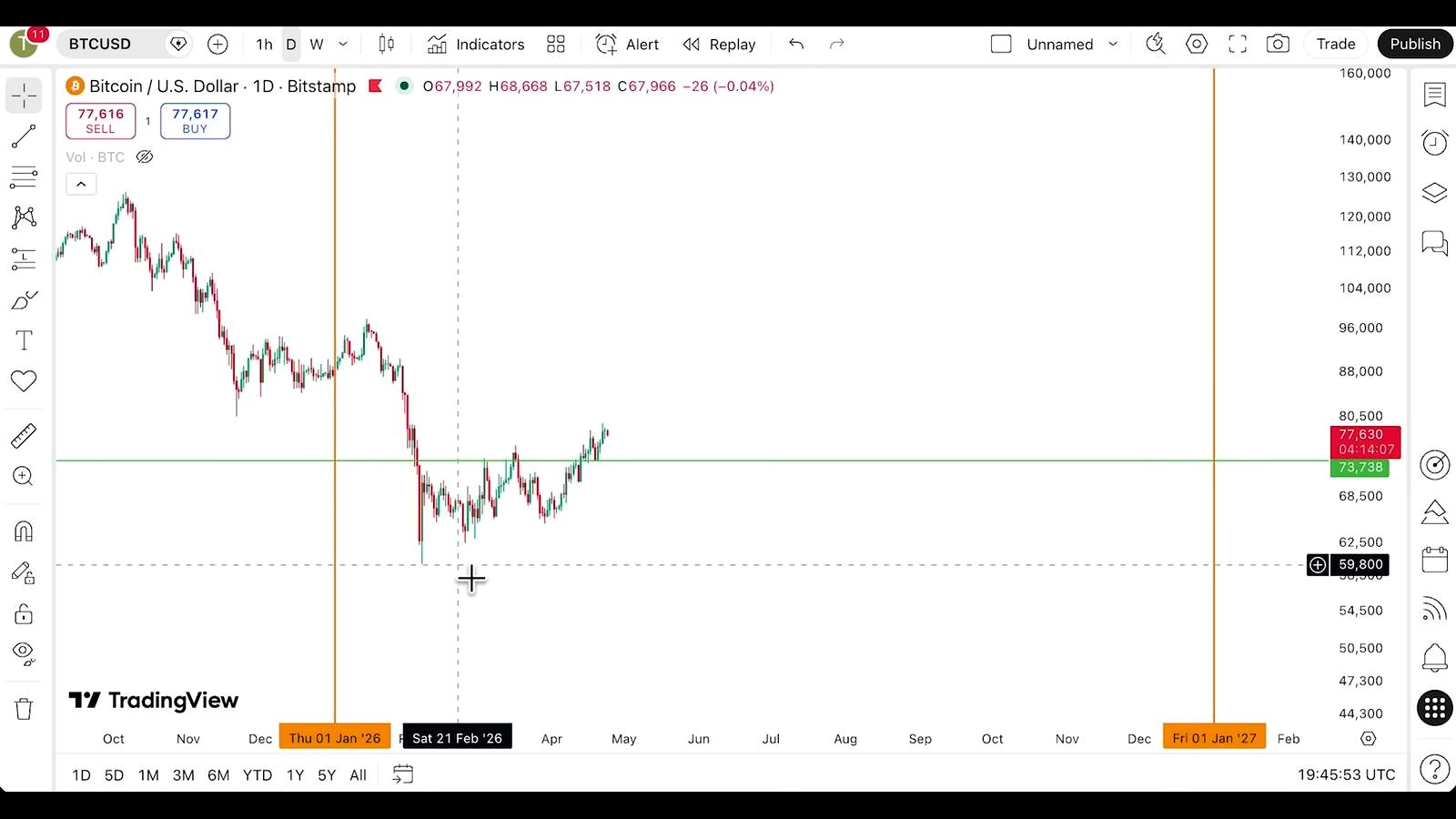
He says ETFs created additional flow and volume in the market, and that with the halving concept there is scarcity, which increases monetary value. He also describes the post-election period as initially positive for crypto, with nonstop appreciation, but says it has been a roller coaster since the new year.
He mentions waiting for a Strategic Bitcoin Reserve and notes that some states have rejected it, including Wyoming, which he says is surprising.
Entry Costs and ROI for Mining
When discussing buying a miner, he says the machine itself may cost a couple thousand dollars, but that cost alone does not determine ROI. The key question is what happens after plugging it in: electricity cost is critical.
Some of the figures mentioned in the discussion include:
- A single miner starting around $4,000
- Bitcoin miners generally making more sense at scale, such as 50 to 100 miners or more
- Home miners existing, but with limited earnings
- A home miner possibly making around 10 to 15 dirham per day
- One to four miners potentially producing around 100 to 200 dirham per day depending on setup
For larger script miners like L7 or L9, he says they once generated around 50 per day after Trump was elected, later dropping to around 20 to 24, and he expects they may return to around 30 to 35. He says that if someone bought 10 L9s, they could be looking at around 250 per day in revenue, before electricity, and about 20 per day per miner after electricity in the example discussed.
He estimates that buying 10 such miners could cost around 100,000, and says that in a worst-case scenario ROI could take around a year and a half. In a bull market, he says it could be around six months.
Mining at Home or Through Hosting
He says some people mine at home if they have surplus power, but warns that miners generate significant heat and noise. He says a machine needs a cool environment, otherwise the chips may burn out and require repair.
He also says 10 miners at home are generally not recommended unless someone has a proper space and setup. According to him, 71 Digital can provide home solutions for people with enough energy and space, such as a ranch or another suitable location.
He describes industrial setups as container-based in the UAE for better airflow and machine health, with water cooling systems and large fans. He says without cooling, room temperatures can reach roughly 45 to 65 degrees Celsius, and the noise can be heard around the neighborhood.
Mining Versus Real Estate

Asked whether he would rather invest long term in real estate or crypto miners, he says both are asset classes and he personally invests in real estate as well. He says they can bring similar results.
Still, for himself, he says he would choose mining. He also says mining is more fun, still has a lot of revenue to make, and is very profitable.
Access and Clients
He says 71 Digital is volume agnostic and client agnostic, serving both retail and institutional clients. He mentions clients buying hundreds of miners and says the company recently spoke with a publicly listed company operating 100,000 miners and looking to scale.
He says anyone interested can reach out through Instagram and can visit the office in Dubai.
FAQ
What first attracted Muhammad Abdul Rak to crypto?
He says the 2008 stock market crash pushed him to question the central financial system. Bitcoin and the idea of a decentralized financial system against inflation then drew him in.
What does he say crypto includes besides Bitcoin?
He says crypto includes exchanges, liquidity providers, launched coins, blockchains, mining, network support, Web3, metaverse, gaming, and virtual tokens.
Why does he prefer mining?
He says mining is tied to security and decentralization. In his view, anyone with internet and energy can mine and create a node.
What are the main revenue sources of a mining company?
He names three: self-mining, hosting, and repair.
How big is 71 Digital’s operation?
He says the company operates 5 megawatts in the UAE and 5 megawatts in Kuwait, with another 5 megawatts planned by the end of the quarter.
What should someone look for in a hosting provider?
He says they should look at cost, professionalism, reviews, uptime, energy price, stability, security, infrastructure, electric grids, and the legal framework of the country.
Which coins does he recommend mining?
He says his main recommendations are Bitcoin, Litecoin, and Dogecoin.
What is his view on putting all capital into crypto?
He strongly rejects that approach. He says investors should not put all their eggs in one basket and should hedge with other investments, savings, and strategic decisions.
Does he believe crypto has a future?
Yes. He says the future is bright, adoption will increase, and crypto is inevitable, even though there will be rocky days and volatility.
Would he choose real estate or mining?
He says both are valid asset classes and he invests in real estate too, but for himself he would choose mining.
Original Video

John Burnell focuses on Bitcoin infrastructure, wallet security and blockchain technology. He writes educational articles explaining how Bitcoin works and how the technology evolves.