Crypto investors are increasingly focused on value instead of pure token speculation. Across the market, the discussion is shifting toward utility, adoption, revenue, sustainability, and the long-term strength of projects.
As the industry evolves, founders, venture capital firms, and ecosystem leaders are paying closer attention to what makes a crypto business investable. The market may still be reactive at times, but the emphasis on serious builders and real value is becoming harder to ignore.
The Crypto Market Is Shifting Toward Value

The central idea is clear: investors want value, not just token speculation. That shift reflects a broader change in how market participants view crypto projects, startups, and token models.
There is recognition that previous years were difficult for venture investing, while newer market conditions appear to be bringing more activity back into crypto. At the same time, panelists stressed that market excitement alone is not enough. Real opportunity comes from backing businesses and tokens with substance.
Why the Bear Market Matters
One view presented was that the best time to invest is often during the bear market, not when valuations are already inflated. When projects begin claiming valuations of $1 billion or $5 billion, the upside may be far less attractive.
That perspective also came with a warning: a lot of investment activity can still lead to disappointment if there is no real upside. Yet despite those concerns, adoption continues to grow, users are actively using tokens and platforms, and liquidity remains present in the market.
A More Mature Industry
Another view emphasized that the market is maturing. Rather than focusing on short-term predictions, the stronger theme is that regulation is becoming more serious and institutional players are entering the space.
That maturity may mean lower volatility than in earlier cycles. It also means that the market is becoming less forgiving for those who relied on luck in previous years. Serious players are staying, while others may leave.
What Makes a Token Valuable?
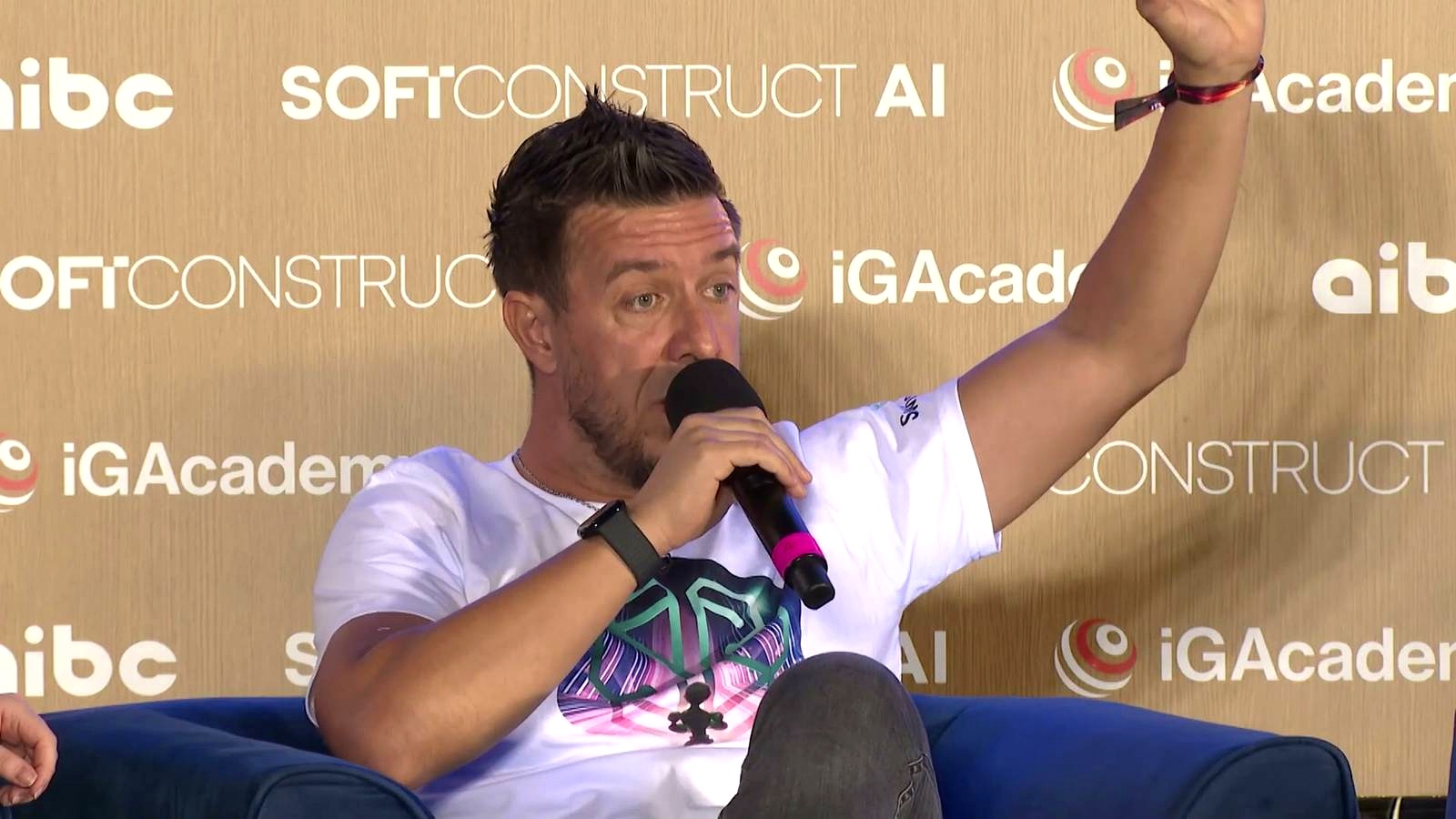
A practical framework for evaluating tokens focused on four major components. The goal is to identify tokens that can outperform through value rather than hype.
1. Real Utility and Value Creation
The first requirement is real value creation. A token should help users save money, make money, or save time. Time and money are deeply connected, so utility should be measurable in a clear way.
2. Loyalty Through Lockups
The second requirement is loyalty. Investors and users should not only buy tokens but also lock them up. A strong token structure avoids all unlocks happening at once by using multiple vaults and lockup periods.
This can be assessed by examining how much of the total supply is locked. The structure of lockups matters because sudden unlocks can put serious pressure on a token.
3. Buyback Mechanisms
The third component is a buyback mechanism. This was presented as a source of stronger support during weak markets and stronger rallies when the market improves.
4. Fixed or Deflationary Supply
The fourth component is supply discipline. Fixed supply or deflationary supply was highlighted as important, especially because many tokens offer yield while still maintaining inflationary supply.
Adoption and Revenue Matter Most
While token structure was discussed in detail, a strong counterpoint was also raised: the only real way a token goes up is through adoption and revenue.
According to this view, utility is not theoretical. If people do not actually use a token, there is no meaningful basis for sustained value. Adoption is what turns a token from speculation into something real.
Why Usage Changes Everything
The argument was simple: unless users actively use the product or token, there is no reason for value to grow. A company’s equity reflects future revenue, while a token reflects ownership of the process around that company or ecosystem. Without usage, the token lacks the force needed to move higher.
Ethereum was cited as an example of why utility supports value, since it is needed for gas fees. In that sense, actual use creates lasting relevance.
How Venture Capital in Crypto Is Changing

Crypto venture investing is becoming more selective. Earlier strategies described as “spray and pray” were said to have failed, leading venture firms to become more conservative.
That means many investors now look for stronger track records and more reasons to invest. As a result, the percentage of projects able to raise from VCs may be very low.
Why Later-Stage Funding Is Getting More Attention
Later-stage funding rounds are gaining more attention because they offer more proof and a longer track record. Early-stage crypto projects can still be seen as a gamble, making it difficult for VCs to confidently assess performance.
For that reason, many firms are moving toward later-stage opportunities while waiting for earlier-stage startups to prove themselves first.
Alternative Funding Paths for Builders
At the same time, early-stage teams are not limited to venture capital. Different fundraising mechanisms now exist to help projects become investable over time.
- Onchain fundraising mechanisms
- Fair launches
- Launchpads
- Different initiatives that help projects get funded and sustain themselves
These routes can help startups build traction before traditional VCs enter at later stages.
What Investors Want From Founders

The discussion also highlighted that investing is no longer just about market momentum. Investors are looking much more closely at founders and execution.
Experience and Discipline
Founders need more than a fresh idea. Investors want to see experience, commitment, and the ability to keep building over time. One concern raised was that some early-stage founders change once they receive large amounts of funding, making founder discipline a real issue for investors.
The Need for Stronger Monitoring and Support
For venture firms, the challenge is not only choosing good startups but also helping them remain focused. This includes thinking beyond capital alone and working on partnerships, distribution, and ways to bring more capital into the market.
Market Maturity and Investment Returns
The market may be maturing, but that does not mean opportunity is gone. One view was that the era of 300x and 600x returns may be largely behind the market, yet 10x or 15x outcomes are still meaningful.
That changes expectations but does not remove the opportunity. The key becomes finding the right startups and the right narratives.
Early Stage vs. Late Stage
Both early-stage and late-stage investing still matter:
- Late-stage can offer more protection and more moderate upside
- Early-stage can offer stronger returns, but with more founder risk and execution risk
The balance between the two is becoming more important as the market grows up.
Geographic Hubs and Where Crypto Startups Are Growing

Crypto fundraising remains concentrated in major hubs such as the US, the UK, Singapore, and Hong Kong. These locations continue to attract many of the startups that raise the most.
Why the US Still Sets the Standard
The startup culture was described as being born and raised in the US. That means the standards for pitching, messaging, and presentation are often set there.
Builders from regions such as Africa and the Middle East may struggle not because their projects are weak, but because their messaging, data room, or pitch deck does not match what VCs expect.
The Middle East and GCC Outlook
There was also a positive view on the Middle East and the GCC. Activity is growing across the region, including in the UAE and Saudi Arabia, and regulation was described as friendly.
While some myths exist around raising capital in places like Dubai, the broader point is that the region is gaining attention as a serious part of the crypto ecosystem.
What It Takes for a VC to Survive

Raising capital for a venture fund is difficult, especially in a market where some firms have failed, gone out of business, or chosen not to raise.
Even when returns exist, fund managers still need the right relationships and the right backers.
Relationships Are Critical
Capital raising was described as highly dependent on finding the right people. Random outreach is unlikely to work. Personal connections, introductions, bankers, capital raisers, and trusted relationships all play an important role.
Capital Exists Everywhere
Another point was that every country has investors, millionaires, and billionaires. The challenge is not whether capital exists, but whether a fund or founder knows where their niche is and where they have the strongest connection.
The Next Crypto Season
When looking ahead to the next two to five years, several major themes stood out as likely to define the next phase of the crypto market.
AI and DeFi AI
One of the strongest views was that AI and crypto are now overlapping in a major way. This was described as a dual tech cycle, with AI adoption moving extremely fast and casting a shadow over crypto.
The most promising area was described as AI or DeFi AI, especially where transparency, verification, and onchain systems matter. The combination of AI and blockchain was framed as a powerful long-term direction for the market.
Survivability and Adoption
Another framework focused on two core narratives:
- Survivability
- Adoption
That means identifying which major players will still be relevant in the future and where real paying users will come from. Questions around whether users will come through gaming, identity, or other sectors remain central to investment decisions.
Stablecoins and Local Currency Stablecoins
Stablecoins were also highlighted as a major trend, especially institutional adoption and the move toward non-USD stablecoins and local currency stablecoins. This was framed as important for broader global adoption and for making the industry more accessible outside the US.
The Long-Term Future of the Financial System

On the question of how long it may take to create a more stable and settled financial system through digital assets, the outlook was patient rather than immediate.
Technological booms do not happen overnight. Adoption follows a cycle of boom, bubble, burst, lag, growth, and then maturity.
A Long Timeline for Full Maturity
One estimate suggested that meaningful maturity may not come before 2030 or 2032. Another estimate placed the minimum timeline at 10 to 15 years.
The reason is simple: adoption is still relatively small, education is still limited, and many people still do not understand what major crypto systems actually do.
A Hybrid Financial System
Rather than expecting a complete replacement of the old system, one view favored a hybrid future. In that model, the financial system becomes more blended, with centralized entities moving more toward decentralization instead of a full black-and-white shift.
Key Takeaways for Crypto Investors

- Value matters more than token speculation
- Utility, adoption, and revenue are central to long-term success
- VCs are becoming more selective and more conservative
- Early-stage builders now have alternative funding paths
- Founder quality and execution matter more than hype
- Geographic hubs still matter, but new regions are growing
- AI, adoption, survivability, and stablecoins are major future narratives
- The market is maturing, but full system change will take time
FAQ
What do investors want in crypto today?
Investors want value, not just token speculation. The focus is increasingly on utility, adoption, revenue, and sustainable business models.
What makes a crypto token valuable?
A token was described as valuable when it has real utility, loyalty through lockups, a buyback mechanism, and fixed or deflationary supply.
Why is adoption so important for token value?
Because without adoption and real usage, a token lacks the foundation for long-term value. Adoption and revenue were presented as the main drivers of sustainable token growth.
Are VCs still investing in crypto startups?
Yes, but they are being more conservative. Many are focusing more on later-stage projects with stronger proof points, while early-stage startups often need to prove themselves first.
What funding options exist beyond VC?
Projects can use onchain fundraising mechanisms, fair launches, launchpads, and other initiatives to become investable over time.
Which regions are major crypto startup hubs?
The main hubs discussed were the US, the UK, Singapore, and Hong Kong, with growing attention on the Middle East and the GCC.
What are the next big crypto trends?
The strongest themes mentioned were AI or DeFi AI, survivability, adoption, and stablecoins, including non-USD and local currency stablecoins.
Will the future financial system be fully decentralized?
One view was that the future is more likely to be hybrid, with increasing overlap between centralized and decentralized systems rather than a complete shift to one side.
Original Source

John Burnell focuses on Bitcoin infrastructure, wallet security and blockchain technology. He writes educational articles explaining how Bitcoin works and how the technology evolves.