After testing more than 30 cold wallets over the last 5 years, one conclusion stands out: there is no single best wallet. Each wallet is different, and depending on what crypto you hold and your experience level, a wallet may either leave something out or feel too complex.
So instead of focusing on one “best” option, it makes more sense to know exactly what to look for. That way, you can choose the wallet that best fits your needs and your experience level.
The First Two Deal Breakers
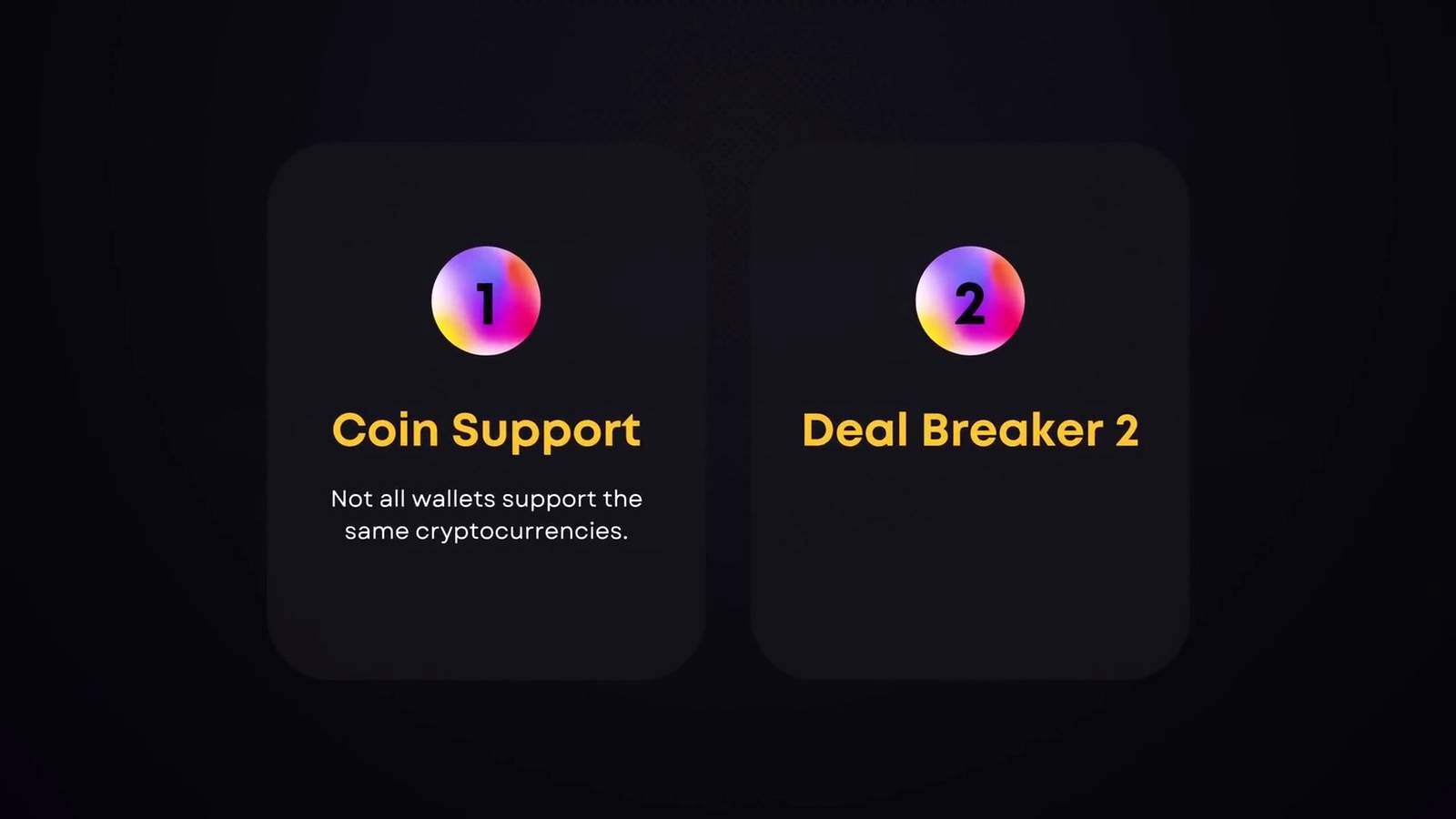
Before you look at anything else, the first thing to check is what can be called the two deal breakers. If these two boxes are not checked, you could end up with a wallet that you cannot even use.
1. Coin Support
Not all wallets support the same cryptocurrencies. Some wallets only support Bitcoin, while others support thousands of cryptocurrencies.
A simple approach is:
- Make a list of all the cryptocurrencies you want to support using your wallet.
- Go to the wallet’s website.
- Find the coin support tab.
- Double-check that the wallet works with the cryptocurrencies you want to secure.
2. Device Compatibility
Some wallets only work with your phone, others with your computer, and some with both. So it is important to ask yourself what devices you have at home and how you want to manage your wallet.
A common question is whether connecting a cold wallet to a phone or computer makes it online. Cold wallets are offline devices, so they are not connected to the internet at all. They cannot communicate directly with the blockchain where your crypto lives. When you use an app on your phone or computer, that app simply acts as a messenger between the blockchain and your cold wallet, communicating transaction data between the two.
Security: The Next Most Important Factor
Only after crossing off those two deal breakers should you move on to the next major factor: security. The only reason people use a cold wallet is because of the security it provides for crypto.
Any wallet on the market should do a decent job of protecting your portfolio, but there is an industry standard you should expect. These are the security features worth looking for.
Secure Element Chip
A secure element chip is the same kind of chip found in billions of bank cards around the world. Its job is to protect secrets from hackers.
In cold wallets, this chip keeps the keys used to access and manage your crypto safe from remote and physical attacks. Most wallets on the market use either an EAL5 or EAL6+ secure element chip.
An EAL is a rating system that describes the depth of security evaluation a chip has gone through. Generally, the higher the EAL rating, the better the chip is. The highest level chip you will find in a cold wallet is EAL6, which ensures the chip is capable of securing high-valued assets from significant risks.
Transparent Backup Option
Most wallets generate a seed phrase so you can write it down and store it in a safe place. This is crucial because the seed phrase is the master key to accessing all of your crypto.
If you do not know your seed phrase and you lose your wallet or it breaks, you would never be able to access your crypto again. That is why it is important that you are able to write down your seed phrase.
Some wallets do not offer a seed phrase, which means you are solely relying on their technology. That is a big no no. As long as you have your seed phrase, you can import it into virtually any wallet that supports seed phrases and access your crypto. Not your keys, not your crypto.
Independent Security Audits
Most people do not know how to read the code used to build these wallets, so they have to trust that the company’s claims are true and that there are no hidden back doors. Blindly trusting a company can be a huge risk.
That is why independent security audits matter. If an independent security company publishes research and findings that support what the company claims, that can provide much more confidence. One audit usually is not enough. The best wallets have multiple security audits whenever they release a new product to ensure it is still secure.
PIN or Password Protection
A wallet should have some form of protection to prevent just anyone from picking it up and using it to manage your crypto. Most wallets now offer either PIN protection or password protection.
If you come across a wallet that does not have either one, that is an immediate red flag.
Usability Matters Just as Much
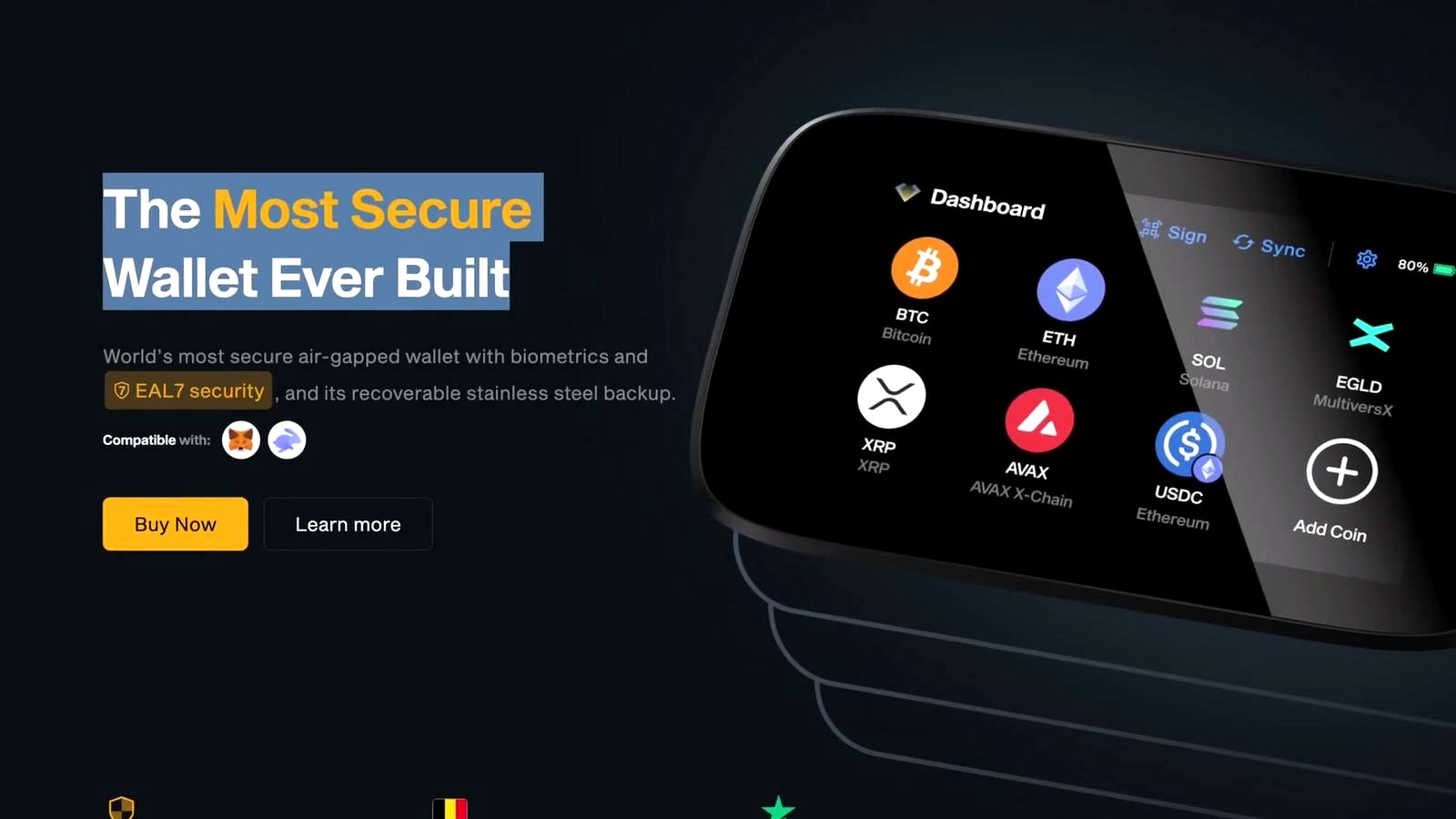
In practice, usability is just as important as security, especially if you are new to cold wallets or are not very tech-savvy. Many wallets market themselves as the most secure because they include a long list of extra features that nobody really asked for, such as fingerprint scanners, multi-IG setups, and even cameras.
The problem is that these add-ons do not necessarily make the wallet safer. What they do add is complexity. And the more complicated a wallet is, the more likely you are to make a mistake. In crypto, one mistake can lead to losing everything.
A common saying is that complexity is the enemy of security. A simple user experience is a security feature because it makes it harder for the user to make a serious mistake. The technology behind the scenes can be secure and complex, but users should not have to worry about that. A wallet should be easy to set up, offer step-by-step guidance, and come with an app that is comfortable to use without being confusing.
At the end of the day, the most secure wallet is not the one with all the bells and whistles. It is the one you understand, feel confident using, and never have to second guess.
Buzzwords That Can Be Misleading
Some companies use terms that make their wallets appear more secure when in reality they are not. These buzzwords create confusion for people trying to buy the best cold wallet.
Airgapped Wallets
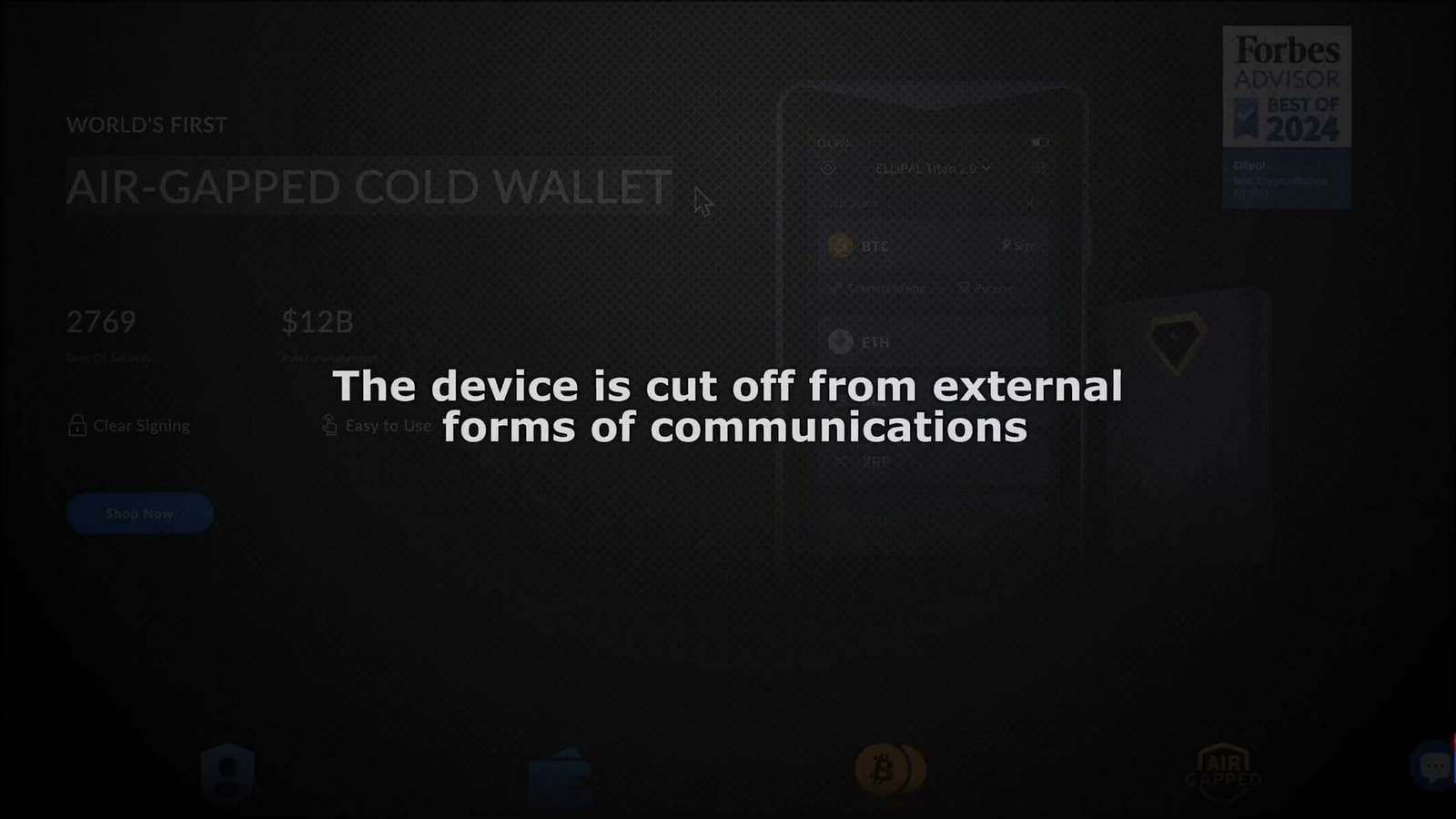
An airgapped wallet is a device cut off from external forms of communication like Bluetooth, NFC, and USB. These wallets rely on QR codes and SD cards to pass transaction data between the app and the cold wallet device.
The idea is that there are fewer attack vectors. But many people assume airgapped wallets are more secure because they do not connect to the internet. That is misleading, because no cold wallet connects to the internet. That is the definition of a cold wallet.
You do not need an airgapped wallet to have a wallet that is not online. A study by crypto security experts at Shift Crypto found that airgapped wallets usually just make things harder. They require more steps, more button presses, and more attention just to send a simple transaction.
The study’s conclusion was that the type of connection does not really matter when it comes to safety. It mainly affects the user experience. For most people, an airgapped wallet is not recommended, and it is not used that often by the speaker either.
Bitcoin-Only Wallets
Another term often used, especially for Bitcoin maxis, is Bitcoin-only wallets. These wallets support only Bitcoin. The marketing pitch is that less code means less attack surface.
That is true in theory, but it also assumes that wallets supporting multiple cryptocurrencies are not secure, which is not true. Less code simply means fewer opportunities to make a mistake. If the developer knows what they are doing, multicoin wallets are just as secure as Bitcoin-only wallets.
According to one of the most respected security teams in crypto, Ledger Don Jones, Bitcoin-only wallets are really just pure marketing and offer no actual security advantages. This is also the same team that discovered a vulnerability in a popular Bitcoin-only wallet, Cold Card, that could let someone steal the PIN and access the funds.
So when choosing a cold wallet, it is better not to get caught up in buzz terms like airgapped and Bitcoin-only.
Three Wallets That Check the Important Boxes
Three wallets are highlighted here because they do not rely on those buzzwords, but instead check off the main security boxes and can be used by people with different experience levels. They are organized from most user-friendly to most advanced.
1. Tandem
Tandem is described as the wallet used most out of the 30 wallets owned by the speaker. It is also described as the easiest wallet on the market to set up and use.
- Setup only takes a couple of minutes.
- There are no cables.
- There is no battery.
- There are no firmware updates to worry about.
- It uses NFC.
- You only need an NFC-capable phone, the Tandem app, and the card.
The app is presented as the best feature of the wallet because it is easy to navigate, and you can buy, sell, swap, and even stake your crypto with it.
Tandem is also one of the only wallets that is completely waterproof and temperature resistant. It is described as a strong option for people with an active lifestyle or who travel a lot. It is also EMP proof, immune to electrostatic discharge, and safe through X-ray machines.
Because of how easy it is to use, it is said to be a popular choice for beginners.
2. Ledger Flex
Ledger has four different wallet models with different form factors, but the Flex is described as the favorite because of its e-ink touchscreen, which makes seeing and signing transactions easy.
- The setup process is fairly beginner-friendly.
- It walks users through everything step by step.
- It explains why each step matters.
In terms of compatibility, Ledger Flex works with Mac, Windows, and Linux computers using the included USB-C cable. It also works with iOS and Android mobile devices using Bluetooth.
Ledger Live, the companion app, is described as straightforward. With some time spent exploring it, users can learn it quickly. For someone who wants a wallet that works on many devices and is also beginner-friendly, the Flex may be a good option.
3. Trezor Safe 3
Trezor is described as the OG of cold wallets and the first ever hardware wallet brand. More specifically, the Trezor Safe 3 is presented as a solid entry-level wallet with some more advanced features.
- It offers the option to connect through a Tor browser for more privacy when transacting.
- Trezor has been around since 2014.
- It has built a strong reputation as one of the most trusted wallet brands in the industry.
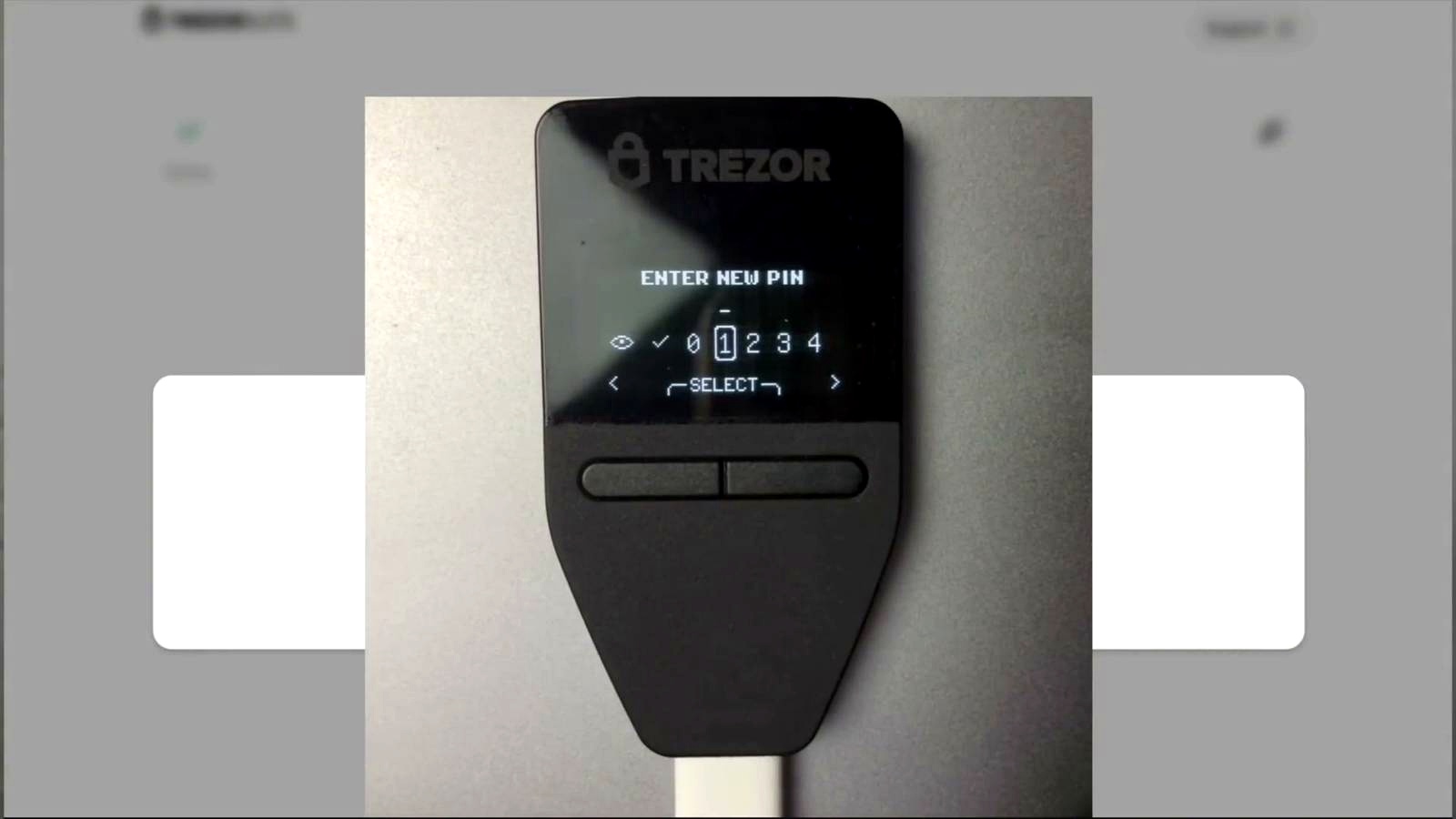
It is also described as straightforward to use. You connect it to the Trezor Suite app on your desktop device using the included USB-C cable.
However, Trezor is mainly a computer wallet and does not have a battery, so it has to stay plugged in to be used. It makes a great at-home wallet, but it is not the best choice if you want something more portable.
Final Thought
Once you find the best cold wallet for your situation, the only thing left is to double-check that it supports the crypto you want to secure and works with your devices. The right choice depends on your holdings, your experience level, and how simple or advanced you want the wallet experience to be.
FAQ
-
Is there one best cold wallet?
No. There is not a single best one. Each wallet is different, and the right choice depends on what crypto you hold and your experience level.
-
What should I check first before choosing a wallet?
The first two things to check are coin support and device compatibility. If a wallet does not support your crypto or your devices, you may not be able to use it.
-
Does connecting a cold wallet to a phone or computer make it online?
No. Cold wallets are offline devices and are not connected to the internet. The phone or computer app simply acts as a messenger between the blockchain and the cold wallet.
-
Why is a seed phrase important?
The seed phrase is the master key to accessing all of your crypto. If you lose your wallet or it breaks and you do not know your seed phrase, you would never be able to access your crypto again.
-
Are airgapped wallets more secure?
No cold wallet connects to the internet, so being airgapped does not make a wallet uniquely offline. According to the material provided, airgapped wallets usually just make things harder and mainly affect the user experience.
-
Are Bitcoin-only wallets safer than multicoin wallets?
Not necessarily. The material says multicoin wallets can be just as secure as Bitcoin-only wallets if the developer knows what they are doing, and that Bitcoin-only security claims are often just marketing.
-
Which wallet is the most user-friendly among the three mentioned?
Tandem is presented as the most user-friendly and the easiest wallet on the market to set up and use.
Video Reference

John Burnell focuses on Bitcoin infrastructure, wallet security and blockchain technology. He writes educational articles explaining how Bitcoin works and how the technology evolves.