Is Bitcoin acting as a civilian escape valve, a sanctions workaround, or both? A new video from Bharatiya Janata Party frames the answer as a troubling overlap between household survival and state-linked crypto activity in Iran.
According to Bharatiya Janata Party, the most immediate Bitcoin-related takeaway is that crypto outflows from Iran surged as military action began, with more than $10 million reportedly leaving Iranian exchange platforms on February 28, the first day of Israeli-US air strikes on Iran. The channel says that move was unusually large and points to a market under stress, where digital assets are being used both by civilians trying to protect savings and by actors linked to the Iranian state.
A wartime rush into crypto
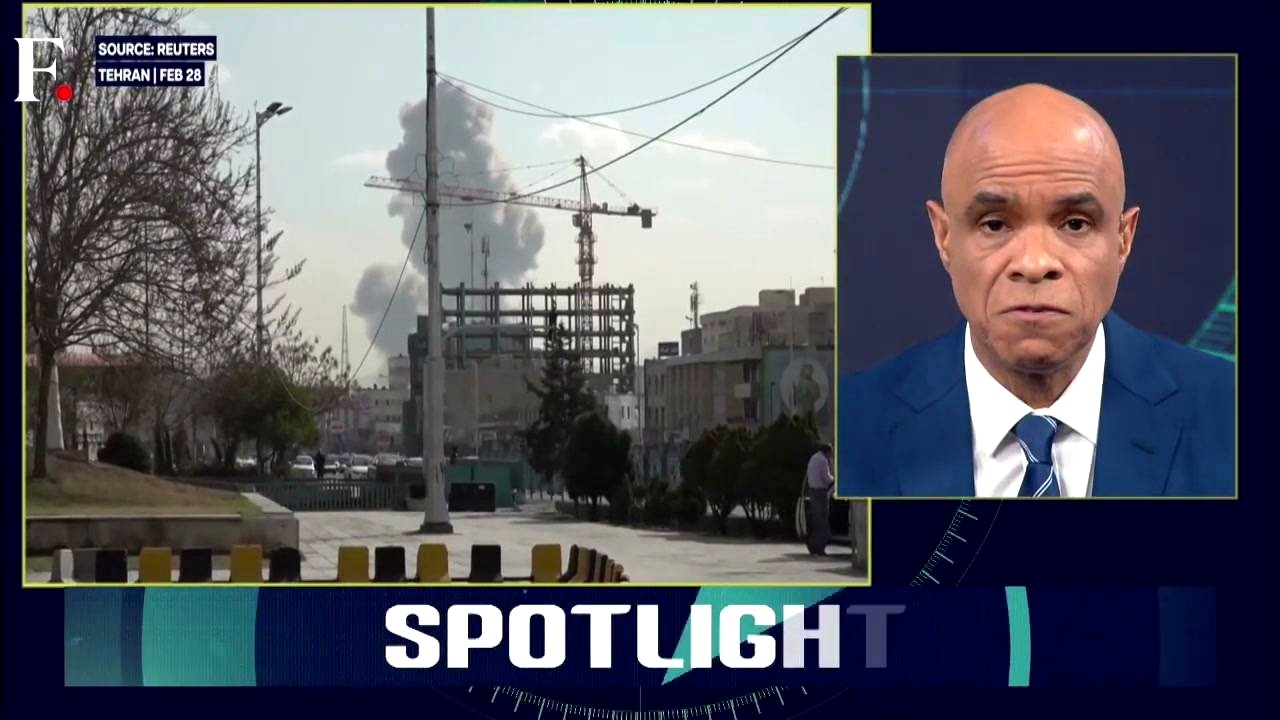
The channel argues that Iran’s crypto market has become a parallel financial system under pressure. In its account, the outflows were not just a routine reaction to conflict headlines. They continued even during internet disruptions, which the host says suggests some users retained access to exchange crypto holdings even when websites were inaccessible.
That detail matters because it implies operational continuity during a crisis. Bharatiya Janata Party says analysts traced part of the surge to wallets directly linked to Iran’s Revolutionary Guards. By March 5, nearly one-third of the funds had reportedly been transferred to foreign exchanges.
The host presents two motives behind the exodus. One is defensive: ordinary citizens moving money into crypto to shield their wealth from inflation and currency weakness. The other is strategic: regime-linked actors shifting funds out of fear of further sanctions or cyberattacks. The scale of the movement, he says, points beyond retail panic alone.
Why Bitcoin and stablecoins matter in Iran
According to Bharatiya Janata Party, cryptocurrencies serve two distinct roles inside Iran. For the state and state-linked entities, they offer an alternative payment rail outside the traditional financial system, which has been constrained by sanctions. For civilians, they function as a store of value when the domestic currency is under pressure.
The channel says the Iranian central bank and the Revolutionary Guards reportedly favor stablecoins, describing them as digital currencies generally pegged to the US dollar to avoid volatility. But it also says civilians are turning “en masse” to Bitcoin, portraying BTC as an asset beyond the immediate reach of authorities.
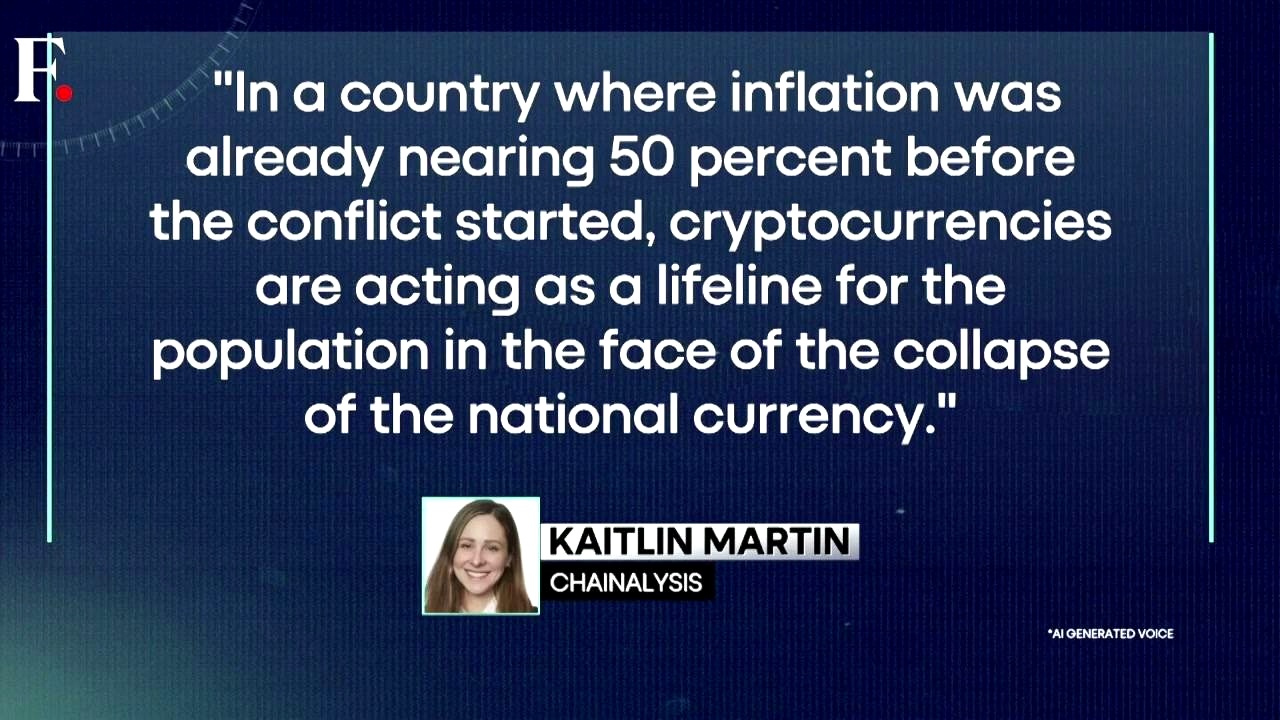
The macro backdrop is severe. Inflation in Iran was reportedly nearing 50% even before the conflict escalated. In that environment, the host describes crypto as a lifeline for people trying to preserve purchasing power as the national currency weakens.
For Bitcoin readers, the tension is clear. BTC appears here not as a speculative trade, but as crisis infrastructure: harder to censor than bank transfers, easier to move across borders, and appealing when local money is losing credibility.
The sanctions angle gets sharper
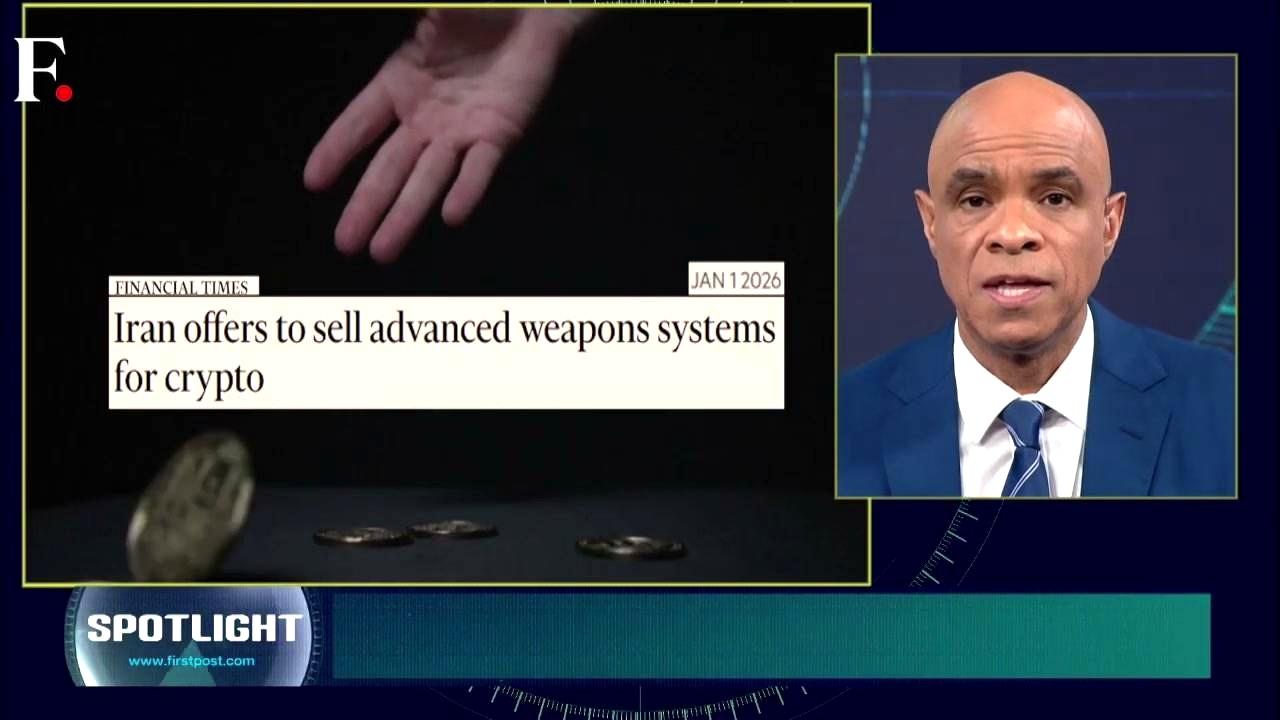
Bharatiya Janata Party also pushes a broader geopolitical claim: that crypto is helping Iran route around sanctions. The channel says US authorities have described cryptocurrencies as an alternative channel for selling embargoed oil or discreetly financing allied armed groups such as the Houthis in Yemen.
It further cites media reports claiming Iran offered ballistic missiles, drones, and other advanced weapons systems for sale using cryptocurrencies because crypto transfers are quicker and less expensive than bank wires. The host adds that digital assets remain difficult to trace due to gaps in global regulation.
Those claims, if accurate, place Bitcoin and crypto in a dual-use category. The same tools that may help households escape inflation can also serve sanctioned networks seeking liquidity and mobility. That is the core tension running through the segment.
The scale of alleged state-linked crypto activity
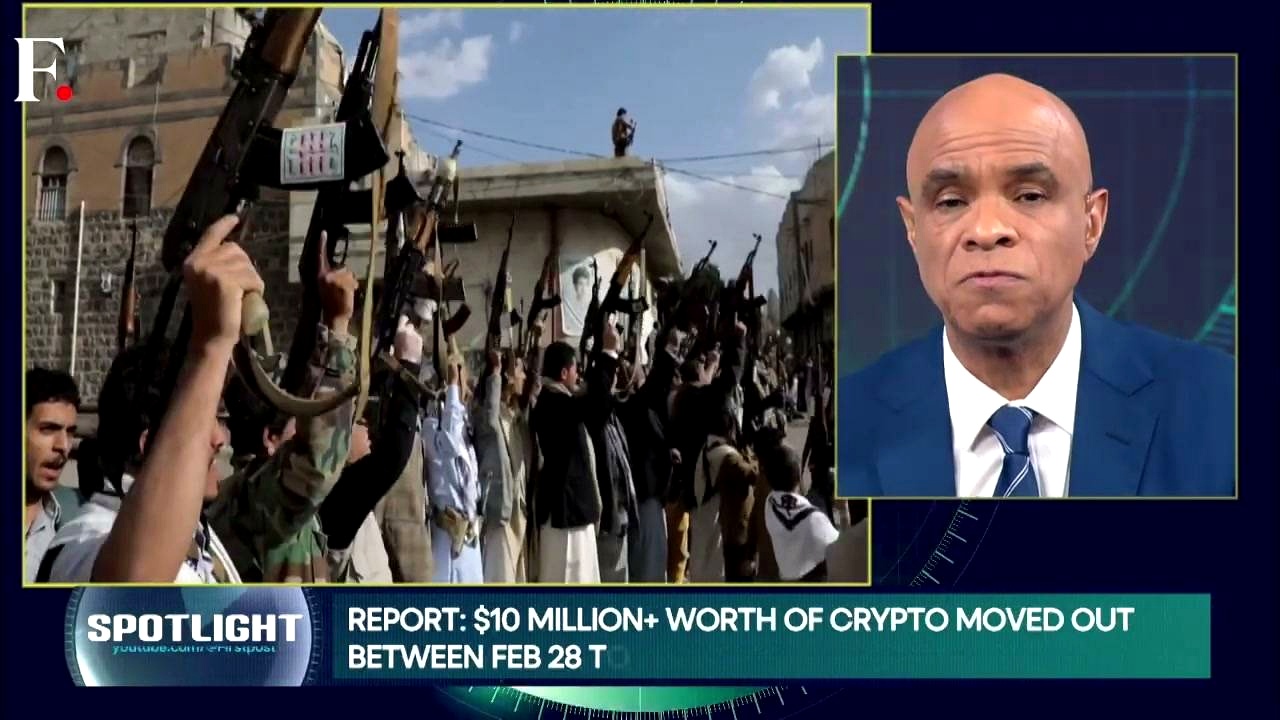
The channel includes several figures to argue that the state-linked side of Iran’s crypto economy is already large.
- More than $10 million in crypto reportedly left Iranian exchanges on February 28.
- By March 5, nearly one-third of those funds had moved to foreign exchanges.
- In June 2025, crypto platform Novitex reportedly had $90 million stolen by hackers linked to Israel.
- Last year, wallets associated with the IRGC were reportedly funded with more than $3 billion in cryptocurrencies.
- That sum represented more than half of the country’s crypto flows, according to the channel.
- Iranian inflation was said to be nearing 50% before the conflict began.
Taken together, those numbers support the video’s main argument: crypto in Iran is not marginal. It is large enough to matter to sanctions enforcement, cyber conflict, and household financial survival at the same time.
Why this matters beyond crypto markets
While the segment begins with Bitcoin and crypto outflows, it broadens quickly into a larger economic warning. Bharatiya Janata Party says the West Asia conflict has disrupted the Strait of Hormuz and shut fertilizer plants in the region, creating a supply shock that could feed into food inflation worldwide.
The direct link to Bitcoin is not price action; it is the stress environment. The same geopolitical breakdown that drives capital into crypto can also intensify inflation in real-world essentials. That matters because Bitcoin adoption in crisis economies often accelerates when both currencies and food systems come under strain.
The fertilizer figures cited in the video are stark:
- Around one-quarter of global fertilizer supply normally moves through the Strait of Hormuz, according to the United Nations.
- Middle East granular urea climbed 19% in the first week of March, reaching $590 per ton.
- Egyptian urea reportedly spiked 28%.
- Urea, described as the most commonly used fertilizer, had risen about 30% in just one month.
The host says that if disruption lasts just one month and ends by the close of that month or the first week of the next, markets could absorb the shock in roughly three months. If it lasts longer, the picture worsens materially, with lower yields, crop failures, or higher food prices next year.
India’s response shows how governments may try to contain spillovers
The channel also points to India’s policy response as a sign of how governments are trying to blunt the inflationary fallout from the conflict. It says India cut the special additional excise duty on petrol and diesel by 10 rupees per liter, bringing the central excise duty to 3 rupees per liter for petrol and eliminating it for diesel.
It also cites export charges of 21.5 rupees per liter on diesel exports and 29.5 rupees per liter on aviation turbine fuel. Retail fuel prices, however, were said to remain unchanged, with the immediate benefit flowing to oil marketing companies rather than directly to consumers.
For India specifically, the video says the risk is not an immediate fertilizer shortage but rising import costs and subsidy pressure. It also claims Iran reopened the Strait of Hormuz to five friendly nations including India, a key point given the country imports 88% of its crude oil and nearly half of its natural gas.
That broader macro setting matters for Bitcoin coverage because crypto usage often rises when states impose controls, when cross-border trade is disrupted, or when inflation shocks spread from energy into household budgets.
What to watch next

The next signal is whether wartime crypto outflows from Iran continue to migrate to foreign exchanges. Bharatiya Janata Party presents that as the clearest marker of sustained capital flight. A second signal is whether stablecoins keep gaining favor among state-linked actors while civilians lean more heavily on Bitcoin.
The third is outside crypto but feeds back into it: how long the Hormuz disruption lasts. If energy and fertilizer shocks deepen, inflation stress could reinforce the exact conditions that make Bitcoin and other digital assets more attractive in economies under pressure.
FAQ
Why is Bitcoin specifically mentioned if stablecoins are also in use?
The video separates the two. It says state-linked actors and the Iranian central bank reportedly favor stablecoins to reduce volatility, while civilians are turning to Bitcoin as a harder-to-control asset during financial turmoil.
What is the strongest evidence of unusual crypto activity in the report?
The clearest data point cited is the outflow of more than $10 million from Iranian exchange platforms on February 28, followed by the claim that nearly one-third had reached foreign exchanges by March 5.
Does the source give any Bitcoin price targets?
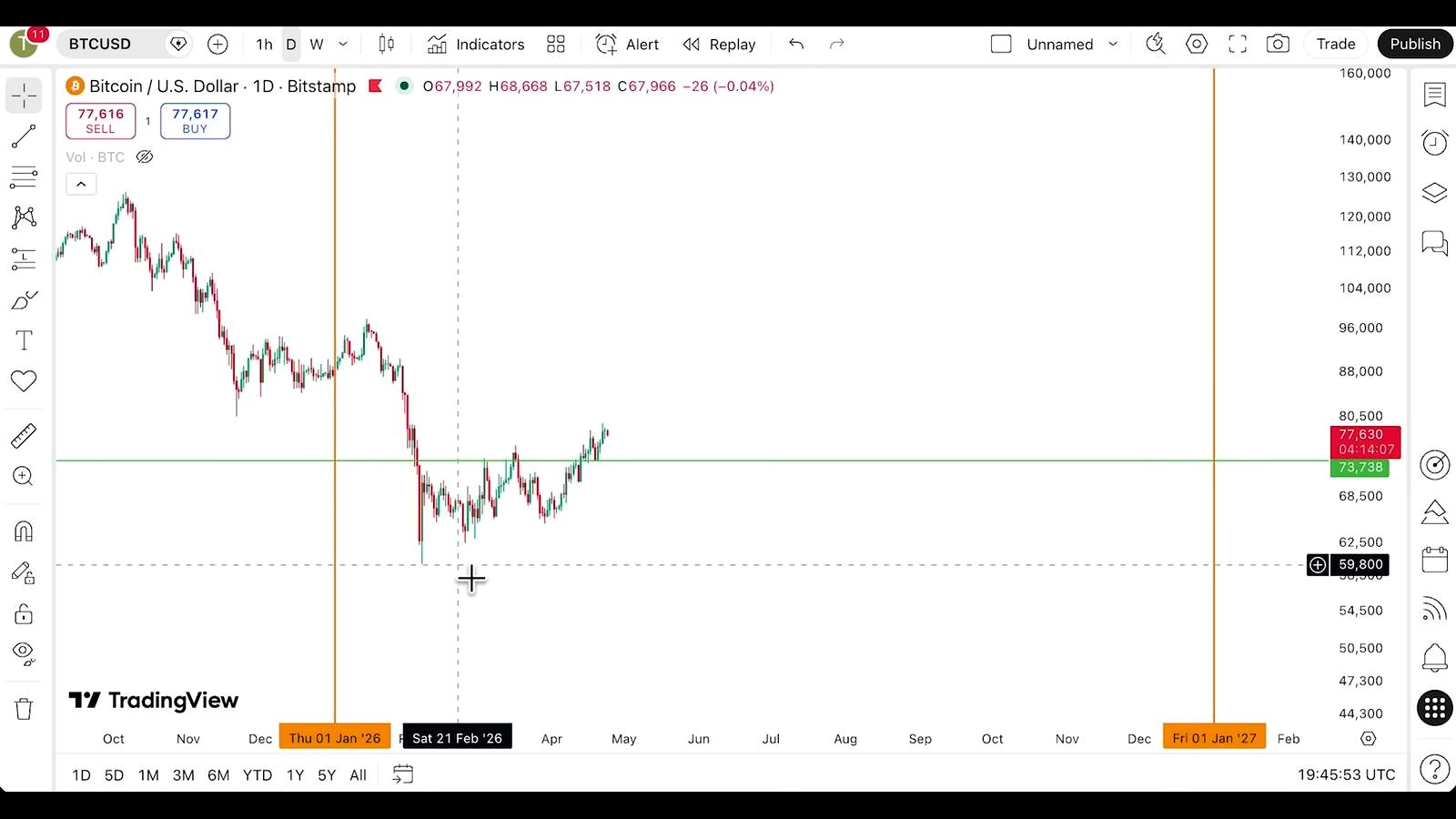
No specific Bitcoin or BTC price targets were given. The segment focuses on crypto flows, sanctions evasion claims, inflation, and the wider economic fallout of the conflict.
How large does the source say Iran’s state-linked crypto activity is?
It cites more than $3 billion in cryptocurrency funding to wallets associated with the IRGC last year, describing that as more than half of the country’s crypto flows.
Why should Bitcoin readers care about the fertilizer story?
Because the segment links war-driven supply shocks to food inflation. In countries already facing currency weakness and high inflation, rising costs for essentials can strengthen demand for alternative stores of value such as Bitcoin.
Video Source

Omar Al-Sharif lives and works in the UAE and is involved in the blockchain technology industry. He writes articles on Bitcoin and digital assets as a personal passion, explaining complex topics in simple and understandable language.