Markets opened the week with a familiar tension: was Bitcoin’s latest bounce a real risk-on turn, or just a brief relief rally before geopolitics and macro data hit again? According to CryptosRUs, BTC’s jump from roughly $66,000 to nearly $70,000 reflects growing confidence that a threatened escalation around Iran may stay in the realm of pressure tactics rather than immediate military action.
Bitcoin’s bounce is being framed as a bet on de-escalation
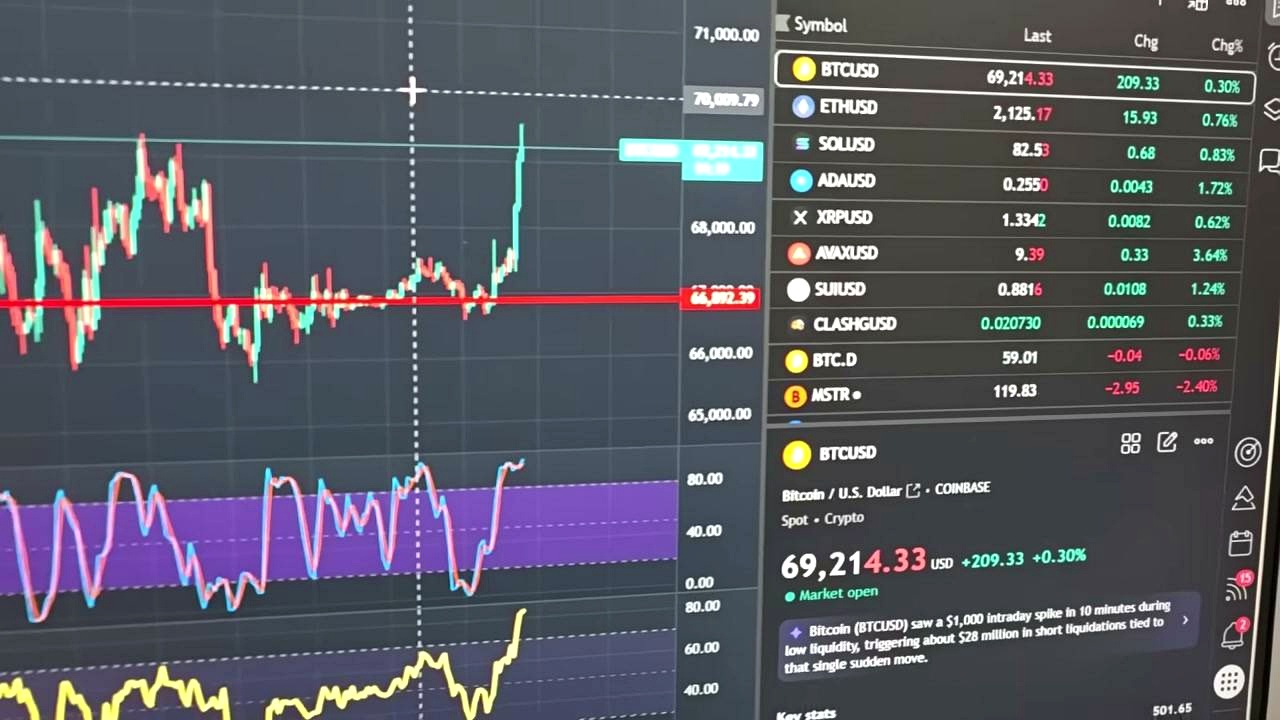
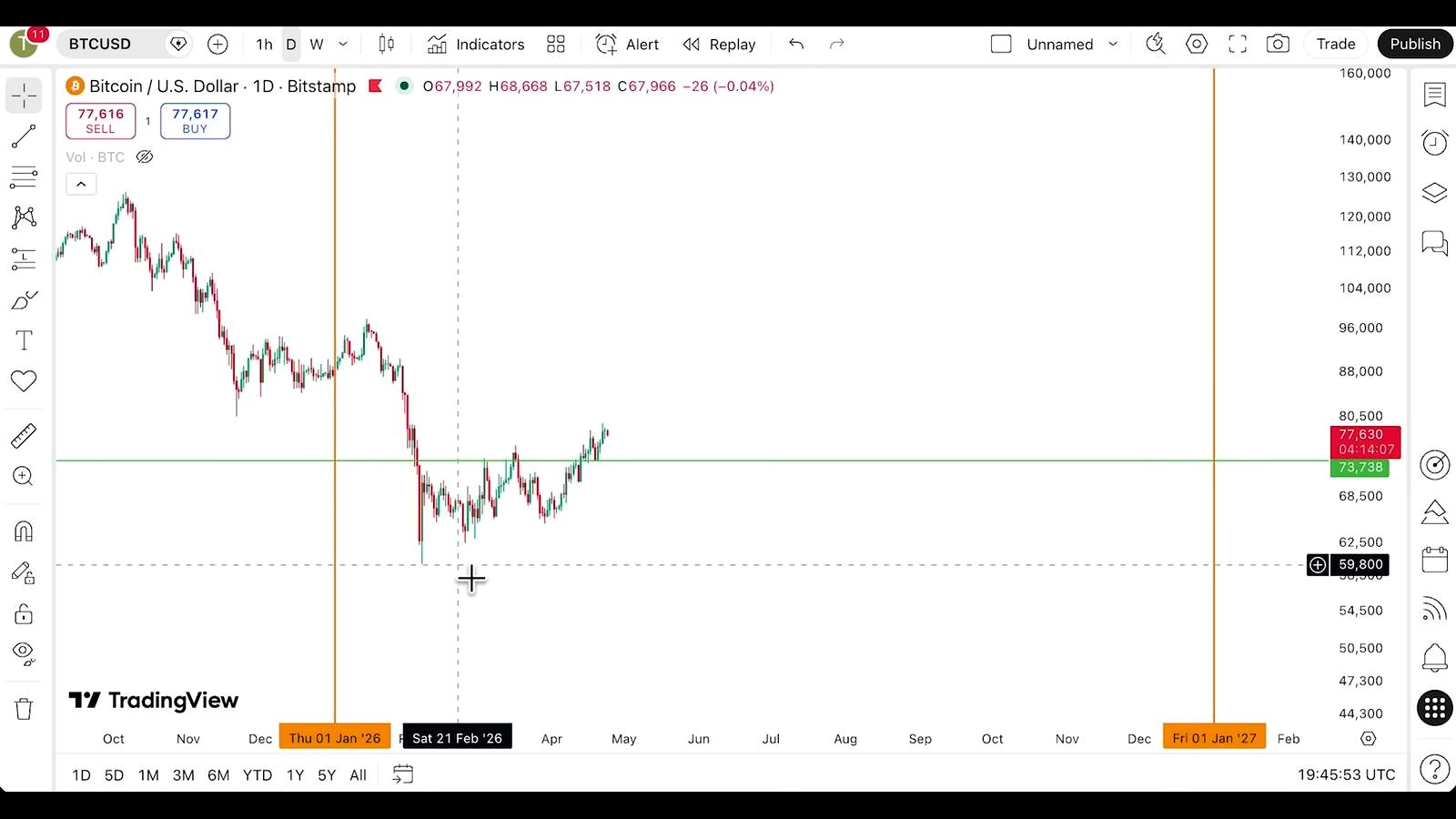
According to CryptosRUs, the main story for Bitcoin this week is not crypto-specific at all. It is the market’s interpretation of U.S.-Iran tensions, especially rhetoric tied to shipping through the Strait of Hormuz. The host argued that traders are increasingly pricing in a scenario where pressure on Iran leads to the reopening of shipping lanes rather than a direct military strike, and he linked that expectation to Bitcoin’s recovery from around $66,000 to almost $70,000.
He also pointed to a narrow near-term window, saying the key period to watch was between Monday and Tuesday, after what he described as a 48-hour ultimatum. In his telling, if strikes were actually carried out, oil could jump by $8 to $15 “immediately” over the next 72 hours, while crypto volatility could expand by 40% to 60%. That is the core market claim: Bitcoin is rising because traders think the worst-case geopolitical outcome may be avoided, at least for now.
That framing fits a broader market reality. Bitcoin often trades like a hybrid asset during stress events: part macro risk asset, part liquidity barometer, part geopolitical hedge. In the very short term, however, sharp military escalation usually hurts crypto first because traders reduce leverage and sell liquid assets. A jump in oil would also complicate the inflation outlook, which matters for Federal Reserve policy and risk appetite. So while the analyst’s thesis is plausible, it is best understood as a conditional rally, not a clean all-clear.
Technical signals improved, but macro still matters more than charts this week
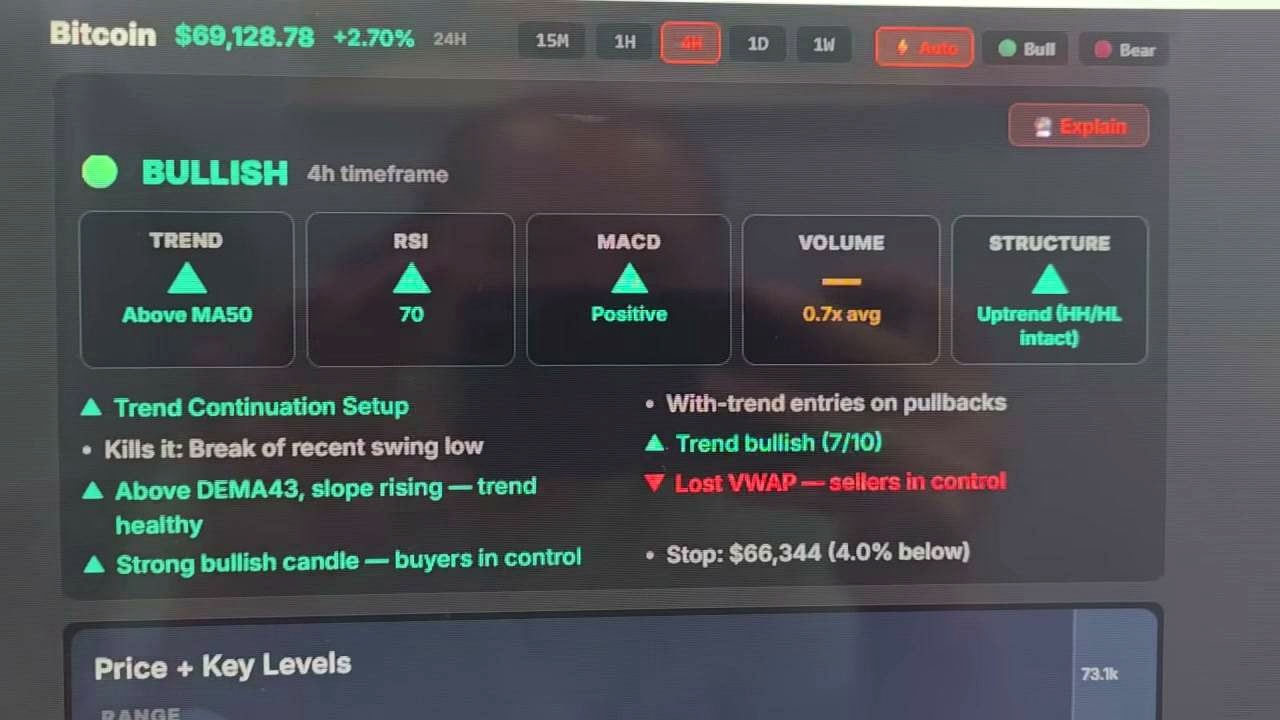
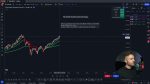
According to CryptosRUs, Bitcoin’s short-term chart structure has improved materially. The host said the 4-hour timeframe had turned bullish, while shorter windows such as the 15-minute chart remained more neutral. He cited price moving above the “dimma 43, ” strength above VWAP, a strong bullish candle, and momentum indicators like RSI and MACD flipping in a constructive direction.
In other words, the analyst sees a market that was technically damaged during the prior pullback but is now showing signs of repair. That matters because Bitcoin’s recent rallies have often depended on whether momentum can quickly reassert itself after macro-driven shocks. A swift reclaim from the mid-$60,000 range back toward $70,000 suggests buyers are still active rather than waiting for a deeper reset.
He paired that technical case with a sentiment one. CryptosRUs argued that fear remains elevated because of war concerns, and that such conditions often create a contrarian long signal. He added that long-term holders, whales, and institutions are still buying, even as broader sentiment stays weak.
That is not a fringe view in this cycle. A large share of bullish Bitcoin commentary still rests on the idea that dips are being absorbed by structurally stronger buyers than in previous years, including ETF-related demand and long-term allocators. But sentiment-based bullishness is strongest when macro stress fades quickly. If fear persists and broad financial conditions tighten, technical recovery signals on lower timeframes can fail fast.
The other major catalyst this week is macro data. The host flagged both PCE inflation and CPI, alongside the previous weak jobs report, as crucial for rate-cut expectations. His argument was straightforward: if inflation does not rise too much and labor data continues to soften, the market could begin to price more than one rate cut this year, despite the Fed’s recent caution.
That matters because Bitcoin’s upside this cycle has frequently accelerated when traders anticipate easier monetary conditions. But it also creates a tension with the geopolitical story. If oil spikes, inflation expectations can rise with it, making central banks less likely to ease. For Bitcoin, that could mean a short-term hedge narrative colliding with a liquidity headwind.
What could go wrong
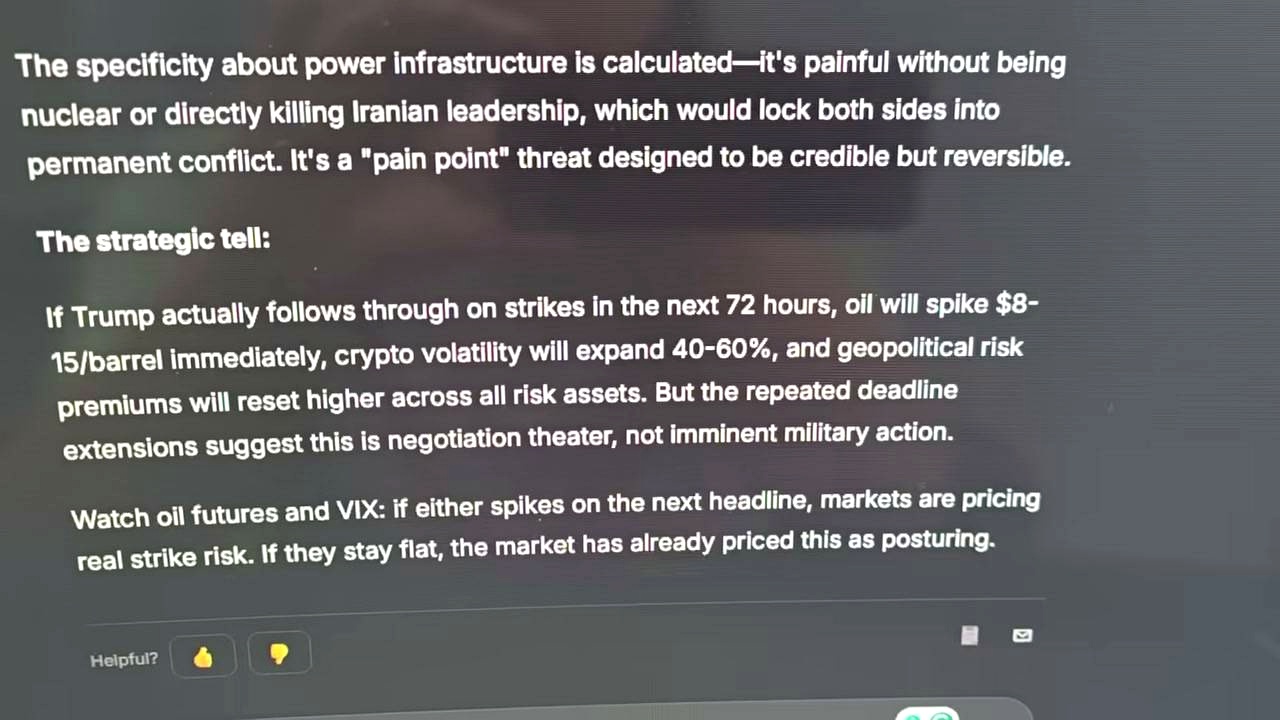
The cleanest way to break this thesis is straightforward: actual escalation. According to CryptosRUs, the market is acting as if the current threat is more “negotiation theater” than imminent action. If that assumption is wrong, the immediate result would likely be higher oil, wider risk premiums, and forced deleveraging across crypto. In that environment, Bitcoin’s move back toward $70,000 could quickly reverse.
There is also a second risk the analyst only partially addressed: inflation. Even without a direct military event, any sustained increase in energy prices can feed into inflation expectations and tighten financial conditions. That would be especially problematic in a market already debating whether the Fed will deliver more than one cut this year. A hotter-than-expected CPI or PCE print would likely hit both equities and crypto by pushing yields higher.
Then there is the technical risk. Lower-timeframe bullish signals can look compelling during weekend or holiday trading, but they are more vulnerable once full market liquidity returns. Bitcoin recovering from $66,000 to nearly $70,000 is encouraging, but reclaiming a level is not the same as holding it through a macro-heavy week.
The other side of this trade is that fear may be justified rather than excessive. Contrarian setups work best when the market is emotionally stretched but fundamentally stable. If the underlying risks are still worsening, “buy the fear” can become an early entry into more downside.
What to watch next
The immediate trigger is whether the market’s de-escalation assumption holds between Monday and Tuesday. Beyond that, traders should watch whether Bitcoin can maintain its recovery near $70,000 once U.S. markets fully digest geopolitical headlines and this week’s inflation data.
If oil remains contained and CPI and PCE do not re-accelerate, the analyst’s bullish short-term case gains credibility. If oil jumps by anything close to the $8 to $15 range he mentioned, or if inflation surprises to the upside, risk assets could reprice quickly. On the chart, the question is simple: does the bullish 4-hour structure survive, or does it roll back into a failed bounce?
FAQ
What is the Strait of Hormuz, and why does it matter for Bitcoin?
The Strait of Hormuz is a critical global oil shipping route. If traffic through it is disrupted, oil prices can rise sharply. Higher oil can fuel inflation fears, pressure central banks to stay tighter for longer, and hurt risk assets such as stocks and crypto in the short term.
What do traders mean when they say volatility could expand by 40% to 60%?
It means price swings may become much larger and faster than usual. In crypto, that can translate into sharper intraday rallies and selloffs, higher liquidation risk in leveraged positions, and wider spreads across derivatives markets.
Why do CPI and PCE matter so much for BTC?
CPI and PCE are inflation gauges closely watched by markets and the Federal Reserve. Lower inflation can support expectations for rate cuts, which tends to help liquidity-sensitive assets like Bitcoin. Higher inflation can do the opposite by keeping yields elevated and financial conditions tighter.
What is VWAP, and why do traders watch it?
VWAP stands for volume-weighted average price. It tracks the average price an asset has traded at during a session, weighted by volume. Traders use it to judge whether price is trading with strength above a key average or slipping below it.
How is this different from previous geopolitically driven Bitcoin pullbacks?
In many prior episodes, Bitcoin initially sold off with other risk assets before stabilizing once the event became clearer and forced selling eased. The key difference each time is the macro backdrop. If inflation and rate expectations are already fragile, geopolitical stress tends to have a larger and more lasting market impact.
Original Video

An Indian crypto journalist covering the developments in the Bitcoin and blockchain industries. Her work helps readers understand key changes in the world of digital assets.