Can ordinary users still get exposure to Bitcoin mining without buying loud, power-hungry machines and building out industrial infrastructure? That question sits at the center of a new sponsored breakdown from Kyle Chasse crypto, who examines cloud mining through the lens of one platform while repeatedly warning that the economics can turn fast.
The key takeaway: cloud mining is being pitched as a shortcut around Bitcoin mining’s biggest barriers
According to Kyle Chasse crypto, the real appeal of cloud mining is simple: it lets users rent hash power instead of owning and operating ASIC hardware themselves. In his framing, that matters because direct participation in Bitcoin mining has become increasingly inaccessible for individuals.
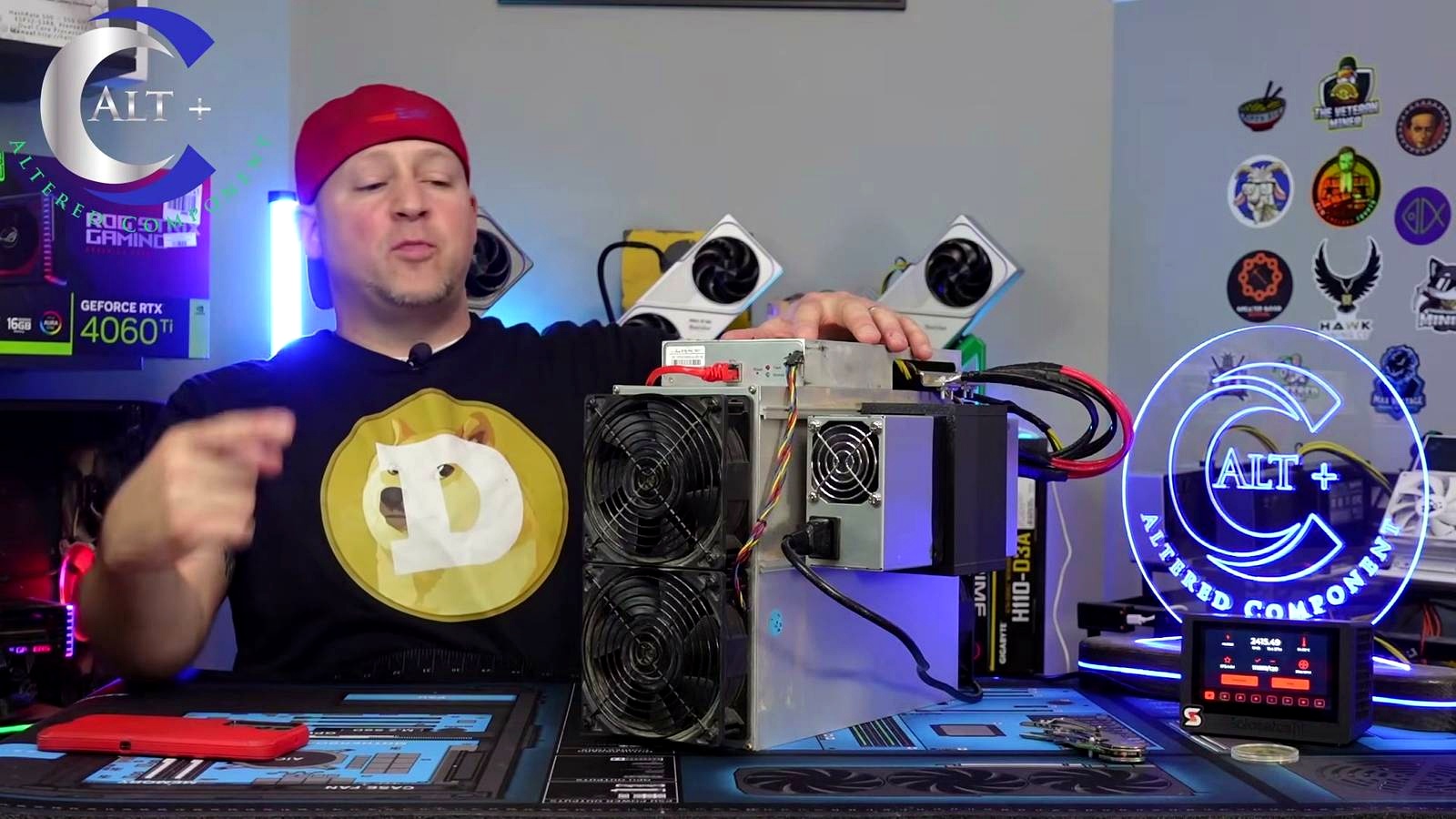
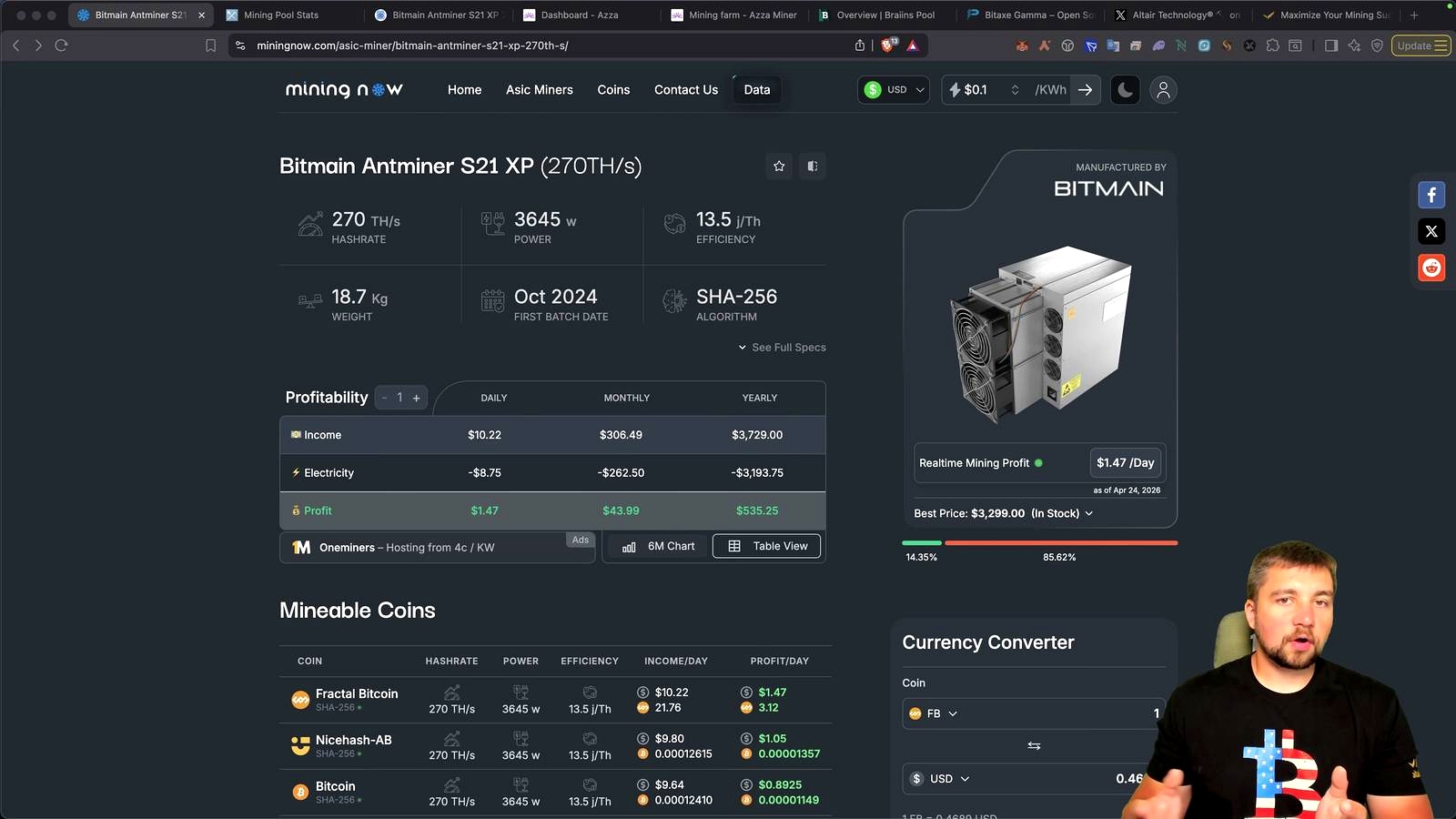
He describes traditional mining as capital intensive, operationally messy, and quickly outdated. His example is a shoebox-sized ASIC that runs 24/7, costs $4,000 upfront, adds roughly $200 per month in electricity costs, and earns about $5 per day in Bitcoin. He then contrasts that with higher-end industrial hardware, citing the Antminer S21 at more than 400 terahashes per second and more than 5,000 watts of power draw.
The point is not that mining is fake or unworkable. It is that mining economics are real, but access is limited by hardware costs, electricity, maintenance, cooling, and technical execution. Cloud mining, as he presents it, is one model trying to lower those barriers by moving the hardware and operations burden to a third party.
The numbers that matter most in this breakdown
Chasse’s argument relies heavily on cost structure. These are the concrete figures cited in the video:
- 3 hours: Time he says he spent staring at his portfolio before researching mining
- $4,000: Example upfront cost for a consumer ASIC miner
- $200/month: Example monthly electricity bill for that setup
- $5/day: Example daily Bitcoin earnings from that setup
- 400+ TH/s: Hashrate cited for an Antminer S21
- 5,000+ watts: Power draw cited for that higher-end machine
- 60% to 70%: Share of total mining operating cost he says electricity typically represents
- $100 USDT: Minimum starting amount on the featured platform
- $5,000: Example hardware cost in his back-of-the-napkin mining model
- $0.07/kWh: Electricity cost used in that example
- 3,000 watts: Power draw used in that example
- $150/month: Electricity cost derived from that example setup
- Every 2 weeks: Approximate Bitcoin mining difficulty adjustment cadence cited in the video
- 20%: Bitcoin drawdown he says could rewrite mining economics
- 800 EH/s: Bitcoin network hashrate level he says was recently crossed
- 150 EH/s: Approximate hashrate level he cites from 5 years ago
- 5x: Increase in network computing power over that period, as stated in the video
- 30%: Larger hypothetical one-day Bitcoin drop he says would alter mining math
Why energy costs dominate the mining equation
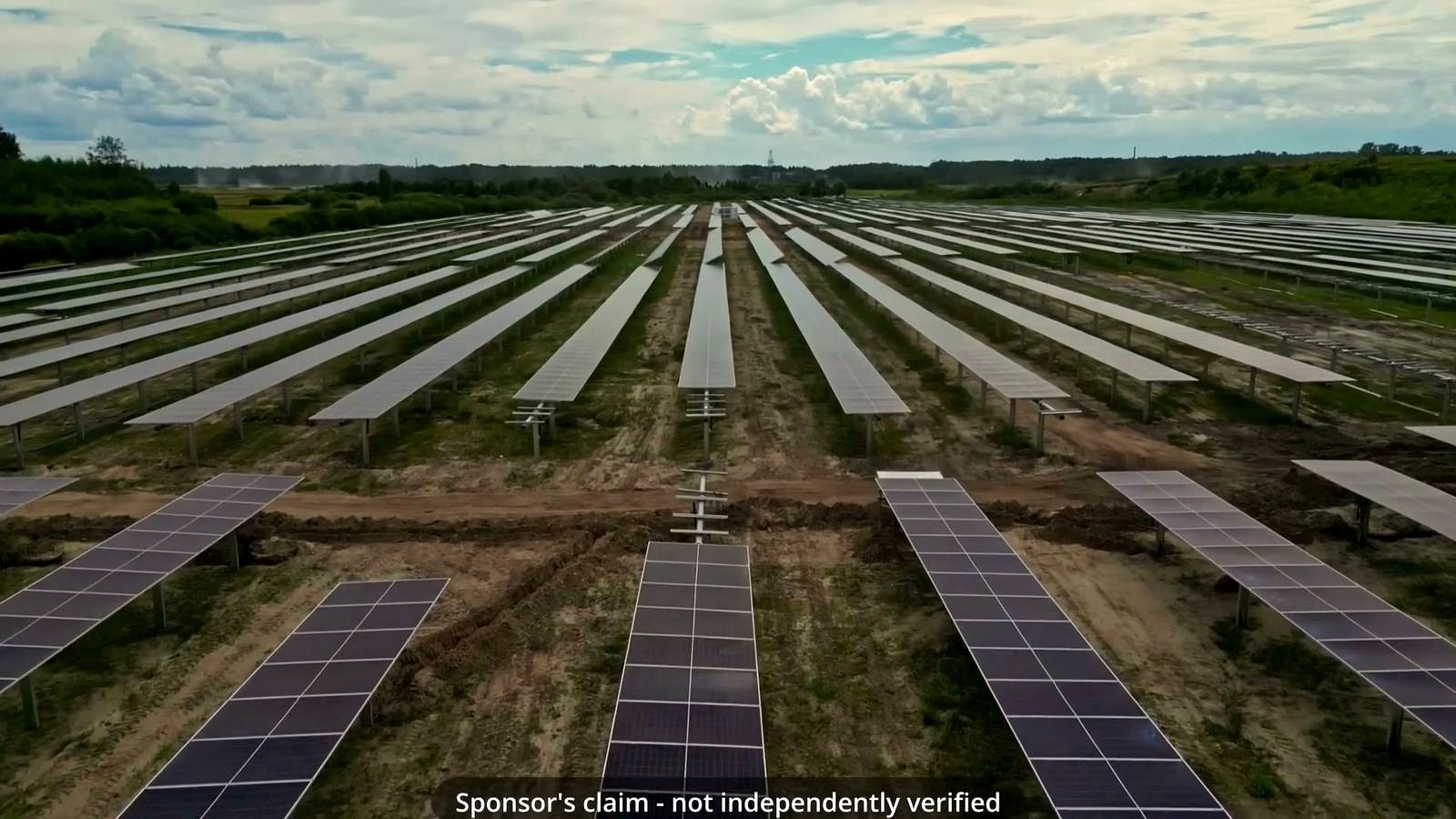
Kyle Chasse crypto argues that electricity is the single most important variable in mining profitability. He says power typically makes up 60% to 70% of total mining operating costs, which means even modest changes in energy inputs can materially alter expected returns.
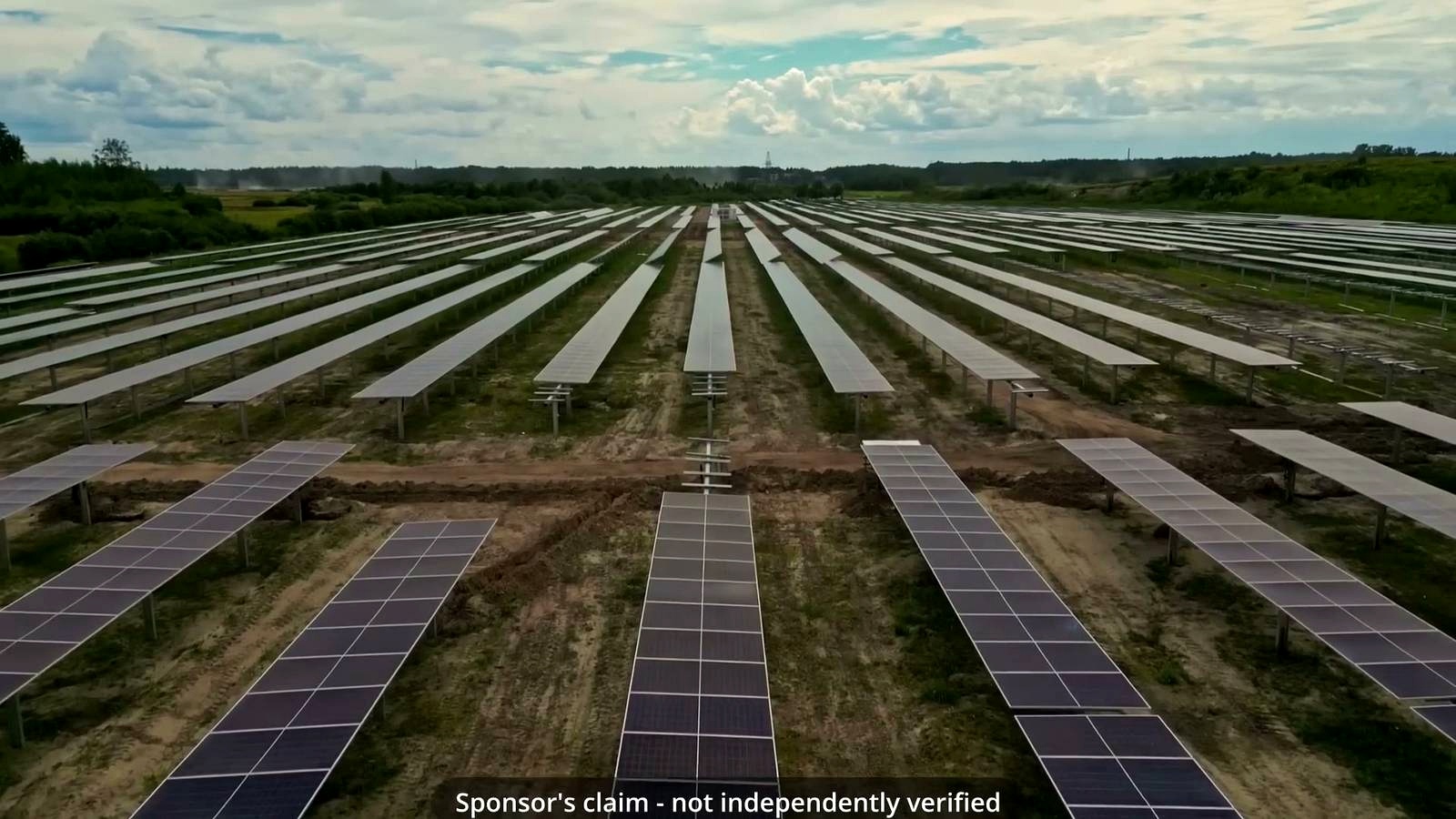
That is why he focuses on Azza Miner’s claim that it runs on solar power. In his back-of-the-napkin example, a miner with hardware costing $5,000, electricity priced at 7 cents per kilowatt hour, and a machine drawing 3,000 watts would face roughly $150 per month in electricity expense. He says replacing grid power with already-paid-off solar infrastructure would push that major expense toward zero, at least in theory.
That does not make returns automatic. But it explains the platform’s pitch. If cloud mining is going to work for users, Chasse suggests, it needs a structural energy advantage first.
Azza Miner’s pitch, and the part Chasse treats with caution

The host says Azza Miner is a US-based cloud mining platform registered as an LLC in Colorado and that it has publicly available business documentation, including an IRS EIN, articles of organization, and certificates of good standing. He presents that documentation as a due-diligence point rather than a final verdict.
He also highlights several operational features:
- Users create an account and choose how much mining power to buy
- The minimum starting point is $100 USDT
- The platform exclusively mines Bitcoin
- Payouts are processed daily
- Earnings can be withdrawn at any time, according to the host
Still, his most pointed comments come when discussing projected returns on the dashboard. He says those figures may look attractive, but they should not be taken at face value. He explicitly says the displayed numbers are the sponsor’s own figures and urges viewers to run their own math before committing capital.
That caution matters because he also reminds viewers that cloud mining has a long history of bad actors, including platforms that promised hash power they did not actually have. In this segment, his test is straightforward: are the economics plausible, and does execution match the claims?
Three conditions he says must hold for cloud mining returns to work
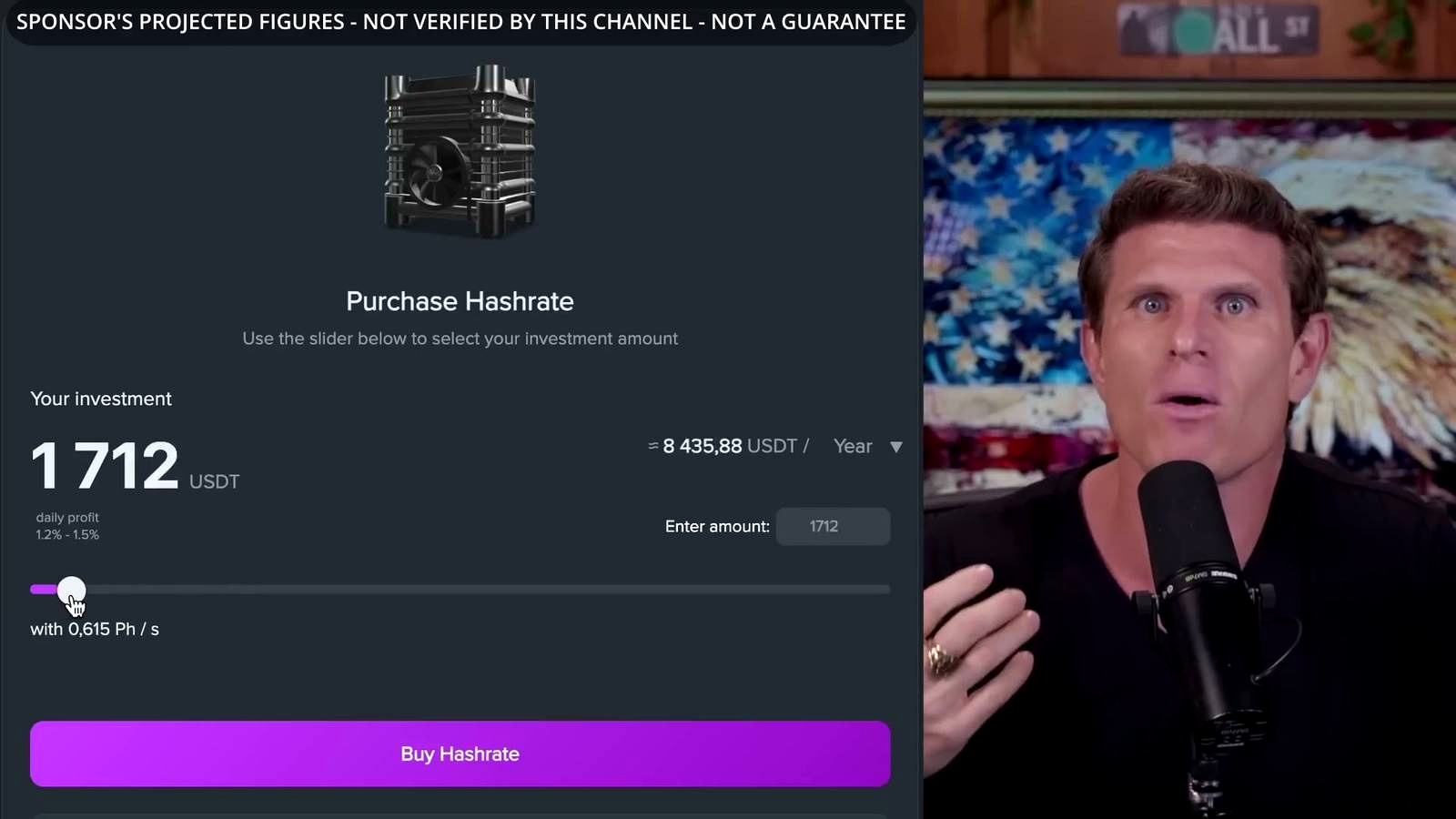
After introducing the featured platform, Chasse narrows the issue down to three variables.
1. Cheap energy
Without a meaningful power-cost advantage, he suggests, profitability gets squeezed quickly.
2. Efficient hardware and operational optimization
He says Azza uses AI-driven systems to manage mining performance in real time by adjusting for network difficulty, hardware efficiency, and market conditions. He presents that as a sign of a more serious operation, while noting that Bitcoin mining difficulty adjusts roughly every 2 weeks, forcing operators to adapt continuously.
3. A cooperative Bitcoin price
This is the wildcard. He says a 20% decline in Bitcoin’s price can rewrite the economics of a mining operation overnight, and later adds that a 30% drop tomorrow would change the math again. No operator controls that variable, which is why he refuses to treat projected returns as dependable.
Why this matters beyond one sponsor

According to Kyle Chasse crypto, the deeper reason to understand cloud mining is that the Bitcoin network itself is scaling rapidly while retail participants remain largely excluded from the infrastructure side.
He says Bitcoin’s hashrate recently crossed 800 exahashes per second, up from around 150 exahashes per second roughly 5 years ago, which he characterizes as a 5x increase in computing power securing the network. In his view, that rise reflects long-term conviction from institutions, publicly traded mining firms, and sovereign wealth funds.
For smaller investors, that creates a gap. Most market participants, he says, interact with Bitcoin as traders watching price charts rather than as participants in the network’s production layer. Cloud mining is presented here as one of the few models trying to bridge that divide for people who do not have tens of thousands of dollars, cheap electricity, and access to industrial-grade operations.
What to watch next
The next step is not a price target or a market call. It is execution. Chasse’s framework implies that anyone evaluating a cloud mining platform should focus on four things: whether the company can substantiate its infrastructure, whether its fee structure is clear, whether its energy advantage is real, and how sensitive its projected returns are to changes in Bitcoin price and network difficulty.
His own presentation is notably split. On one side, he argues that mining deserves more attention and that lower-friction access could make sense. On the other, he repeatedly warns that projected returns are variable, sponsor-supplied, and vulnerable to market shocks. For readers tracking the mining sector, that tension is the real story.
FAQ
What is cloud mining in plain English?
It means paying a company to run Bitcoin mining hardware on your behalf instead of buying the machines yourself. You are buying access to hash power, not setting up an ASIC in your home.
What specific risks did Kyle Chasse crypto highlight?
He pointed to two main ones: counterparty risk and market risk. Counterparty risk comes from trusting a platform to actually own and operate the hash power it sells. Market risk comes from Bitcoin price swings and rising mining difficulty, both of which can compress returns fast.
Why does solar matter so much in this model?
Because the host says electricity often accounts for 60% to 70% of mining costs. If an operator genuinely reduces that line item with low-cost energy, the economics can look very different from a miner paying retail grid rates.
Did the video give any Bitcoin price targets?
No specific BTC price targets were given. The only market scenarios mentioned were hypothetical drawdowns of 20% and 30% to show how quickly mining profitability can change.
What was the minimum entry point mentioned for Azza Miner?
The host said the platform’s minimum starting point is $100 USDT, with daily payouts and withdrawals available at any time, according to the platform description in the video.
Source Video

An Indian crypto journalist covering the developments in the Bitcoin and blockchain industries. Her work helps readers understand key changes in the world of digital assets.