Bitcoin spent the week wrestling with the $70,000 mark as crypto markets moved lower alongside broader markets. At the same time, Binance filed a defamation lawsuit against The Wall Street Journal, while federal regulators issued new guidance around tokenized securities.
Market action, legal developments, and regulatory updates all helped define the latest stretch for digital assets. The week also highlighted ongoing debate over Bitcoin’s role as a store of value, its growing mainstream adoption, and the changing treatment of tokenized securities.
Bitcoin Struggles to Hold the $70,000 Level
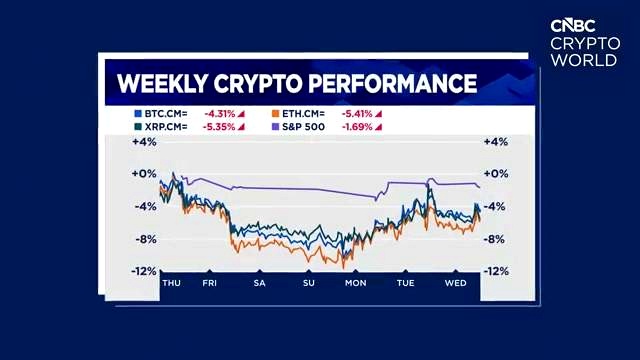
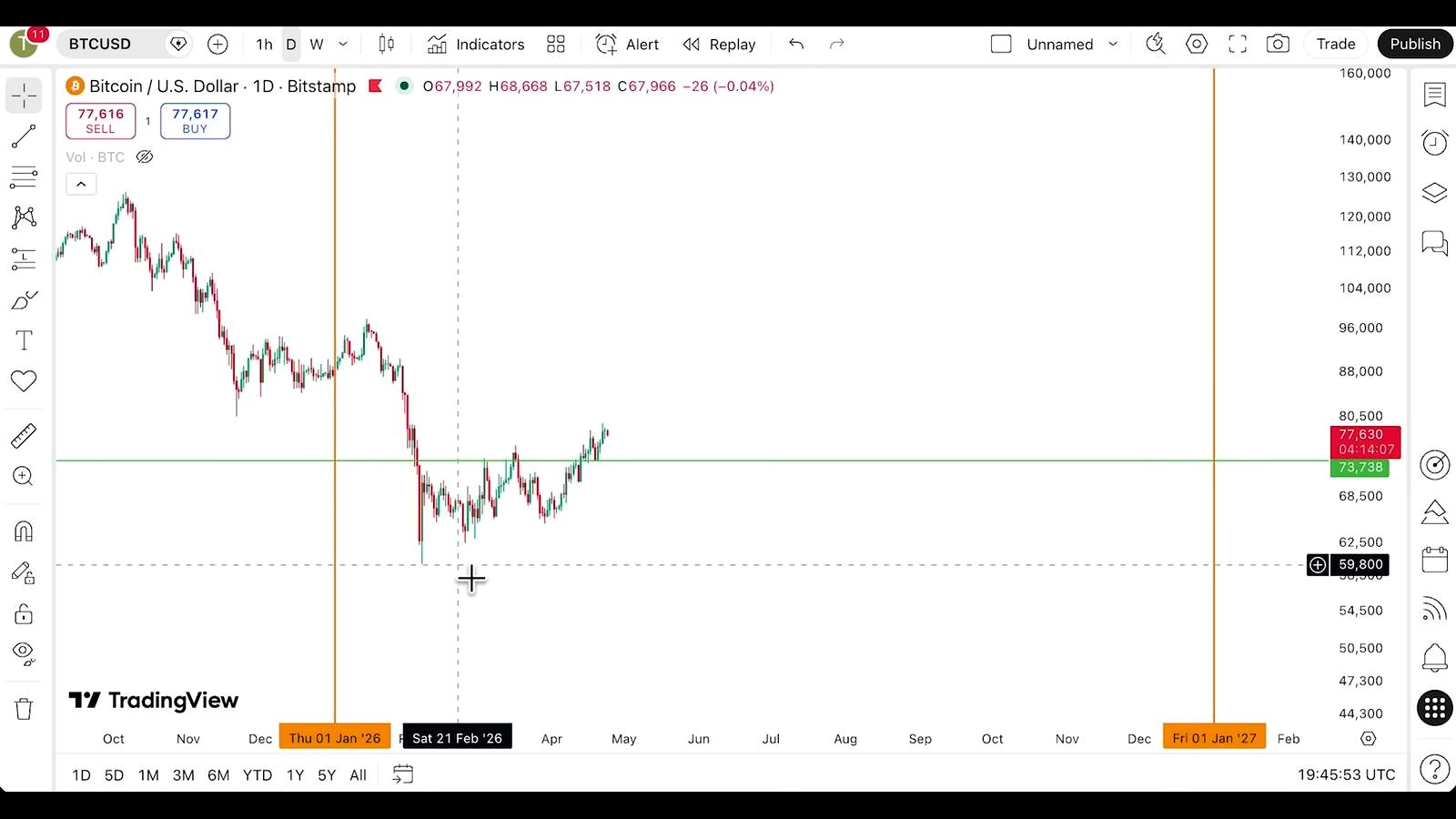
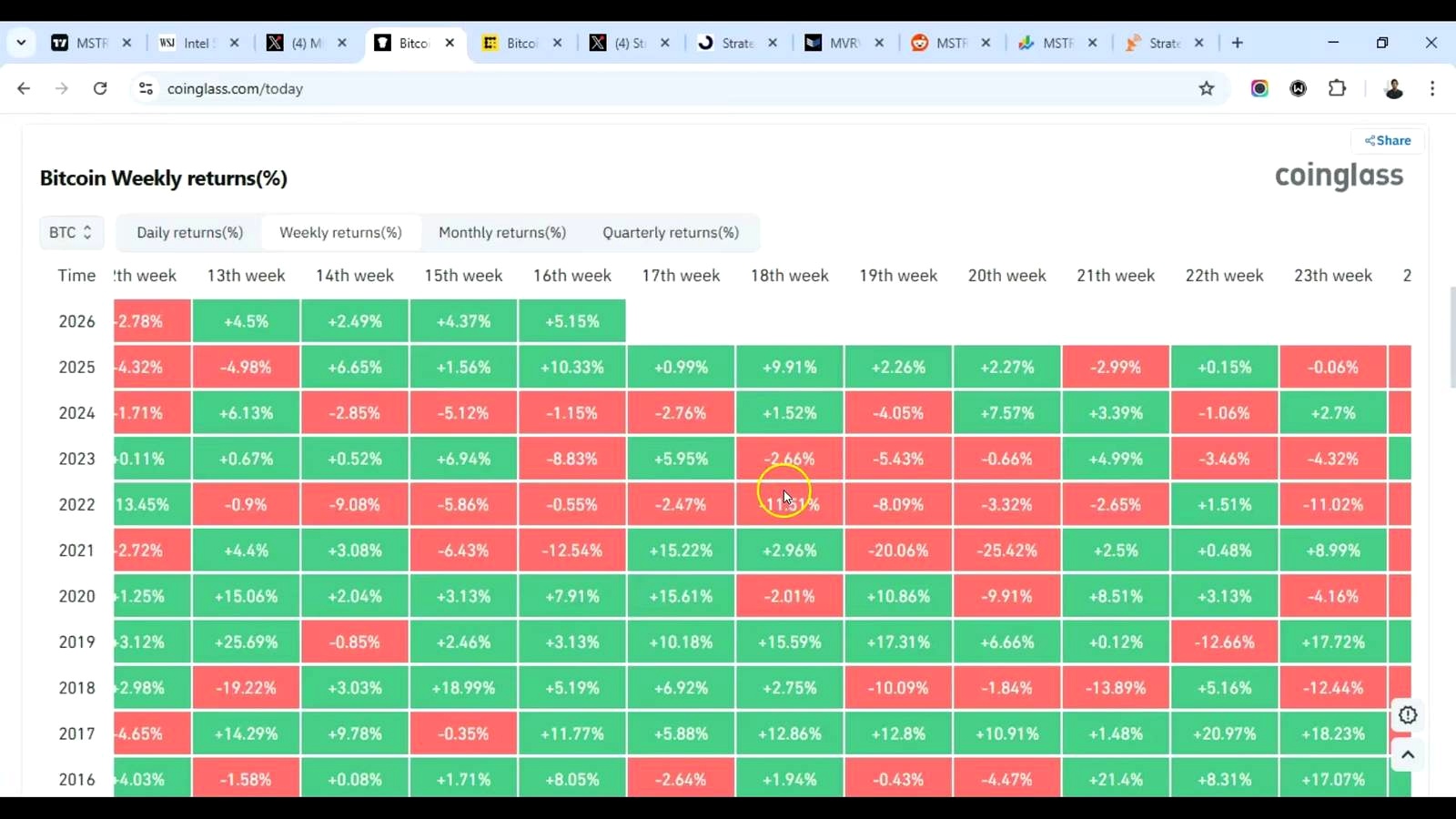
As of noon Eastern, Bitcoin tried to hold on to the $70,000 level, a benchmark it also reached the prior week. Over the past seven days, the flagship cryptocurrency was down more than 4%.
Other major digital assets also declined during the same period:
- Ether fell more than 5%
- XRP slid more than 5%
- The S&P 500 slipped nearly 2%
Crypto markets were in the red over the last week as investors received mixed signals on when the Iran conflict will end. Bitcoin trading above $70,000 also came as concerns about the Iran war had eased and after comments from Trump earlier in the week.
Why Bitcoin Is Moving More Like Risk Assets
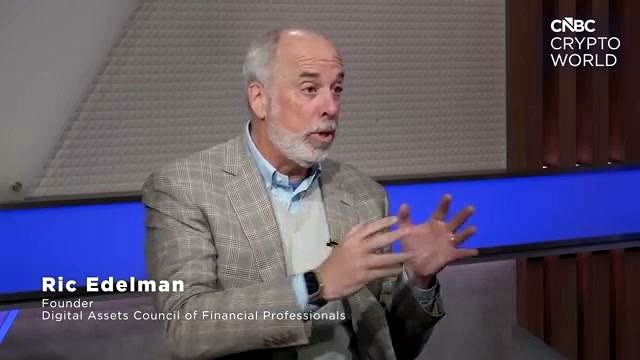
Rick Edelman said it is a valid observation that Bitcoin has been trading in the same direction as other risk-on assets like equities. He said that as Bitcoin becomes more mature and more mainstream, with greater adoption among both retail and institutional investors, it is increasingly being regarded in the tech category.
According to that view, Bitcoin is moving more in line with:
- The stock market
- Emerging markets
- Technology stocks
- Growth assets
- Risk assets
He described that shift as a healthy sign because it demonstrates that Bitcoin is becoming a mainstream asset and will be treated as such.
Bitcoin’s Predominant Use Case
Edelman said Bitcoin’s predominant use today is as a store of value. He added that the original idea from 2009 that Bitcoin would become a new digital currency replacing fiat currencies has failed, and that no one believes Bitcoin will fill that role.
He also said Bitcoin’s use as a transactional tool for moving money around the world has been supplanted by stablecoins.
In his view, Bitcoin’s current claim to fame is twofold:
- Store of value
- The biggest and best brand in crypto
He said Bitcoin still has the number one market share by a huge amount, and when investors show interest in the asset class, Bitcoin is usually their first stop. That, he argued, gives Bitcoin more staying power than other digital assets.
Bitcoin, Inflation, and Adoption
On inflation, Edelman said Bitcoin can be seen as a hedge in the same way as other stores of value, but that does not mean it tracks inflation identically. He said Bitcoin is not particularly correlated to inflation.
What stands out most, he said, is Bitcoin’s low adoption rate compared with other asset classes. He stated that less than 5% of the world owns Bitcoin, while adoption rates for stocks, bonds, real estate, oil, and precious metals are dramatically higher.
Why Supporters Say Bitcoin Is Still Early
Edelman said Bitcoin has a long way to go, and that is one reason proponents argue the market is still in the early innings of Bitcoin pricing. As adoption grows, he said, price increases could be dramatic because Bitcoin has a fixed supply.
He contrasted that with other asset classes, where he said supply is unlimited, adding that this is a major reason many remain bullish on Bitcoin’s future price.
Portfolio Allocation Views on Bitcoin and Crypto
Edelman said he still supports the same crypto allocation view he had previously discussed, even after the market pullback. He responded that if someone loved Bitcoin at 126, they should be ecstatic about it at 70.
He said his argument for allocating 10% to 40% to Bitcoin is based on two main ideas.
1. Growing Adoption and Return Potential
First, he said growing adoption means Bitcoin’s returns are very likely to dramatically outperform other asset classes. While other assets are often discussed in terms of 5% to 10% returns, he said Bitcoin could be 5x or 10x over the next 5 to 10 years.
He described the profit potential as massive.
2. Longevity and the Changing Portfolio Model
Second, he tied crypto allocation to longevity. He said people are living longer than ever before and that this trend will continue thanks to medical innovation and technology.
He argued that if someone is alive in 2030, there are strong odds they will live to age 100 or beyond. In that context, he said the traditional 60/40 portfolio model is obsolete and should be replaced with 80/20.
That would mean keeping more money in equities for much longer in life. If investors are going to hold 70% to 80% of their money in equities, he said crypto should be a much stronger allocation than 1% or 2%.
He said crypto needs to be:
- 10%
- 15%
- 20%
He added that as more people realize this and adopt it, inflows into the asset class could increase further, resulting in more price increases.
Binance Sues The Wall Street Journal Over Alleged Defamation
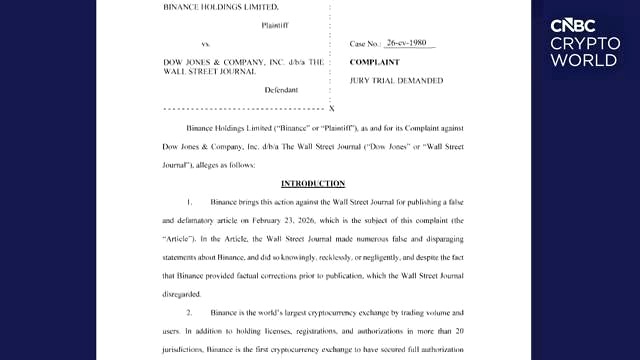
Binance filed a defamation lawsuit against The Wall Street Journal in New York federal court. The crypto exchange argues that the newspaper published a false and defamatory article on February 23.
The Journal story claimed that Binance dismantled a staff investigation into $1 billion that had recently moved through Binance to a network funding Iran-backed terror groups.
According to the report, which cited company documents and sources familiar with Binance’s operations, a trading account belonging to a close Binance business partner was identified as a primary channel used to move the cryptocurrency. The report also claimed the exchange subsequently fired the investigators who uncovered the transfers and that the network remained active.
Binance’s Response
A Binance spokesperson told the Journal that investigators were not suspended or terminated for raising compliance concerns. In the lawsuit, Binance said it launched the compliance investigation as a result of law enforcement requests.
The company also said it conducted an independent investigation that ended in the offboarding of user accounts it says were engaged in suspicious activity. Binance stated in the complaint that it did not terminate personnel for any reporting or role in the investigations.
The Wall Street Journal had not responded at the time of the report.
Wells Fargo and Traditional Finance Push Further Into Crypto
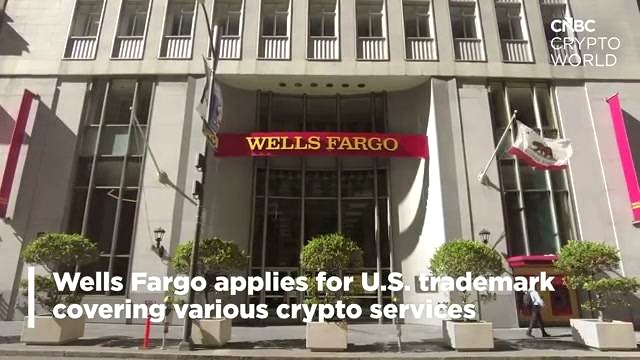
Wells Fargo may soon offer new crypto services after moving to trademark the term WFUSD. The trademark filing covers a range of crypto-related activities.
Potential products or services listed in the application include:
- Crypto hardware wallets
- Crypto trading
- Staking
- Blockchain-based systems
Other major traditional finance players have also been increasing their crypto efforts. JPMorgan previously told CNBC it was developing a stablecoin-like deposit token called JPMD.
New Federal Guidance on Tokenized Securities
Federal regulators issued new guidance to loosen rules around tokenized securities. Banking regulators, including the Federal Reserve and the FDIC, clarified that banks should not have to hold extra capital against securities that are tokenized on the blockchain.
Carlos Domingo described the move as capital parity. He said tokenized securities should be treated like normal securities and that issuing them on a different ledger technology should not mean they must be treated differently from an accounting perspective.
Capital Parity for Tokenized Securities
Domingo said the guidance complements what the SEC announced earlier: token securities are securities. He said regulators are now confirming that the accounting treatment should also be the same.
He added that the use of new ledger technology and smart contracts does not introduce additional risk that would require higher capital reserves compared with traditional book-entry securities.
Regulatory Progress and Market Adoption
Wall Street and crypto firms have been ramping up their adoption of tokenized assets in recent months as U.S. crypto regulation takes shape.
Domingo said that since November of last year, with the change of administration, the appointment of SEC Chair Paul Atkins, and the creation of the crypto task force, there has been tremendous progress in regulation for tokenized securities.
He highlighted several developments:
- The SEC said tokenized securities are equal to securities
- Issuance on permissionless decentralized networks does not change the nature of the asset
- Broker-dealers are allowed to custody tokenized securities without requiring a separate license
- Accounting treatment for tokenized securities is now at parity with normal securities
He also pointed to announced integration with DeFi trading protocols as an important step forward. In his view, there is now very little left except more adoption and more market participants entering the space.
He said the amount of progress over the last year has been tremendous.
FAQ
Why was Bitcoin focused on the $70,000 level this week?
Bitcoin tried to hold the $70,000 level as investors reacted to mixed signals about when the Iran conflict will end. It was also a benchmark the cryptocurrency had reached the previous week.
How did crypto markets perform over the past seven days?
Bitcoin was down more than 4%, while Ether and XRP both fell more than 5%. Broader markets also declined, with the S&P 500 slipping nearly 2%.
Why is Bitcoin moving more like equities, according to Rick Edelman?
He said Bitcoin is becoming more mainstream and is increasingly being treated as a tech-category asset. As adoption rises among retail and institutional investors, it is moving more in line with stocks, growth assets, and other risk assets.
What did Rick Edelman say Bitcoin is mainly used for now?
He said Bitcoin’s predominant use is as a store of value. He also said its role as a replacement for fiat currency has failed and that stablecoins have taken over much of the transactional use case.
What is Binance alleging in its lawsuit against The Wall Street Journal?
Binance says the newspaper published a false and defamatory article on February 23. The company argues that the reporting about an internal investigation and alleged transfers tied to Iran-backed terror groups was defamatory.
What did regulators say about tokenized securities?
Federal regulators said banks should not have to hold extra capital against securities simply because they are tokenized on the blockchain. Carlos Domingo said this establishes capital parity between tokenized securities and traditional securities.
What crypto-related services could Wells Fargo offer under WFUSD?
The trademark application mentions crypto hardware wallets, crypto trading, staking, and blockchain-based systems.
Source Video

John Burnell focuses on Bitcoin infrastructure, wallet security and blockchain technology. He writes educational articles explaining how Bitcoin works and how the technology evolves.