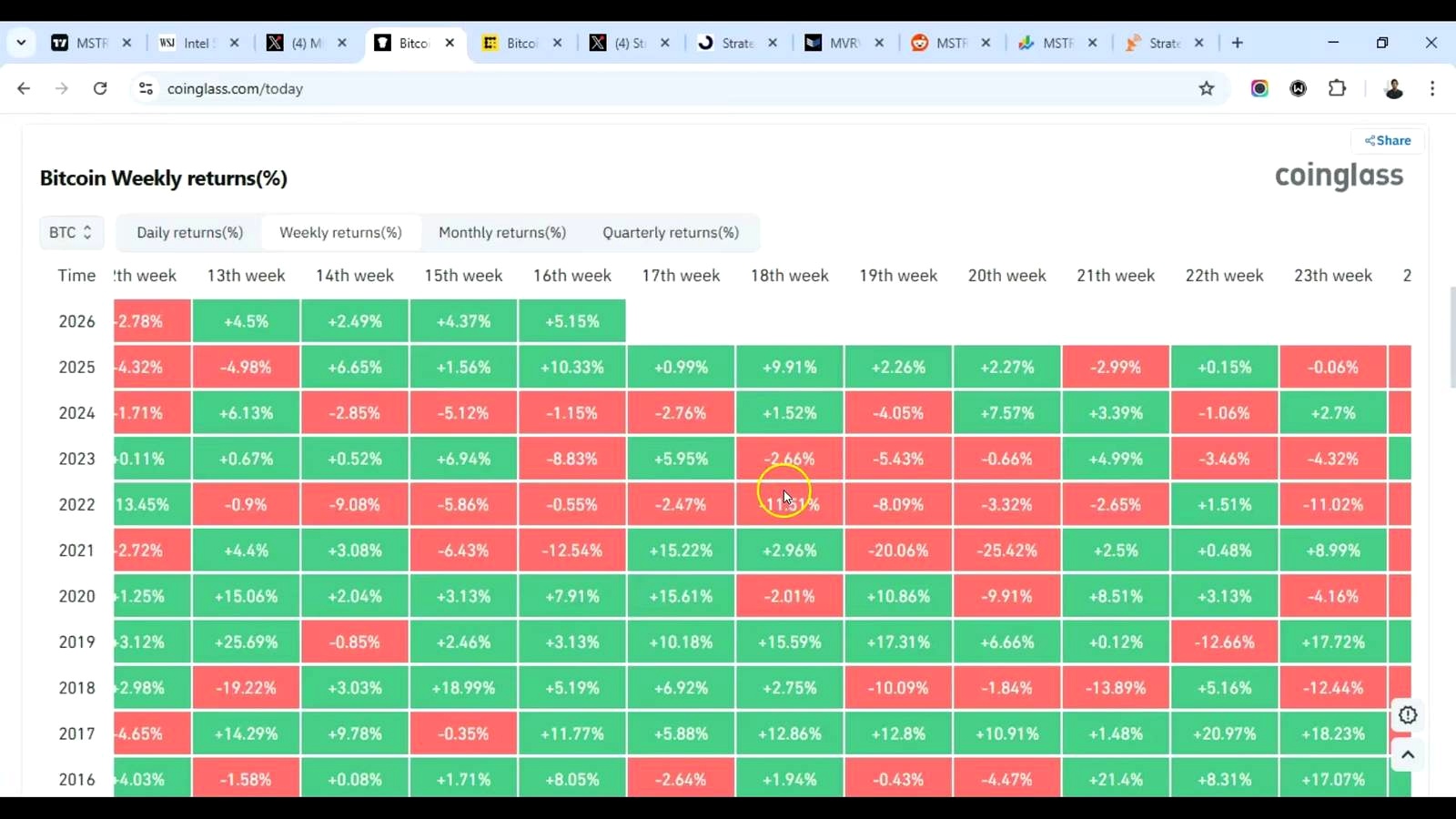
Crypto is presented here as one of the biggest emerging markets the world has ever seen, and as a major opportunity in this generation to generate wealth. The material describes cryptocurrency investing as fairly simple once the basics are understood, while also arguing that most people will ignore it and be left behind.
This article organizes the material into a clear overview of cryptocurrency basics, investment potential, analysis tools, ways to buy and sell, and methods for tracking activity. It is intended as a simple, clean-cut foundation based only on the provided information.
Why Crypto Is Being Framed as a Major Opportunity
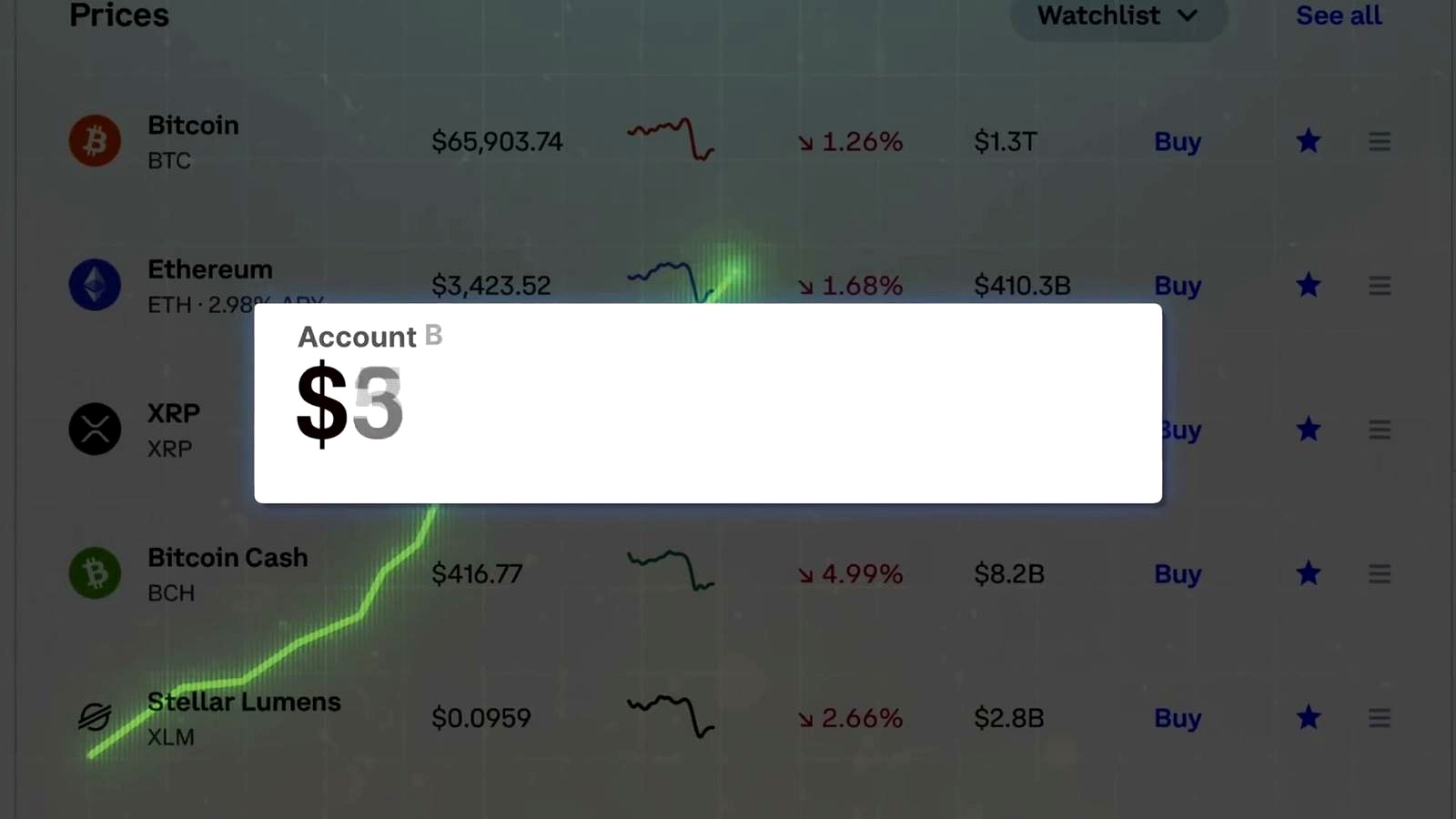
The material argues that the current opportunity to invest in crypto is similar to putting a couple thousand into the S&P 500 and later having over $11 million. It says that even starting with a small amount of money, a person may be able to become a millionaire in the years to come.
According to the speaker, investing in this market becomes fairly simple once the basics are understood. The goal of the lesson is to provide a simple investing foundation to help people understand cryptocurrency basics, short-term and long-term investment potential, fundamental and technical analysis, ways to make money in crypto, and how to buy, sell, and organize crypto activity.
Cryptocurrency Basics
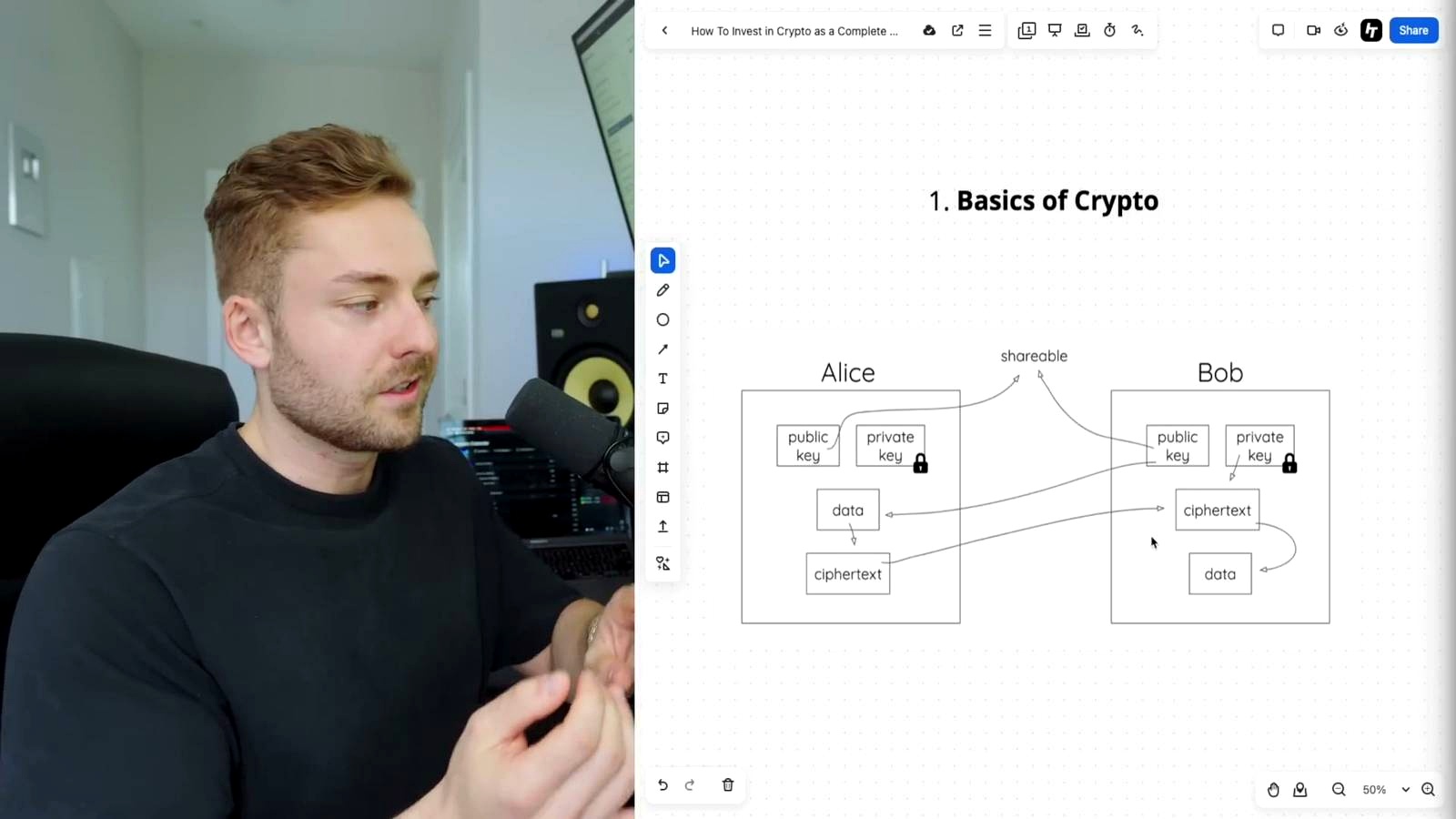
The best way to think about crypto, according to the material, is as a secure and transparent way of storing and sharing information that is viewed by everyone but is not necessarily controlled by one person. This technology allows information to be transferred between parties with encryption during the transfer process, creating a secure way of sharing information on an open ledger where everyone can transparently see what is happening.
The material emphasizes that there is no central entity being relied on for transparency, because both parties are in agreement and the information is visible to everyone.
Main Applications of Crypto
Store of value:
This is presented as the biggest use case and is associated with Bitcoin, the most popular cryptocurrency. It is described as protecting against currency debasement and allowing fast transfer of wealth without borders and without dealing with centralized government entities.
DeFi:
DeFi stands for decentralized finance. It is described as programmable money, where transactions and functions are executed by smart contracts without requiring many departments of people doing separate tasks.
Stablecoins:
These are not described as investment vehicles, but as cryptocurrency versions meant to represent the value of a fiat currency such as the US dollar. An example given is USDT, described as always being worth $1 and allowing regular money to be used on the blockchain.
Bitcoin, Currency Debasement, and Store of Value
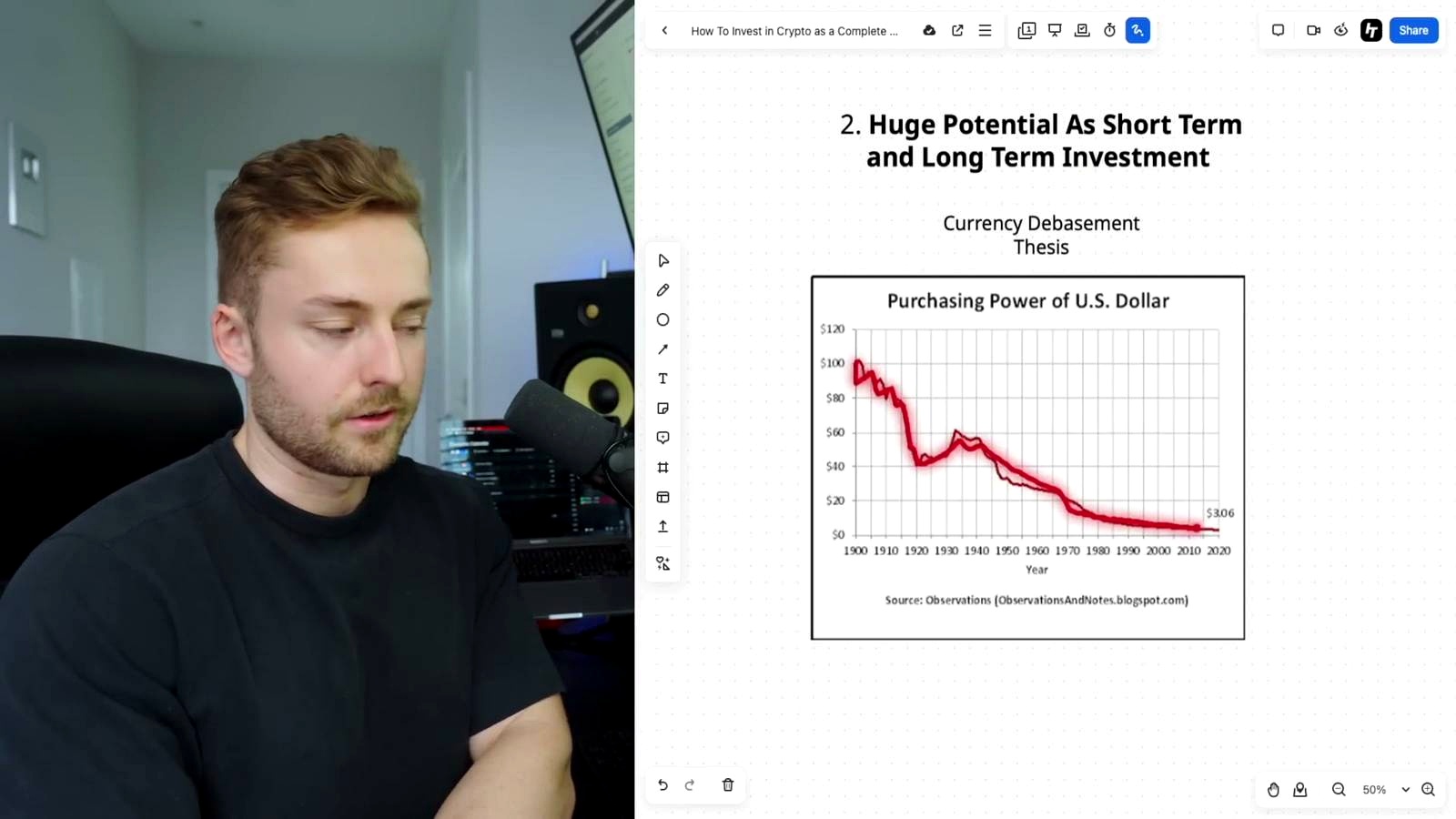
The material explains Bitcoin’s traction over the past several years as being tied to its role as a store of value. It says Bitcoin is seen as a response to currency debasement, which is described as centralized governments continuing to print money and increasing the total amount of money in existence, thereby eroding buying power over time.
It states that with the US dollar, $100 now only had the buying power of $3 as of 2020, and that 22% of the total US dollar supply was printed in just a few years during COVID. It also states that buying power is being lost at about 3 to 4% per year.
Reserve Currency Concerns
The US dollar is described as the reserve currency of the world and the currency used to trade barrels of oil. The material says reserve currency status has changed many times in history: Portugal, Spain, the Netherlands, France, Great Britain, and then the US.
It further says that if the US were to lose reserve currency status, the US could lose about 30% of its value in about six months, imports would become drastically more expensive, government borrowing conditions would worsen, and the result could be hyperinflation.
Even without that scenario, the material says the currency has still lost about 97% of its value over the past 120 years, which is presented as a reason the world needs a way to store value that cannot be inflated and manipulated by a centralized entity.
Gold Compared With Bitcoin
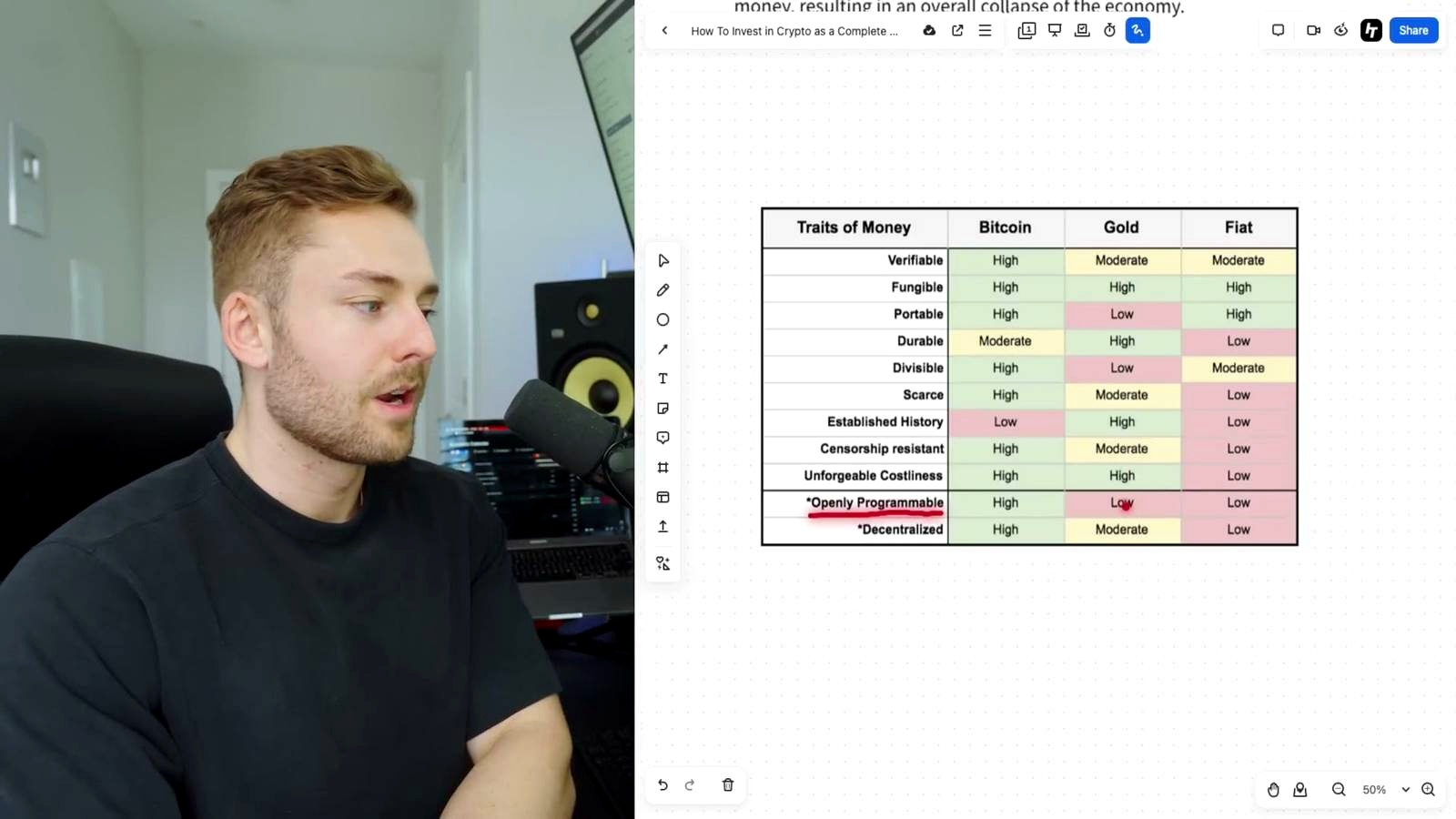
Gold is described as having been a tremendous store of value for years, but the material questions several of its qualities. It asks whether gold is verifiable, fungible, portable, divisible, scarce, programmable, censorship resistant, and decentralized.
Gold is described as:
- Not easily portable
- Not easy to divide into fractional amounts
- Only moderately scarce because more can continue to be mined
- Not programmable
- Only moderately decentralized because much of it is primarily owned by central governments
Bitcoin, by contrast, is described as extremely verifiable, fungible, portable, censorship resistant, programmable, and 100% decentralized. It is also described as extremely scarce because there will only ever be 21 million Bitcoin. The material notes that Bitcoin does not yet have an established history, but presents that as an upside opportunity because the market is still early.
Bitcoin’s Investment Potential
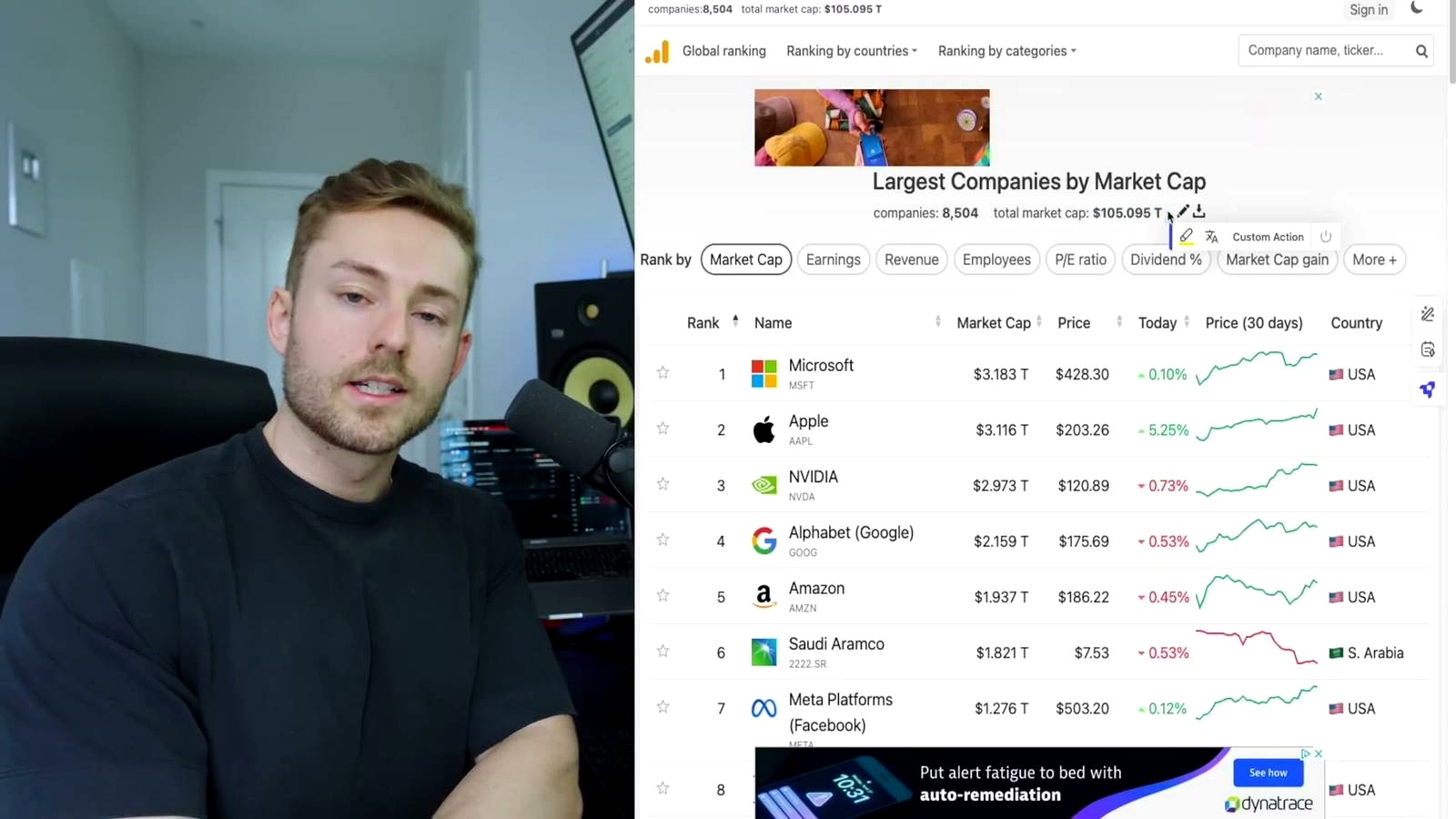
The material says Bitcoin currently sits at only $1.3 trillion and could match the market capitalization of gold, described here as about $15.5 trillion. It also suggests Bitcoin could become more accessible to more people than gold and possibly pass gold’s market capitalization.
If Bitcoin were to pass the market capitalization of gold, the material says the price of Bitcoin would move past $1 million. It also states that this would only require about 15% of total global money to be in Bitcoin.
The speaker says this should not be taken as financial advice, but describes crypto as an amazing investment opportunity and says new companies and new cryptocurrencies could move up by hundreds of times, creating wealth-generation opportunities on a scale the world has never seen.
DeFi as Programmable Systems
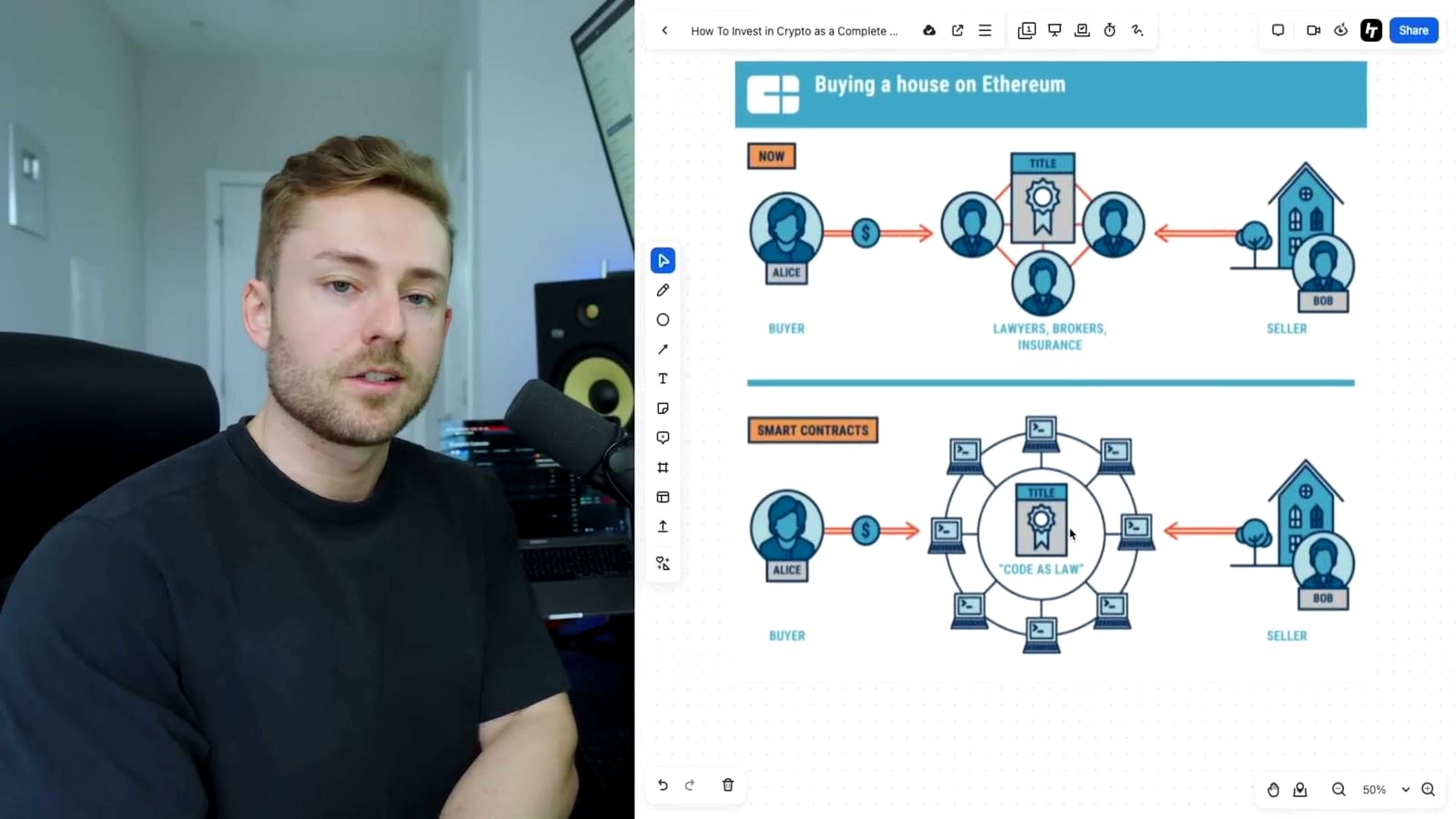
Decentralized finance is presented as another major opportunity. The material asks the reader to imagine banking and finance, healthcare, government, energy, and sustainability being programmable. As one example, it says the process of buying and selling a house could be programmed completely transparently and securely.
In this view, the underlying currencies required to use these ecosystems are what people would hold. Ethereum, Solana, and BNB are described as examples of assets mostly geared toward decentralized finance.
Key Crypto Terms
Exchange
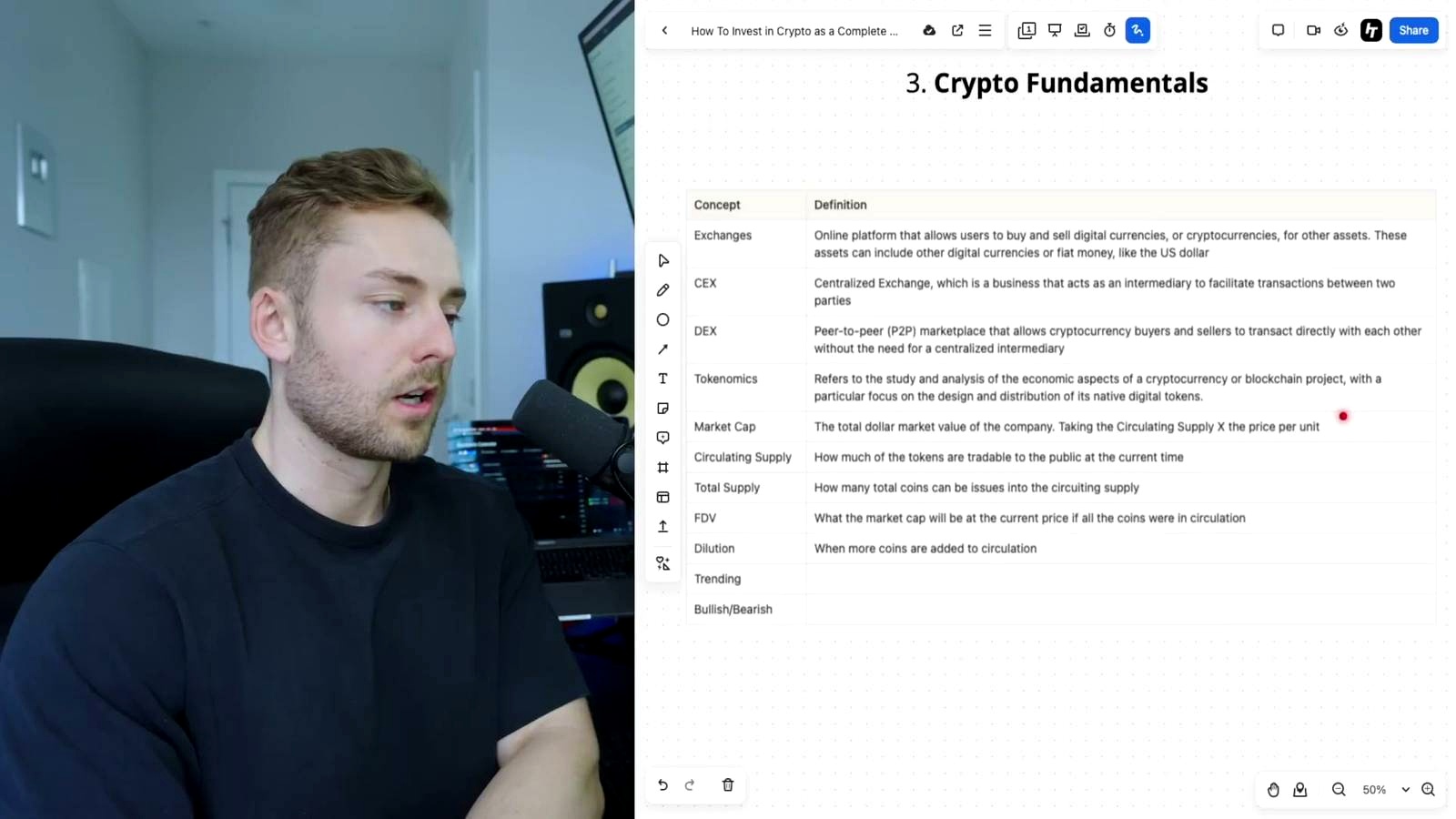
An exchange is described as a way to buy, sell, and transact cryptocurrencies and other assets.
Centralized exchange:
Examples given are Coinbase and Binance, where the business acts as the intermediary between two parties.
DEX:
A decentralized exchange is described as a peer-to-peer marketplace where buyers and sellers transact directly without a centralized entity.
Tokenomics
Tokenomics is described as the study and analysis of the economic aspects of a cryptocurrency or blockchain project, with focus on the design and distribution of native tokens.
Market Cap, Total Supply, and FDV
Market cap:
Used to show how many tokens are available for people to buy and sell.
Total supply:
The total amount of coins that can be issued into circulation, if there is a supply cap.
FDV:
Fully diluted value, which shows the market cap at the current coin price if all coins were in circulation.
Dilution
Dilution happens when more supply is added. The material uses an example where six coins priced at $10 create a $60 market cap. If supply doubles to 12 coins while the total money stays the same, each coin becomes worth $5, meaning a holder of six coins loses half the value. This is compared to printing more US dollars and diluting the current supply.
Bullish, Bearish, and Trending
A market trending upward is described as bullish. A market making lower highs and lower lows is described as bearish and trending downward.
Research Tools Mentioned
CoinMarketCap
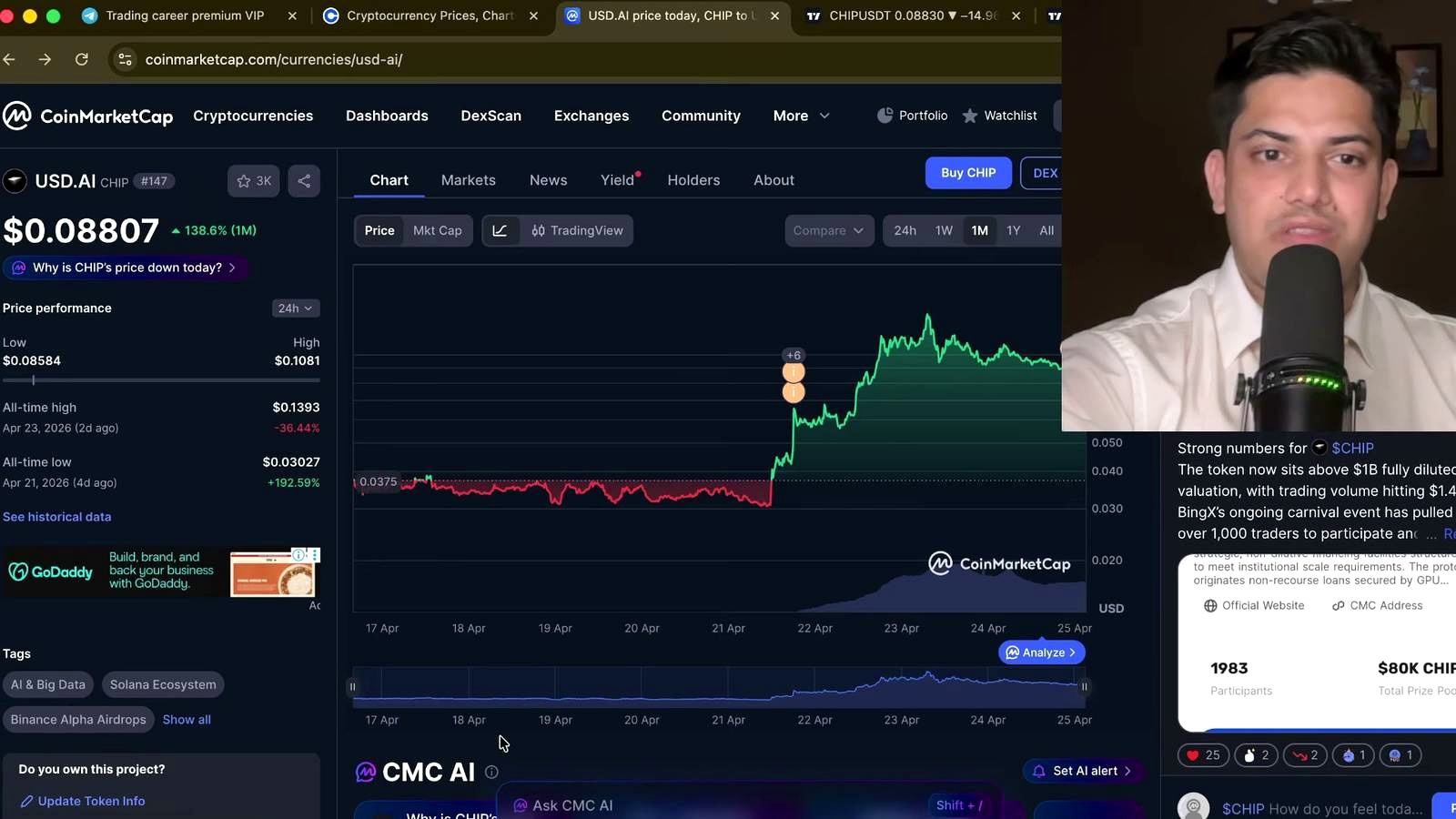
CoinMarketCap is described as a favorite resource and a fundamental research hub. It can show total supply, circulating supply, FDV, price charts, official websites, Twitter, Telegram, market cap, and white papers. It can also show vesting schedules that explain how tokens will be released over time.
CoinGecko
CoinGecko is described as a similar resource showing major cryptocurrencies by market cap and related information.
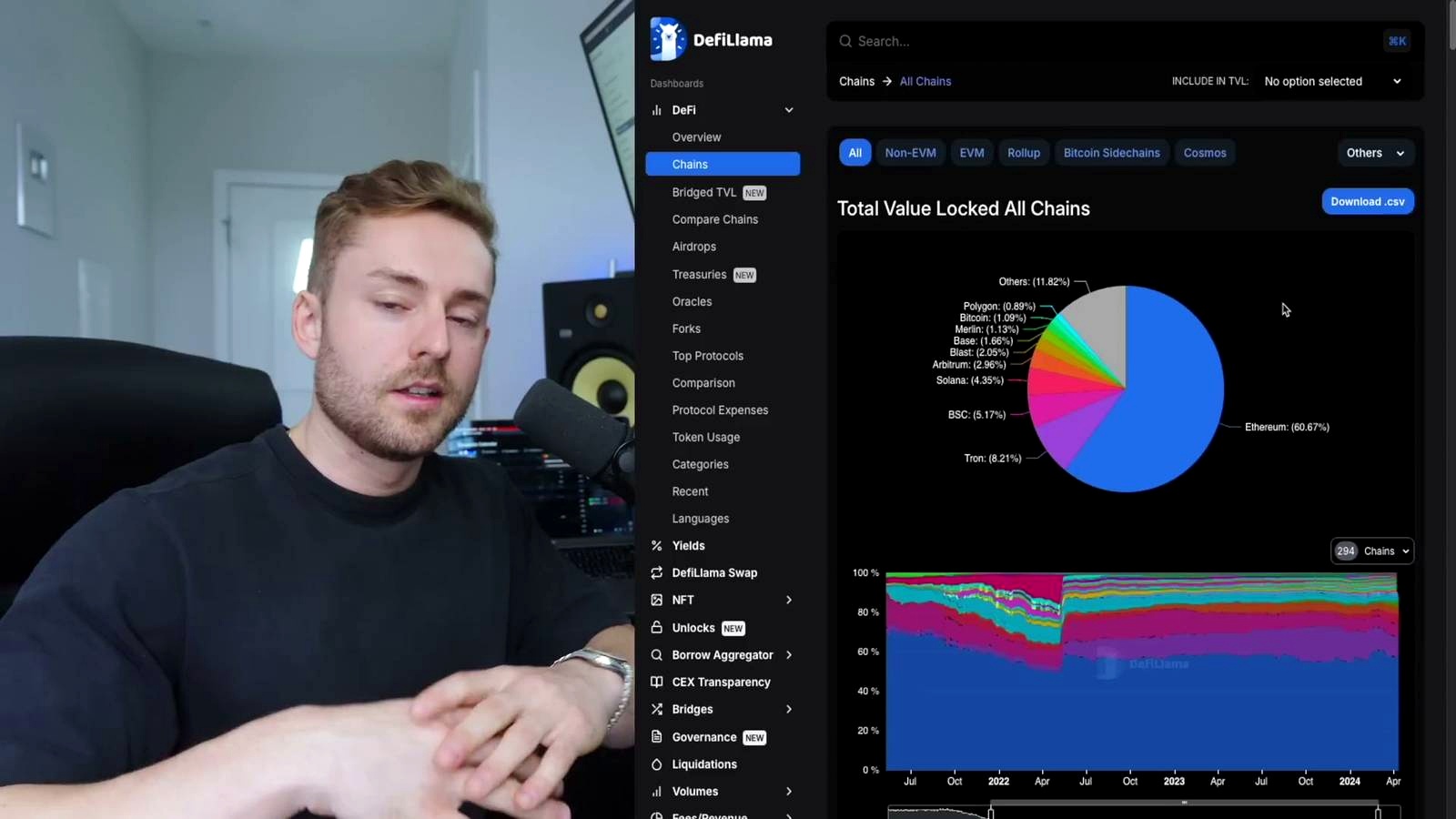
DeFi Llama
DeFi Llama is described as a tool showing how much money is locked into different blockchains. The material explains this as total value locked and uses it to compare blockchain ecosystems.
Ethereum is described as working on proof of stake, where transactions are validated by individuals who hold over 30 tokens of Ethereum and have them staked into the network.
Examples of Comparative Analysis
The material compares Binance Smart Chain and Base. It notes that Base, described as Coinbase’s new major protocol, has $1.6 billion in total value locked. Binance’s version reached $21 billion at the high of the market. PancakeSwap, described as the number one DEX for Binance Smart Chain, reached about $6.8 billion in market cap after moving up from a couple hundred million.
Using that comparison, the material describes Aerodrome as the “Pancake version” of Coinbase, with a market cap of about $400 million and a fully diluted market cap around $1 billion. Its supply is described as only being able to dilute by about 50% more.
Market Cap Of
This tool is described as a way to compare the sizes of cryptocurrencies and get a more realistic view of how much an investment could move up. It helps avoid being misled by coins priced very cheaply but still carrying large market capitalizations.
Technical Analysis Basics
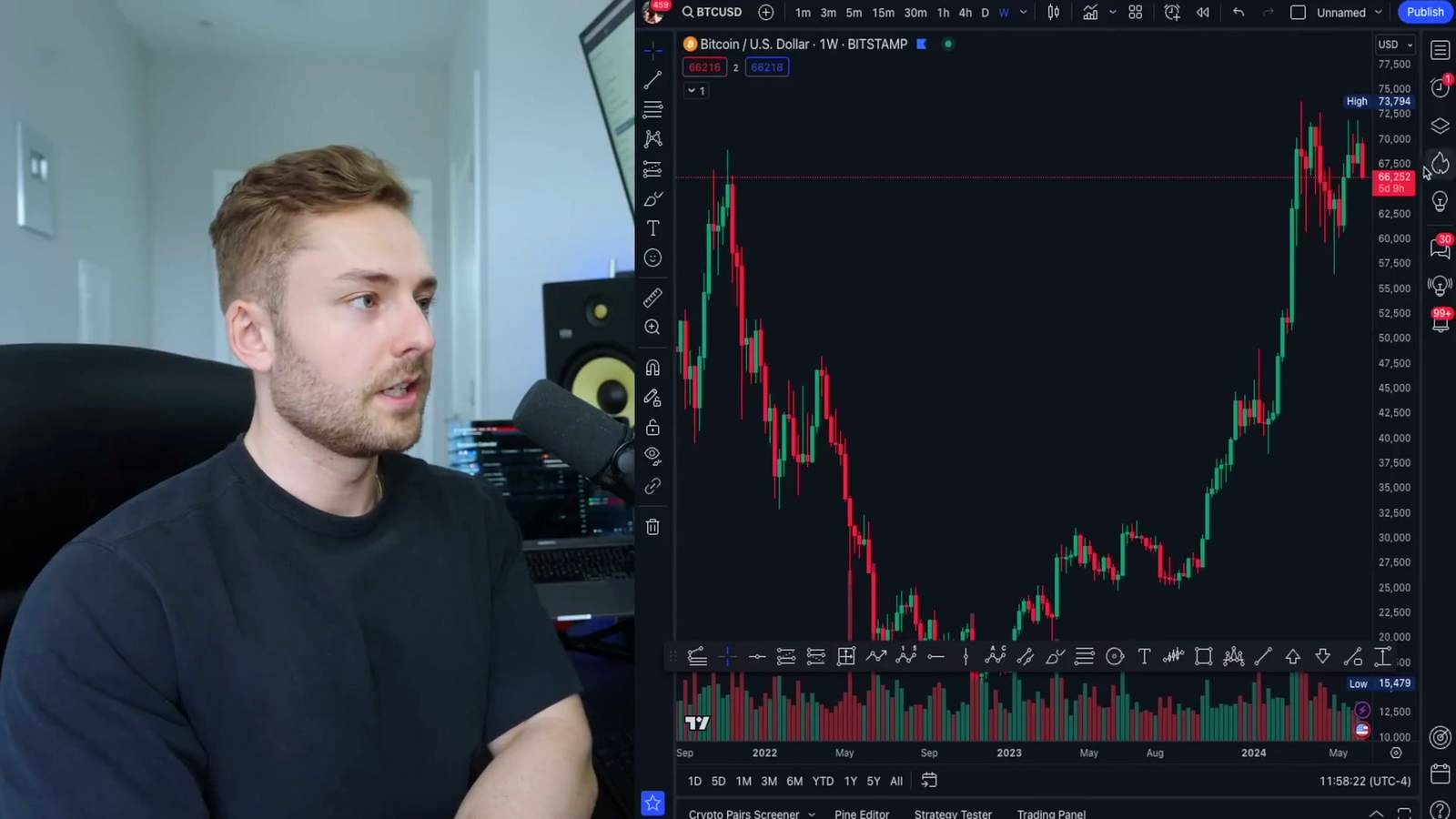
TradingView
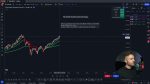
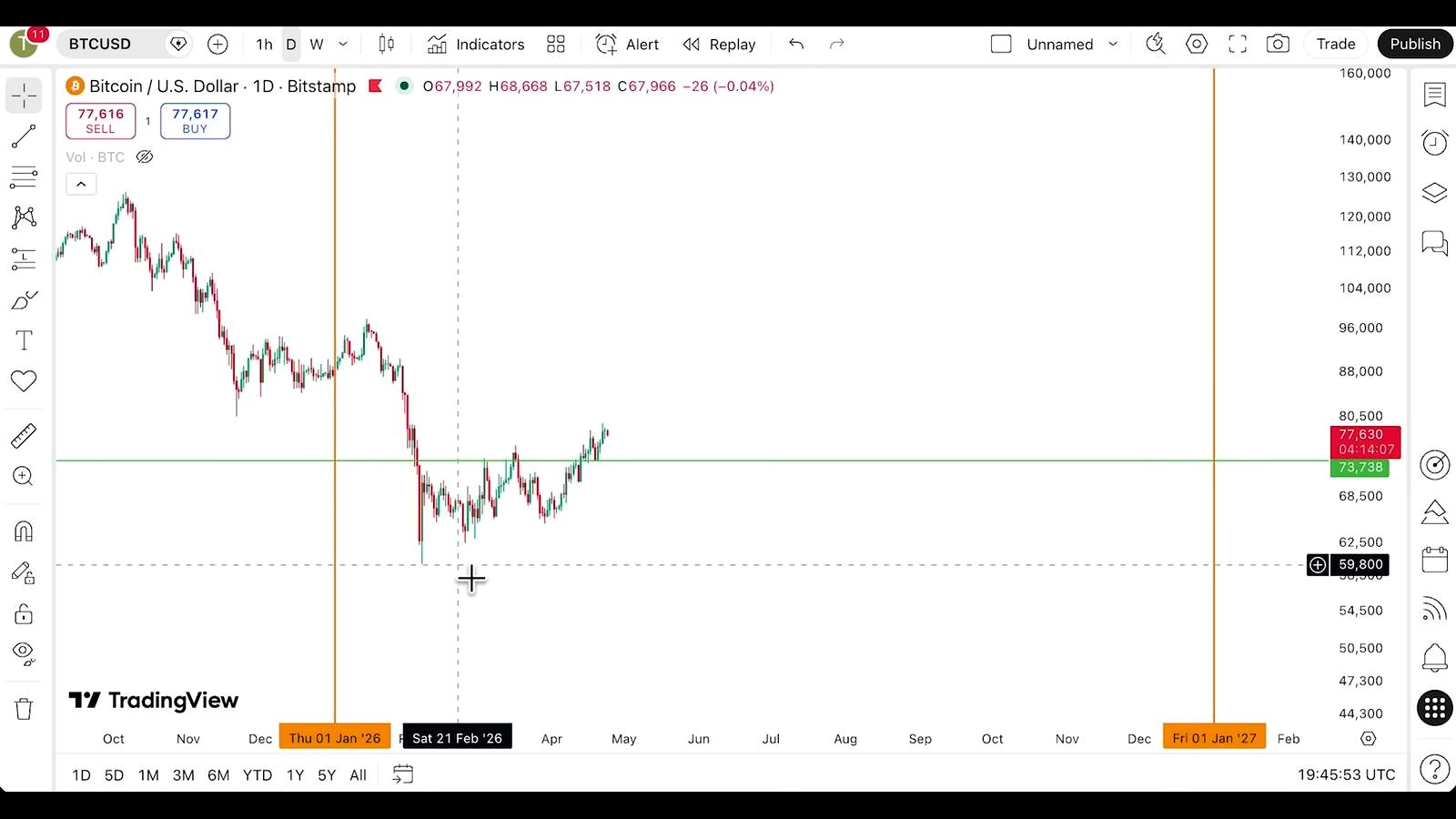
TradingView is presented as the main tool for technical analysis. It allows users to chart cryptocurrencies and choose time frames ranging from one minute to weekly and daily views.
Candles and Time Frames
Each candle is described as showing the opening price, closing price, highs, and lows over a specific period. A one-minute chart shows one minute of price action per candle, while weekly and daily charts show longer periods.
Trend Lines
Trend lines are used to identify bullish and bearish trends, channels, areas where price may have trouble breaking through, and areas where price may bounce. The material gives examples using Bitcoin and Solana.
Fibonacci Retracement
Fibonacci retracement is presented as a way to find potential dip-buy levels based on buyer and seller tendencies. The 61.8 level is highlighted as an important value.
Trend-Based Fibonacci Extension
This tool is described as a way to estimate how high a cryptocurrency could go. The 1.618 and 2.618 levels are said to often show probable temporary tops in a current trend.
Tracking Position Risk
The material explains that TradingView can also be used to mark long positions, estimate risk, track expected price targets, and calculate the amount of money being risked on a trade.
Simple Indicators for Bitcoin
BTC Mining Cost
The BTC Mining Cost chart is described as showing how much it costs to mine a single Bitcoin. The material says the price of Bitcoin tends to ride closely along the cost of mining, and that when the price is near or at mining cost, it can be a really good time to buy.
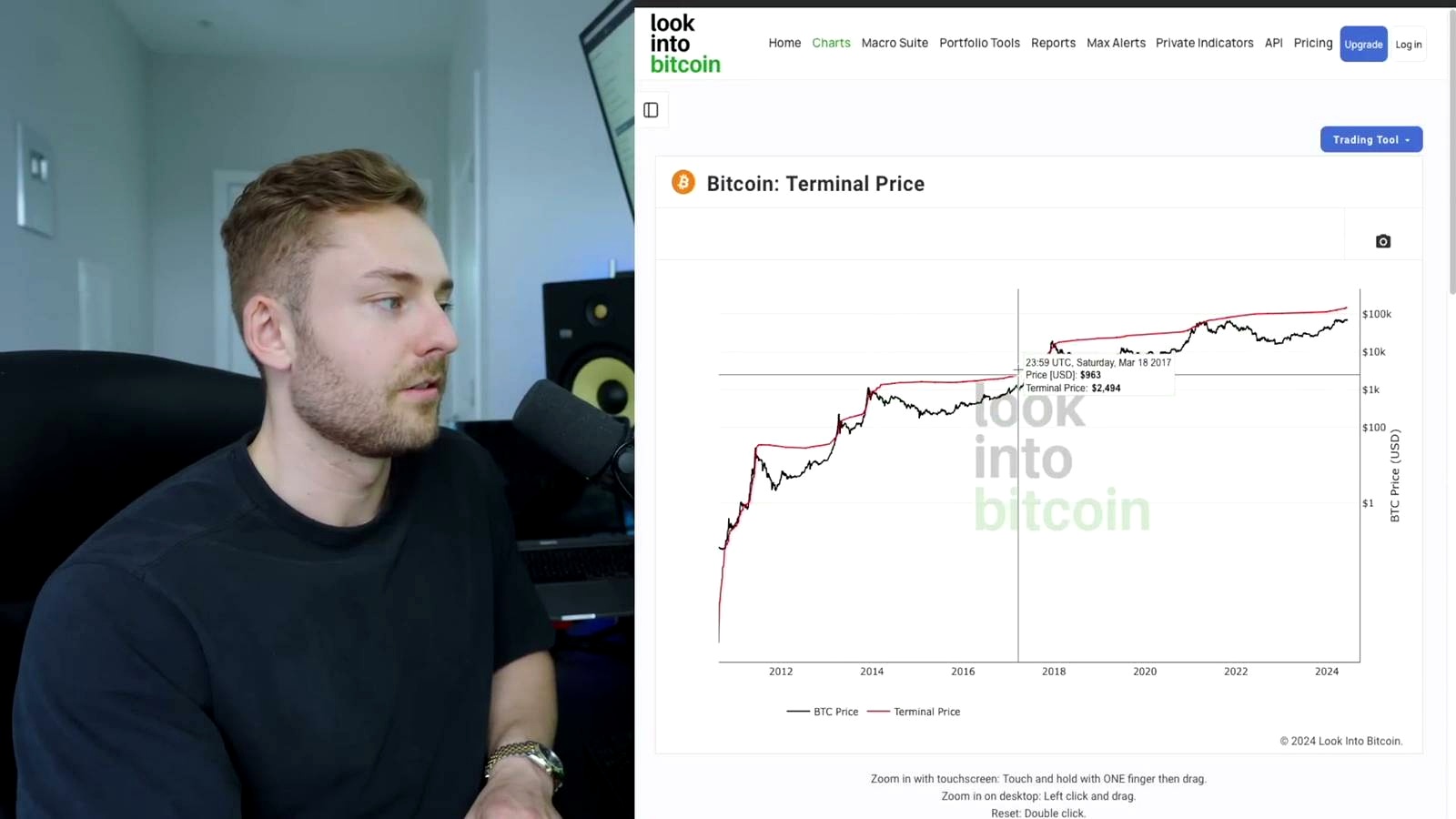
Bitcoin Terminal Price
The terminal price of Bitcoin is described as a complex mathematical formula used to forecast future asset value. According to the material, when Bitcoin’s price either exceeds or comes close to this line, it has almost perfectly timed market tops. It is presented as a simple sell tool.
Ways to Make Money in Crypto
Long-Term Investing
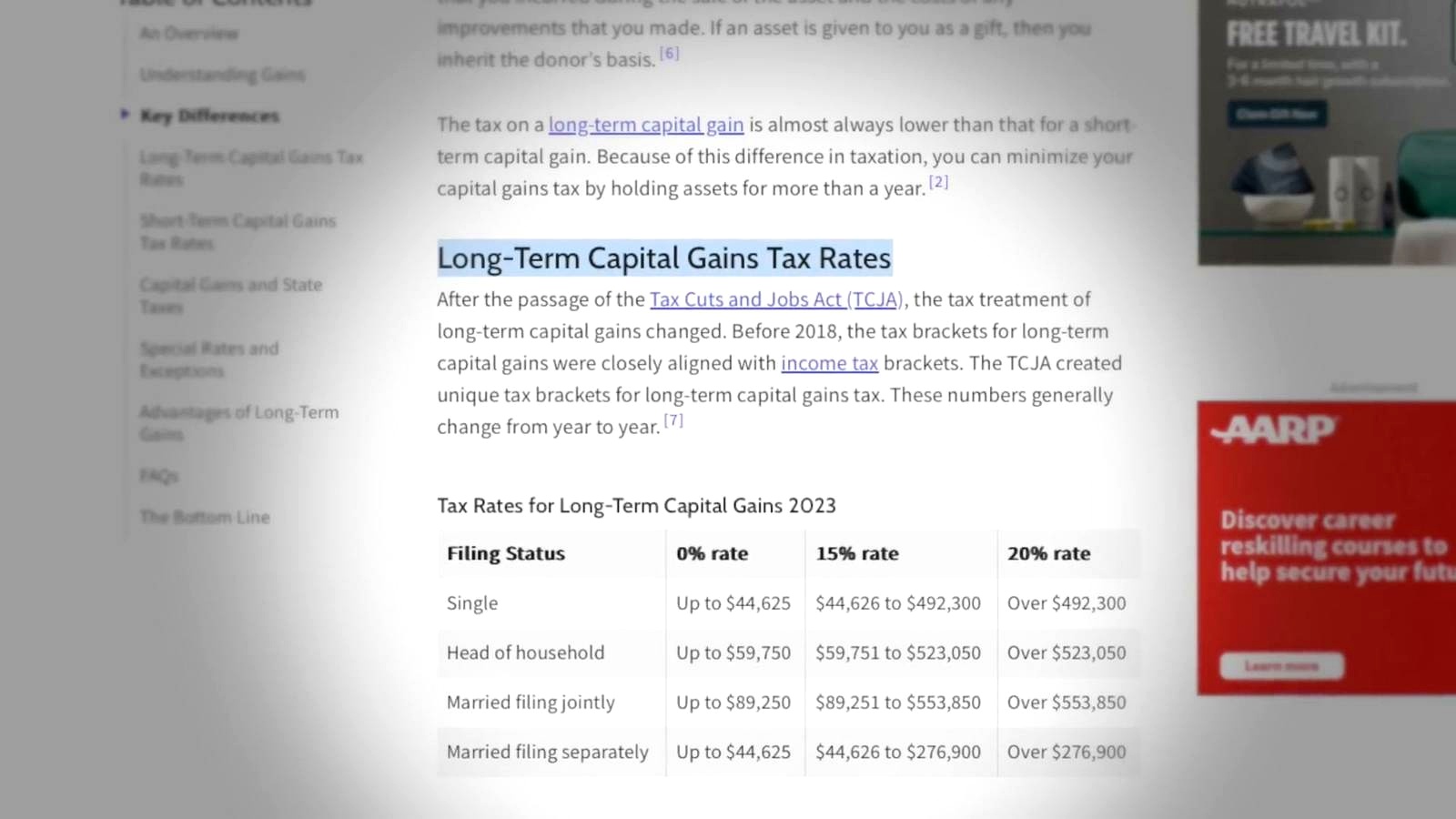
The first method is buying an asset at one price and selling it later at a higher price. Holding something for longer than a year is described as investing. The material says long-term capital gains are taxed substantially lower than ordinary income, so holding for more than 365 days can reduce taxes.
The speaker gives a Bitcoin example based on buying near mining cost and later selling near much higher levels. The process is described as something that can be repeated over cycles. The material also says simply holding Bitcoin long term and slowly adding to a position over time is the safest option, and that time in the market is always going to beat timing the market.
Short-Term Trading
The second method is shorter time frame trading, defined here as buying and selling in under one year. This is described as a way to generate income from small market moves. The material gives an example of using trend lines and Fibonacci levels on a three-minute time frame, with a trade lasting about 20 to 30 minutes and turning a $200 risk into a $600 gain.
How to Buy, Sell, and Hold Crypto
Spot Market vs Derivatives Market
Spot market:
On centralized exchanges such as Coinbase or Binance, buying on the spot market means purchasing the underlying asset and holding it in your name on that exchange.
Derivatives market:
Using leverage or futures means buying a representation of the instrument rather than the underlying coin itself.
Fiat On- and Off-Ramp
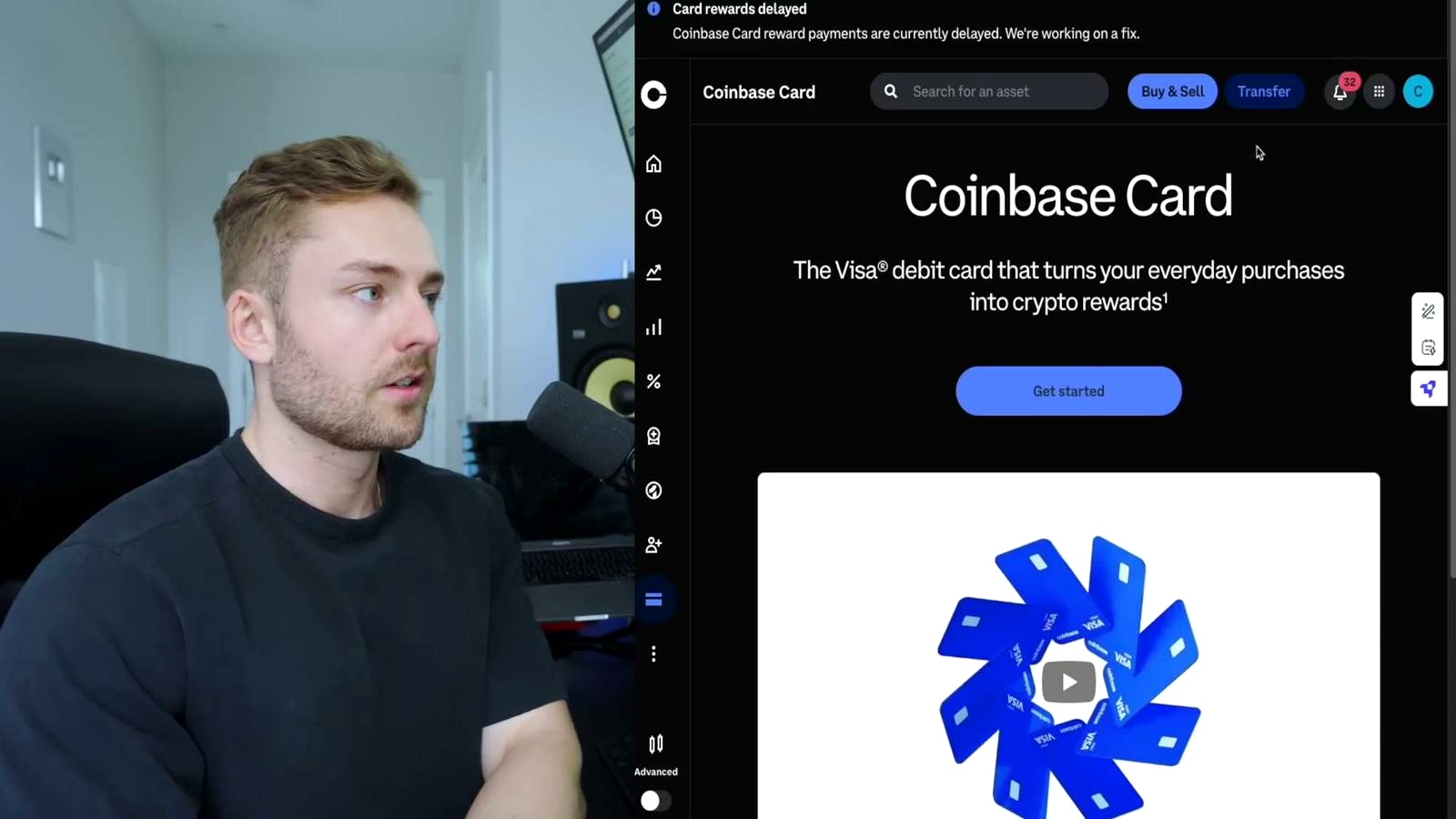
The material says a fiat on- and off-ramp is needed to move money into crypto. Coinbase is presented as the preferred option for this. It allows a bank account to be connected, money to be moved into the system, and USDT to be used as a representation of the US dollar inside Coinbase.
Platforms Mentioned
Coinbase:
Preferred for getting money into and out of crypto and for investing.
FX and Bybit:
Mentioned as options for leverage trading and short-term derivative trading.
MetaMask:
A decentralized wallet for EVM-compatible chains, allowing the user to hold their own seed phrase and swap crypto directly.
Phantom:
Described as similar to MetaMask but compatible with Solana tokens.
Ledger Live:
Presented as the ultimate security option for long-term holdings, where the user owns their own keys and the device is hardly ever online, making it almost impossible to hack.
Organizing Crypto Activity

The material stresses that organization is very important because it is easy to lose track when buying, selling, and sending money to different places. CoinMarketCap’s portfolio tool is suggested as a way to track coins, quantities, prices, dates, fees, notes, wallet locations, total wallet value, and all-time profit in one place.
This is described as especially useful when taxes come around because it helps estimate how much money was made and where it was made.
Tax Tracking Tools Mentioned
- CoinLedger
- CoinTracker
These tools are described as services that can automatically connect exchanges and wallets and populate tax forms, making it easier to send documents to a tax team or software such as TurboTax. The material states that it cannot offer tax advice.
Conclusion
The material presents crypto as a massive emerging market with significant wealth-generating opportunities. It argues that understanding the basics, learning how to research projects, using simple analysis tools, knowing how to buy and hold assets, and organizing activity properly can provide a strong foundation for entering the market.
It closes by presenting this information as a simplified version of a much larger subject, but one intended to help people start doing their own research, get involved, and continue learning.
FAQ
-
What is cryptocurrency in simple terms?
It is described as a secure and transparent way of storing and sharing information on an open ledger, where everyone can see what is happening and no single person necessarily controls it.
-
What are the main uses of crypto mentioned here?
The three main applications mentioned are store of value, decentralized finance, and stablecoins.
-
Why is Bitcoin described as a store of value?
Because it is presented as protection against currency debasement and as a fast way of transferring wealth without borders and without centralized government entities.
-
What is DeFi?
DeFi stands for decentralized finance and is described as programmable money, where smart contracts execute functions and transactions in an automated way.
-
What is a stablecoin?
A stablecoin is described as a cryptocurrency meant to represent the value of a fiat currency, such as the US dollar. USDT is given as an example.
-
What is tokenomics?
It is the study and analysis of the economic aspects of a cryptocurrency or blockchain project, especially the design and distribution of its native tokens.
-
What is the difference between a centralized exchange and a DEX?
A centralized exchange uses a business as an intermediary, while a DEX is a peer-to-peer marketplace where users transact directly with each other.
-
Which tools are mentioned for research and analysis?
The material mentions CoinMarketCap, CoinGecko, DeFi Llama, Market Cap Of, and TradingView.
-
What platforms are mentioned for buying, selling, and holding crypto?
The material mentions Coinbase, FX, Bybit, MetaMask, Phantom, and Ledger Live.
-
How can crypto activity be organized?
CoinMarketCap’s portfolio feature is suggested for tracking holdings, prices, profits, fees, and notes in one place. CoinLedger and CoinTracker are also mentioned for tax-related tracking.
Reference Video

John Burnell focuses on Bitcoin infrastructure, wallet security and blockchain technology. He writes educational articles explaining how Bitcoin works and how the technology evolves.