As traditional finance pushes deeper into crypto, the market is facing a familiar question: is institutional involvement validating Bitcoin, or trying to contain it? According to THE BITCOIN FAMILY Didi Taihuttu, Deutsche Börse’s reported $200 million minority stake in Kraken is less about adoption than control, and that distinction matters for how traders read the next phase of Bitcoin’s cycle.
The Core Thesis: Bitcoin Isn’t Being Welcomed, It’s Being Bought Into
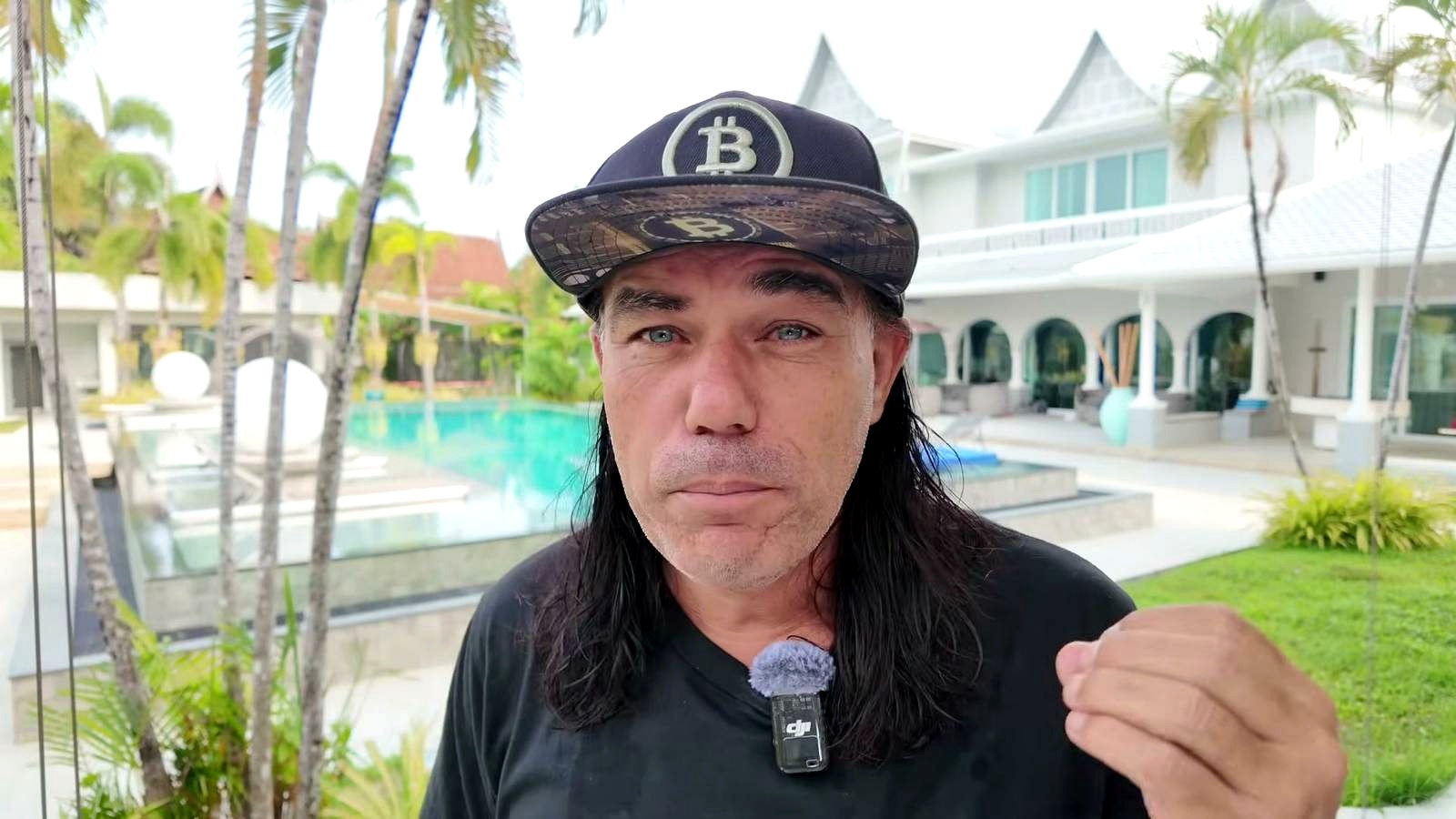
According to THE BITCOIN FAMILY Didi Taihuttu, the headline is not that legacy finance is embracing Bitcoin’s ethos, but that it is buying access to the infrastructure around it. He frames Deutsche Börse, which he describes as a 433-year-old institution tied to the Frankfurt Stock Exchange and founded around 1580, as a late entrant trying to secure a “seat at the table” through Kraken rather than innovating around Bitcoin itself.
That is a sharply ideological interpretation, but it taps into a broader market reality: large financial institutions are increasingly seeking exposure to Bitcoin through exchanges, ETFs, custody, and trading rails because client demand is no longer easy to ignore. Since the launch of U.S. spot Bitcoin ETFs, market participants have become more accustomed to the idea that legacy finance will profit from Bitcoin’s growth even if it did not create it. In that sense, Taihuttu’s framing is contrarian in tone but not in substance. Many Bitcoin-native investors share the concern that institutional adoption often means financialization first, decentralization second.
Where Taihuttu goes further is in arguing that this institutional shift is happening because the old system “can’t kill Bitcoin.” That thesis is directionally aligned with the current cycle’s narrative: Bitcoin has moved from fringe asset to macro asset, and large institutions now treat it as a business opportunity. But the leap from exchange stake purchases to Bitcoin becoming “the gold of the 21st century” or a global reserve asset remains far from consensus. The market may reward institutional demand without fully endorsing the maximalist endgame.
Why the Analyst Still Expects a Deeper BTC Pullback
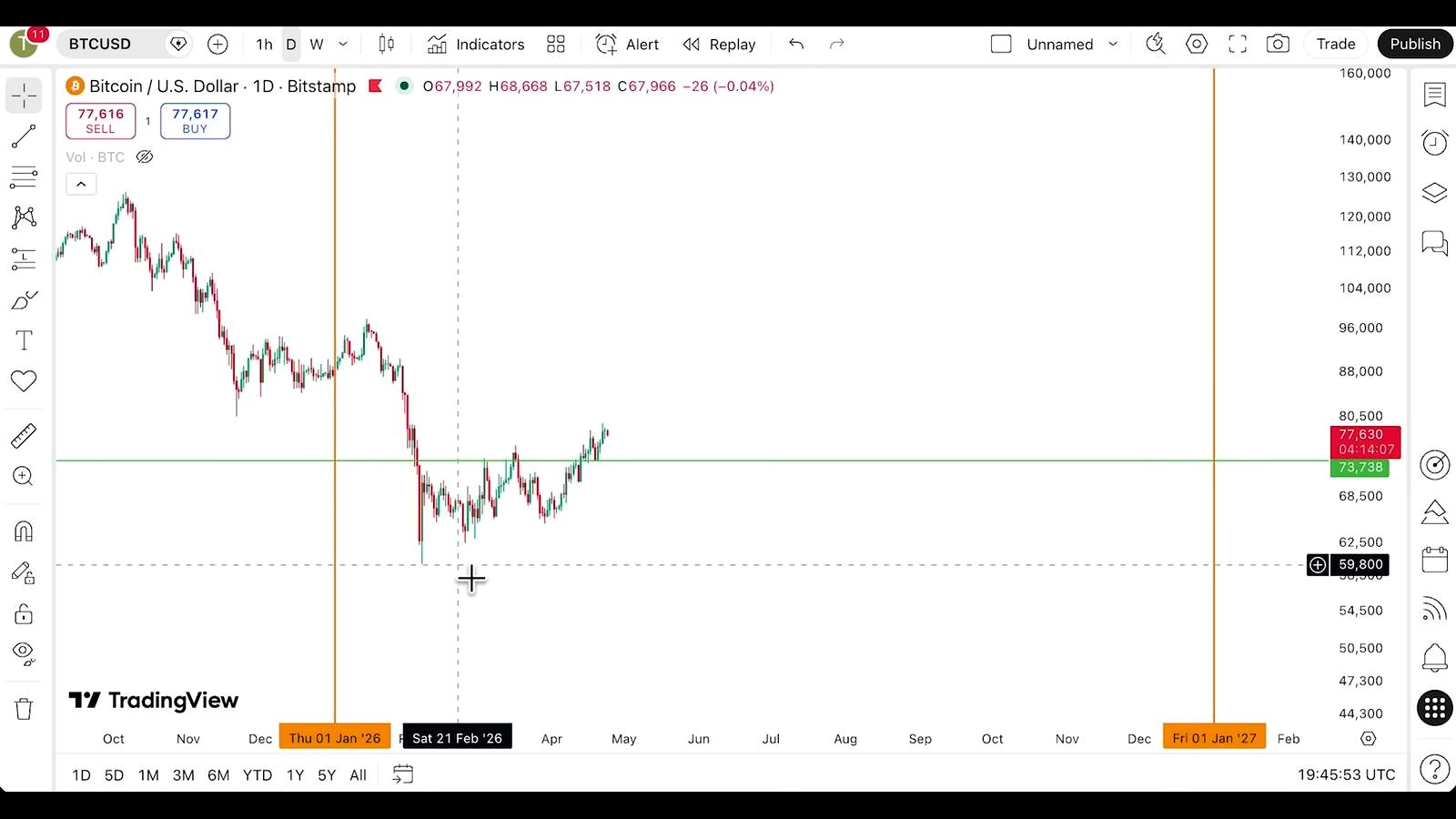
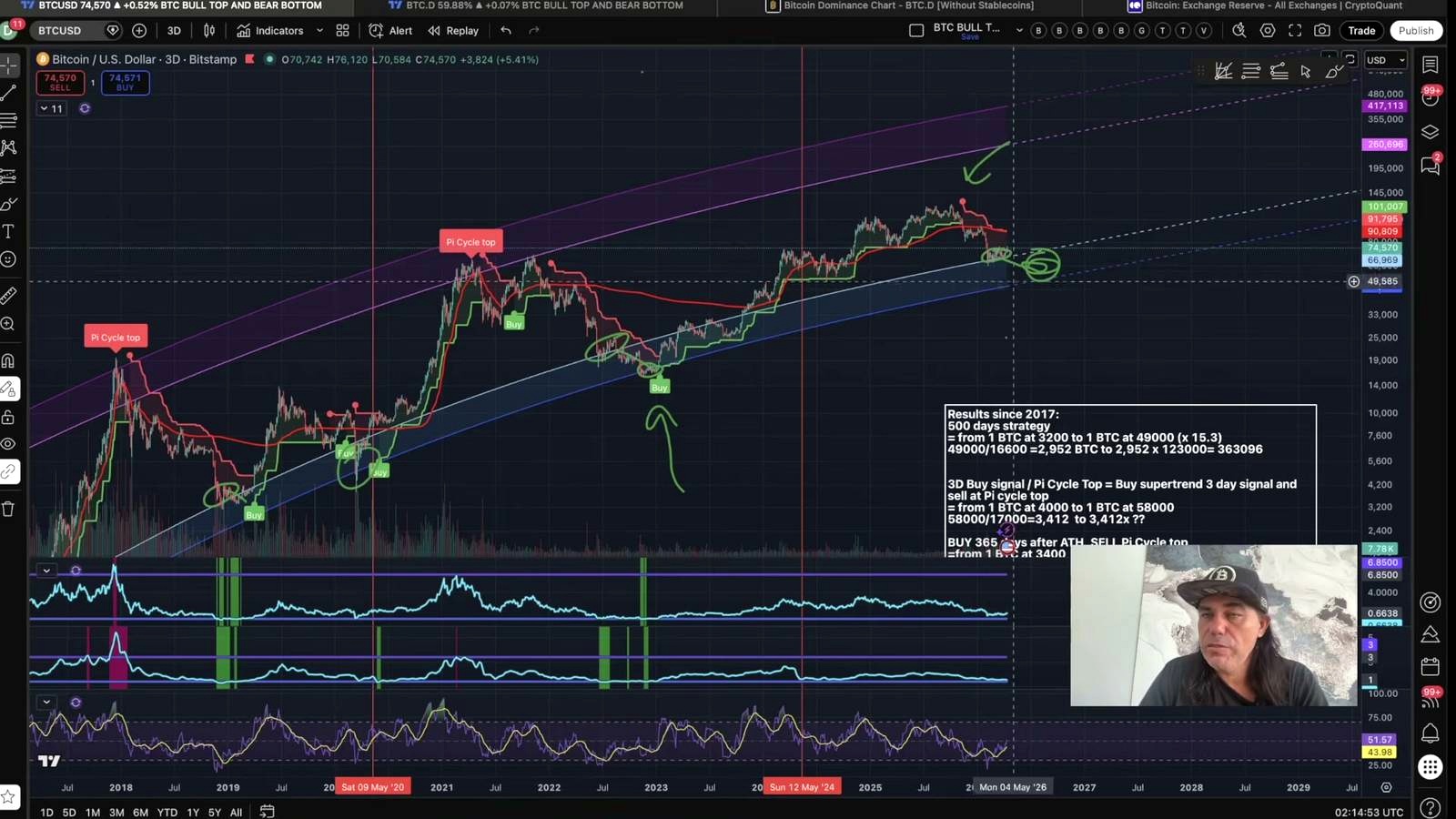
Despite the bullish long-term rhetoric, THE BITCOIN FAMILY Didi Taihuttu does not describe the near-term market as straightforward. He says Bitcoin “normally” should still drop toward $50,000, even though price has recently been moving higher. In his reading of the chart structure, Bitcoin is still holding support around a prior breakout zone, but he expects a break lower into a bear-market bottom area between $50,000 and $60,000.
That makes his view more nuanced than a simple moonshot call. He is effectively arguing for structural bullishness with cyclical downside still possible. He also says institutional buying could make any correction less severe, but not eliminate it. That tracks with how many traders think about this market now: ETF and corporate demand may be softening drawdowns versus prior cycles, yet Bitcoin remains volatile enough that a 20% to 30% reset can happen inside a broader uptrend.
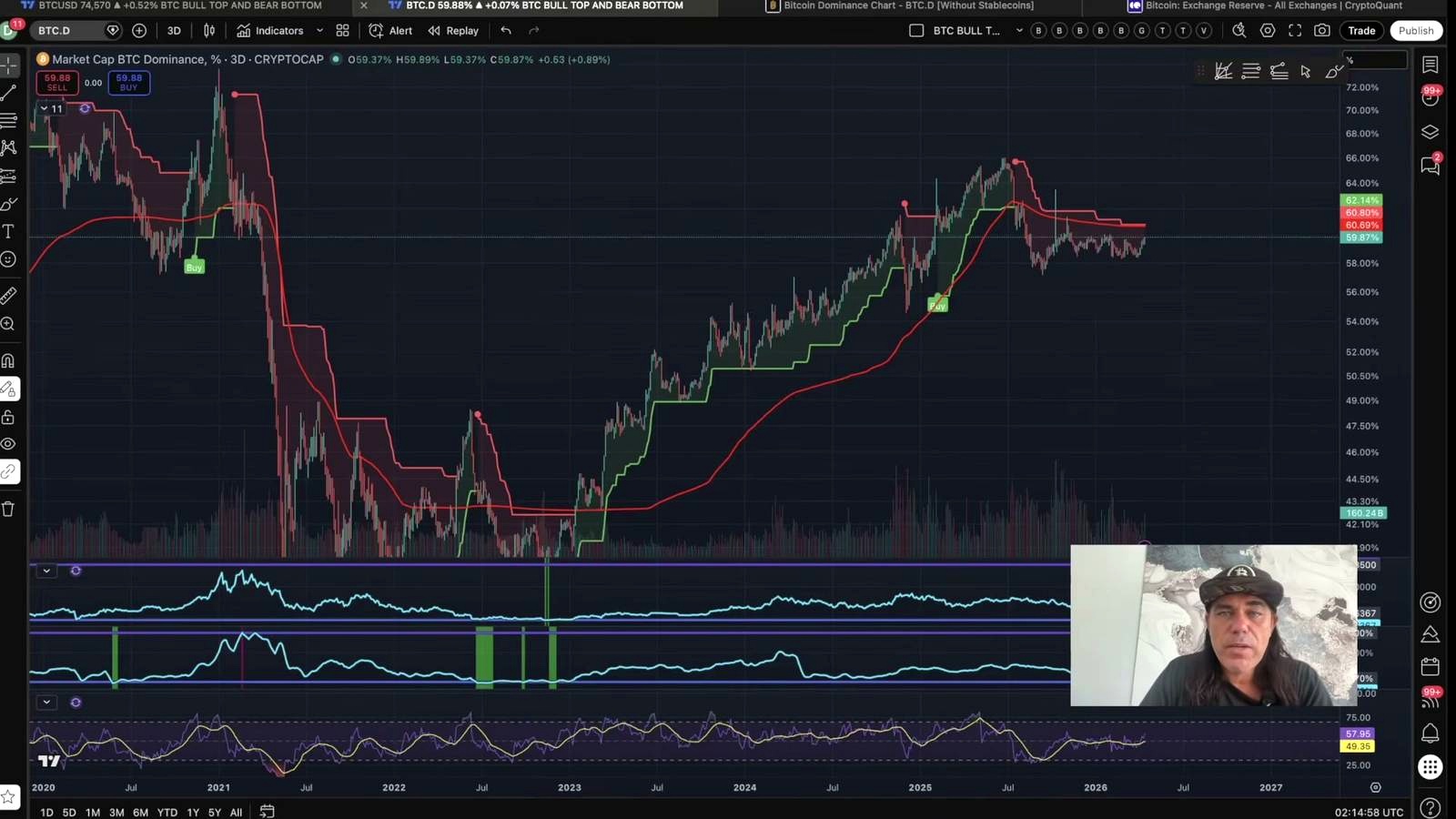
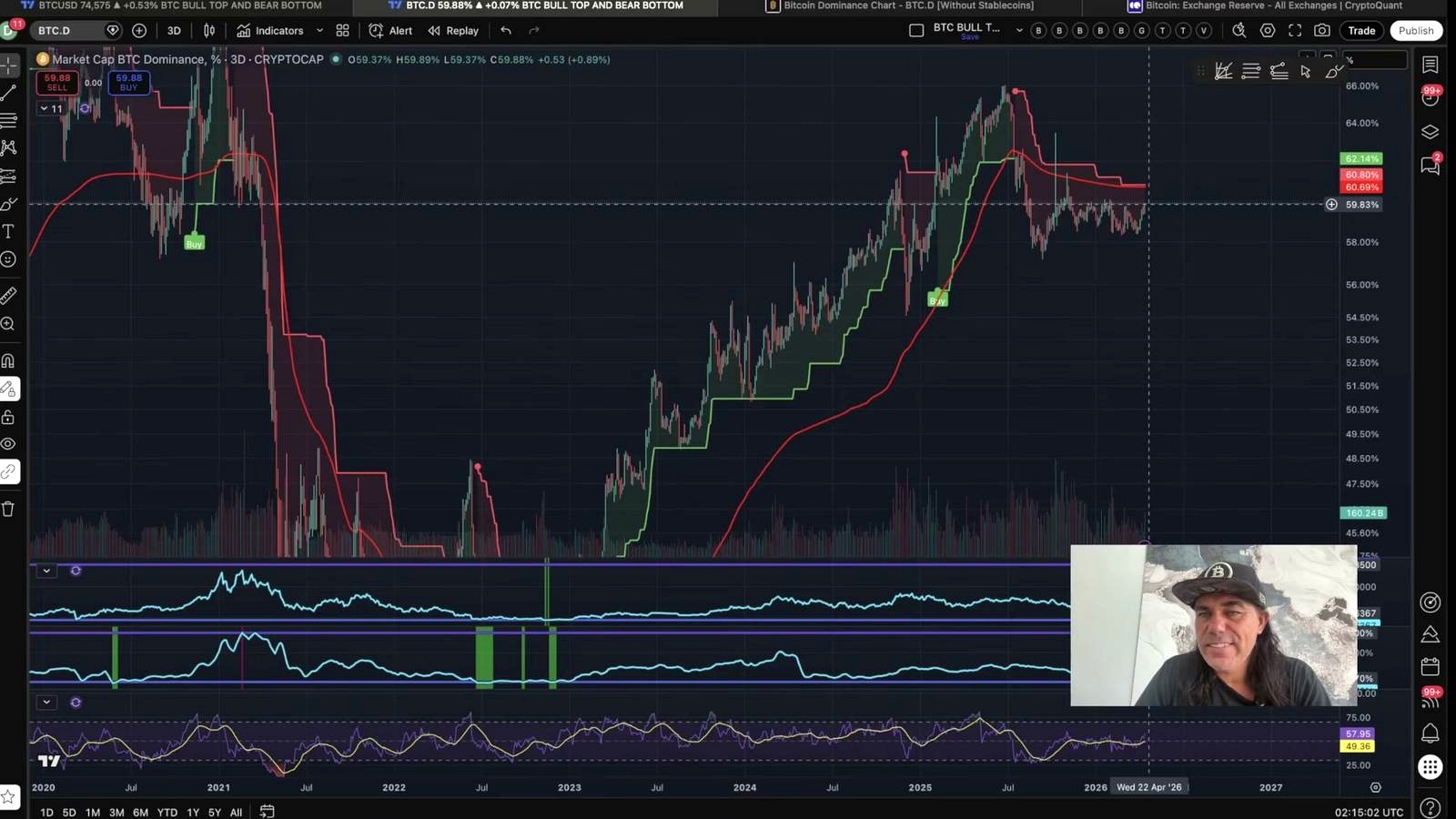
Taihuttu also points to Bitcoin dominance at roughly 60%, and says it rises to around 75% if stablecoins and token categories such as ICOs and IDOs are stripped out. His conclusion is that capital is rotating away from altcoins and toward Bitcoin because institutions and governments are focusing on BTC, not the wider crypto complex.
That argument has merit. Rising Bitcoin dominance is often interpreted as a sign of defensive positioning or a quality bid. In past cycles, dominance has tended to strengthen when traders prefer liquidity and relative safety over speculative beta. But dominance alone does not guarantee Bitcoin price appreciation; it can rise in both bull and risk-off environments if altcoins simply fall faster.
Another pillar of his thesis is exchange reserve decline. He says reserves on exchanges have been falling sharply since 2024, which he interprets as evidence that users increasingly understand self-custody and are moving coins off trading venues. In market terms, that can support a supply-tightening narrative: fewer coins on exchanges can mean less immediately sellable inventory. Still, exchange balances are only one signal. They can fall because of custody migration, ETF-related flows, or changing exchange preferences, not only because of bullish conviction.
The Secondary Message: Self-Custody Is the Real Response to Institutional Encroachment

The most concrete takeaway in the video is not the price target. It is the warning about what happens after traditional finance buys into crypto platforms.
According to THE BITCOIN FAMILY Didi Taihuttu, the real issue to monitor after Deutsche Börse’s Kraken investment is whether the exchange becomes more restrictive. He asks whether Kraken could tighten KYC, tighten withdrawals, or become more influenced by banking-style compliance expectations. He links that risk to Europe’s MiCA framework and argues that if banks start buying stakes across exchanges, they may import traditional financial rules into crypto platforms.
That is a sharper and more actionable point than his broader ideological claims. There is an ongoing tension in crypto markets between access and regulation. Institutions bring liquidity, legitimacy, and potentially more stable demand. They also bring reporting standards, identity requirements, surveillance expectations, and pressure to fit crypto into existing legal frameworks. For users who value censorship resistance and direct ownership, that tradeoff is central.
Taihuttu’s answer is simple: keep trading capital on exchanges if needed, but hold core Bitcoin in self-custody. He describes only the tradable part of his own portfolio as remaining on centralized venues, while his longer-term holdings stay off-platform. Whether or not readers share his politics, that distinction reflects a common practice among experienced Bitcoin holders: separating speculative liquidity from long-term storage.
What Could Go Wrong
The clearest risk to Taihuttu’s thesis is that he may be right on the long-term institutional trend but wrong on what it means for Bitcoin users and price.
Start with the market side. If Bitcoin does not revisit the $50,000 to $60,000 area and instead continues trending upward on sustained ETF inflows, improving macro liquidity, or renewed corporate treasury buying, then his expectation of a traditional deeper pullback would look too conservative. Bitcoin has repeatedly punished traders who wait for perfect retracements in structurally strong environments.
On the other hand, his long-term bullish framing also has vulnerabilities. Institutional participation does not automatically imply ideological surrender to Bitcoin. It may simply reflect fee capture, client servicing, or hedged exposure. Traditional finance can profit from Bitcoin while still shaping the market in more centralized ways. In that scenario, Bitcoin grows, but the user experience becomes more intermediated than early adopters hoped.
There is also a macro risk he does not spend much time on. Bitcoin remains sensitive to real yields, dollar strength, equity market stress, and regulatory shocks. If global liquidity tightens or risk assets reprice sharply, exchange reserve declines and rising dominance may not stop BTC from selling off. And if regulatory pressure intensifies across jurisdictions, centralized access points could become more restrictive before self-custody infrastructure becomes mainstream enough to offset that friction.
What to Watch Next
The first trigger is simple: whether Bitcoin actually trades into the $50,000 to $60,000 zone Taihuttu identifies, or holds above it and invalidates the call for a deeper cyclical low.
The second is Bitcoin dominance. If it sustains above roughly 60% and keeps rising, that would support the idea that capital still prefers BTC over altcoins. If dominance rolls over while altcoins strengthen, the market may be shifting into a different phase than the one he describes.
The third is operational, not technical: watch Kraken’s policy changes. Any meaningful tightening of KYC, withdrawal rules, or account restrictions after the Deutsche Börse investment would reinforce the analyst’s warning that institutional capital can reshape crypto platforms from the inside.
FAQ
What is Bitcoin dominance?
Bitcoin dominance measures Bitcoin’s share of the total crypto market capitalization. Traders use it to gauge whether capital is flowing toward BTC or toward altcoins. Rising dominance often signals a preference for relative safety and liquidity.
Why do falling exchange reserves matter for Bitcoin?
When Bitcoin leaves exchanges, it is often interpreted as a sign that holders plan to store rather than sell. That can reduce liquid supply available for immediate selling, though the signal is imperfect because coins may also be moving to custodians or other venues.
What is self-custody in crypto?
Self-custody means holding your Bitcoin in a wallet where you control the private keys, rather than leaving it on an exchange or with a custodian. It is a core concept in Bitcoin because it removes counterparty risk tied to centralized platforms.
What is MiCA and why does it matter?
MiCA, short for Markets in Crypto-Assets, is the European Union’s crypto regulatory framework. It matters because it sets compliance standards for exchanges and service providers, potentially affecting KYC rules, token listings, custody practices, and access across Europe.
What would invalidate the call for a BTC drop to $50,000,$60,000?
A sustained move higher without a major breakdown, especially if backed by strong spot demand and stable macro conditions, would weaken that thesis. If buyers keep absorbing supply well above that range, the market may already be in a stronger-than-expected phase of the cycle.
Original Video

An Indian crypto journalist covering the developments in the Bitcoin and blockchain industries. Her work helps readers understand key changes in the world of digital assets.