What if the biggest mistake in crypto is not the trade itself, but the tool holding the funds? For Bitcoin users weighing self-custody, that tension matters more than another market call.
According to Crypto Trend, most people do not lose money in crypto because of bad trades alone; they lose it because they do not understand the wallet they are using. That framing shifts the conversation away from price action and toward usability, custody, and the everyday mechanics of staying safe onchain.
The core argument: simple wallets may prevent expensive mistakes
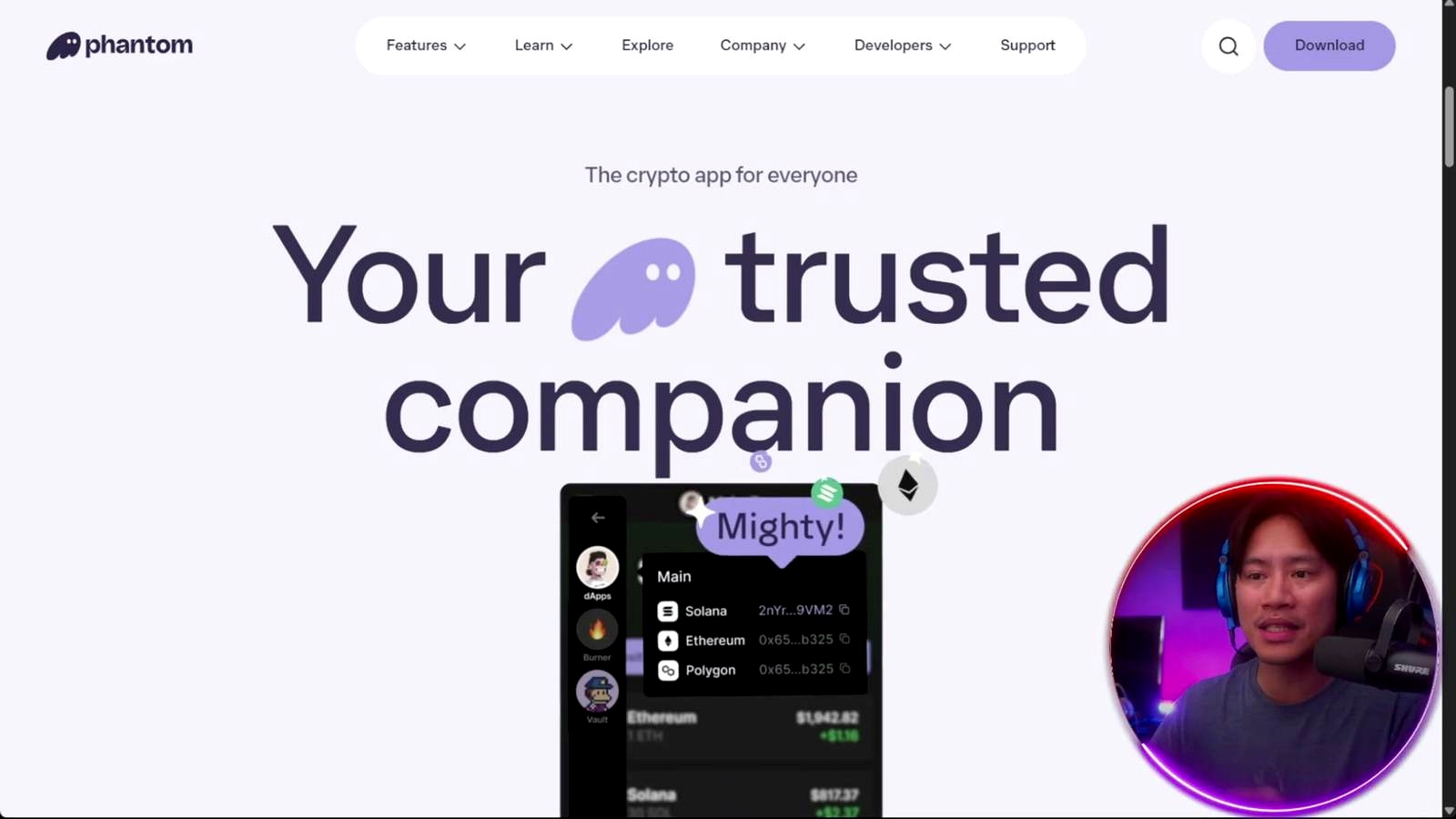
Crypto Trend argues that confusing wallet design, risky configurations, and too many setup steps raise the odds of costly user errors. In the host’s view, that complexity also slows broader crypto adoption by discouraging ordinary users from engaging with Web3 tools.
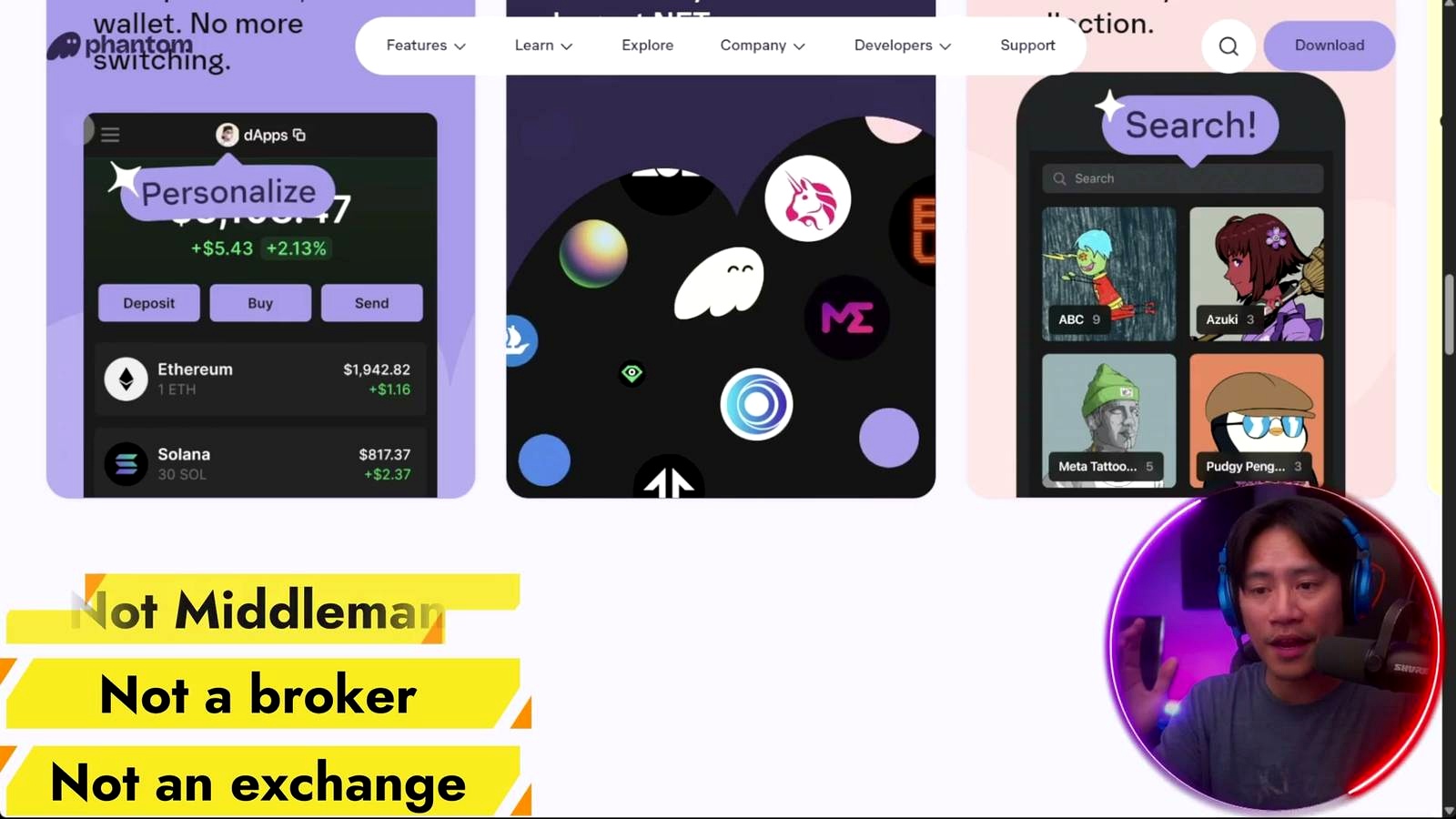
The video centers on Phantom as an example of a wallet built to reduce that friction. The host describes it as a self-custodial cryptocurrency wallet, meaning users keep control of their private keys and digital assets rather than handing custody to a centralized platform. He explicitly says Phantom is not an exchange, not a broker, and not a financial intermediary. Instead, he presents it as an interface for interacting directly with blockchain networks while preserving user control.
That distinction matters for Bitcoin holders and other crypto users alike. Self-custody offers autonomy, but it also removes the safety net of a middleman. In Crypto Trend’s telling, the challenge is not simply choosing self-custody. It is choosing a wallet that makes self-custody understandable enough to use correctly.
Why Phantom stands out in the host’s view
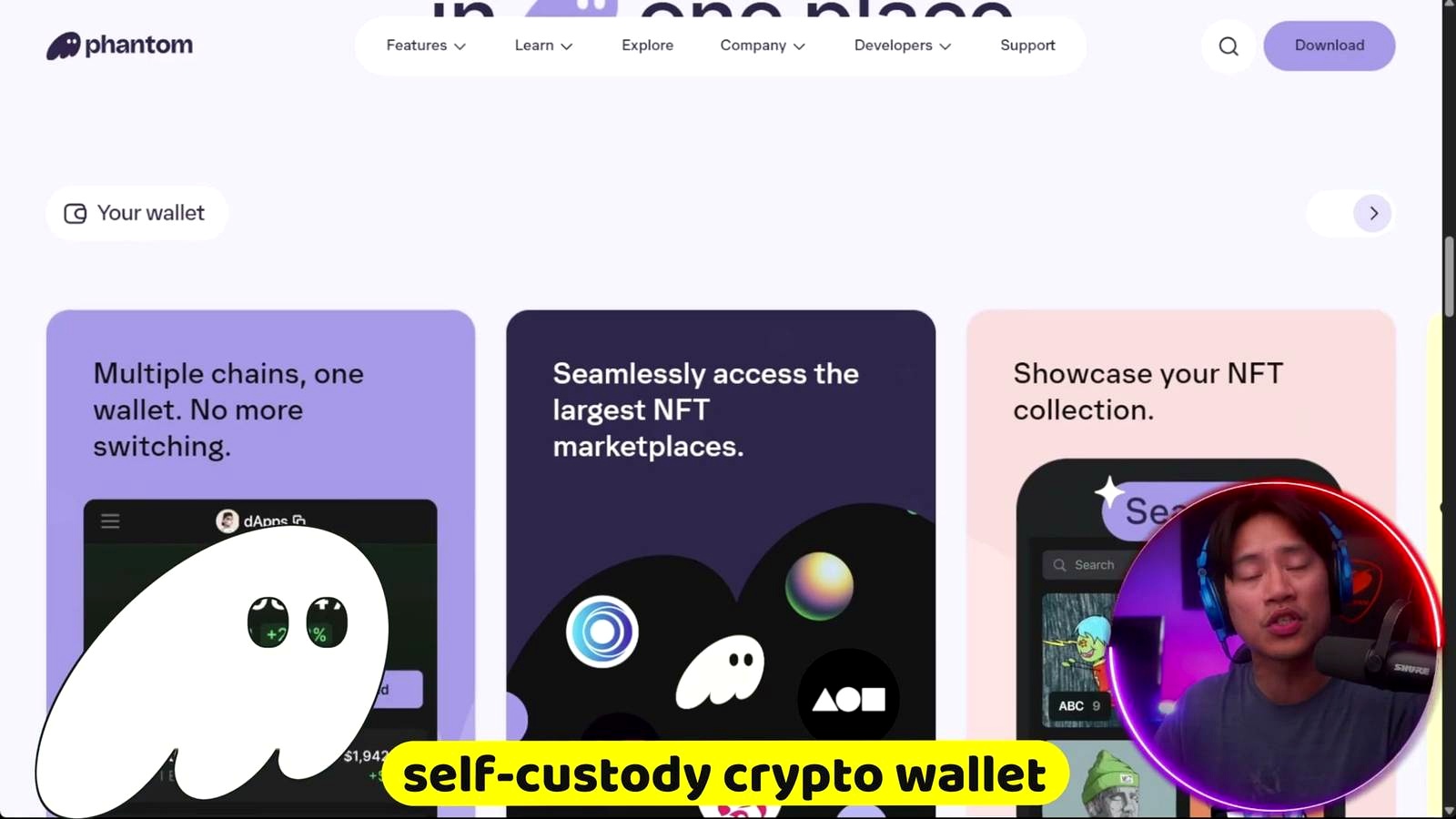
According to Crypto Trend, Phantom’s appeal comes from putting simplicity first. The host says the wallet is designed to make getting started with crypto intuitive and direct, especially for newcomers who may be overwhelmed by fragmented tools and unfamiliar interfaces.
He points to several features behind that claim. Phantom is described as supporting multiple blockchains inside one application, allowing users to manage tokens and NFTs side by side through a single interface. The host adds that this removes the need to switch between multiple wallets and gives access to major Web3 ecosystems, decentralized applications, digital collectibles, and other onchain interactions without what he sees as unnecessary added complexity.
While the video is not focused on Bitcoin-specific functionality, the broader takeaway is clear: the host sees wallet design as a make-or-break issue for anyone planning to use crypto over the long term.
Concrete details mentioned in the video
- 2026: Appears in the video title, “Best Crypto Wallet (2026 Guide)”
- Crypto 101: Named as an educational section on Phantom’s website
- One unified application/interface: The host repeatedly emphasizes using a single clean interface rather than multiple wallets
No specific Bitcoin price targets were given. No token price levels, percentages, dates for market moves, or trading ratios were provided in the transcript.
A wallet tied closely to Solana, but pitched as multi-chain
Crypto Trend notes that Phantom is widely associated with the Solana blockchain. At the same time, the host stresses that the wallet is not limited to a single network. He presents its multi-chain setup as a practical advantage for users who want to manage different assets in one place rather than splitting activity across separate products.
That matters because wallet sprawl can create its own form of operational risk. The more interfaces a user juggles, the easier it becomes to approve the wrong transaction, lose track of assets, or misread what is happening on a given network. The host’s argument is that a cleaner, consolidated design lowers that risk.
The beginner angle is central to the pitch
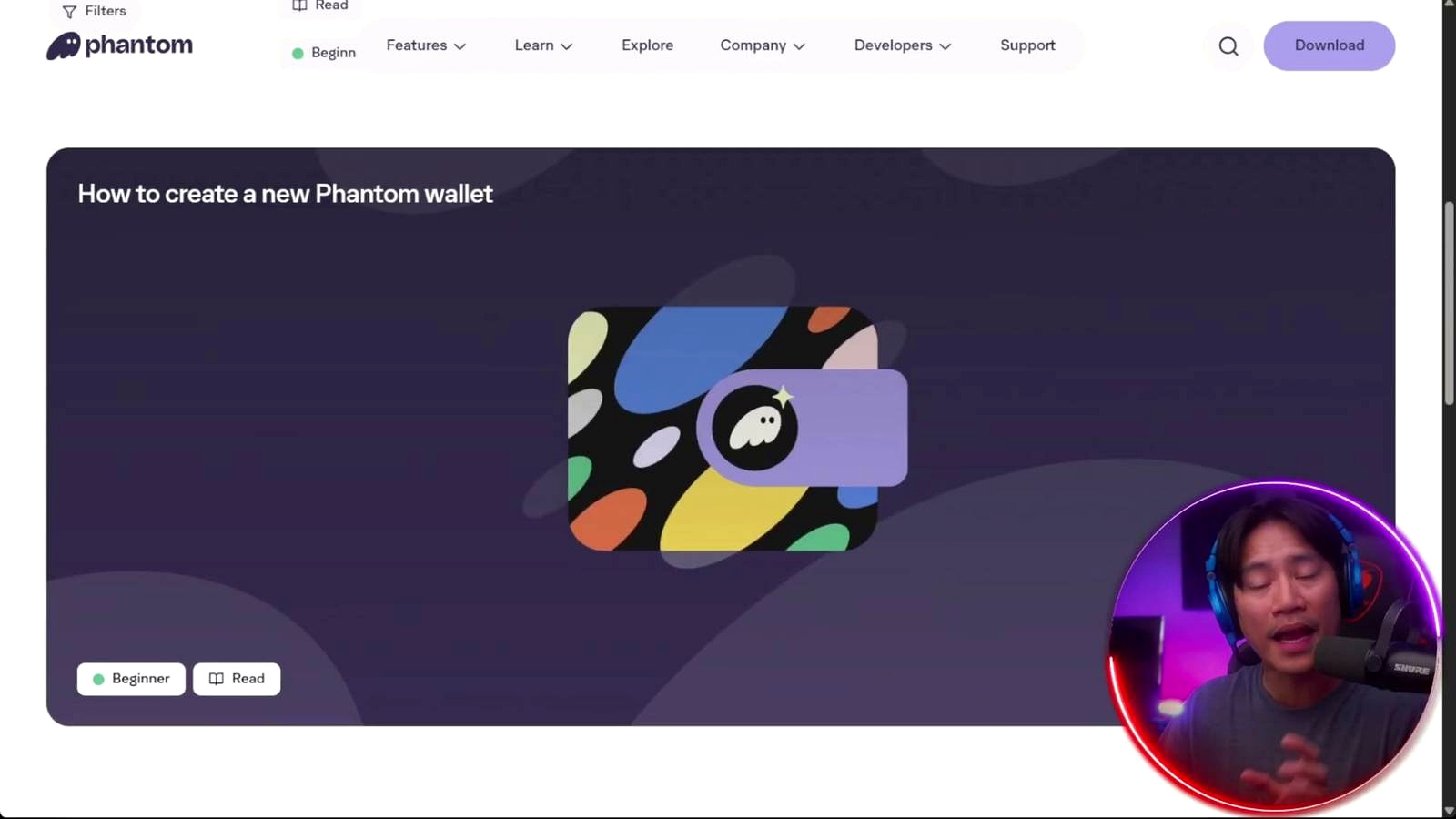
According to Crypto Trend, Phantom’s website includes educational resources under a “Learn” section, including an overview, guides, and a “Crypto 101” area. The host says these materials are especially helpful for beginners who are just entering cryptocurrency and need context before making decisions inside a wallet.
That educational emphasis fits the broader thesis of the video. Rather than pushing advanced trading tactics, the host argues that users should first learn one tool properly. His closing advice is direct: if you are serious about using cryptocurrency long term, start with a wallet that does not confuse you and master that tool before chasing anything else.
It is a simple point, but a useful one. Many crypto videos focus on upside. This one focuses on avoiding preventable mistakes.
Transparency before approval is the practical security feature
Crypto Trend argues that Phantom’s clean design is not just about aesthetics. The host says transaction details are clearly displayed before approval, giving users a chance to verify whether they actually want to proceed. In his view, that reduces user error and makes the wallet more suitable for everyday crypto participants, not just experienced traders.
That emphasis on readable transaction prompts is one of the more concrete takeaways in the video. Wallet safety is often discussed in abstract terms, but the real moment of risk comes when a user is asked to approve something. A wallet that surfaces the relevant details clearly can help users pause, check, and avoid signing away funds or permissions by mistake.
What this means for Bitcoin readers
The transcript does not discuss Bitcoin network features, BTC storage formats, or specific wallet comparisons for Bitcoin holders. But the underlying message still lands: a wallet is not just a container for assets. It is the interface through which users make decisions, approve actions, and assume responsibility for custody.
For BTC users exploring self-custody, the host’s framework suggests a basic filter for evaluating any wallet: does it reduce confusion, or add to it? A wallet can promise control and security, but if its setup or approval flow is opaque, that control may be harder to exercise safely in practice.
The video also draws a firm line between self-custody tools and custodial platforms. That distinction is foundational for Bitcoin users. If the platform holds the keys, the user does not have full control. If the user holds the keys, the burden shifts to choosing a tool that makes that responsibility manageable.
What to watch next
Based on Crypto Trend’s presentation, the next thing to watch is not a market signal but wallet behavior: how clearly a product explains transactions, how many steps it adds, and whether a new user can understand it without guesswork. The host’s broader case is that adoption will favor products that make self-custody less intimidating without taking control away from the user.
For readers following Bitcoin infrastructure, that is a more important trend than another short-term prediction. Usability is becoming part of security. And for new entrants, it may be the difference between staying in crypto and making an avoidable mistake early on.
FAQ
Did Crypto Trend give any Bitcoin or BTC price forecast?
No. The video did not include BTC price targets, support levels, percentages, or timing calls. It focused entirely on wallet choice and user experience.
What is the main warning from the video?
According to Crypto Trend, the biggest risk for many users is not poor market timing but misunderstanding the wallet they use. The host treats wallet confusion as a direct source of financial mistakes.
How does the host describe Phantom?
He describes Phantom as a self-custodial wallet where users control their private keys and assets themselves. He also says it is not an exchange, broker, or financial intermediary.
Why does the video emphasize beginners so heavily?
The host’s argument is that crypto adoption stalls when tools feel too complex. He highlights Phantom’s learning materials and cleaner interface as ways to help new users build confidence before taking on more advanced activity.
What is the single most actionable takeaway?
Learn one wallet properly before doing anything else. The host frames that as the foundation for long-term crypto use, because mistakes at the wallet level can matter more than any single trade.
Original Video

Omar Al-Sharif lives and works in the UAE and is involved in the blockchain technology industry. He writes articles on Bitcoin and digital assets as a personal passion, explaining complex topics in simple and understandable language.