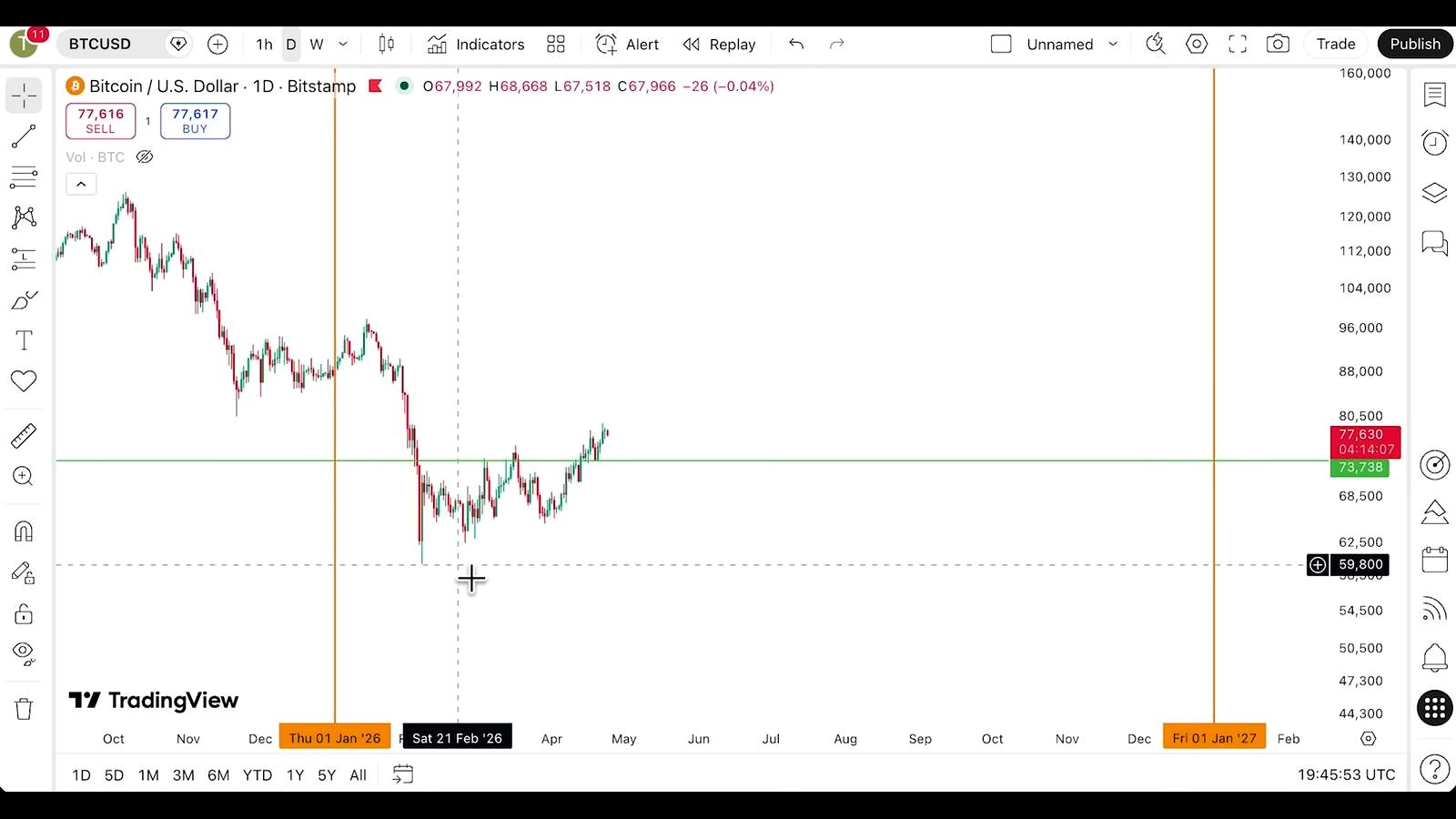
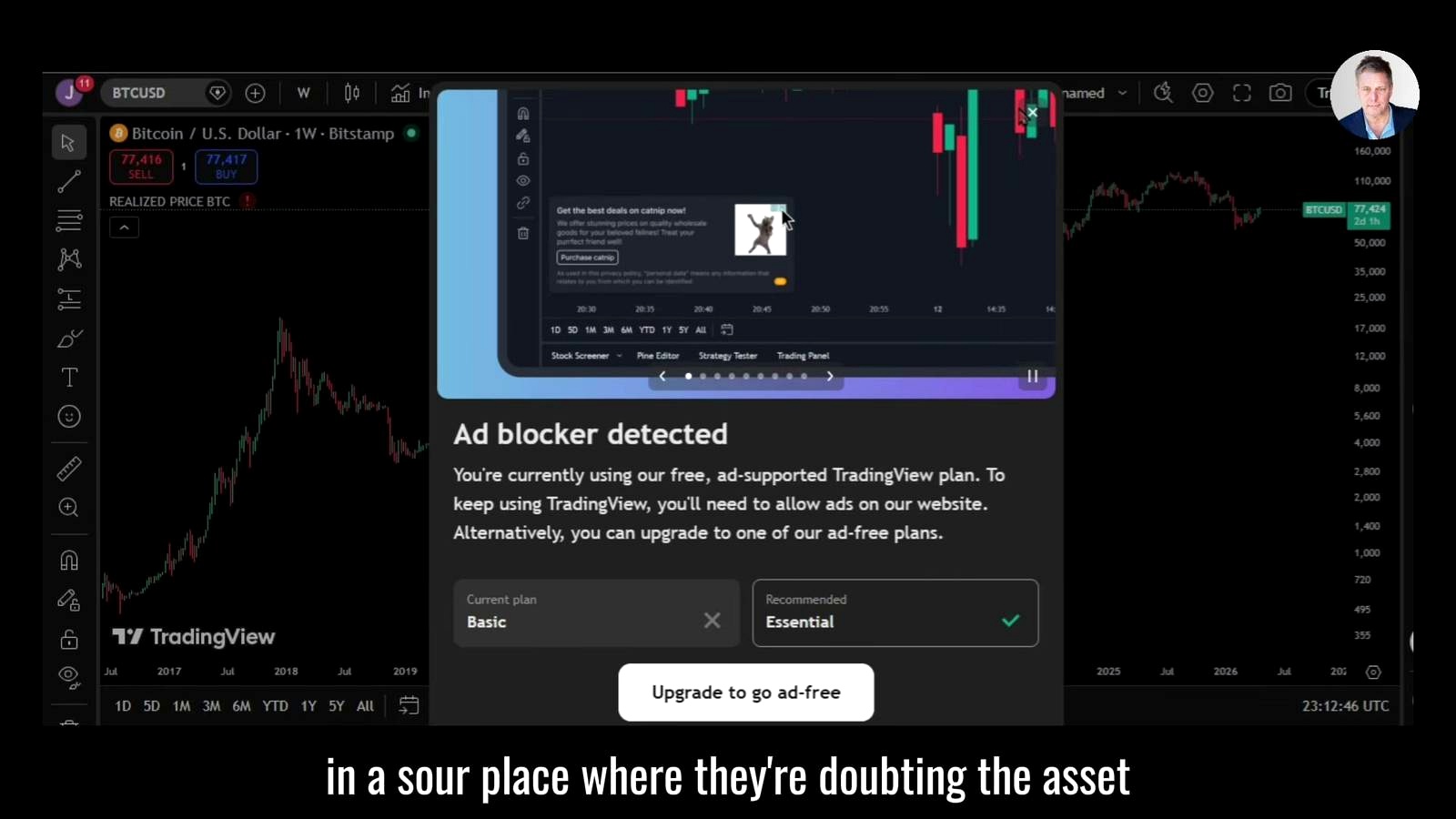
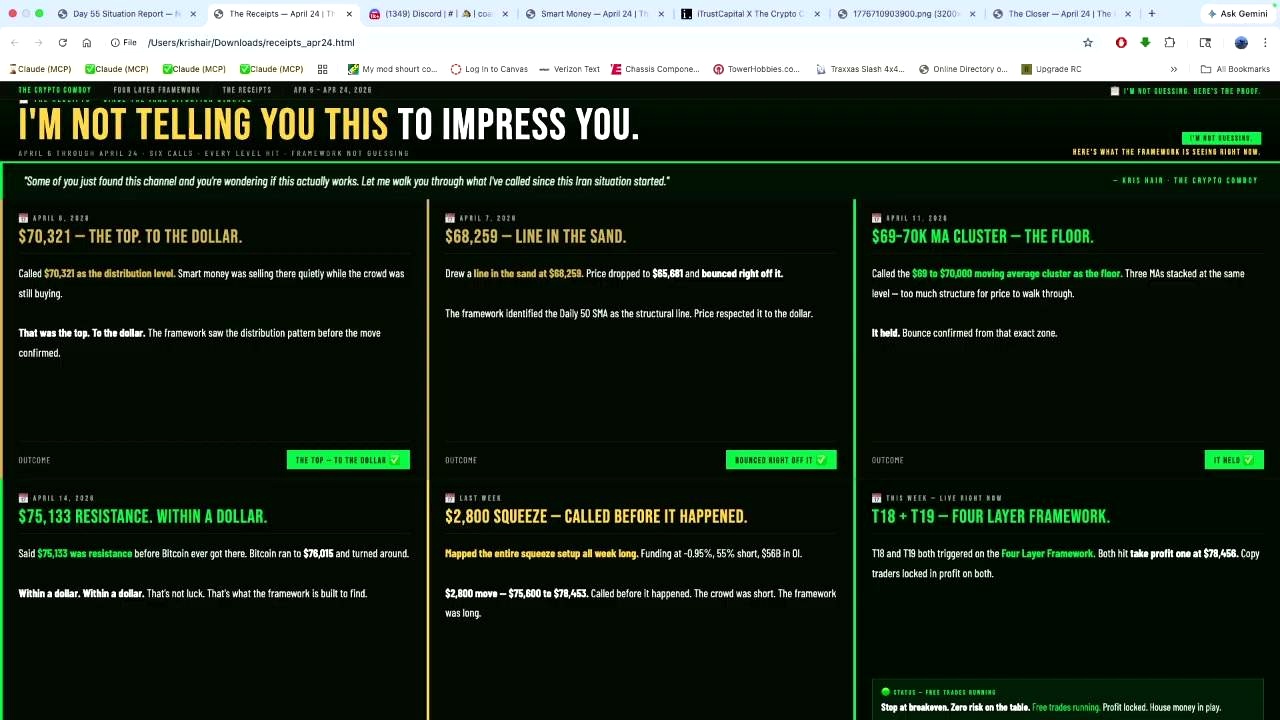
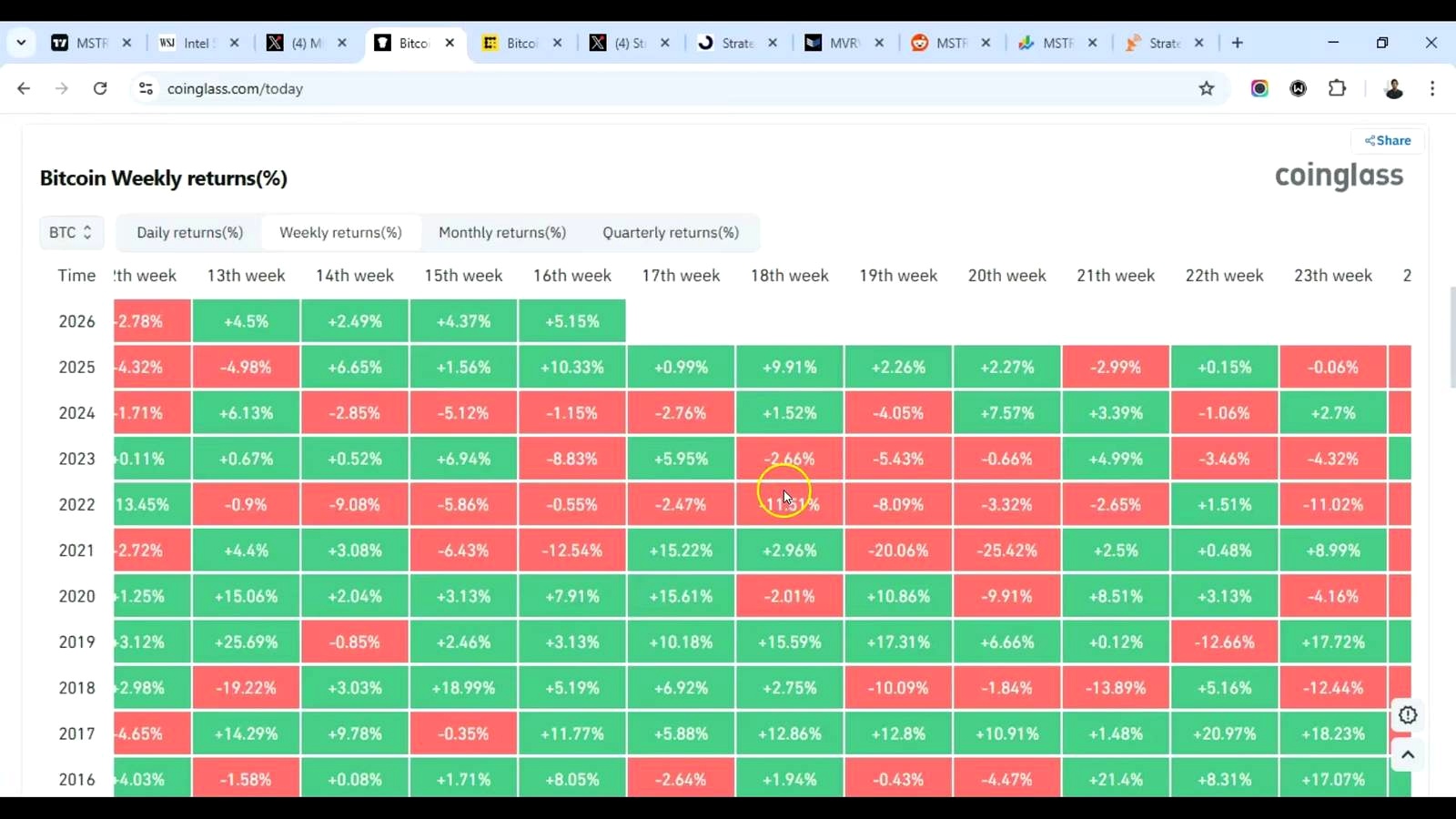
It’s the kind of market that makes conviction feel almost impossible. Prices look weak, confidence gets shaken, and yet that tension is exactly why some investors believe this moment deserves more attention, not less.
There’s another layer to it too. While sentiment stays heavy, major crypto legislation is still being negotiated, adoption headlines keep surfacing, and several voices in the market are arguing that this is what a real bottom usually feels like.
Why This Doesn’t Feel Good — and Why That Matters
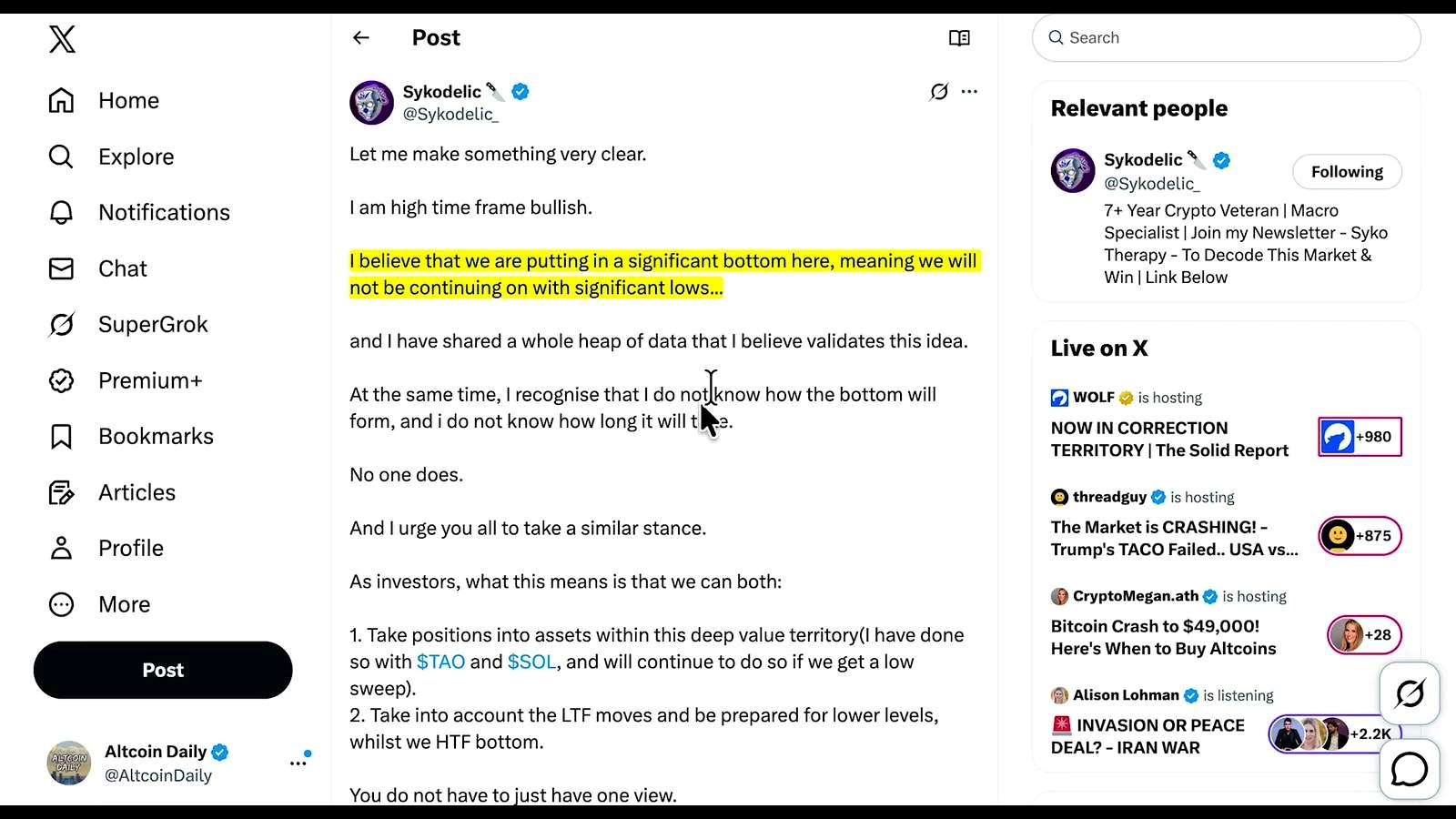
The warning is blunt: Bitcoin doesn’t look good. But the bigger point is even more uncomfortable. Bottoms are not supposed to look clean or obvious. They are ugly, confusing, and emotionally exhausting.
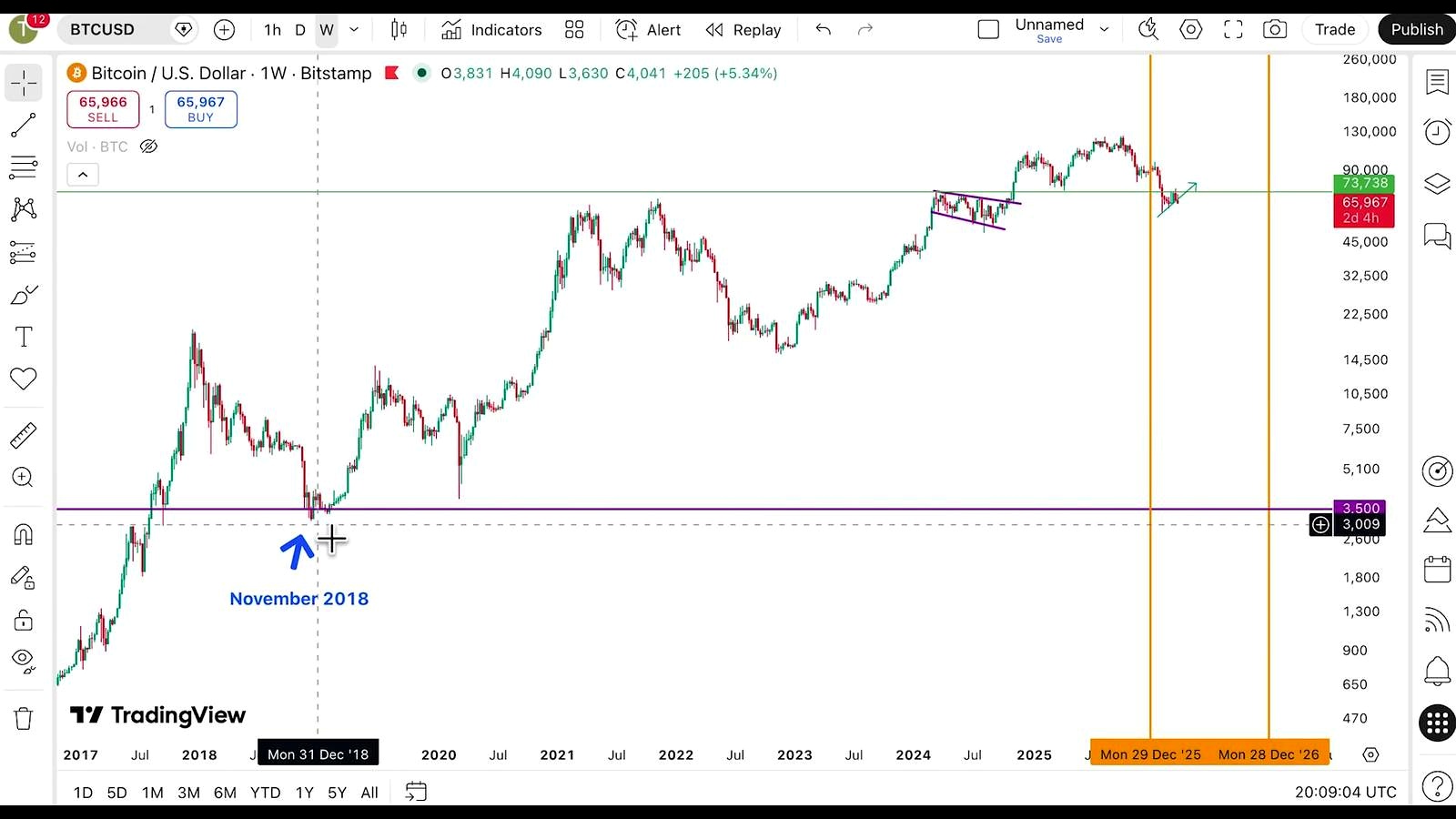
That comparison keeps coming back to late 2018. At that time, many thought the market had already found support. Then came capitulation. Hard. In that view, the most painful move ended up marking the bottom.
The same pattern is being suggested now:
- people think the market may already be near a bottom
- few expect a dramatically lower move
- capitulation remains part of the risk
- the overall period still resembles a bottoming phase
The argument is simple but difficult to live through: it is always hard to be bullish at bottoms because bottoms never look bullish.
Bottom Signals Are “Stacking Up”
A long-term pattern is drawing attention
One of the more closely watched ideas is that Bitcoin’s major bottoms have historically aligned with a rising level of supply still in profit. That may sound counterintuitive, but the explanation given is straightforward: circulating supply keeps increasing over time.
According to that framework, each major bottom can show a higher amount of supply in profit than the previous one because more coins entered circulation at lower prices and may never return to loss again.
That leads to a notable conclusion: even if short-term price action remains weak, the foundation for a significant bottom may still be building.
What this implies
The implication is not that the market must turn immediately. It is that the structure beneath the market may be stronger than the mood surrounding it.
- current supply in profit is said to align with Bitcoin’s historic bottom trend
- each cycle changes because circulating supply is larger
- short-term weakness does not automatically invalidate a bottoming process
The Market Mood Is Split
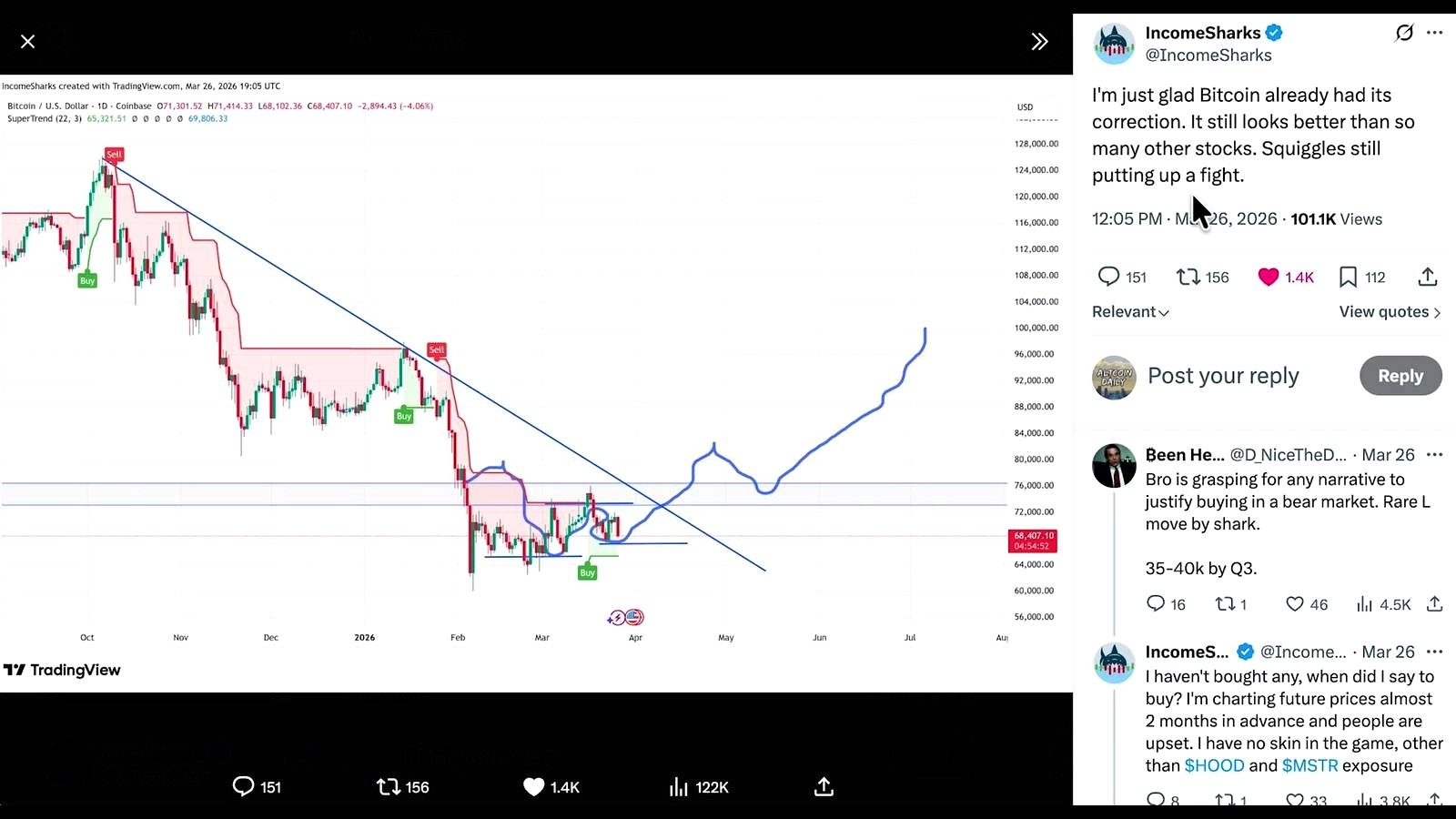
There is clear tension in the crypto conversation right now. On one side, there is talk of hope, future strength, and a turn higher. On the other, there is open acknowledgment that many of the narratives investors relied on simply failed.
That matters because disappointment changes behavior. It changes how fast traders react, how much patience investors have, and what kind of catalyst the market may need next.
The case for hope
Supportive voices point to several things happening at once:
- bottom signals continue to build
- Bitcoin already had a correction while many stocks are under pressure
- some believe the ISM and business cycle are flipping
- there is still optimism for Bitcoin, Ethereum, and crypto ahead
The case for caution
Another view is harsher. In that telling, 2025 was a year when nearly every major Bitcoin narrative failed. Even with a highly supportive backdrop for crypto, price action stayed weak. The old playbook did not work.
That argument goes further: Bitcoin may now be acting more like a mature macro asset. The old stories that once moved price may no longer be enough. If that is true, the next meaningful catalyst may come from somewhere the market is not focused on yet.
The Clarity Act Is Still Alive — Even If Many Forgot About It
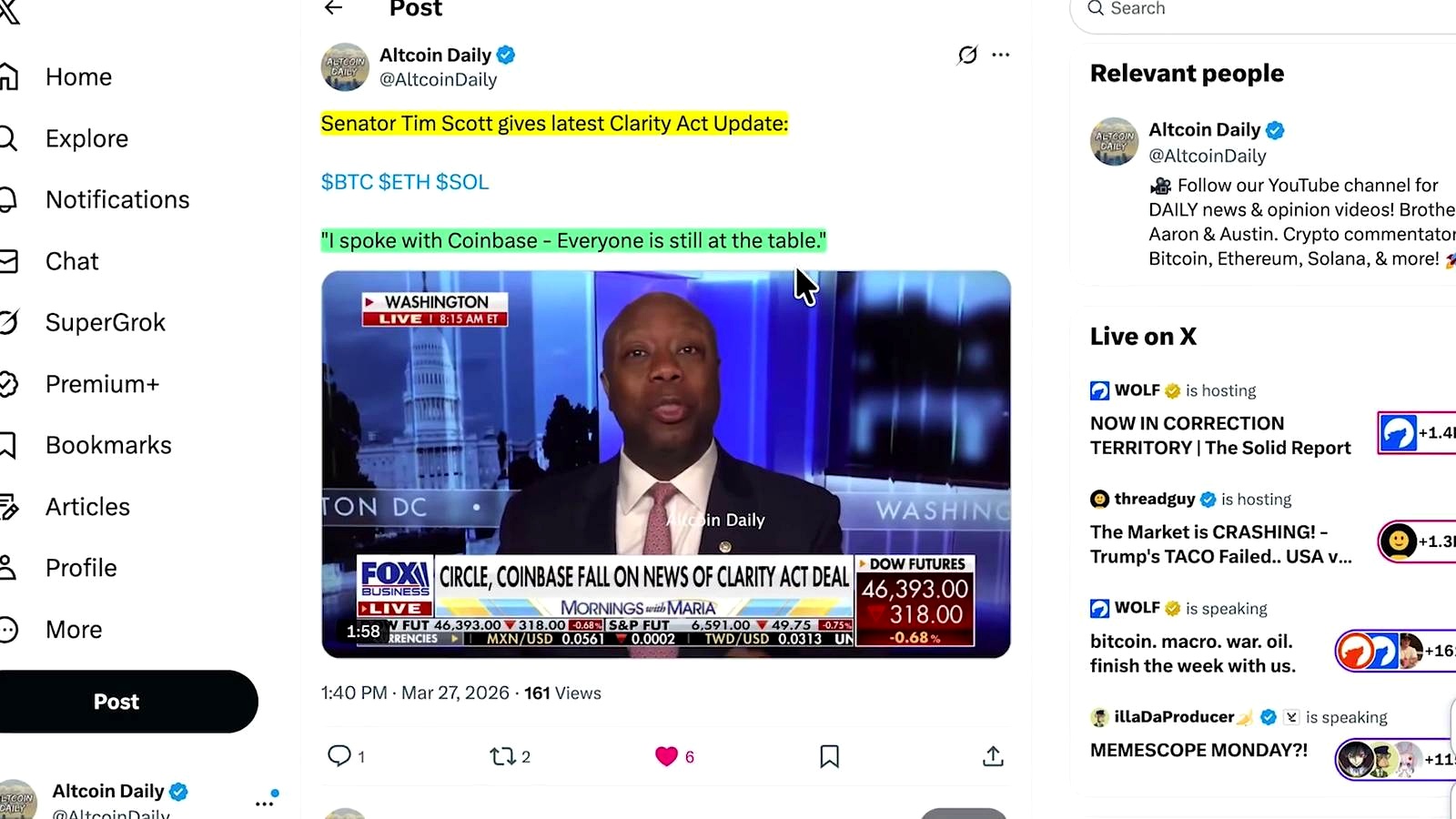
While the market fixates on price, the legislative side is still moving. The Clarity Act remains on the table, and Senator Tim Scott described the process as difficult for a reason: this is the first time such a historic piece of legislation is being handled in this way.
His message was not that the effort is collapsing. It was that the work is hard because the stakes are high.
What Tim Scott said matters most
- Republicans and Democrats are working together on language
- the White House agrees with that language as well
- the industry still needs to agree
- everyone is still at the table
- he remains optimistic
Scott framed it as a “threading the needle” process. That phrase captures the mood perfectly. Progress is visible, but nothing is simple.
The sticking point
The issue around rewards on cryptocurrency platforms remains central. Banks oppose crypto firms being treated differently, while crypto platforms do not want bank-style regulation.
Scott’s response was that the systems are fundamentally different. He compared them as an apple and an orange, not apple versus apple. He also stressed that stable coin accounts should be marketed differently from FDIC-insured bank accounts.
The key takeaway: disagreement remains, but negotiation is still active.
Adoption Headlines Keep Appearing
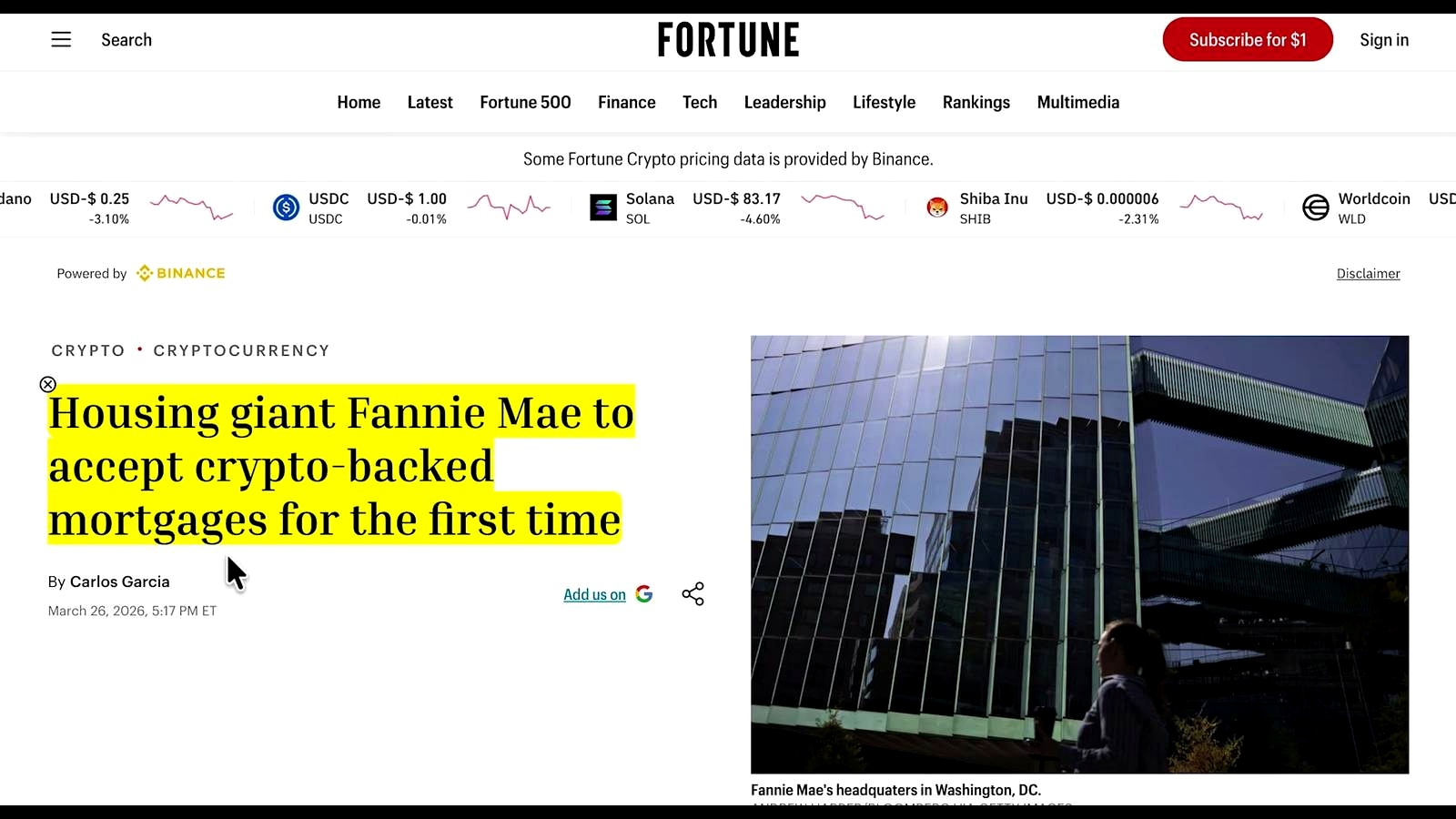
At the same time, there are signs that crypto keeps pushing into areas once viewed as distant. One example cited was that housing giant Fanny May would accept crypto-backed mortgages for the first time.
That does not erase price weakness. But it adds to the sense that the industry is still moving forward underneath the surface.
Why Some Still Expect a Turn Against Gold

Kathy Wood was cited as still buying and saying Bitcoin is about to start outperforming gold. Her view centers on Bitcoin as part of a new global monetary system and on the belief that the relationship between Bitcoin and gold is ready to reverse.
That expected turn, in her view, would happen both ways:
- Bitcoin price goes up
- gold price goes down
What stands out in that argument is the emphasis on resilience. Even after recent pressure on Bitcoin and a soaring gold price, she noted Bitcoin was still higher than the last two big lows.
The Real Warning for Bitcoin Investors
The warning is not just about downside. It is about misunderstanding the moment.
If this is a bottoming period, then it will likely feel worse than most people want to tolerate. If the old narratives really have stopped working, then investors waiting for familiar signals may miss what comes next. And if legislation and adoption continue to advance while sentiment stays deeply negative, the disconnect could become the story.
That is why this moment feels so tense. It is not clean. It is not obvious. But that may be exactly what makes it important.
FAQ
Why are some analysts calling this a Bitcoin bottoming period?
Because they believe the current price action resembles past bottom phases, especially the ugliness and capitulation seen around 2018. The idea is that bottoms are difficult, emotional, and rarely look strong in real time.
What does “bottom signals are stacking up” mean?
It refers to indicators that some market watchers say are aligning with Bitcoin’s historical major bottoms, including the current level of supply in profit relative to earlier cycles.
Is the Clarity Act still moving forward?
Yes. Senator Tim Scott said everything is still on the table, both parties are working on agreed language, the White House agrees as well, and the industry is still engaged.
What is the main dispute around the legislation?
The tension centers on cryptocurrency platform rewards and how crypto firms should be regulated compared with banks. Scott said the systems are different and should not be treated as identical.
Why are some investors still bullish despite weak price action?
They point to bottoming signals, ongoing legislation, adoption developments like crypto-backed mortgages, and the belief that Bitcoin and crypto still have strong long-term potential.
What is the bearish concern mentioned here?
That many of the narratives which once drove Bitcoin higher no longer work. In that view, Bitcoin has matured, and future price catalysts may need to come from something the market is not yet focused on.
What is the “calm before the storm” idea?
It suggests the market may be in a quiet, uncertain phase before new narratives emerge. The implication is that the next move may be driven by themes investors are not fully watching yet.
Original Video

An Indian crypto journalist covering the developments in the Bitcoin and blockchain industries. Her work helps readers understand key changes in the world of digital assets.