Something feels different around Bitcoin right now. Not loud, not euphoric, not the kind of frenzy people are used to — just a strange, stubborn strength that refuses to go away.
And when an $867 billion firm says the worst may already be behind us, that tension gets harder to ignore. Especially when other analysts are quietly landing in the same place.
An $867 Billion Firm Just Made the Market Pause

Bernstein, described here as an $867 billion Wall Street firm, is maintaining a $150,000 Bitcoin target by the end of the year. More notably, the firm believes Bitcoin has probably already reached its bottom, or is in the process of bottoming now.
That matters because the call is not being framed as blind optimism. The case is tied to specific forces already moving through the market:
- Strong ETF inflows
- Growing corporate treasury demand
- Resilient institutional interest
The bigger point is harder to shake off: if this is right, then the recent weakness may have been less of a breakdown and more of a reset in sentiment.
The Core of the Bullish Case: Bitcoin Treasuries

Why corporate buying is suddenly the center of the story
The argument behind Bernstein’s outlook leans heavily on Bitcoin treasuries, especially the role of Strategy and Michael Saylor.
At the time referenced in the material, Strategy was described as holding roughly 3.6% of total Bitcoin supply, valued at around $53.5 billion. Bernstein’s report emphasized those holdings as a major signal of resilience.
But there is a twist that makes the whole thing feel even bigger: the report did not factor in Saylor’s latest announcement to raise roughly $42 billion to buy more Bitcoin.
That omission changes the mood completely.
The numbers behind the shock
The discussion suggests that if this capital is deployed, Strategy could potentially buy another 600,000 to 400,000 coins, reaching 1 million to 1.3 million Bitcoin by year-end, possibly even within a matter of months.
If that happens, the company could move from roughly 3.6% of supply toward something closer to 7%, with close to $100 billion of Bitcoin on its balance sheet.
That is why the report is being framed as possibly conservative rather than aggressive.
It’s Not Just Bernstein

K33 is seeing something similar
Bernstein is not alone. K33 Research also said Bitcoin may have found a market bottom and is now attractively priced for long-term investors.
That second opinion matters because it lowers the chance that this is just one loud call getting attention. The conversation shifts from “one bullish report” to something more unsettling for skeptics: multiple firms reaching similar conclusions in parallel.
The takeaway is simple. When separate analysts start saying the same thing, people start asking whether Wall Street is picking up on a shift before the broader market does.
What the Data Is Pointing To
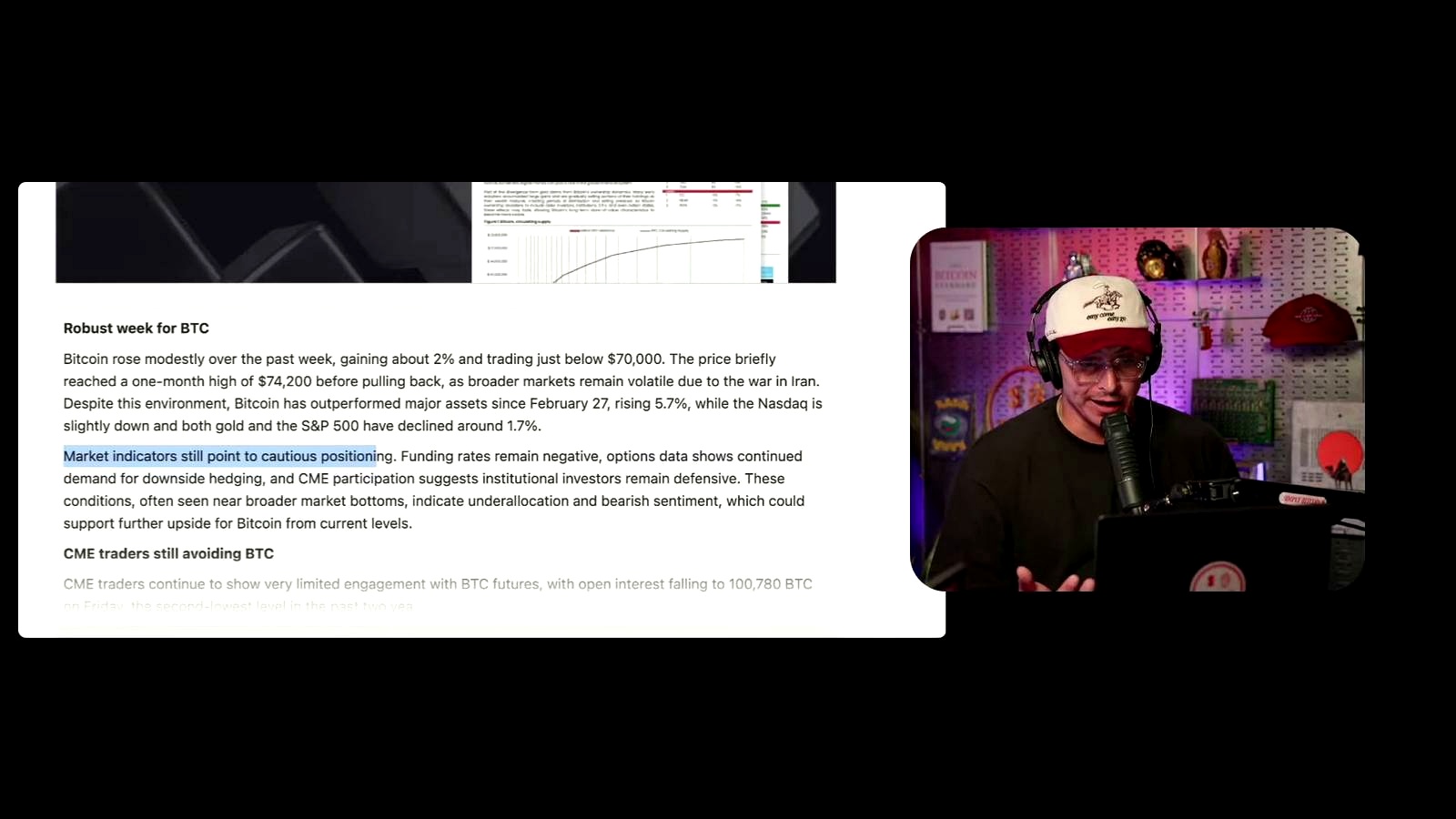
Cautious sentiment, but conditions often seen near bottoms
K33’s cited indicators still show a defensive market:
- Funding rates remain negative
- Options data shows continued downside hedging demand
- CME participants suggest institutional investors remain defensive
Normally, that would sound bearish. But the interpretation here is more nuanced. These are also the kinds of conditions often seen near broader market bottoms, when underallocation and pessimism create room for upside.
In other words, the market still looks cautious — and that caution may be exactly why the setup is getting attention.
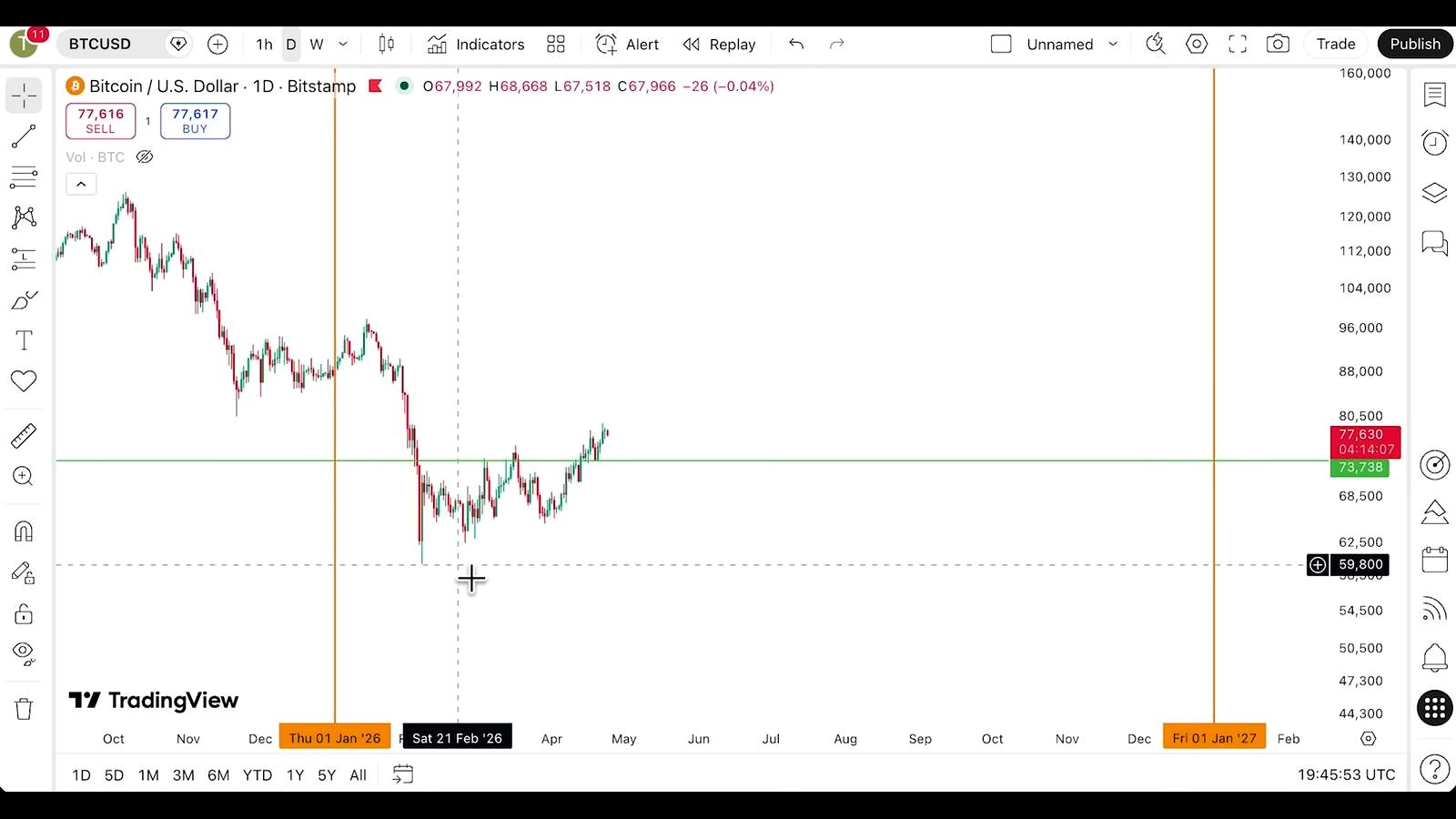
Bitcoin near 70K, but the real question is liquidity
The material also points to on-chain analysis from Glassnode, which described Bitcoin as stabilizing around 70K with:
- ETF flows continuing
- Sell-side pressure easing
- Muted spot volume still holding back a full recovery
That creates a very specific kind of tension. The idea is not that demand is missing forever. It is that the market may be awaiting liquidity.
According to the discussion, retail capital is sitting on the sidelines in cash, trying to make sense of geopolitical chaos and uncertainty. If that sidelined capital finds a reason to move, the tone could change quickly.
ETF Flows Are Quietly Rewriting the Picture

Institutions are showing up even after a brutal drop
One of the strongest pillars of the bullish case is ETF demand.
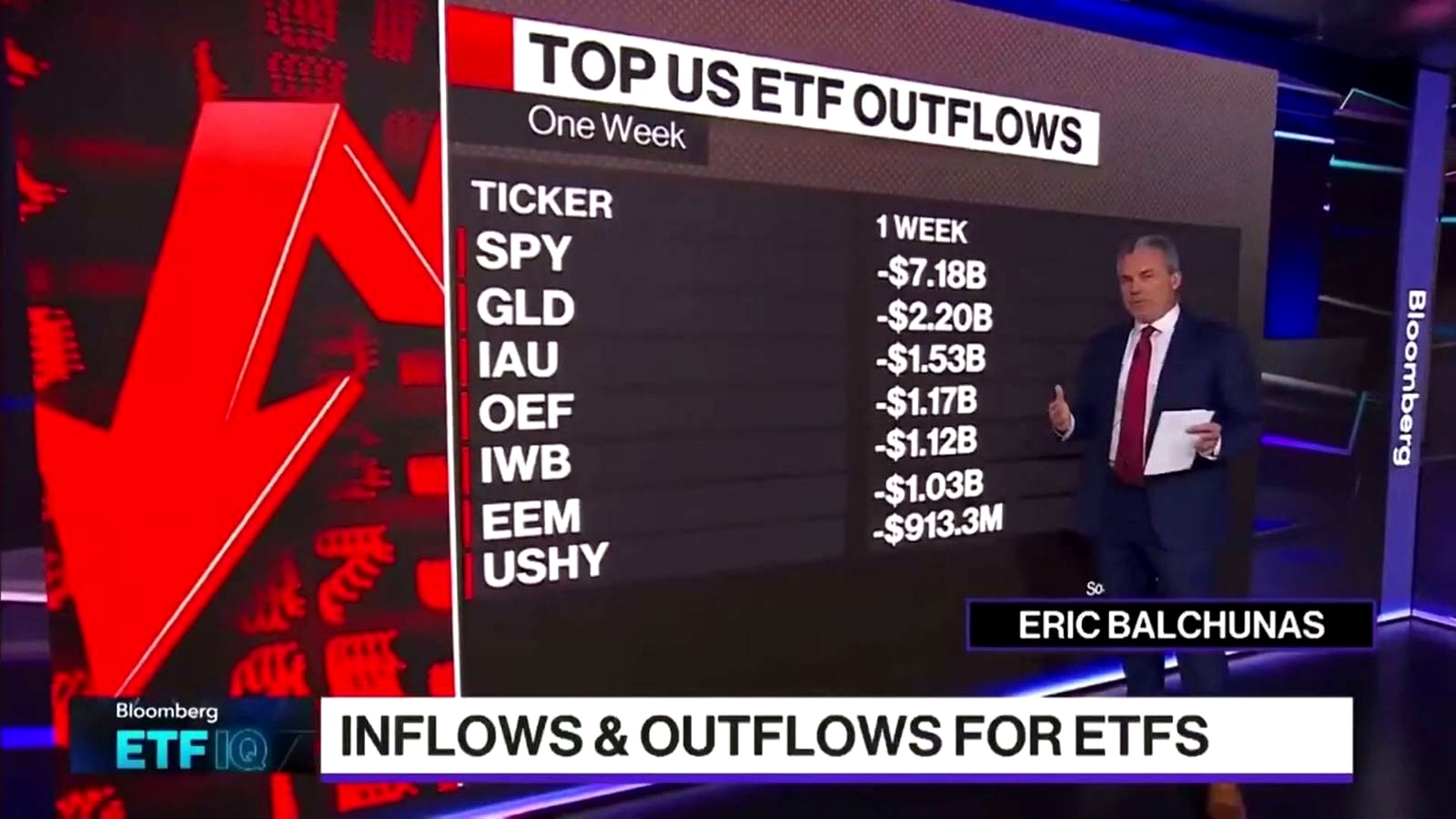
The material highlights comments from Bloomberg ETF analyst Eric Balchunas, pointing to unusually strong inflows into spot Bitcoin ETFs. One figure mentioned is $2.5 billion in monthly flows, with one product already back in positive year-to-date territory and ranking in the top 2% of all ETFs by year-to-date flows.
What makes that stand out is the backdrop. This came despite a 40% six-month price drop and widespread negative coverage.
The message is not subtle: the market behavior has looked abnormal.
Gold and Bitcoin are no longer behaving the old way
The discussion also noted that major gold ETFs were seeing outflows while Bitcoin ETFs were attracting fresh interest. Instead of moving in a neat inverse pattern, the two assets were described as acting more independently.
That change matters because old assumptions may no longer explain what Bitcoin is doing. The asset is being treated less like a simple mirror image of gold and more like something with its own demand engine.
The Other Side of the Debate: What If the Four-Year Cycle Still Wins?

The bearish argument is still alive
Not everyone in the conversation was ready to declare victory.
A counterargument in the material insists the four-year cycle theory remains intact until proven otherwise. From that perspective, Bitcoin’s recent price action still looks like a typical bear-market year, and the top may have already arrived on schedule in October.
This side of the debate argues that until Bitcoin is sustainably above $100,000 by midsummer or October, the cycle has not been broken.
So what changes if this time really is different?
Even the more cautious view acknowledged that one thing may be shifting: instead of a classic capitulation crash, the market could simply chop sideways because so much Bitcoin is being absorbed.
That is where the current moment becomes genuinely difficult to read.
- The traditional cycle says lower prices may still come.
- The treasury and ETF data suggest selling pressure is fading.
- Massive corporate accumulation may be changing the structure underneath the market.
The result is a market that feels stuck on the edge of an answer.
The 9-Month Window Everyone Is Watching
The title’s “you have 9 months” theme comes down to timing. Bernstein’s target is tied to the end of the year, and the broader discussion keeps circling the same idea: the next several months may decide whether this is a normal cycle or the beginning of something structurally different.
If the bullish case is right, the bottom is already in or close. If the cycle argument is right, another flush lower could still happen before any real breakout.
Either way, the market is being squeezed by competing forces:
- Heavy institutional demand
- Strong ETF inflows
- Potentially enormous treasury buying
- Retail capital still waiting on the sidelines
- Lingering geopolitical and macro uncertainty
That is why the warning feels bigger than a price target. It is really a countdown to whether Bitcoin’s old rhythm still controls the game.
Tether, the Fed, and the Bigger Shift Around Bitcoin

More signs of institutional normalization
The material also points to a wider backdrop that supports the idea of declining institutional fear.
Among the developments mentioned:
- Tether signed an engagement with a Big Four firm for its first full audit
- The Fed was described as moving to remove major barriers for banks to offer Bitcoin services
- Bitcoin custody inside banks was framed as becoming easier under a changed capital treatment approach
The discussion presents this as part of a broader shift. Bitcoin may not be fully “derisked,” but from an institutional point of view, the old reflexive fear appears to be fading.
The warning inside the optimism
There was also a clear note of caution: more bank custody may help institutional adoption, but the deeper mission remains individual self-custody.
That tension sits underneath everything. More Wall Street access may support price, but the original promise still depends on individuals taking control themselves.
What Happens Next?
That is the question hanging over all of this.
The bullish read says the market is absorbing bad news, handling uncertainty unusually well, and quietly building a base supported by ETF inflows and corporate demand. The cautious read says the cycle has not broken yet, and history should not be dismissed too early.
What makes this moment so compelling is that both arguments have real weight. But if Bernstein and K33 are right, the market may already be much further along than it looks.
And if Saylor’s next wave of buying lands as expected, the current estimates may end up looking understated.
FAQ
What did the $867 billion firm say about Bitcoin?
Bernstein said Bitcoin has probably reached its bottom, or is currently bottoming, and maintained a $150,000 target by the end of the year.
Why is Michael Saylor central to this Bitcoin outlook?
The analysis focuses on Bitcoin treasuries, especially Strategy’s holdings. The discussion says the company already held roughly 3.6% of total supply, and a new planned raise of around $42 billion could push that much higher.
Did Bernstein include Saylor’s latest Bitcoin buying plan?
No. The material says the report did not factor in the latest announcement, which is why the current outlook was described as potentially an underestimation.
What is K33 saying about Bitcoin?
K33 Research said Bitcoin may have found a market bottom and is attractively priced for long-term investors.
What market signals are supporting the bottoming thesis?
The discussion points to strong ETF inflows, growing corporate treasury demand, easing sell-side pressure, negative funding rates, downside hedging, and defensive positioning that often appears near broader market bottoms.
Why are ETF inflows so important here?
Because they suggest institutions are still allocating despite a major price drop and negative media sentiment. That resilience is being treated as one of the strongest signs that demand remains intact.
What is the main bearish counterargument?
The opposing view is that the four-year cycle theory is still intact and may imply lower prices later in the year unless Bitcoin can move sustainably above $100,000.
Why does the article mention 9 months?
Because the key targets and arguments discussed are tied to the end of the year, making the coming months the critical period for deciding whether Bitcoin has already bottomed or still faces another major drop.
Source Video

John Burnell focuses on Bitcoin infrastructure, wallet security and blockchain technology. He writes educational articles explaining how Bitcoin works and how the technology evolves.