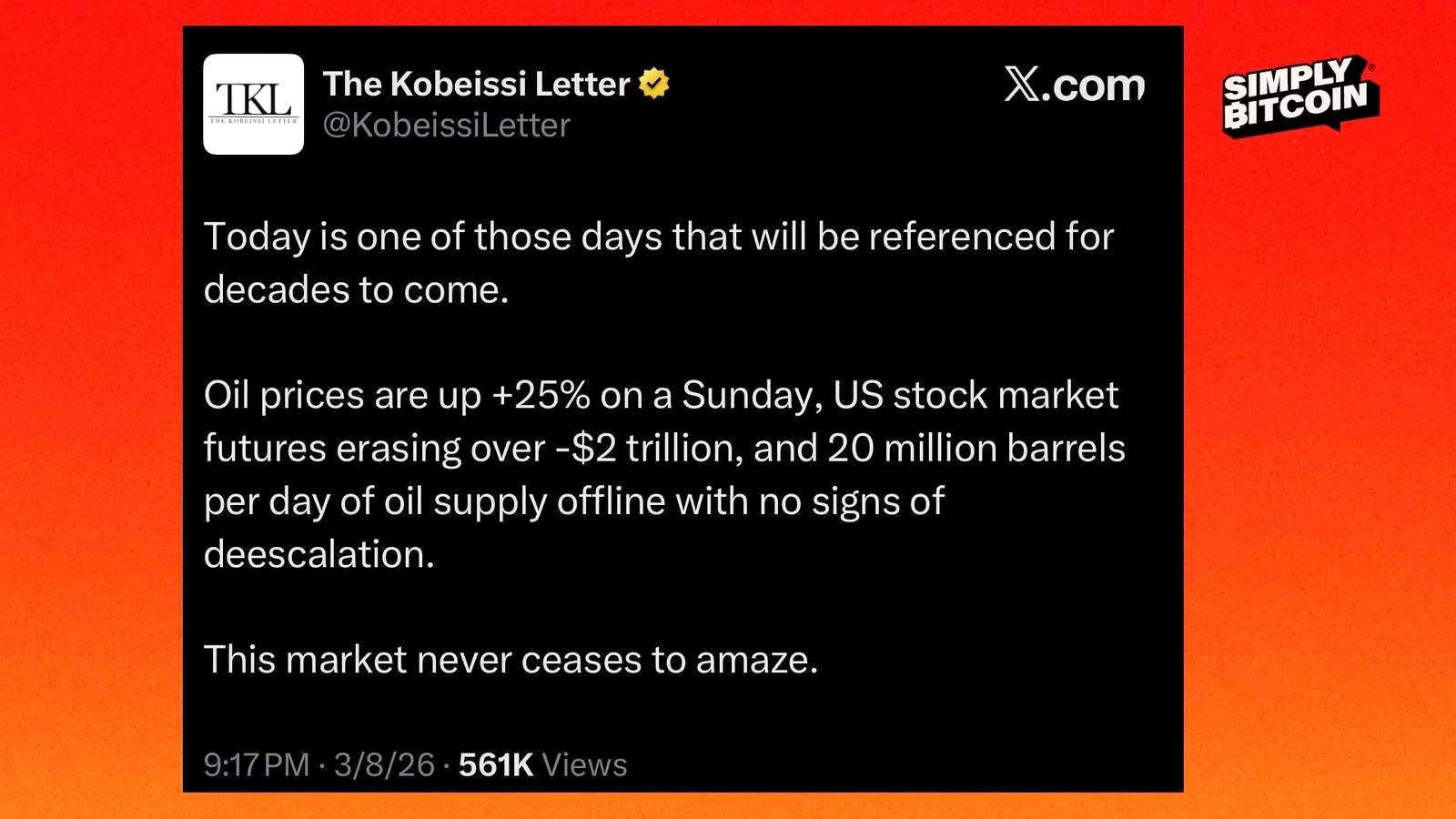
Something just happened in the global economy that could change everything, and almost nobody is talking about it yet. In the last 24 hours, 20 million barrels of oil supply disappeared, stock futures lost $2 trillion before markets even opened, and Japan’s market crashed 6% overnight.
At the same time, geopolitical tension is rising, energy markets are surging, and officials are issuing warnings about a much more dangerous global environment. According to the material provided, this moment is being framed as both a military and economic stress point with potentially major consequences for markets, inflation, and Bitcoin.
The Scale of the Oil Supply Shock
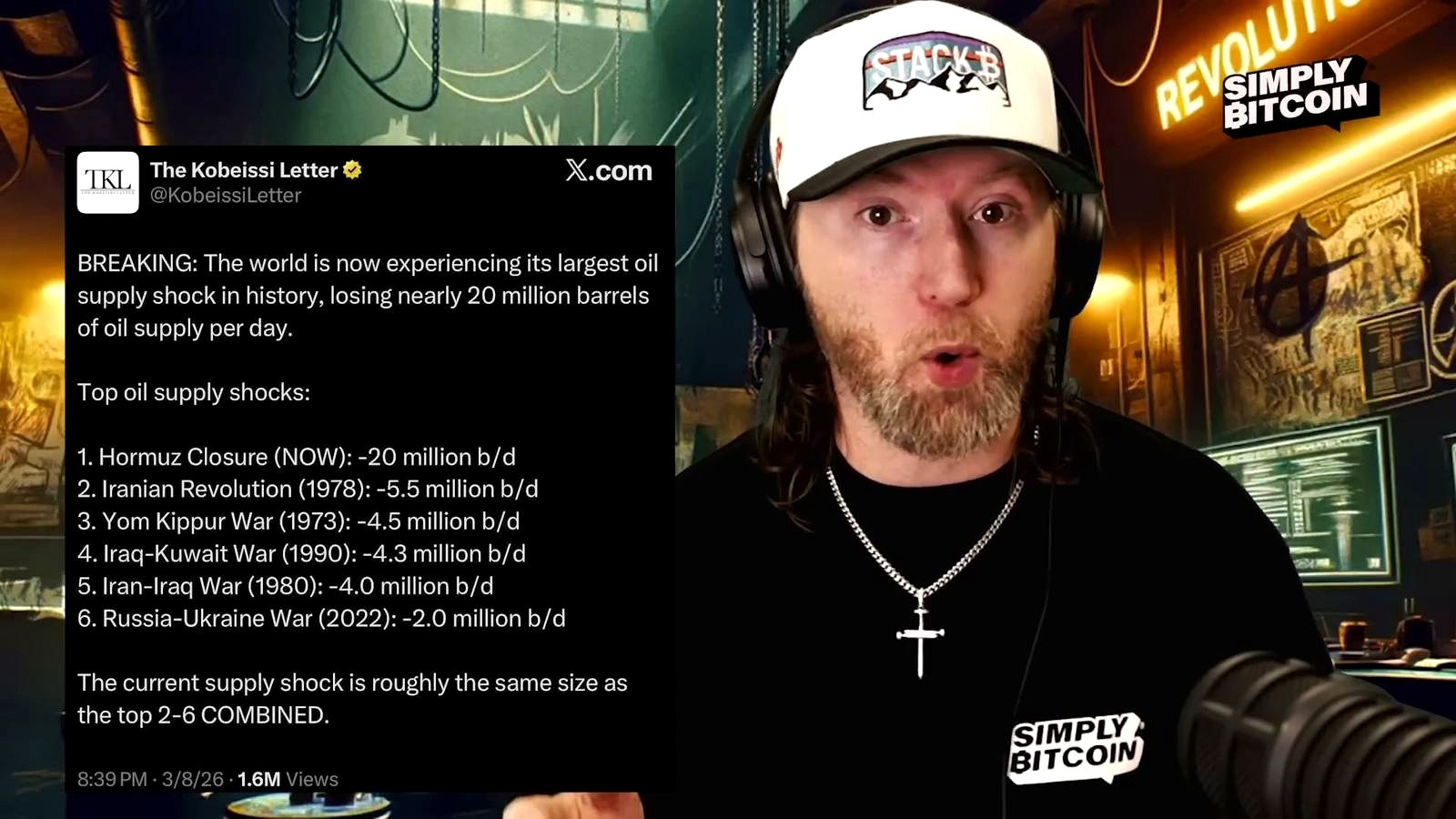
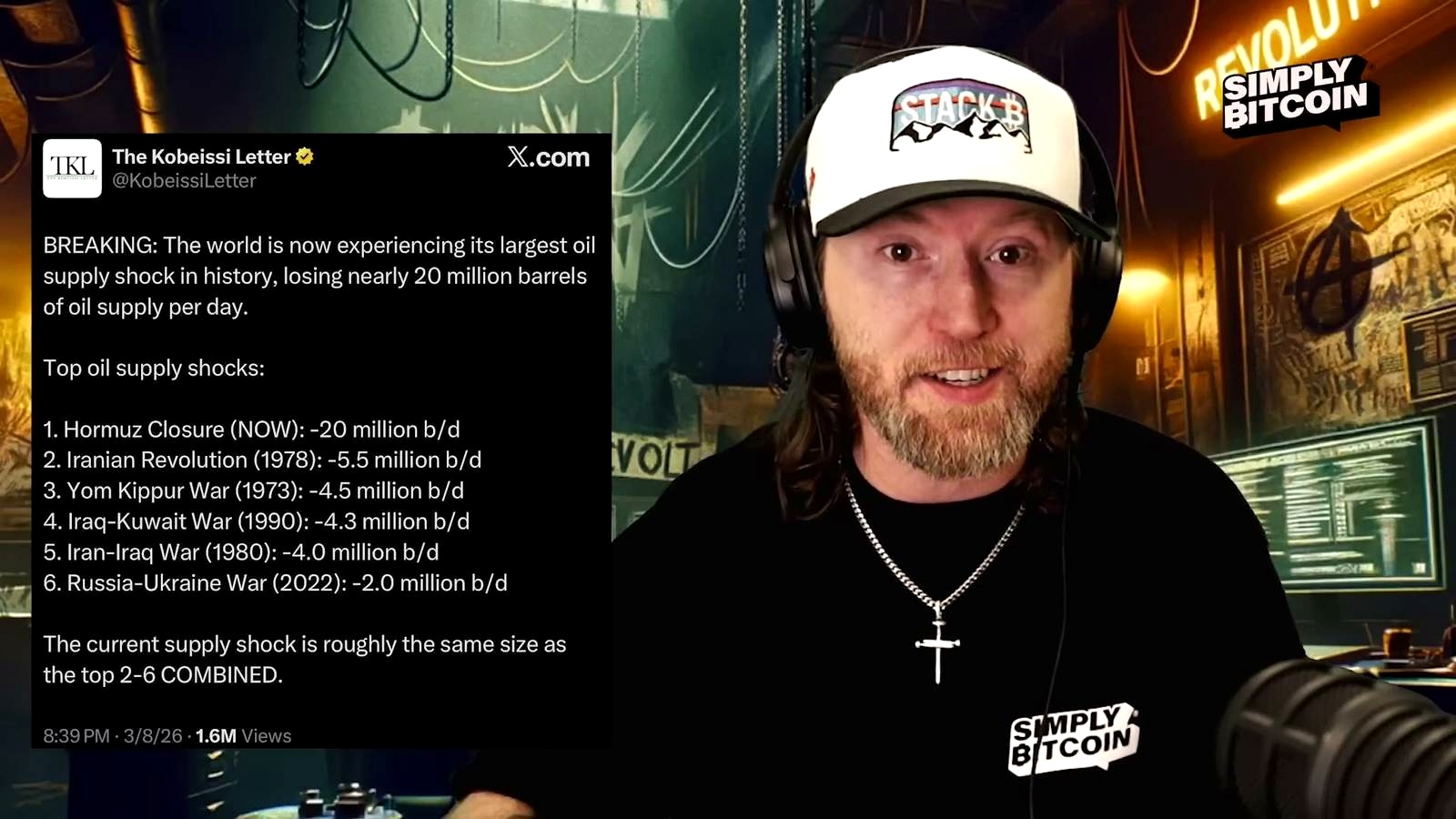
The central claim is that the world just experienced the largest oil supply shock in human history. The reported figure is 20 million barrels per day gone.
To show the scale, the material compares this event with several historic crises:
- The Iranian revolution removed 5.5 million barrels.
- The Yom Kippur war removed 4.5 million barrels.
- The Gulf War removed 4.3 million barrels.
- The Iran-Iraq war removed 4 million barrels.
- The Russia-Ukraine invasion removed 2 million combined.
According to the source material, those five historic crises removed less oil than what disappeared in this single event.
Market Reaction
The material says markets reacted immediately. Before markets even opened, $2 trillion was erased from stock futures, and Japan’s market fell 6% overnight.
Oil also moved sharply higher. Oil surged past $100 a barrel for the first time in years. Brent crude reportedly spiked nearly 24%, including a 10% jump in a single minute and then another 10% minutes later. This was described as one of the fastest oil spikes in modern history.
European gas prices also jumped 30% overnight, showing that the impact was not limited to oil alone.
The Strait of Hormuz and the Supply Freeze
The stated reason for the energy shock is the Strait of Hormuz. The material describes it as a narrow waterway that moves roughly 20% of the world’s oil supply and says it is basically shut down.
Iran’s Revolutionary Guard is described as threatening to burn Western oil tankers that attempt to pass through. Hundreds of oil and LNG ships are said to be sitting on both sides of the strait waiting to move.
The disruption is presented not simply as a formal blockade, but as a broader breakdown in shipping confidence. The material says insurers do not want to touch ships going through it, which means the problem is not just oil availability, but the inability to move it through the most important energy choke point on earth.
Military Escalation and “Doomsday Planes”
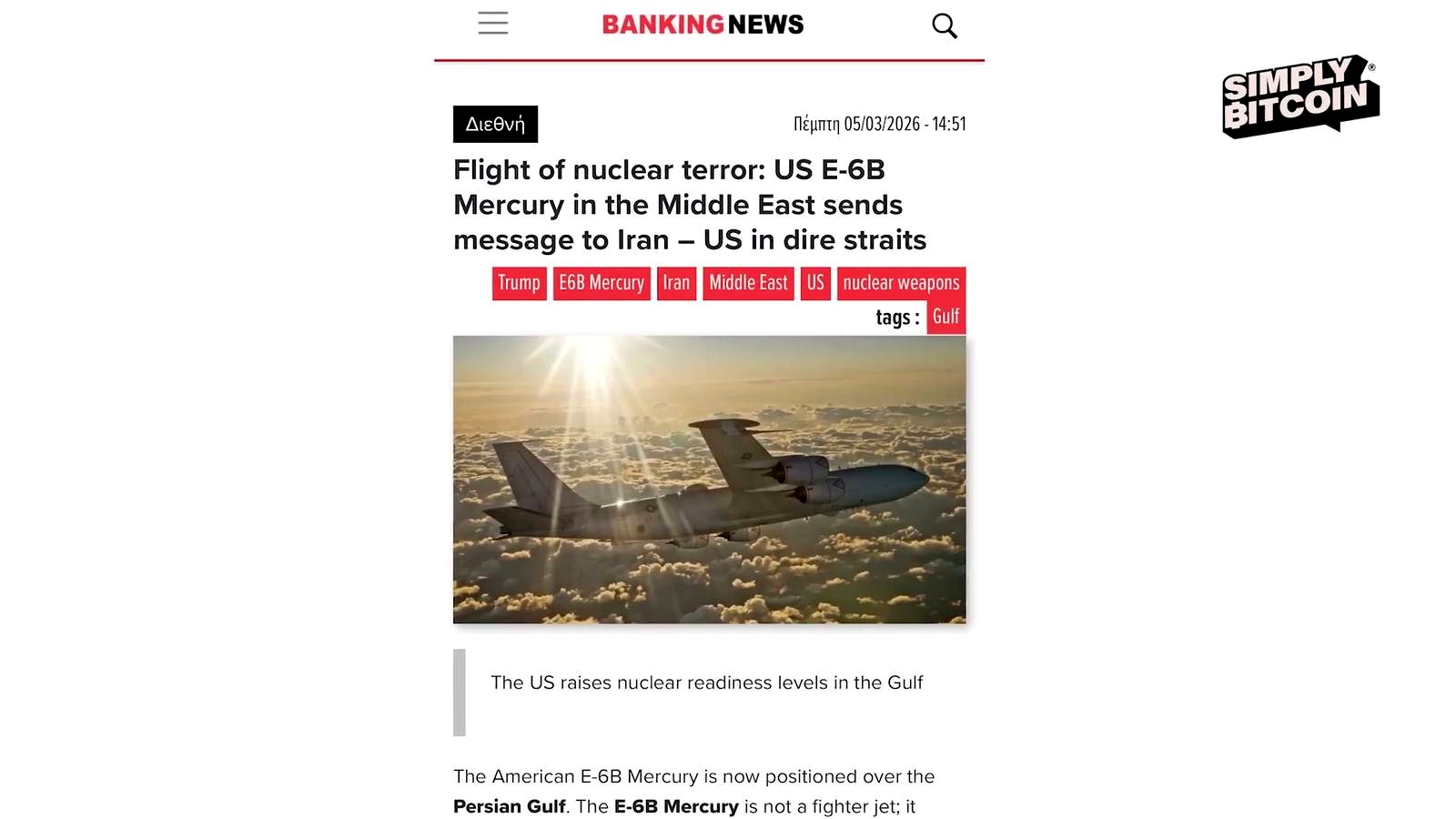
The material also highlights a military development: the United States deployed E6B nuclear command aircraft to the Middle East. These aircraft are described as “doomsday planes,” designed to survive nuclear war and transmit nuclear launch orders to submarines.
There are said to be only 16 of them on Earth. The argument presented is that such aircraft are not deployed for a routine conflict, but when the nuclear option might be on the table.
At the same time, the source says this does not mean nuclear war is about to start. Instead, it is framed as evidence that the global system has entered a completely new level of risk.
Kremlin Warning and the “Perfect Storm”
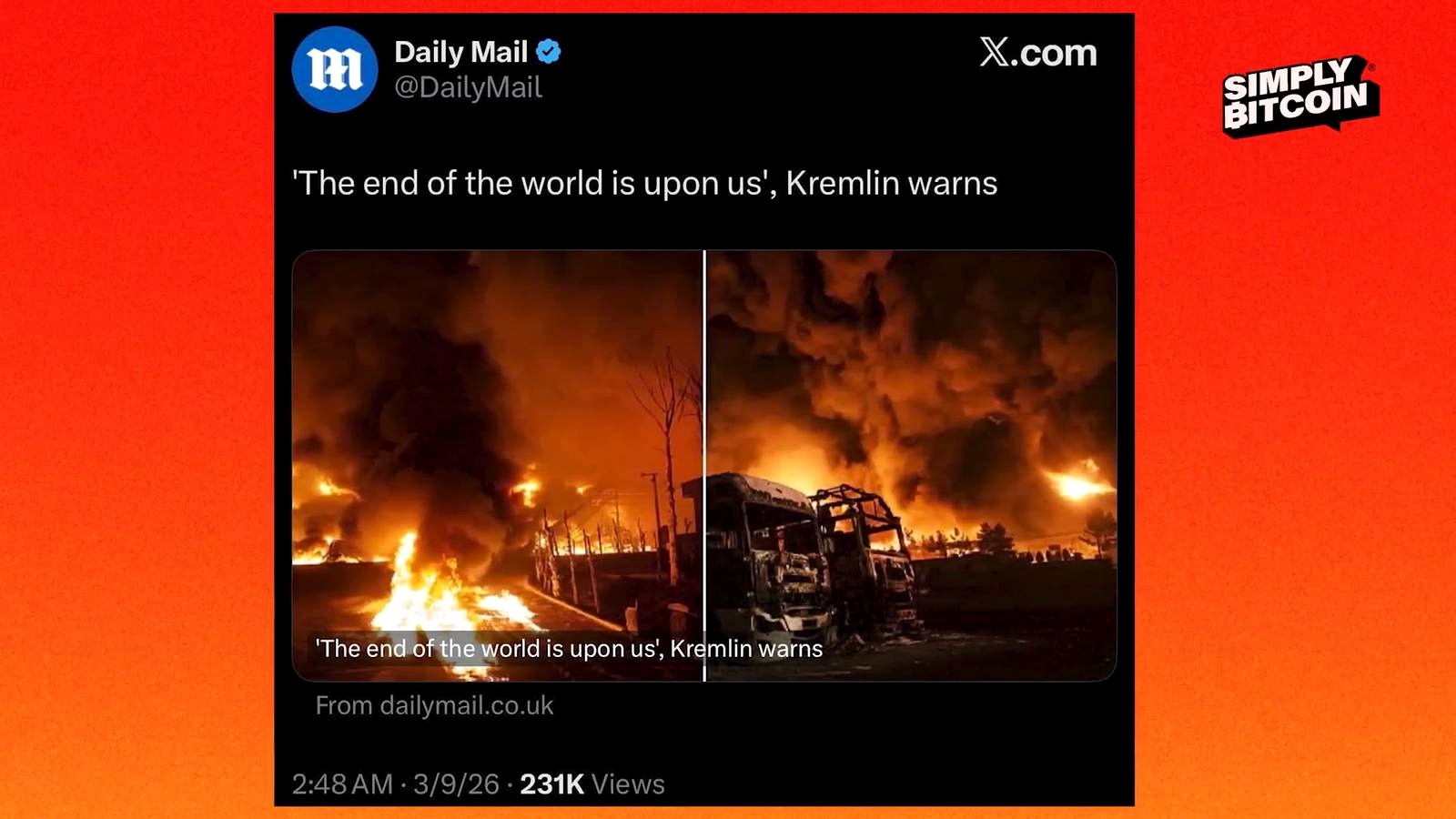
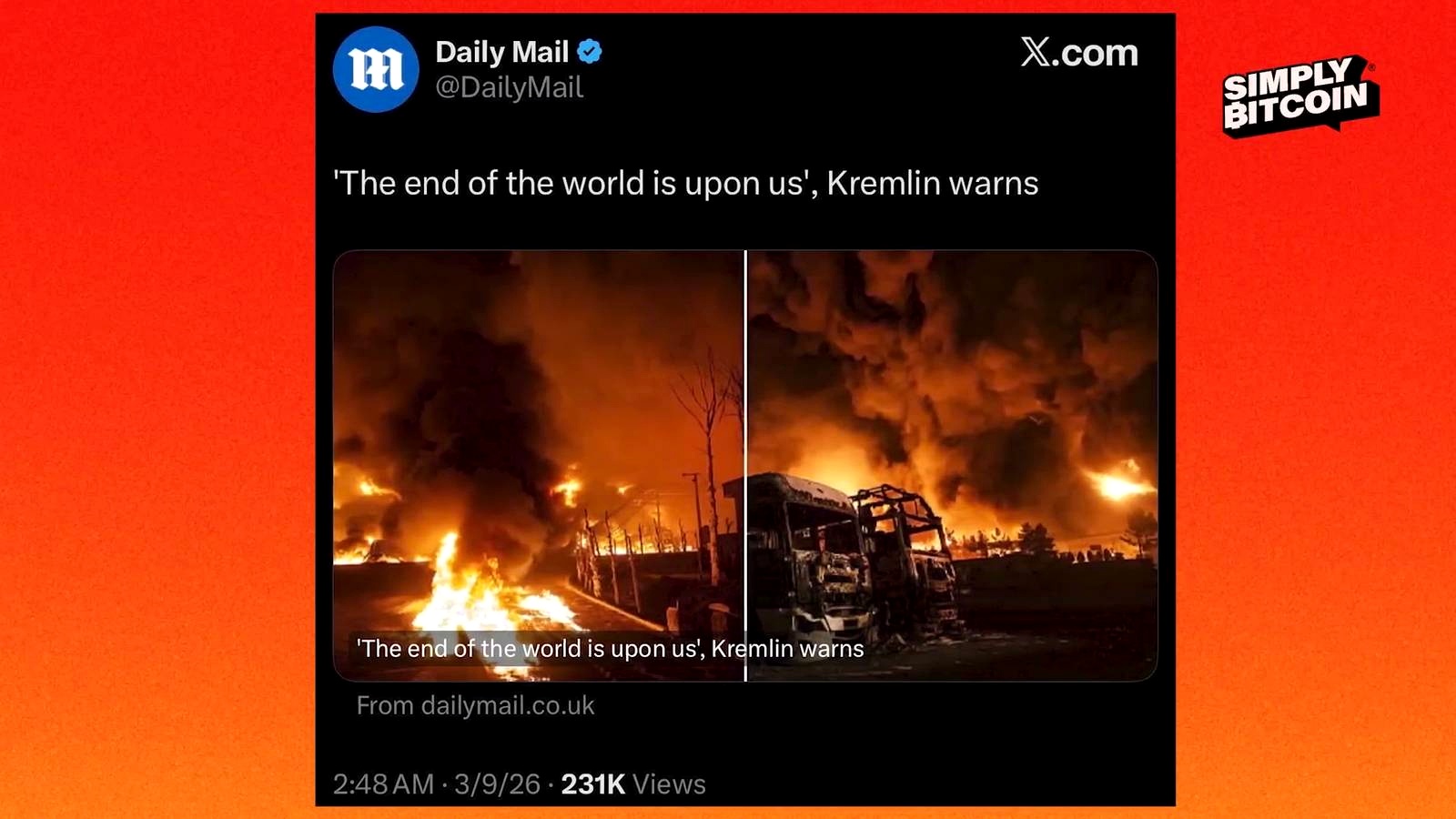
The Kremlin is said to have issued a chilling warning that “the end of the world is upon us.” The statement is attributed to Vladimir Putin spokesperson Dmitri Peskov.
According to the material, Peskov said the global system has entered a “perfect storm” after massive US and Israeli strikes on Iran. He also reportedly argued that international law has basically collapsed and that the old global rules-based order no longer exists.
The same material says Putin pledged unwavering support to Iran, backing the country’s new supreme leader after the previous one was killed in the strikes.
Emergency Response from the G7
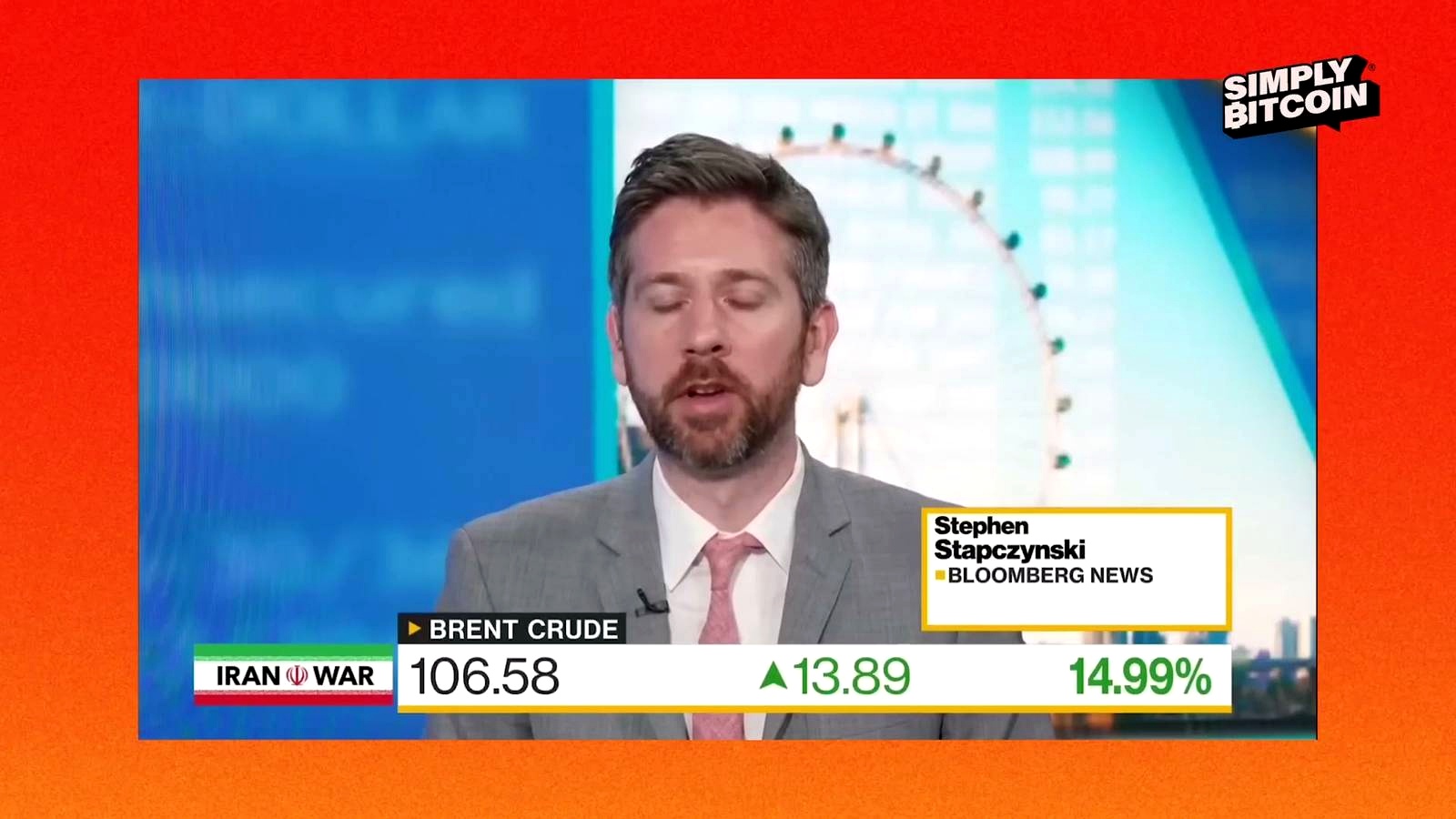
As markets surged, G7 leaders were said to be holding emergency meetings to discuss releasing strategic oil reserves. A Financial Times report was cited as saying members would meet to discuss a potential joint release.
According to the discussion in the material:
- Oil prices initially surged around 25% in early Asia trading.
- Brent neared $120.
- Reserve release headlines helped prices taper somewhat.
- Even after the pullback, prices remained above $100 a barrel.
The material also says some countries, especially in South and Southeast Asia, are not getting the deliveries they need, even if oil remains available in reserves.
Why Reserve Releases Are Described as Insufficient
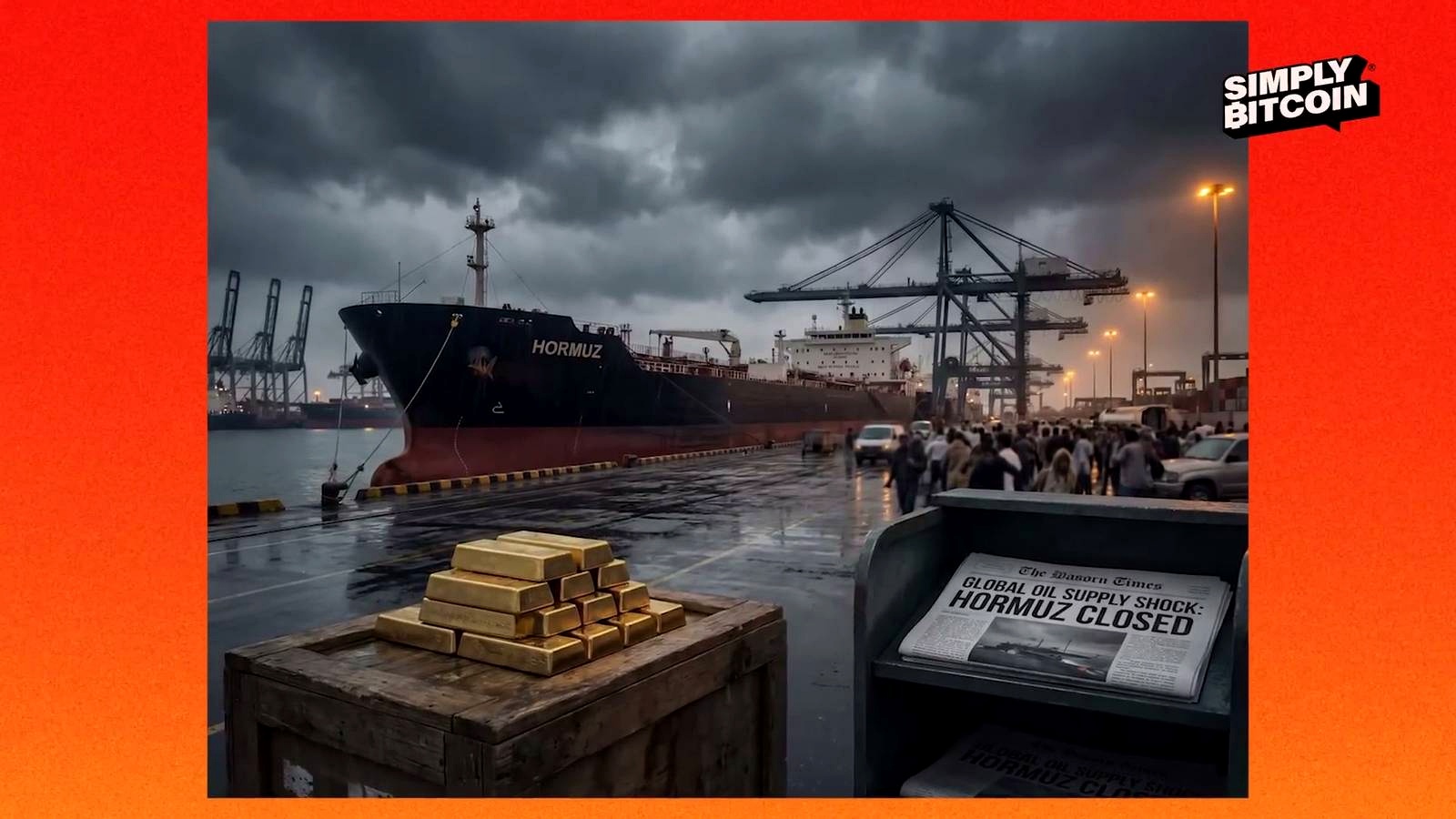
The source argues that reserve releases do not solve the real problem. They may affect headlines, but they do not reopen Hormuz, restore shipping confidence, end the war, or close a growing supply gap.
Several points are used to support that argument:
- The US Strategic Petroleum Reserve is described as being around 411 million barrels, down from 727 million.
- When the US released 180 million barrels in 2022 to fight $90 oil, it reportedly gave consumers only about 18 cents per gallon of relief.
- This current crisis is described as worse because alternatives are fewer and the key shipping route is effectively frozen.
The material characterizes this as panic rather than strategy.
Inflation, Rates, and Recession Fears

The economic chain described in the material is straightforward: when oil goes up, everything goes up. Gas, food, shipping, construction, and materials all become more expensive. That would mean inflation comes back strongly.
If inflation returns, the Federal Reserve may not be able to cut rates and may even have to raise them. If rates stay higher for longer, the material says the consequences could include:
- Mortgage rates staying pinned
- Housing affordability getting crushed
- Layoffs spreading
- A stock selloff
- Housing pain similar to 2008
The sequence presented is: oil shock, inflation, rate pressure, stock selloff, layoffs, and housing pain. The source says the difference this time is that the shock is bigger and faster.
Broader Anxiety in the Background
The material places this oil shock into a wider climate of instability. It references concerns about layoffs worse than the great financial crisis, gas heading toward five dollars, recession risk, unaffordable groceries and rent, home ownership becoming less possible, record credit card debt, AI taking jobs, a mental health crisis, and national debt rising to 120% of GDP in 2036.
It also says Iraq has once again become a battleground for US forces, reinforcing the argument that things are getting intense on the geopolitical front.
Political Messaging and War Concerns
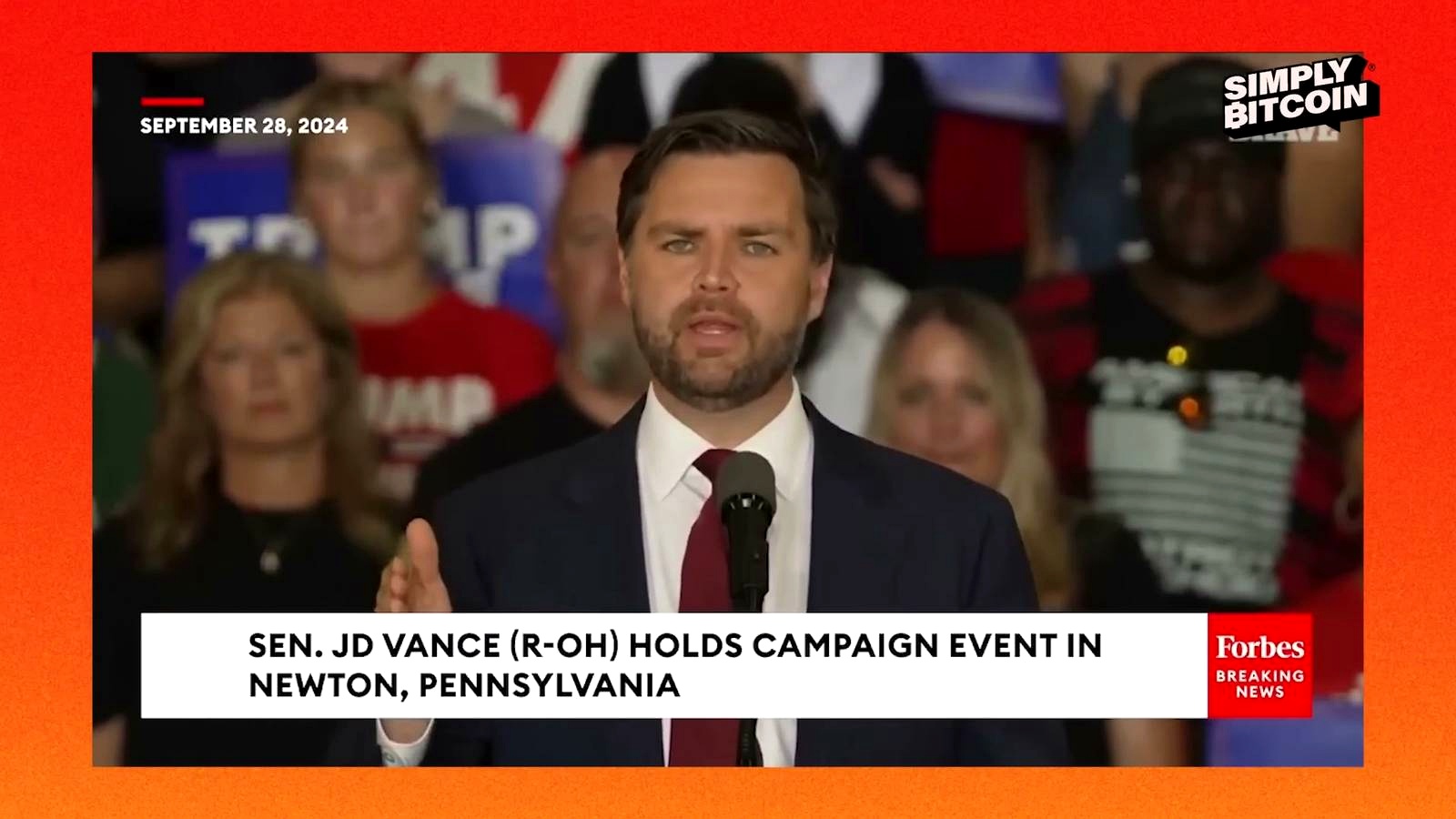
The material includes repeated political messaging about “short-term pain for long-term gain,” followed by the response that the world is spinning out of control.
It also includes a statement saying that if people are worried about the world spinning out of control, a military draft, or a world war, the best way to prevent it is to vote for Donald Trump.
Another exchange says the current plan does not include troops on the ground, but that the president does not remove options from the table and wants to continue assessing the success of the military operation.
Bitcoin as the Proposed Response

A major theme in the material is that moments like this lead central banks toward one remaining tool: money printing. Massive money printing, it says, is the kind that sends inflation through the roof.
The source then presents Bitcoin as the asset created specifically for moments like this. It argues that in periods of instability, investors move toward real assets such as gold, silver, and Bitcoin.
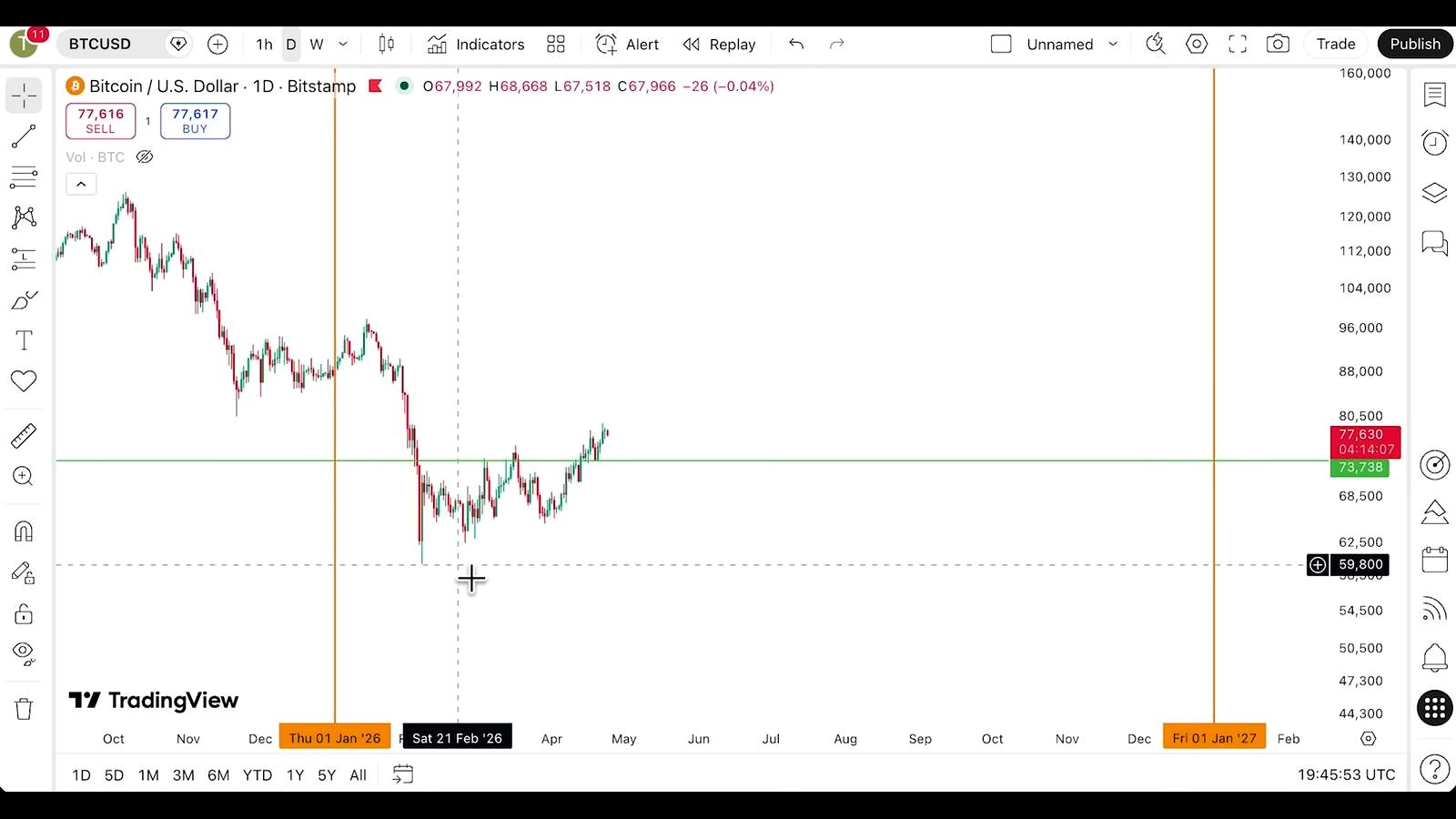
One speaker says that if Bitcoin were to fall to around 50,000 or lower, they would buy heavily, and if it fell to 20,000, they would buy every last bit they could. Another says Bitcoin is not replacing the US dollar, but is competing with gold as a safe-haven portfolio asset, with upside potential because of its relatively small market cap.
The broader claim is that Bitcoin can become a highly appreciative asset, speculative asset, or store-of-value asset in a world of instability.
The Sound Money Argument
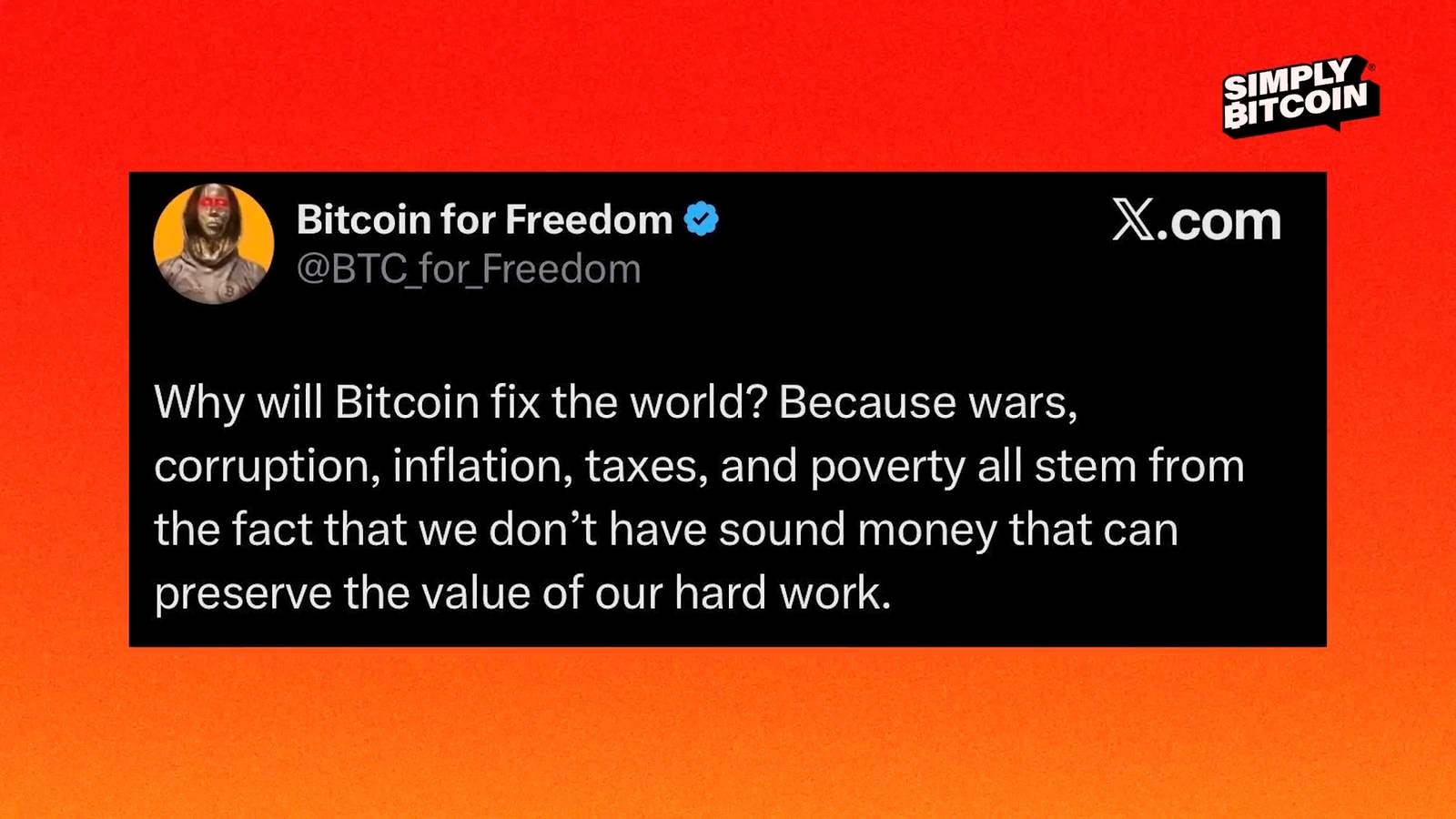
The material closes its core argument by saying wars, corruption, inflation, taxes, and poverty all stem from the lack of sound money. It defines sound money as money that can preserve value and preserve the value of hard work.
From that viewpoint, the message is simple: opt out.
FAQ
What is the main event described in the material?
The material says that in the last 24 hours, 20 million barrels per day of oil supply disappeared, creating what it calls the largest oil supply shock in human history.
Why is the Strait of Hormuz so important here?
It is described as a narrow waterway that moves roughly 20% of the world’s oil supply. The material says it is basically shut down, with ships waiting on both sides and insurers unwilling to support transit.
How did markets react?
According to the material, $2 trillion was erased from stock futures before markets opened, Japan’s market crashed 6% overnight, Brent crude spiked nearly 24%, and European gas prices jumped 30% overnight.
What are E6B aircraft, according to the material?
The material describes them as nuclear command aircraft known as doomsday planes. It says they are designed to survive nuclear war and transmit nuclear launch orders to submarines.
What is the G7 trying to do?
The material says G7 leaders are holding emergency meetings to discuss releasing strategic oil reserves in an effort to calm markets.
Why does the material say reserve releases are not enough?
Because, according to the source, reserve releases do not reopen Hormuz, restore shipping confidence, end the war, or fix the supply gap.
What economic effects are expected if the shock continues?
The material says higher oil prices could push up gas, food, shipping, construction, and materials costs, bringing back inflation and possibly forcing rates to stay high or rise further.
How is Bitcoin presented in the material?
Bitcoin is presented as an asset designed for moments of chaos and instability. The material says it competes with gold as a safe-haven portfolio asset and could benefit if inflation, money printing, and financial stress intensify.
Video Source

John Burnell focuses on Bitcoin infrastructure, wallet security and blockchain technology. He writes educational articles explaining how Bitcoin works and how the technology evolves.