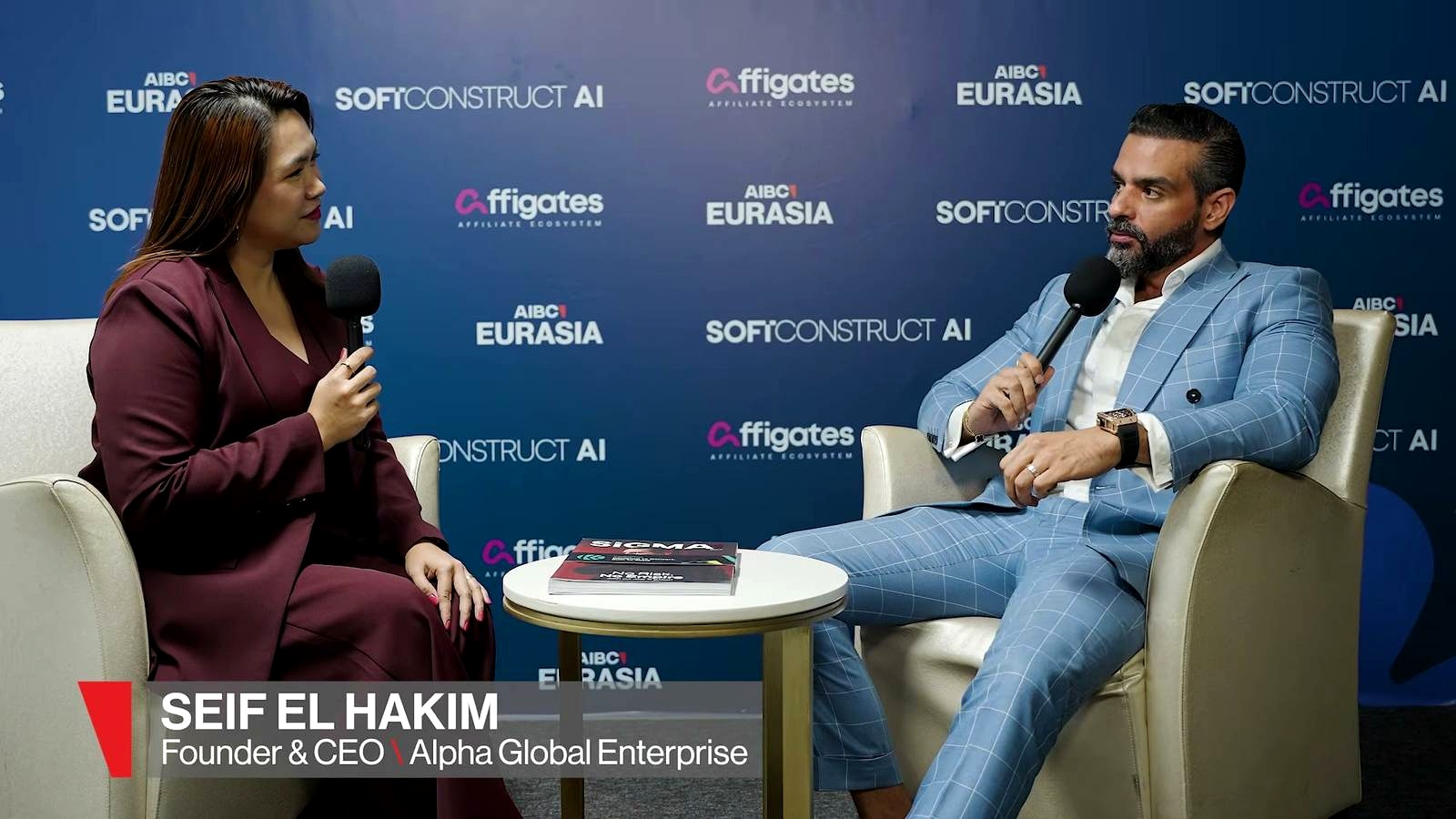
B2B companies entering the MENA market in 2026 need to recognize that the region differs from the international landscape in important ways. Success depends on understanding authority structures, cultural differences, regulations, and the growing role of AI-driven personalization and predictive tools.
The MENA region is not a single country but a combination of countries under one broader label. That makes a regional approach essential for companies that want to enter the market with clarity and relevance.
Understand the MENA Region Before Entering

A strong market entry strategy starts with understanding that MENA is made up of multiple countries, not one unified market. Businesses need to avoid treating the region as a single block and instead pay attention to how each market operates.
Authority and Power Structures Matter
One of the first things B2B companies need to understand is how the power structure and authority structure work. These structures are described as absolutely different from those outside the MENA region, making them a critical factor in market entry planning.
Cultural Differences Must Be Fully Understood
Cultural differences are another major factor. Companies need to know these differences completely, as they shape how businesses engage across the region.
Regulatory Setup Is a Core Market Entry Issue
Regulations are a key part of entering the MENA market. Businesses need to look at practical questions such as:
- Do you need a local sponsor?
- Is the business setup in a free zone?
- Is the business setup on the mainland?
These regulatory points are among the main areas B2B companies need to be aware of before entering the region.
AI Personalization Is Replacing Mass Marketing

Mass marketing is described as dying, while personalization is becoming everything. For companies operating in the region, this shift makes AI-driven personalization highly important.
Why Personalization Is Becoming Essential
Winning brands are expected to use AI more for personalization rather than broadcast. Instead of relying only on traditional demographics, proper personalization goes deeper into individual preferences and behavior.
This includes understanding:
- What people like
- What they do not like
- The timing of the day
- Important holidays and seasonal moments
Regional Timing and Context Improve Relevance
Personalization in the region also includes awareness of specific times and occasions, such as Ramadan and other differences that allow more proper personalization. This is one of the main ways brands can move beyond broadcast communication.
How Predictive AI Shapes Business Decisions

Predictive AI is not presented as something that makes decisions on behalf of businesses. Instead, it highlights patterns that are likely to accelerate in the future, helping founders, owners, and businesses sharpen their instinct.
Predictive AI as a Business Tool
Businesses can use predictive AI to better understand what is happening and where momentum is building. It supports decision-making rather than replacing human judgment.
Example of Predictive AI in Practice
In real estate, predictive AI can help identify:
- Where infrastructure is being built
- Where urban planning is developing
- Rental yields in different areas
- Where acceleration is taking place
With these patterns in view, companies can make decisions based on where growth is happening.
AI Is a Tool, and Choosing the Right Tool Creates an Edge

AI is described as a tool, not a threat. It still needs human intervention and human decision-making. The role of smart founders, smart CEOs, and smart companies is to choose the right tool, not just any tool.
The Competitive Advantage of Better Tool Selection
The edge for businesses comes from selecting the right AI tools for the right use cases. Rather than fearing AI, companies can treat it as a practical way to make decisions easier and more informed.
Regional Strategy Will Matter More Than Copying Global Trends

Regional differences exist, and startups are encouraged to stop copying Silicon Valley trends. Instead, they should look at opportunities from a regional perspective and focus on solving regional friction.
Why Regional Problem-Solving Wins
A regional perspective helps companies build solutions that fit the actual needs of the market. This approach is more relevant than following trends that may not match the realities of the region.
Key Growth Areas to Watch Beyond 2026

Several areas are expected to become especially important in the region. These sectors stand out because they align with regional needs and future development.
AI as Embedded Systems
AI is expected to continue growing, but not only as standalone tools. A major development is AI as embedded systems within governments, banks, and organizations.
Fintech Growth
Fintech is also expected to grow strongly. It remains one of the major areas to watch in the region.
Climate and Water-Related Solutions
Because of regional specificity, climate-related areas and water are identified as top priorities as well.
Practical Priorities for B2B Companies Entering MENA in 2026
- Understand that MENA is a combination of countries, not a single market.
- Learn how authority and power structures work in the region.
- Know the cultural differences fully.
- Review regulatory requirements, including local sponsor, free zone, and mainland considerations.
- Shift from mass marketing toward AI-driven personalization.
- Use predictive AI to identify patterns and sharpen decision-making.
- Choose the right AI tools rather than using tools without strategy.
- Focus on regional friction and regional needs instead of copying outside trends.
FAQ
What should B2B companies know first before entering the MENA market?
They need to understand that the MENA region differs from the international landscape and is not a single country. The first priorities are power and authority structures, cultural differences, and regulations.
Why are regulations important when entering MENA?
Regulations affect how a company can set up and operate. Important questions include whether a local sponsor is needed and whether the setup is in a free zone or on the mainland.
Is mass marketing still effective in the MENA region?
Mass marketing is described as dying. Personalization is becoming far more important, especially when supported by AI.
How does AI personalization help companies in the region?
AI personalization helps companies move beyond broad demographics and focus on what people like, what they do not like, the timing of the day, and regional moments such as Ramadan.
What is the role of predictive AI for B2B companies?
Predictive AI highlights patterns that may accelerate in the future. It helps founders and businesses sharpen their instinct and make better-informed decisions.
Does AI replace human decision-making?
No. AI is a tool and still needs human intervention and human decisions.
What gives companies an edge when using AI?
The edge comes from choosing the right tool, not just using any tool.
Which sectors are expected to be especially important in the region?
Key areas include AI as embedded systems within governments, banks, and organizations, fintech, and region-specific climate and water-related areas.
Source

John Burnell focuses on Bitcoin infrastructure, wallet security and blockchain technology. He writes educational articles explaining how Bitcoin works and how the technology evolves.