A report by an international consortium of investigative journalists says major crypto exchanges, including Binance and OKX, earned millions in fees from transactions linked to scammers, hackers, and organized crime. The findings focus on the past two years and add pressure on the crypto industry as it seeks broader mainstream acceptance.
The report traces large cryptocurrency flows involving notorious entities, cartel-linked addresses, cyber thieves, and money launderers. It also highlights how exchanges have been used to convert illicit crypto into regular currencies or move funds anonymously.
Major findings from the investigation
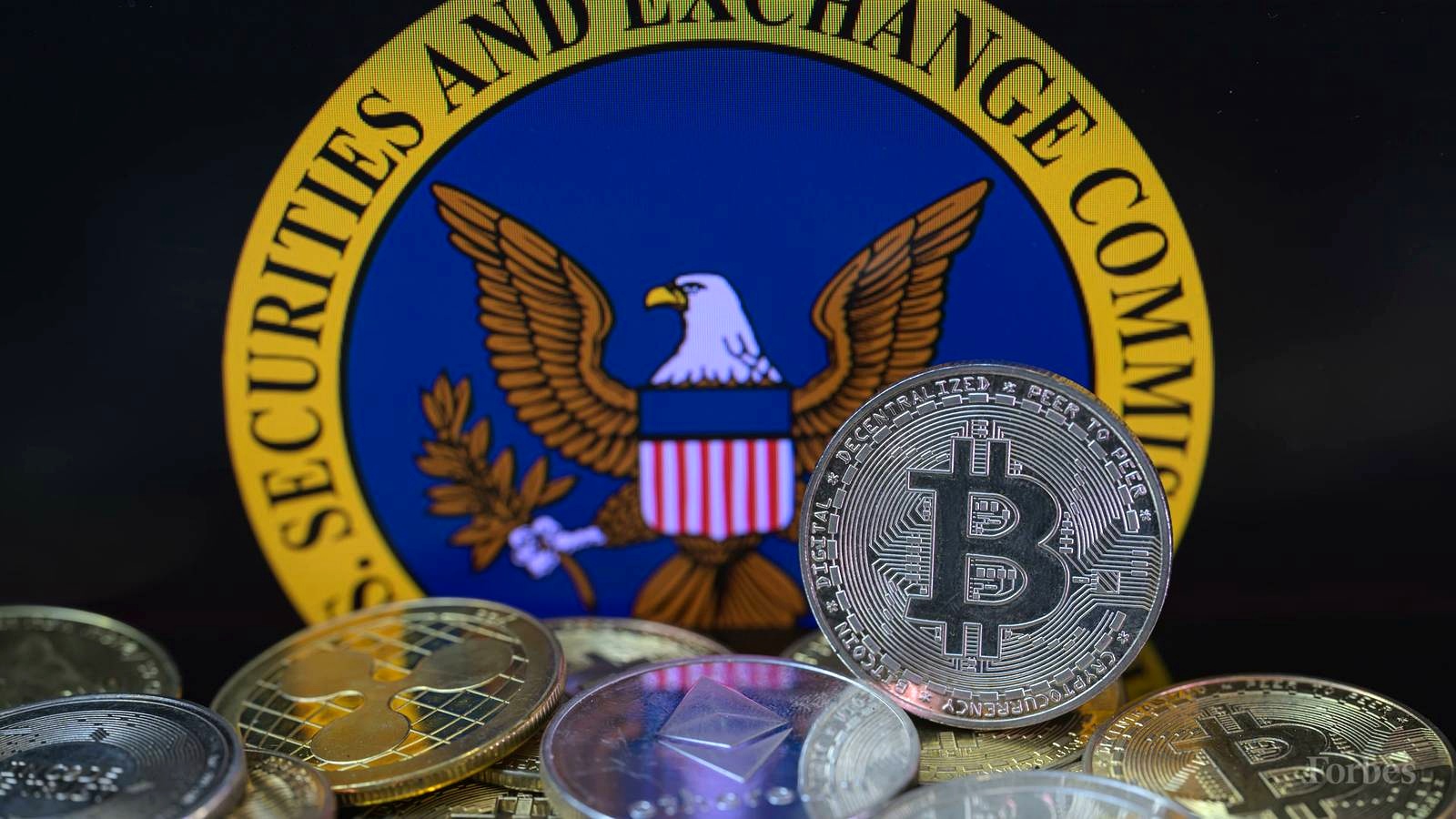
The investigation found that millions of dollars in crypto moved through large exchanges in transactions linked to illegal activity.
- Major exchanges including Binance and OKX reportedly earned millions in fees from suspect transactions.
- Over $48 million in cryptocurrencies was transferred into Binance from the Huiwang Group, a Cambodia-based entity.
- Hundreds of millions of dollars flowed to OKX from Huiwang.
- A Binance-hosted blockchain address connected to the Sinaloa drug cartel in Mexico received $700,000 in funds from accounts linked to Coinbase.
Binance, OKX, and the Huiwang Group
Transfers into Binance
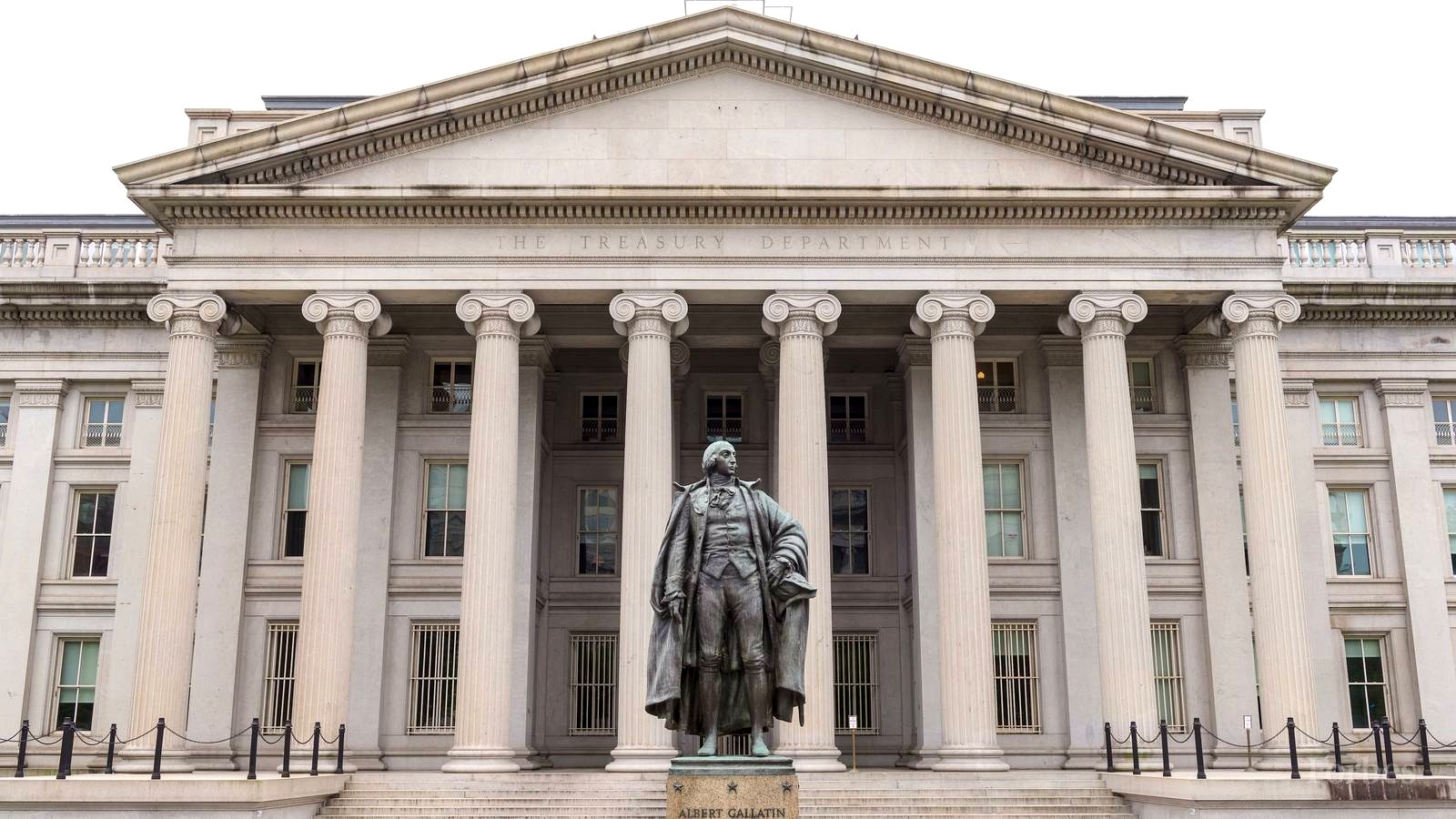
According to the report, more than $48 million in cryptocurrencies was transferred into Binance from the Huiwang Group. The flow occurred while the exchange was under the supervision of court-appointed monitors.
Transfers into OKX
The report says hundreds of millions of dollars flowed to OKX from Huiwang. It states that the exchange retained a court-mandated compliance officer after pleading guilty to operating an illegal money transmitting operation.
US Treasury designation
The US Treasury Department previously designated the Huiwang Group as “a primary money laundering concern.” That designation adds weight to the report’s findings about the movement of funds through major crypto platforms.
How the transactions were tracked

The International Consortium of Investigative Journalists said it worked with 37 media partners in 35 countries. The group gathered hundreds of cryptocurrency wallet addresses to track suspect transactions across the blockchain.
Records cited in the report also show blockchain transactions from wallet addresses associated with:
- North Korea cyber thieves
- Russian money launderers
- Large-scale scam operations
Links to organized crime and illicit networks
Sinaloa cartel-linked activity
A Binance-hosted blockchain address connected to the Sinaloa drug cartel in Mexico received $700,000 in funds from accounts linked to Coinbase, according to the report.
Scammers, hackers, and laundering networks
The investigation links exchange activity to scammers, hackers, organized crime, cyber thieves, and money launderers. These findings deepen concerns about how crypto platforms have been used in the movement of illegal funds.
Why crypto exchanges are being used
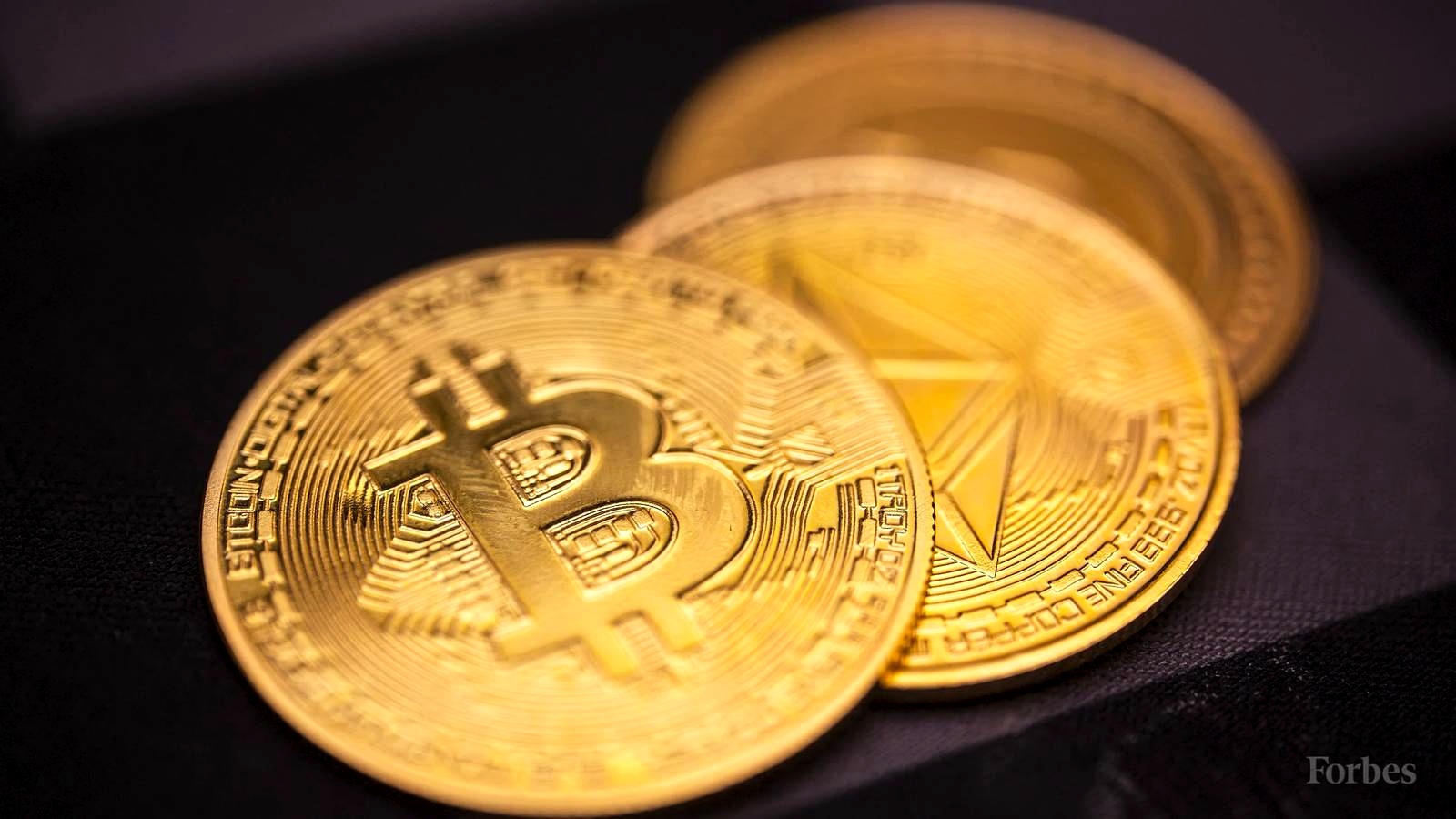
Bad actors use crypto exchanges to convert cryptocurrencies from illicit activity into regular currencies or to transfer funds anonymously. The report says this has been easier because, unlike banks, crypto exchanges have historically lacked identity verification and anti-money laundering programs.
The material also points to mixing services, which blend illicit funds with legitimate funds from multiple customers. This process can make tracing funds almost impossible.
Regulatory pressure and policy changes
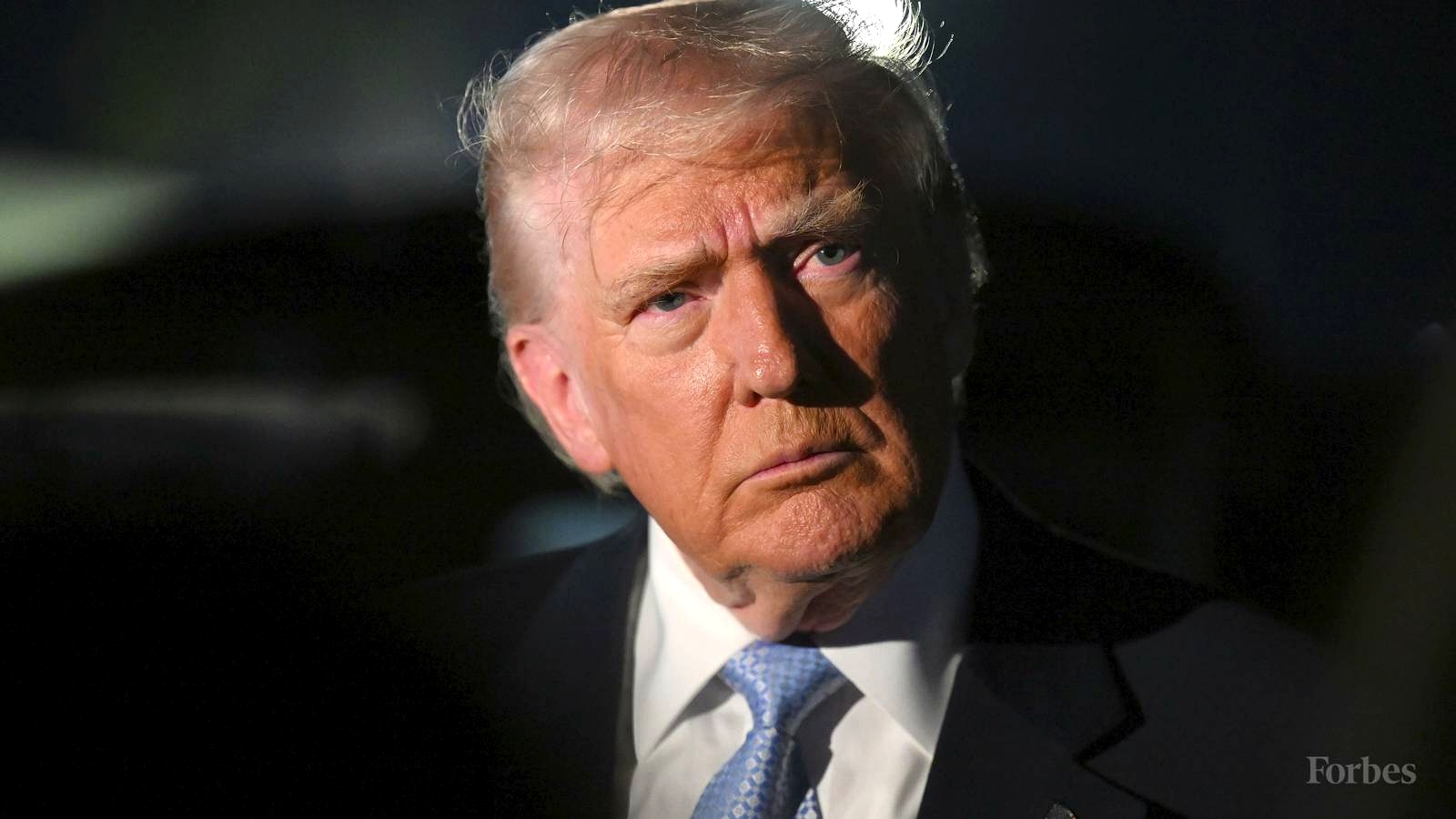
Regulators and law enforcement are now mandating anti-money laundering safeguards for exchanges. At the same time, the Trump administration has dropped or rolled back multiple high-profile cases against firms such as Binance, Ripple, Coinbase, and Robin Hood crypto.
In July, Trump signed the Genius Act, described as the first US crypto law focusing on stable coin regulation.
Former Binance CEO pardon draws attention

Former Binance CEO Shanpang Xiao pleaded guilty to fraud prevention failure and served a four-month sentence. He was later pardoned by President Trump.
Before the pardon, Xiao hired Trump-connected lawyers and lobbyists and made a multi-million dollar deal with the Trump family’s crypto venture, World Liberty Financial. President Trump later told 60 Minutes that he “doesn’t know Xiao.”
Impact on the crypto industry
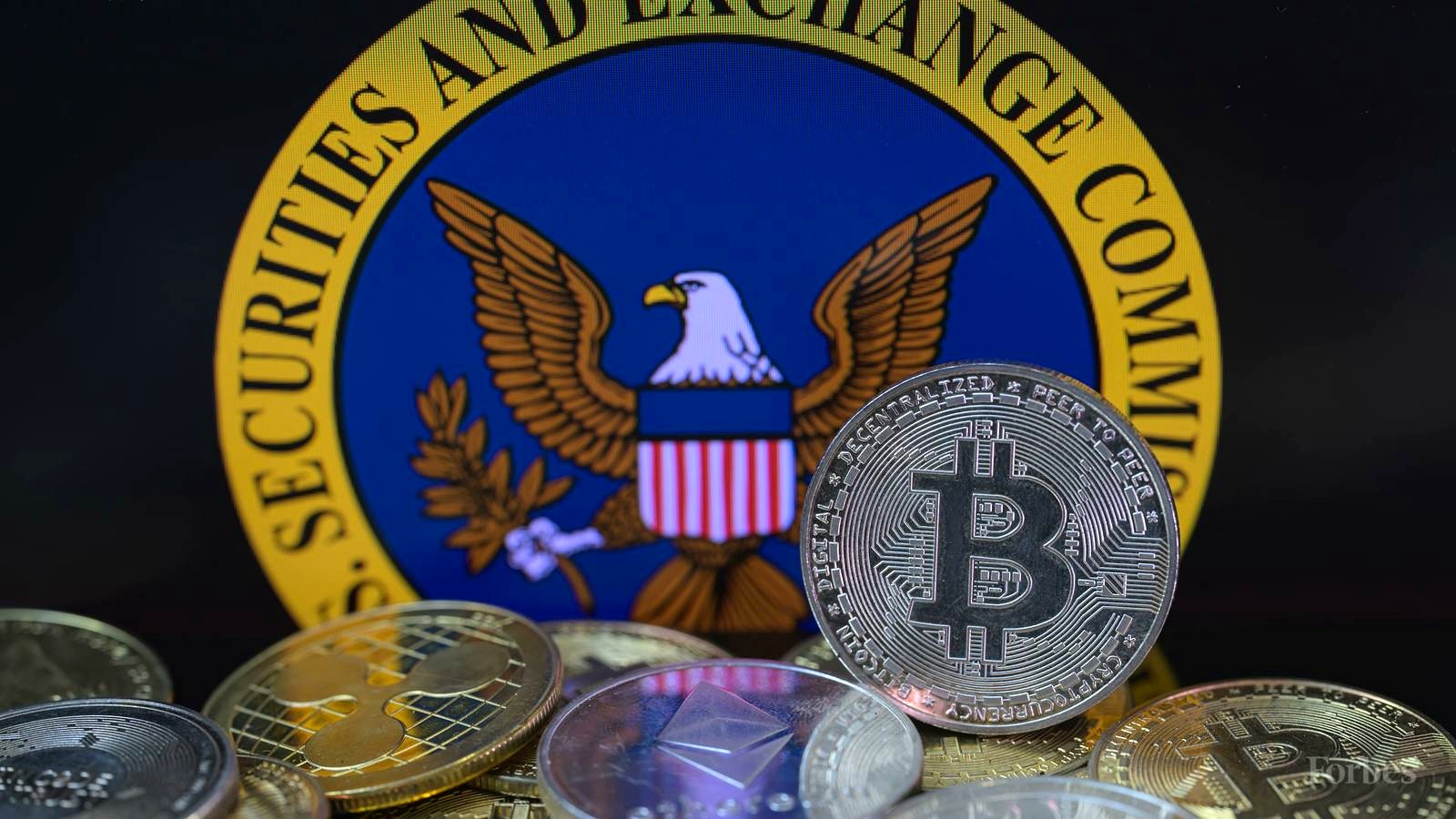
The report casts a shadow over the crypto industry at a time when it is seeking broader mainstream acceptance. The movement of funds linked to scammers, hackers, organized crime, and money laundering continues to raise questions about compliance, oversight, and enforcement across major exchanges.
FAQ
What did the investigation find about crypto exchanges?
The report found that major crypto exchanges, including Binance and OKX, earned millions in fees from transactions linked to scammers, hackers, and organized crime.
How much was transferred from the Huiwang Group to Binance?
According to the report, over $48 million in cryptocurrencies was transferred into Binance from the Huiwang Group.
What was the flow of funds from Huiwang to OKX?
The report says hundreds of millions of dollars flowed to OKX from Huiwang.
Who tracked the suspect transactions?
The International Consortium of Investigative Journalists, working with 37 media partners in 35 countries, gathered hundreds of cryptocurrency wallet addresses to track suspect transactions.
What criminal-linked entities were mentioned?
The report mentions the Huiwang Group, the Sinaloa drug cartel, North Korea cyber thieves, Russian money launderers, and large-scale scam operations.
Why are crypto exchanges used by bad actors?
They are used to convert illicit cryptocurrencies into regular currencies or to transfer funds anonymously. The report says exchanges have historically lacked identity verification and anti-money laundering programs.
What are mixing services?
They are services that blend illicit funds with legitimate funds from multiple customers, making tracing funds almost impossible.
What recent policy developments were noted?
Regulators and law enforcement are mandating anti-money laundering safeguards for exchanges, while the Trump administration has dropped or rolled back multiple high-profile cases against several crypto firms. In July, Trump also signed the Genius Act focusing on stable coin regulation.
Reference Video

John Burnell focuses on Bitcoin infrastructure, wallet security and blockchain technology. He writes educational articles explaining how Bitcoin works and how the technology evolves.