Can one of the world’s most famous investors be deeply bearish on Bitcoin and still refuse to bet against it? That tension sits at the center of Warren Buffett’s latest comments, and it is the part market watchers should pay closest attention to.
According to Becoming Berkshire, Buffett delivered one of his clearest anti-crypto statements yet: he said cryptocurrencies “will come to a bad ending, ” while also making clear he has no intention of taking either a long or short position in Bitcoin. That combination matters. It shows a high-conviction negative view on the asset class paired with an equally strong reluctance to trade something he says he does not understand.
Buffett’s blunt call on crypto
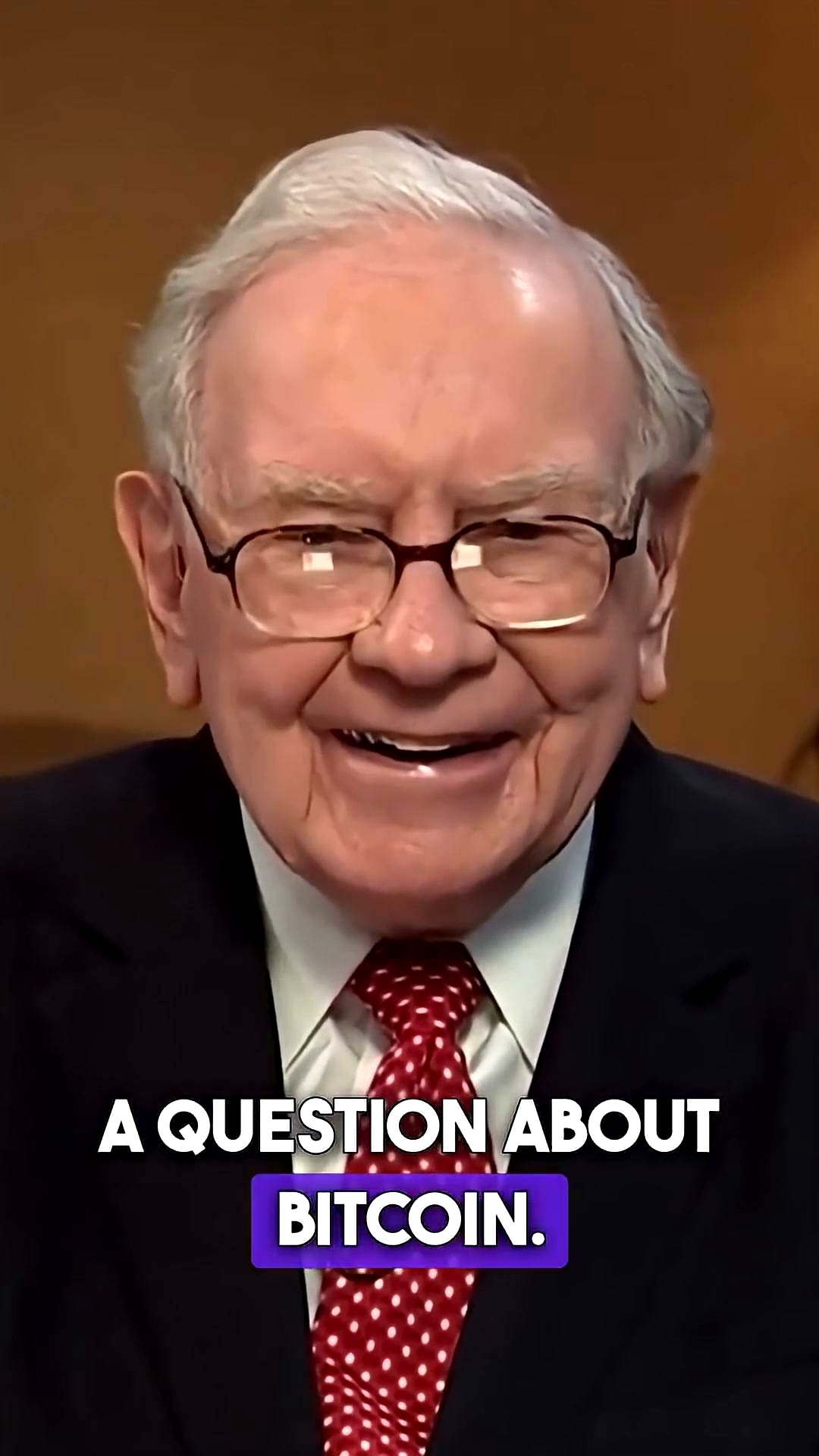
According to Becoming Berkshire, Buffett was asked whether he had reconsidered his stance on Bitcoin after JPMorgan CEO Jamie Dimon softened his own earlier “fraud” remarks. Buffett’s answer was direct. He said that, in terms of cryptocurrencies generally, he could say “almost with certainty” that they would end badly.
That is broader than a comment on Bitcoin alone. Buffett framed the issue around cryptocurrencies generally, not just BTC. He also declined to put a timetable on the outcome. He said he did not know when it would happen or how it would happen, only that he believed the ending would be negative.
The wording is notable. Buffett did not claim to know the path, but he did claim near-certainty on the destination. For Bitcoin investors, that is the strongest part of the statement: not a technical call, not a valuation model, but a categorical rejection of the long-term outcome.
Why the refusal to short matters
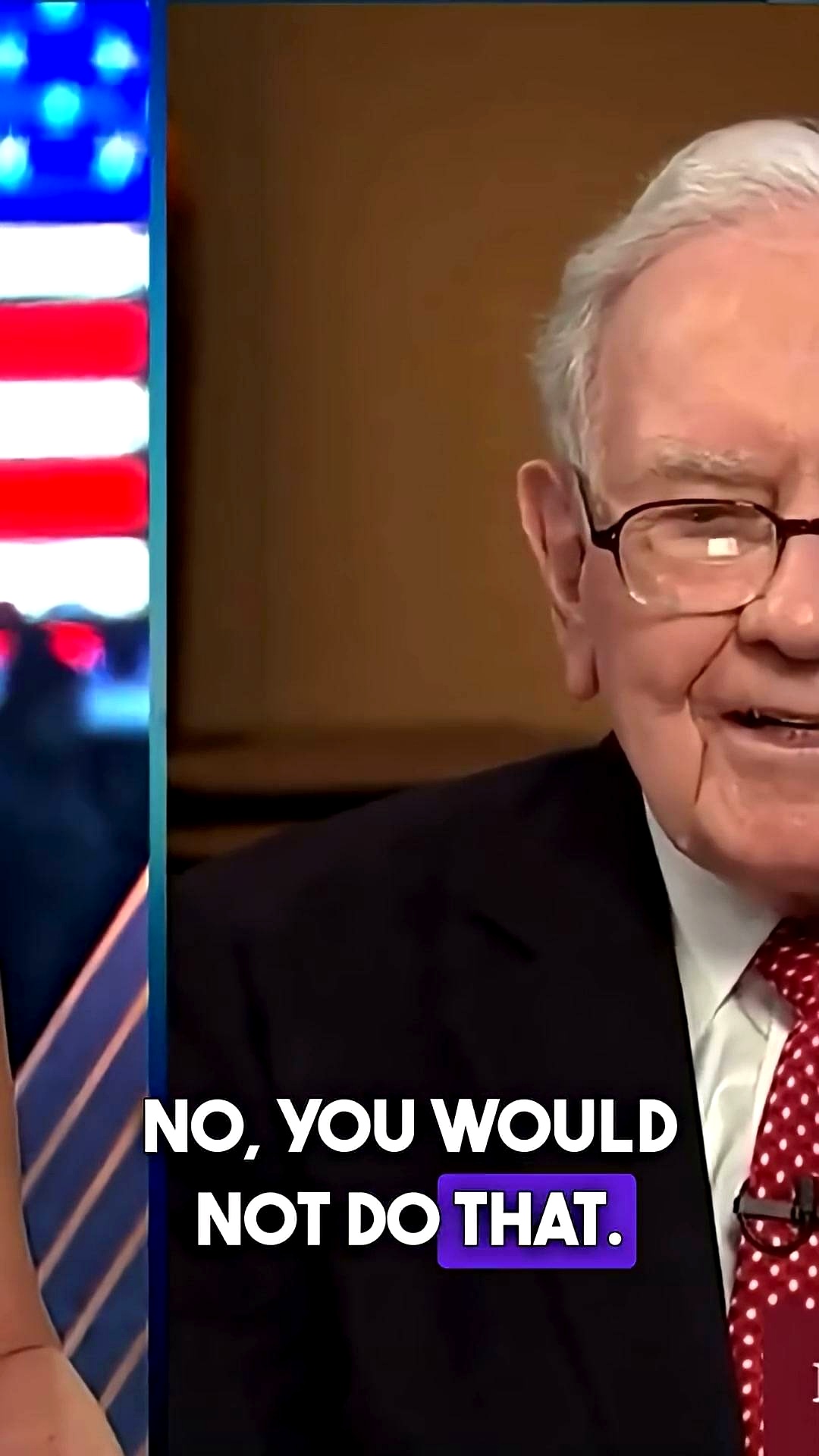
Becoming Berkshire argues that the most revealing part of Buffett’s answer was not the bearishness itself, but his refusal to act on it through the market. Asked whether he had considered using futures to take a negative position on Bitcoin, Buffett said no.
He went further. He said that if he could buy five-year puts on every cryptocurrency, he would be glad to do it. But he also said he would “never short a dime’s worth.” That distinction is important:
- He likes the idea of limited-risk downside exposure through long-dated put options.
- He rejects direct shorting, which can expose traders to open-ended losses.
- He refuses futures trading on Bitcoin despite his negative outlook.
In practical terms, Buffett is saying he sees downside in crypto, but not enough clarity or competence on the instrument to justify active trading. That fits his long-standing discipline: avoid markets where conviction exceeds understanding.
Buffett’s actual edge case: conviction without competence
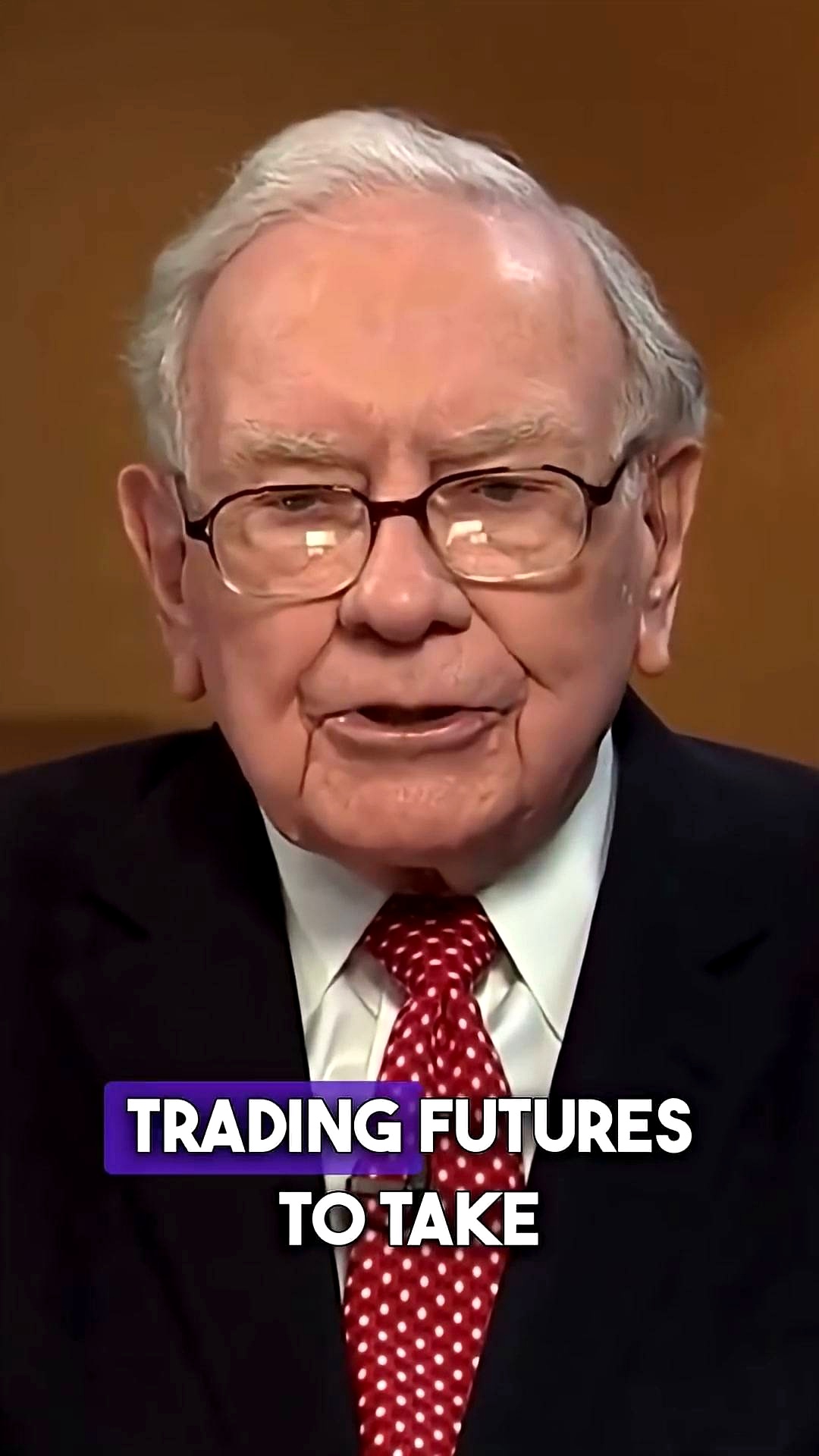
Becoming Berkshire highlights Buffett’s own explanation for staying out. He said he already gets into enough trouble with things he believes he knows something about, so he sees no reason to take a long or short position in something he says he does not know anything about.
That may be the key line for investors trying to interpret his comments. Buffett is not presenting a detailed thesis on network economics, mining, settlement, or macro liquidity. He is drawing a boundary around his circle of competence. His crypto criticism is forceful, but his capital allocation decision is conservative.
That creates an unusual split between rhetoric and action. Many market participants speak cautiously but trade aggressively. Buffett does the reverse here: he speaks with unusual certainty about a bad outcome, yet declines to monetize that view through shorting or futures.
The bank angle: no operational orders from Buffett
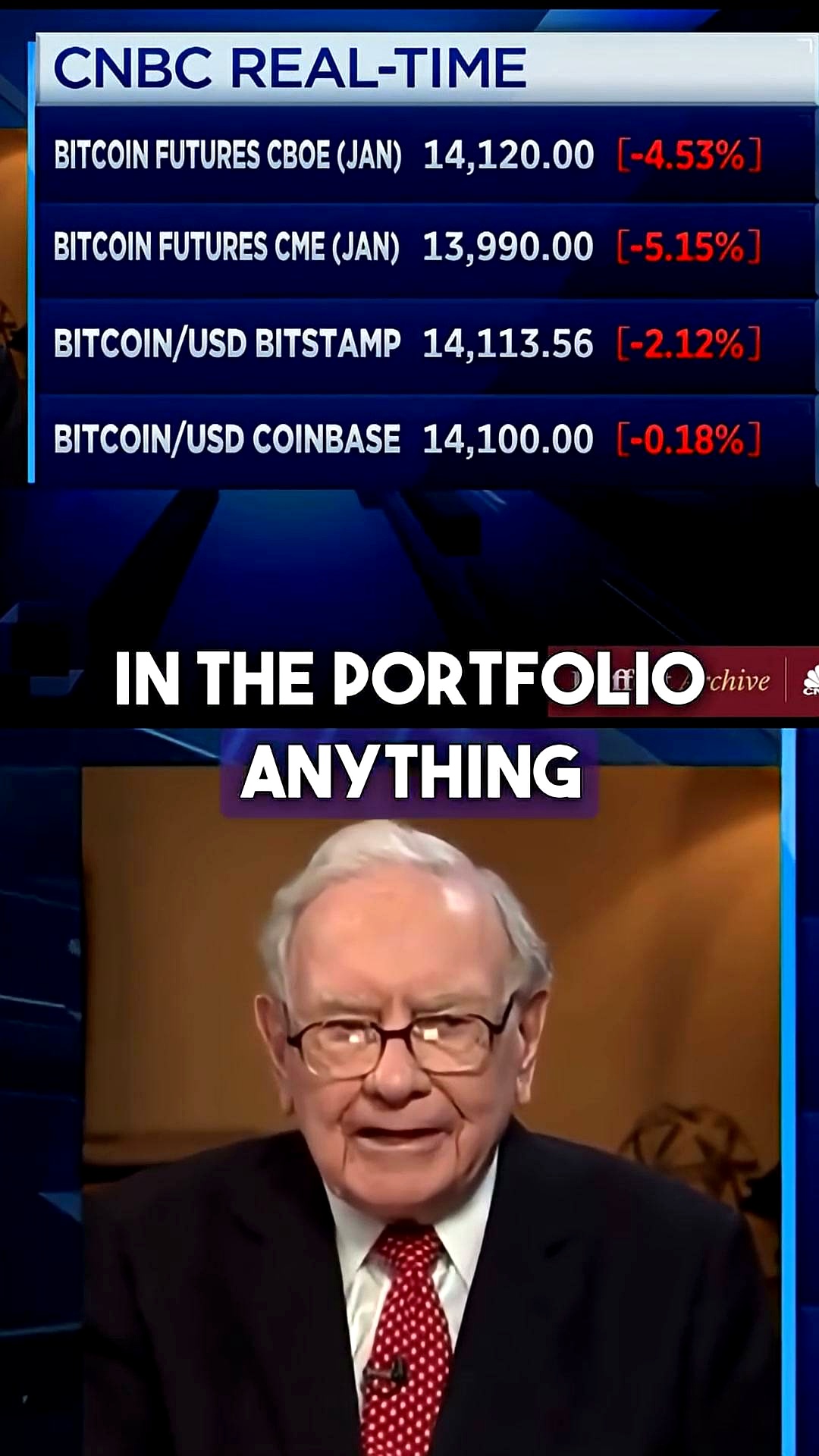
Another part of the exchange dealt with whether Buffett would object if banks in Berkshire Hathaway’s portfolio wanted to make markets in Bitcoin or build trading businesses around it. His answer was restrained. He said Berkshire does not tell the banks in its portfolio anything about their operations.
That does not amount to support for Bitcoin-related activity. But it does show that Buffett separated his personal market view from direct operational control over portfolio banks. In this exchange, he did not suggest he would intervene to block such activity.
For readers watching institutional adoption, that is a narrower and more useful takeaway than broad speculation about what Buffett “must” think banks should do. His stated position here was simply that Berkshire does not direct those operational decisions.
The numbers and time markers from the exchange
Becoming Berkshire’s clip included several concrete references that frame the discussion:
- Jamie Dimon had called Bitcoin a fraud in October.
- Buffett had described Bitcoin as a mirage in December.
- Dimon backed away from the fraud comment yesterday, prompting the question.
- Buffett said he would buy a five-year put on every cryptocurrency if he could.
- He said he would never short a dime’s worth.
No specific Bitcoin price targets were given. No percentage upside or downside forecasts were offered. Buffett’s warning was directional and philosophical, not a near-term market call.
What this means for Bitcoin watchers now
The immediate takeaway is not that Buffett has produced a tradable BTC forecast. He has not. Instead, Becoming Berkshire presents the exchange as a study in disciplined skepticism.
Buffett’s view has two parts that should not be blurred together. First, he sees cryptocurrencies as structurally headed for failure. Second, he does not believe that view alone is enough reason to put on a trade in Bitcoin. For a market that often rewards certainty theater, that second point is easy to miss.
It also means his comments should be read differently from a standard anti-Bitcoin headline. He is not calling for imminent collapse. He explicitly said he does not know when or how the bad ending would come. That leaves a wide gap between long-term opinion and short-term market behavior.
For BTC investors, the more useful question is not whether Buffett likes Bitcoin. He clearly does not. The more useful question is whether major traditional investors are willing to hold strong negative views without expressing them through capital. In Buffett’s case, the answer is yes.
What to watch next
The next thing to watch is not a Buffett trade, because he said he will not make one. Instead, watch how other institutional voices handle the same tension between skepticism and participation.
If critics of Bitcoin continue softening public language while still avoiding direct exposure, that would differ from Buffett’s stance only in tone, not in action. On the other hand, if institutions build products, market-making desks, or hedging programs around BTC while publicly criticizing it, that would mark a sharper split between narrative and business behavior.
Buffett’s exchange leaves one clean conclusion: he remains firmly against cryptocurrencies, but he is even more firmly against trading what he does not understand. For a market obsessed with conviction, that restraint may be the most durable part of the story.
FAQ
Did Buffett specifically target Bitcoin or all cryptocurrencies?
He spoke about cryptocurrencies generally. Bitcoin was part of the question, but his answer widened the scope to the entire crypto category.
Did Buffett give a timeline for when crypto could fail?
No. He said he did not know when or how the bad ending would happen. The comment was a long-term judgment, not a dated forecast.
Would Buffett ever bet against crypto?
He said he would like to own five-year puts on cryptocurrencies, which would cap risk. But he rejected shorting directly and said he would not use Bitcoin futures to take a negative position.
Did Buffett say Berkshire’s banks should stay away from Bitcoin trading?
Not in this exchange. He said Berkshire does not tell the banks in its portfolio how to run their operations. That is different from endorsing Bitcoin activity, but it is also not a directive against it.
Were any Bitcoin price levels mentioned?
No. The exchange included no BTC price targets, no support or resistance levels, and no percentage forecasts.
Source Video

An Indian crypto journalist covering the developments in the Bitcoin and blockchain industries. Her work helps readers understand key changes in the world of digital assets.