Bitcoin emerged as a new kind of digital currency during a period of severe global economic recession. From its introduction by the mysterious Satoshi Nakamoto to its rise in value by January 2025, Bitcoin has had a major impact on the financial system.
Built on blockchain technology and designed to operate without governments or banks, Bitcoin introduced a decentralized financial model. Its journey includes rapid growth, increasing popularity, and major challenges related to security, accessibility, and energy consumption.
The Origin of Bitcoin

When digital money was beginning to make its place around the world, a unique concept was introduced that aimed to change the financial system forever: cryptocurrency. Bitcoin was not created by any government or bank, but by a person or group known as Satoshi Nakamoto.
The identity of Satoshi Nakamoto remains a mystery. Whether Satoshi was an individual or a group is still unknown, but the idea introduced under that name changed the financial system around the world.
Bitcoin During the 2008 Economic Recession
In 2008, while the world was facing a severe economic recession, Satoshi Nakamoto presented the concept of a new digital currency called Bitcoin. Nakamoto published a white paper describing a new financial system that would be decentralized and free from the control of governments and banks.
Bitcoin Launch and Core Idea

Bitcoin was officially launched in 2009. For the first time, a currency became available to people without any medium between them, allowing direct transactions from person to person.
This decentralized structure became one of Bitcoin’s defining features. No authority or bank controls it, and people can transact directly with each other using Bitcoin.
How Bitcoin Works
Bitcoin is based on blockchain technology, which works like a public ledger. Every transaction is recorded on it, and no one can change those records.
This system supports transparency in transactions while maintaining a decentralized network structure.
Bitcoin Mining and Supply Limit

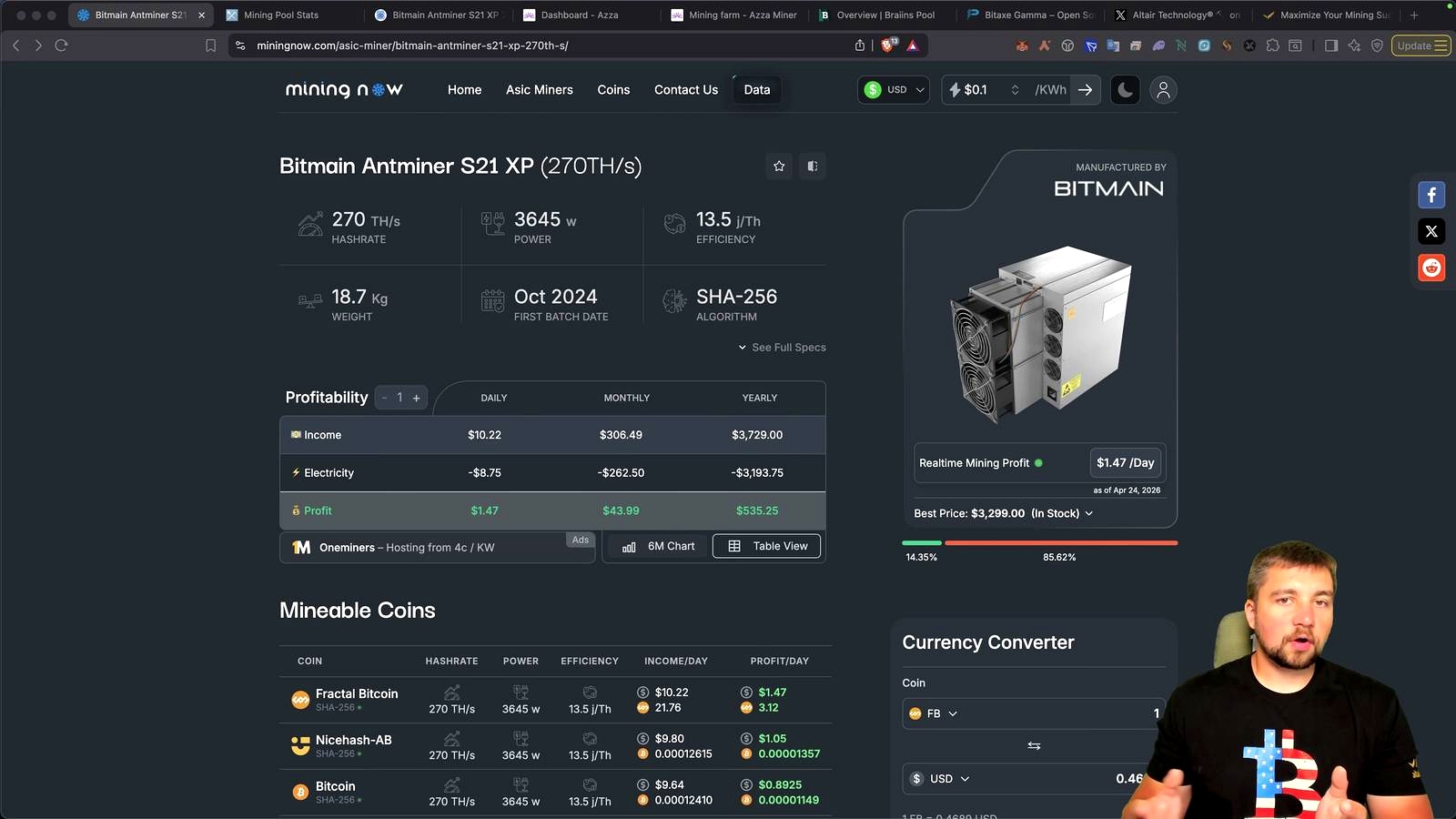
New Bitcoins are generated through a mining process. Mining is a technology that solves complex mathematical problems, also called cryptographic puzzles.
The purpose of mining is:
- To validate transactions
- To keep the network secure
- To generate new Bitcoins
The total quantity of Bitcoins in the world is limited to only 21 million. This limited supply increases its value and helps prevent inflation.
Bitcoin Price Evolution: 2009 to January 2025

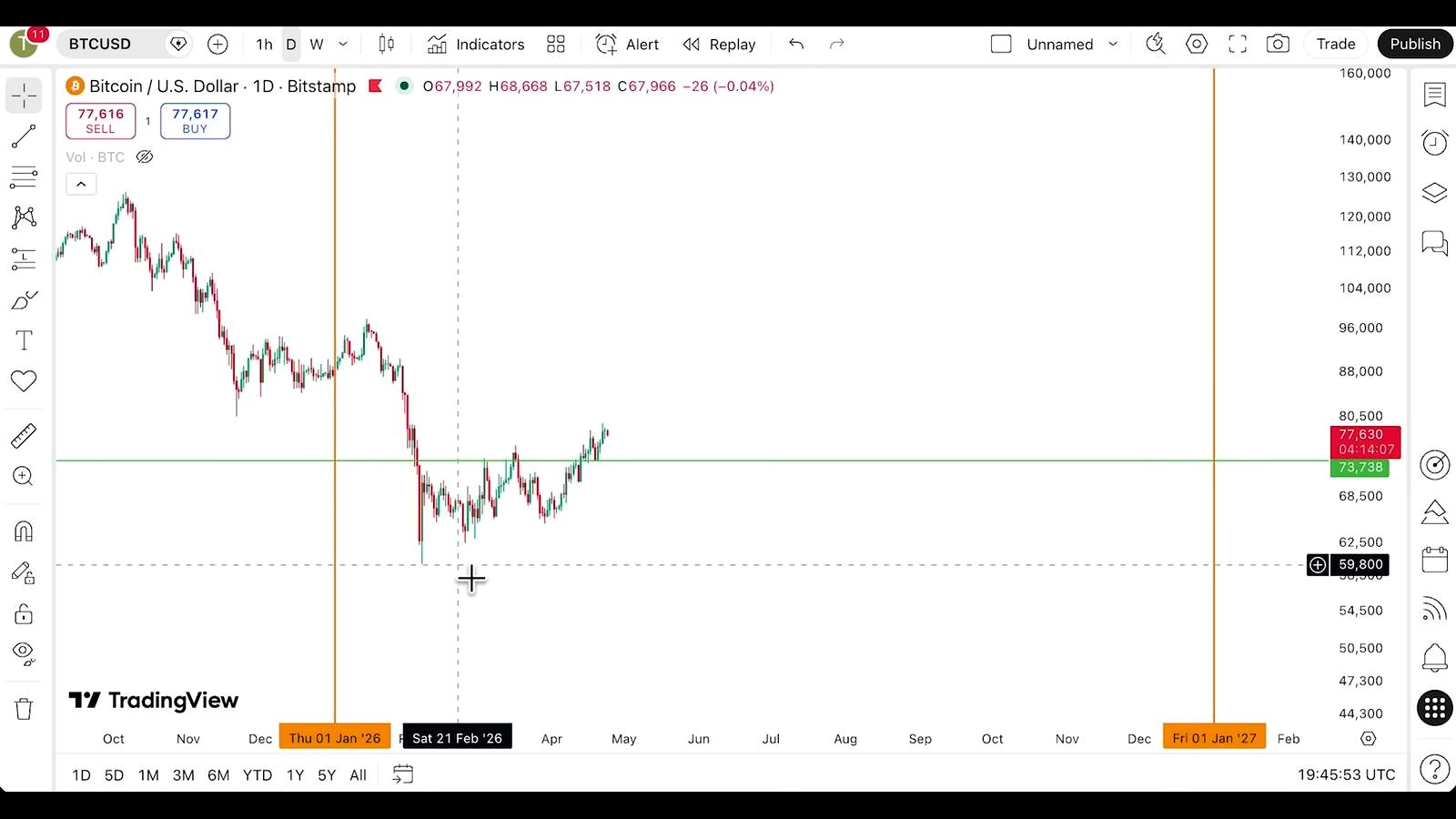
When Bitcoin was released in 2009, the price of one Bitcoin was actually ₹0. Even two years later, the price of one Bitcoin was only around ₹45 to ₹50.
By January 2025, the price of each Bitcoin had reached ₹90,59,624. This sharp rise reflects how much Bitcoin grew in popularity and value over time.
Key Price Milestones
- 2009: ₹0
- About two years later: around ₹45 to ₹50
- January 2025: ₹90,59,624
Major Challenges in Bitcoin’s Growth

As Bitcoin became popular, several challenges also emerged. A large number of people have lost the private keys of their Bitcoin wallets, resulting in losses worth crores of rupees.
According to some reports, 3 to 4 million Bitcoins out of the approximately 21 million have become inaccessible forever.
Loss of Private Keys
Private key loss has become a serious issue in the Bitcoin ecosystem. Once a wallet’s private key is lost, the Bitcoin stored in that wallet may become inaccessible permanently.
Anonymity and Illegal Use
Another challenge is the anonymity associated with cryptocurrency. Because of this, Bitcoin is used for illegal trading in the dark web.
Energy Consumption of Bitcoin Mining
Bitcoin mining consumes so much electricity that it can meet the electricity requirements of many small countries. This has become one of the significant concerns linked to Bitcoin’s functioning.
Bitcoin and the Traditional Financial System

Many countries are afraid of this new system because it presents a major challenge to the traditional financial system. Bitcoin’s decentralized nature separates it from systems controlled by banks and governments, which is why it is seen as a significant shift in finance.
FAQ
Who created Bitcoin?
Bitcoin was created by a person or group known as Satoshi Nakamoto, whose real identity remains a mystery.
When was Bitcoin introduced?
The concept of Bitcoin was presented in 2008 through a white paper, and Bitcoin was officially launched in 2009.
What makes Bitcoin different from traditional currency?
Bitcoin is decentralized, which means it is not controlled by any government or bank, and people can transact directly with each other.
What is blockchain in Bitcoin?
Blockchain is a public ledger where every Bitcoin transaction is recorded, and no one can change it.
How are new Bitcoins created?
New Bitcoins are created through mining, a process that solves complex mathematical problems called cryptographic puzzles.
What is the total supply limit of Bitcoin?
The total quantity of Bitcoin is limited to 21 million.
What was the price of Bitcoin in January 2025?
In January 2025, the price of one Bitcoin reached ₹90,59,624.
What are the main challenges associated with Bitcoin?
The main challenges include loss of private keys, inaccessible Bitcoins, use in illegal dark web trading, high electricity consumption in mining, and concerns from countries about its impact on the traditional financial system.
Reference Video

John Burnell focuses on Bitcoin infrastructure, wallet security and blockchain technology. He writes educational articles explaining how Bitcoin works and how the technology evolves.