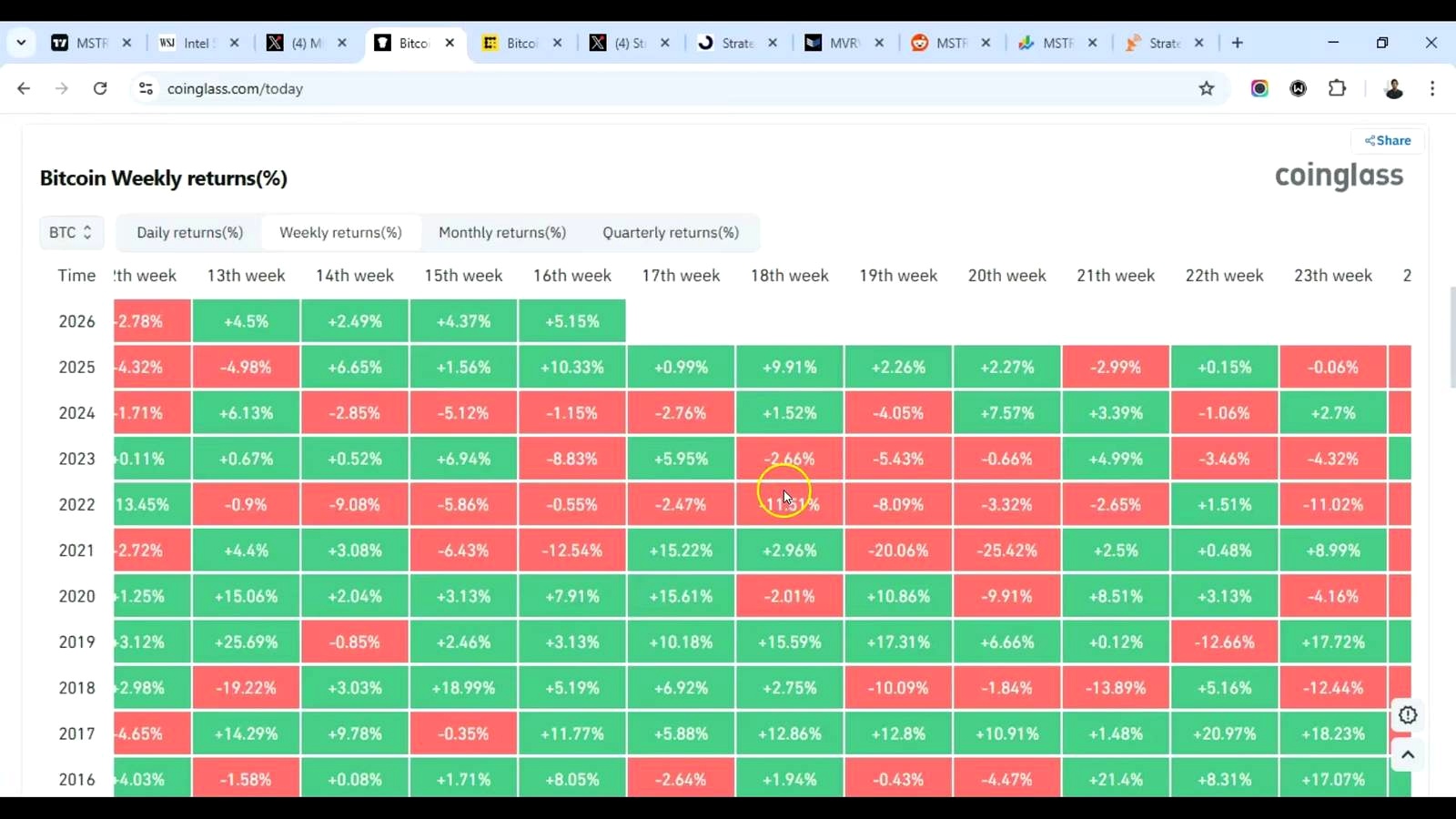
What does it really mean to “lose” Bitcoin if the company still has economic exposure but no longer holds the coins directly? That tension sits at the center of Davinci Jeremie’s latest warning, and it lands at a moment when BTC is also facing a fresh wave of market pressure.
According to Davinci Jeremie, the real lesson from GameStop’s Bitcoin move is not simply that the company took on a covered-call strategy. It is that once Bitcoin is pledged away as collateral and handed to a third party with broad rights over it, the holder gives up direct control, the one thing many Bitcoin investors prize most.
GameStop did not just change strategy, it changed custody
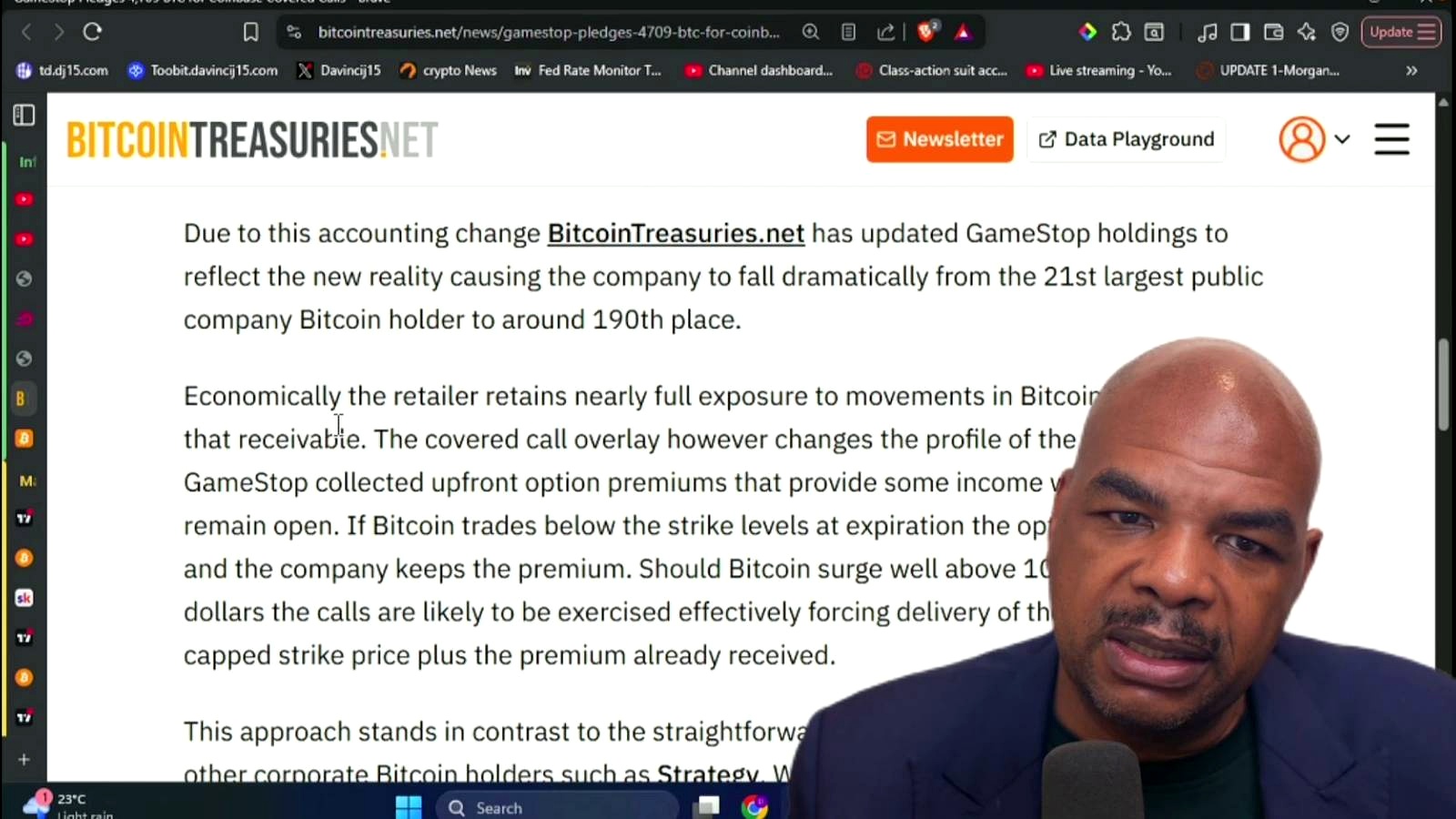
Davinci Jeremie argues that the most important detail is not the headline that GameStop “lost all their bitcoins, ” but why the coins disappeared from its balance sheet. In his reading of the reported structure, GameStop transferred nearly its entire Bitcoin position into an arrangement tied to Coinbase and a covered-call strategy, leaving the company with a receivable instead of direct Bitcoin ownership on its books.
The analyst says that distinction matters because direct custody and economic exposure are not the same thing. GameStop may still retain exposure to Bitcoin’s price through that receivable, but it no longer shows the coins as a directly held asset in the same way.
The key figures mentioned in the video were:
- 4,710 BTC originally held by GameStop
- 4,709 BTC pledged as collateral, leaving 1 BTC directly recorded
- Purchase date cited as May 2025
- Purchase value cited at roughly $500 million
- Receivable value cited at $368 million
- Strike prices for the covered calls cited in a range of $105,000 to $110,000
- Maturities running through March 2026
- Status cited as of January 2026
- Ranking change from roughly the 21st largest public company Bitcoin holder to around 1900th place
In the host’s telling, the accounting result was straightforward: once those coins were pledged under an agreement that gave Coinbase rights to rehypothecate, co-mingle, or even sell the Bitcoin, GameStop had to stop treating most of that BTC as a direct balance-sheet holding.
Why Jeremie sees this as a Bitcoin warning, not just a GameStop story
According to Davinci Jeremie, the takeaway for individual holders is simple: do not surrender custody unless you fully understand what rights you are giving away. He frames Bitcoin as an asset that should appreciate over time, which makes losing direct access especially costly.
That is why he describes custodial and collateral structures as a dangerous game. In his analogy, staying inside a failing casino and hoping to cash out before everyone else is not a reliable plan. Applied to Bitcoin, his point is that holders who rely on intermediaries may discover that legal claims, account statements, and economic exposure are weaker than actual possession.
He also questions the practical outcome if a company later wants its Bitcoin back. While he acknowledges GameStop may still have a claim tied to the receivable, he openly doubts whether the exact coins would necessarily be available when requested, especially because the agreement reportedly permits broad reuse of the pledged collateral.
The covered-call trade capped upside in exchange for income
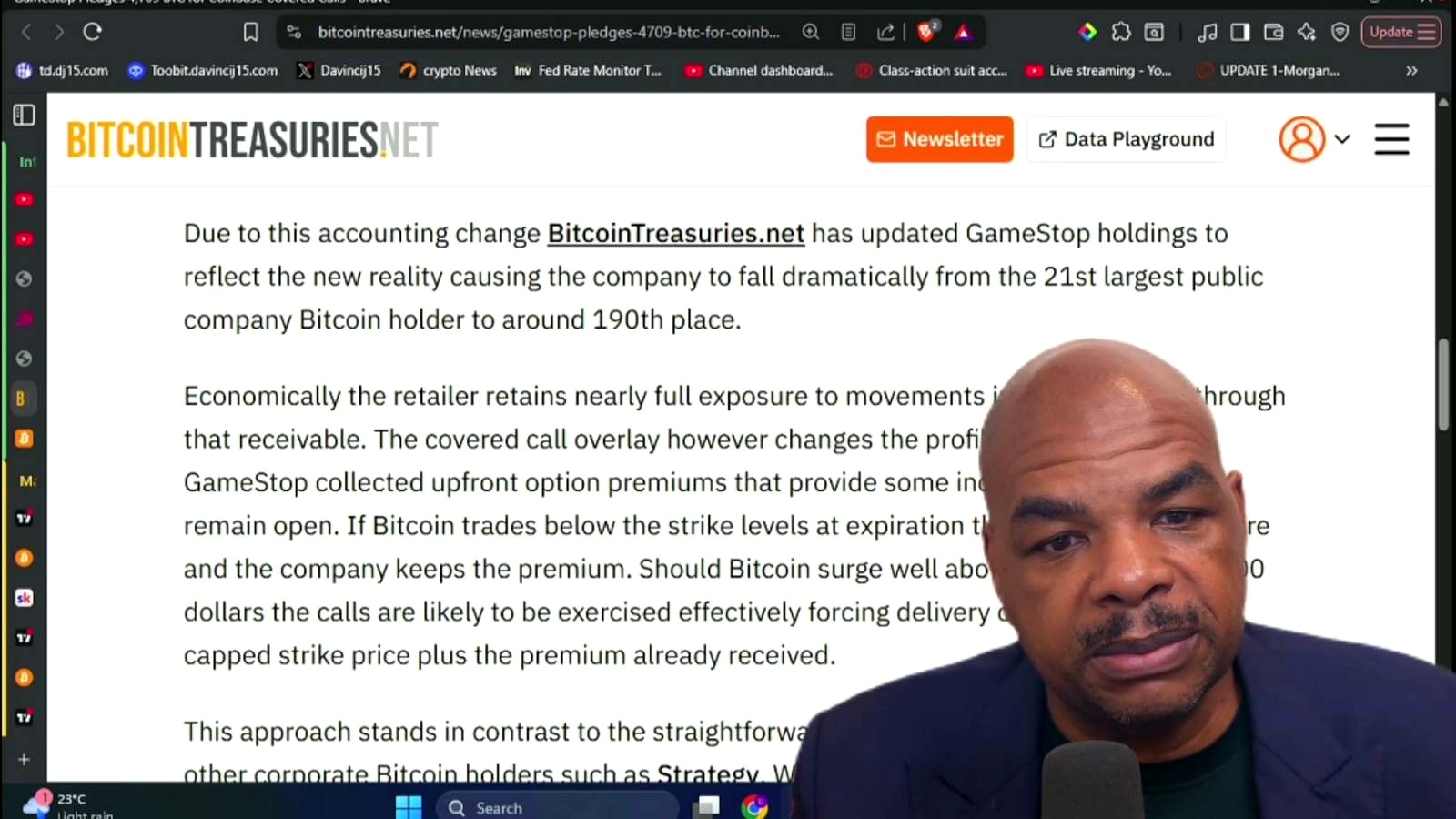
Davinci Jeremie says the structure changed the character of GameStop’s Bitcoin position. Instead of simply holding BTC for long-term upside, the company collected option premiums upfront by selling covered calls against most of the stack.
That trade-off is clear in the way he describes it. If Bitcoin stays below the strike levels by expiration, the calls expire and the company keeps the premium income. But if Bitcoin rises above the strike range, the upside gets capped because delivery is effectively forced at the agreed strike price, plus the premium already collected.
That is why the host contrasts the strategy with a plain long-term accumulation approach favored by committed Bitcoin holders. In his view, GameStop swapped clean exposure for a more complex structure that generates income but limits what shareholders can gain if BTC rallies hard.
BTC is also facing a separate market pressure point: the FTX distribution
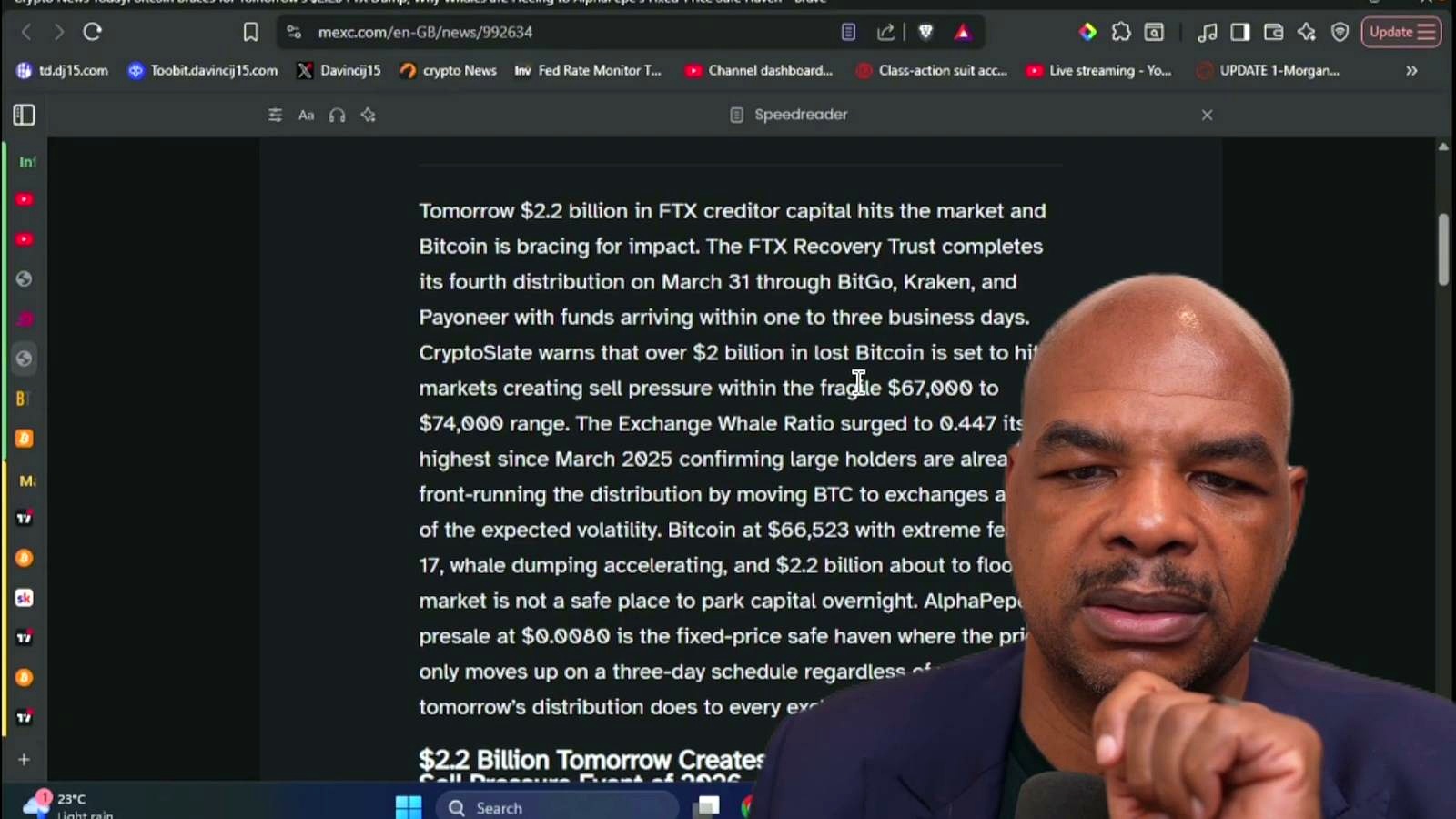
Davinci Jeremie ties the custody warning to a broader market setup that he says could make traders nervous in the near term. He points to an incoming distribution linked to FTX creditors and says Bitcoin is “bracing for impact” from new capital potentially hitting the market.
The numbers he cited were:
- $2.2 billion tied to the FTX creditor distribution
- Distribution date cited as March 31
- Funds arriving within 1 to 3 business days
- Market described as fragile around $67,000
- Exchange whale ratio at 0.47
- That ratio described as the highest since March 2025
- BTC price cited around 66,523
- Extreme fear reading cited at 17
- He also floated the possibility of whales adding another $10 billion of pressure
The analyst’s interpretation is that the market can probably absorb $2.2 billion on its own, but the bigger risk is opportunistic behavior from large holders. He says whales may try to push prices lower, trigger panic selling, and then buy back more cheaply. In that framework, the FTX-related flow becomes less important than the reaction it provokes.
At the same time, he notes there are buyers steadily dollar-cost averaging into this zone, which could limit how far any drop extends.
Jeremie’s short-term trading view on Bitcoin is cautious
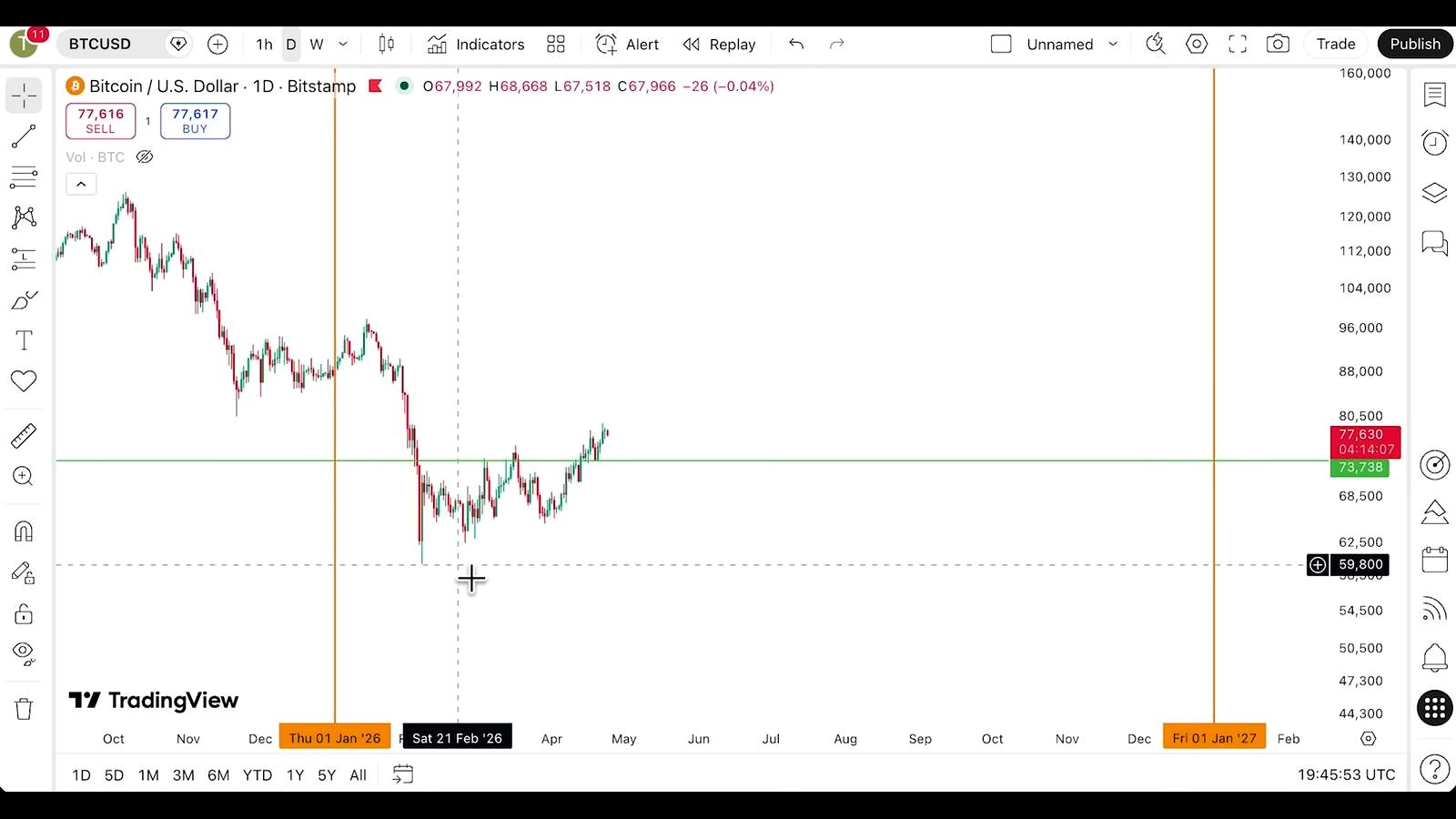
According to Davinci Jeremie, Bitcoin’s chart was sending him the same warning signs he had seen in other crypto assets he chose not to trade. He says he sees an “M” pattern on the chart and reads that as bearish.
He does not give a fresh upside target in this video. Instead, his focus is on downside risk and the possibility of a heavier breakdown. He says he is still holding his own trade because his risk was small, but his directional read is cautious.
No specific stop-loss level or detailed trade setup was given.
What to watch next
The next thing to watch is whether Bitcoin absorbs the cited $2.2 billion FTX-related distribution without a sharp drop below the mid-$66,000 to $67,000 area mentioned in the video. Just as important, investors tracking corporate Bitcoin strategies will be watching whether more public companies choose yield-enhancing structures like covered calls over straightforward self-custodied accumulation.
For Jeremie, the bigger issue is philosophical as much as financial: Bitcoin may still offer exposure when it is pledged or rehypothecated, but once direct ownership is replaced by a receivable, the holder has already given up the core protection that Bitcoin was designed to provide.
FAQ
Did GameStop sell its Bitcoin outright?
Not in the simple sense described by a spot sale. Davinci Jeremie presents it as a transfer of nearly the full BTC position into a collateral and covered-call structure, which removed most of the coins from direct balance-sheet ownership and replaced them with a receivable.
How much Bitcoin does GameStop still directly hold, according to the video?
The figure cited was 1 BTC directly recorded on the books, with 4,709 BTC pledged under the arrangement out of an original 4,710 BTC.
Why does custodial ownership matter so much here?
Because the issue is control, not just price exposure. Jeremie’s point is that if another party can rehypothecate, co-mingle, or sell the Bitcoin, the original holder may retain an economic claim while losing the certainty that comes with direct possession.
What is the near-term Bitcoin risk Jeremie is focused on?
He highlights the cited $2.2 billion FTX creditor distribution and the chance that large holders use that event to amplify fear, push prices lower, and accumulate more BTC at discounted levels.
Did the video give a clear Bitcoin price target?
No. The host mentioned market levels around $66,523 and $67,000, plus covered-call strike prices of $105,000 to $110,000, but he did not give a standalone bullish or bearish BTC price target for the next move.
Content Source

John Burnell focuses on Bitcoin infrastructure, wallet security and blockchain technology. He writes educational articles explaining how Bitcoin works and how the technology evolves.