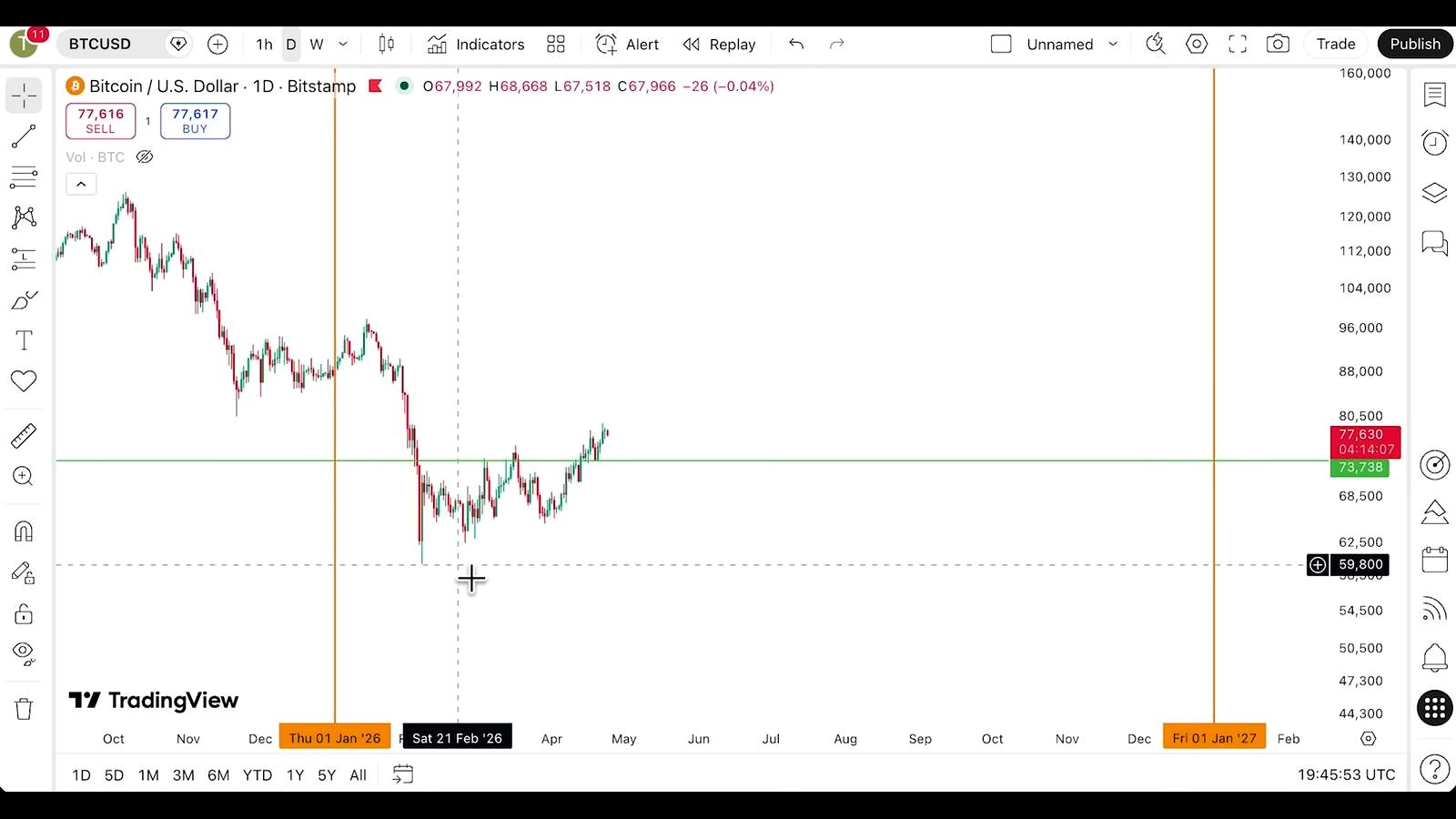
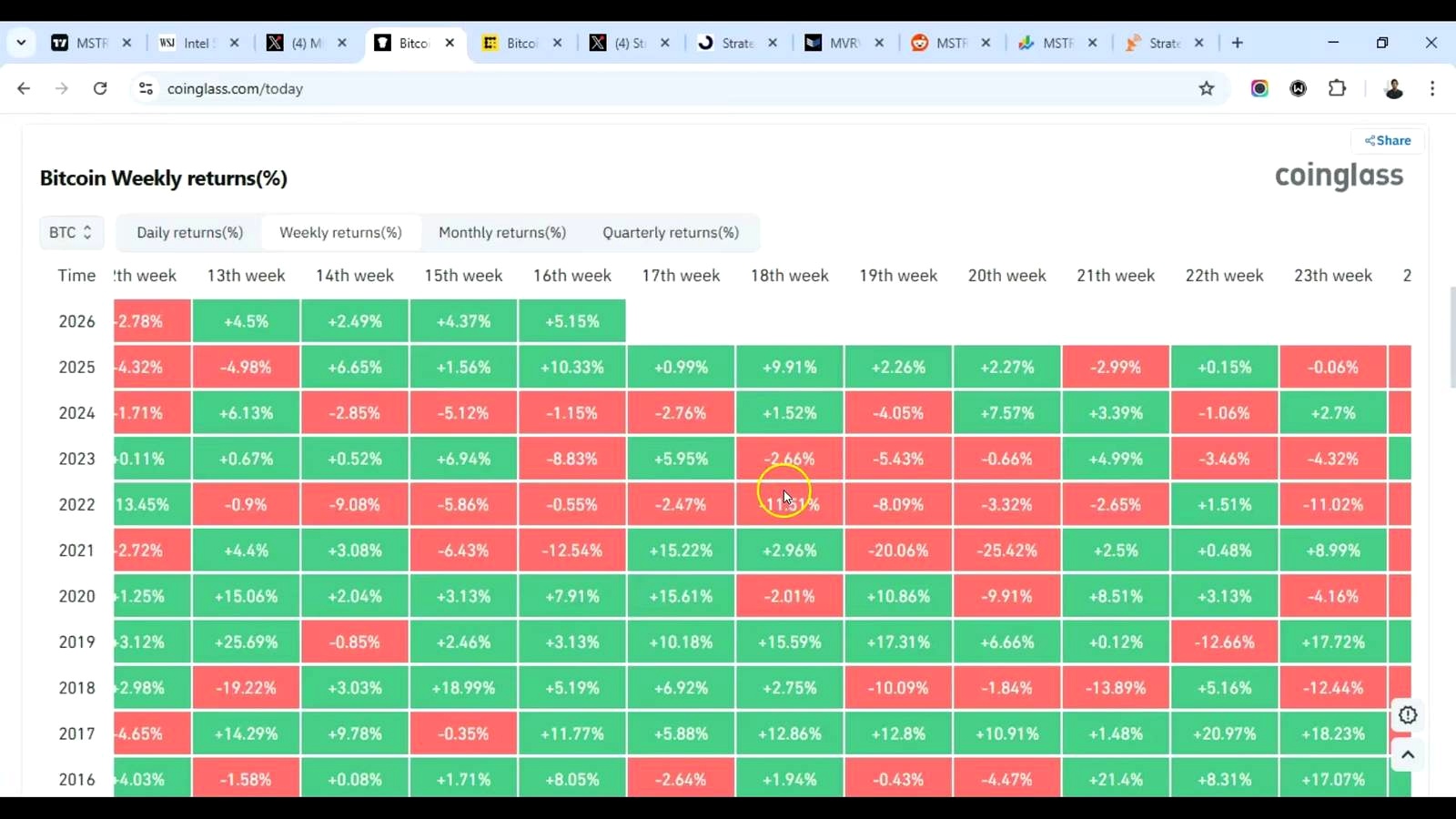
Crypto markets are splitting between geopolitical fear and institutional expansion. As Bitcoin hovers around $70,000 amid the Iran war, major financial firms including Morgan Stanley and Robinhood are pressing ahead with digital asset plans, tokenization efforts, and broader crypto infrastructure.
The contrast is stark: Bitcoin has been trading like a risk asset during the recent conflict, while traditional finance is moving more aggressively into crypto, tokenized equities, and new market structures. At the same time, stablecoins, custody, self-custody, and prediction markets are all drawing heightened attention.
Bitcoin Around $70,000 as Middle East Tensions Weigh on Risk Sentiment
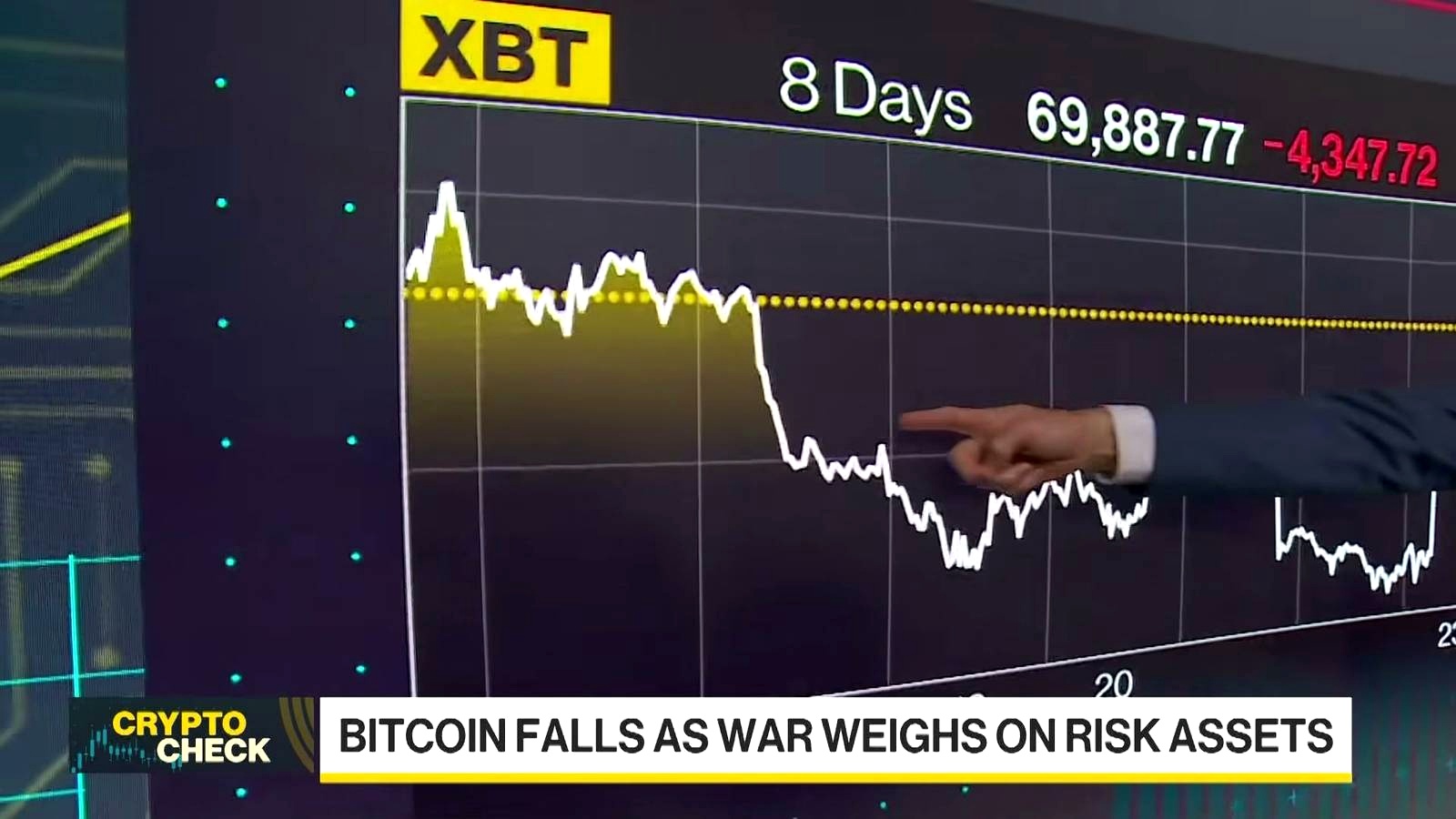
Bitcoin was trading just shy of $70,000, after peaking above $75,000 the previous week. Over the last eight days, it was down about 5% as traders reacted to geopolitical uncertainty tied to the Iran war.
Analysts said improved risk sentiment would likely depend on de-escalation in the Middle East. The recent market moves showed a familiar pattern: rallies in equities and declines in oil prices supported some buying, but the broader environment remained dominated by uncertainty.
Why Bitcoin’s price action is under pressure
- Geopolitical uncertainty has pushed markets into risk-on and risk-off swings
- Bitcoin fell alongside U.S. stocks rather than offsetting the decline
- Analysts pointed to Middle East de-escalation as key for improving sentiment
Bitcoin Is Failing Its Latest Safe-Haven Test
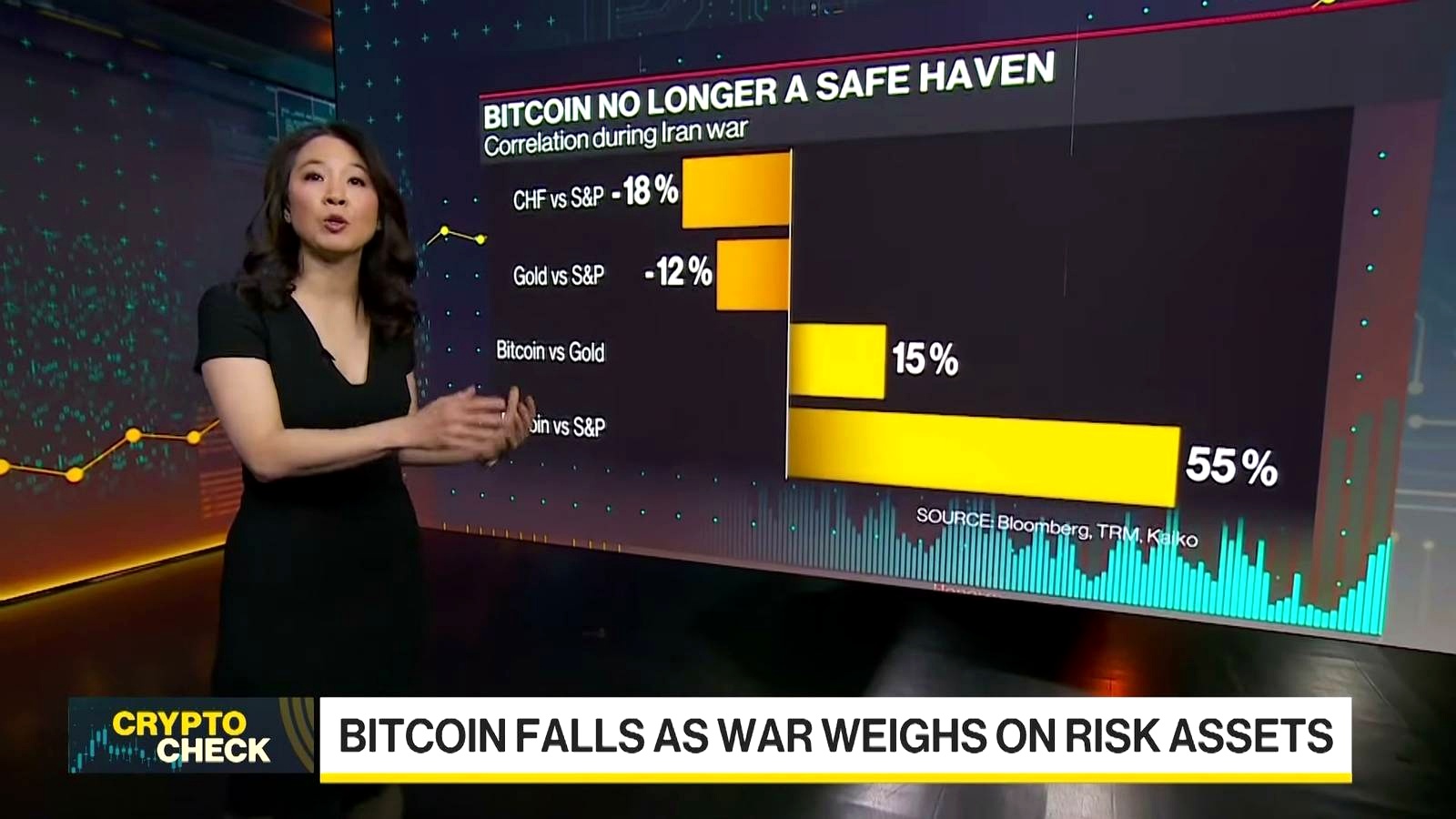
In the early days of the Iran war, there was some hope that Bitcoin could hold up better than other assets. As the conflict moved into a fourth week, that view weakened.
Market correlations showed Bitcoin maintaining a positive relationship with the S&P 500. Instead of moving inversely to stocks during stress, Bitcoin has been selling off alongside equities. That has made its latest safe-haven test look increasingly difficult.
How Bitcoin’s market role has changed
A Bloomberg Intelligence analyst said Bitcoin was viewed differently a couple of years ago, when it was more often discussed as a unit of account and store of value. Over the last 12 months, however, its correlation with the S&P 500 has increased, reinforcing the idea that it now behaves more like a risk-on or risk-off trade.
That evolution has coincided with rising institutional involvement in crypto, especially through ETFs. As Bitcoin becomes more widely held in diversified portfolios, it is increasingly sold along with other assets during risk-off moves.
- Bitcoin used to be negatively correlated with the S&P 500
- Its correlation with U.S. stocks has increased over the last year
- Institutional adoption through ETFs has changed how Bitcoin trades in portfolios
Crypto’s Role in the Iran War Is Bigger Than Bitcoin Alone
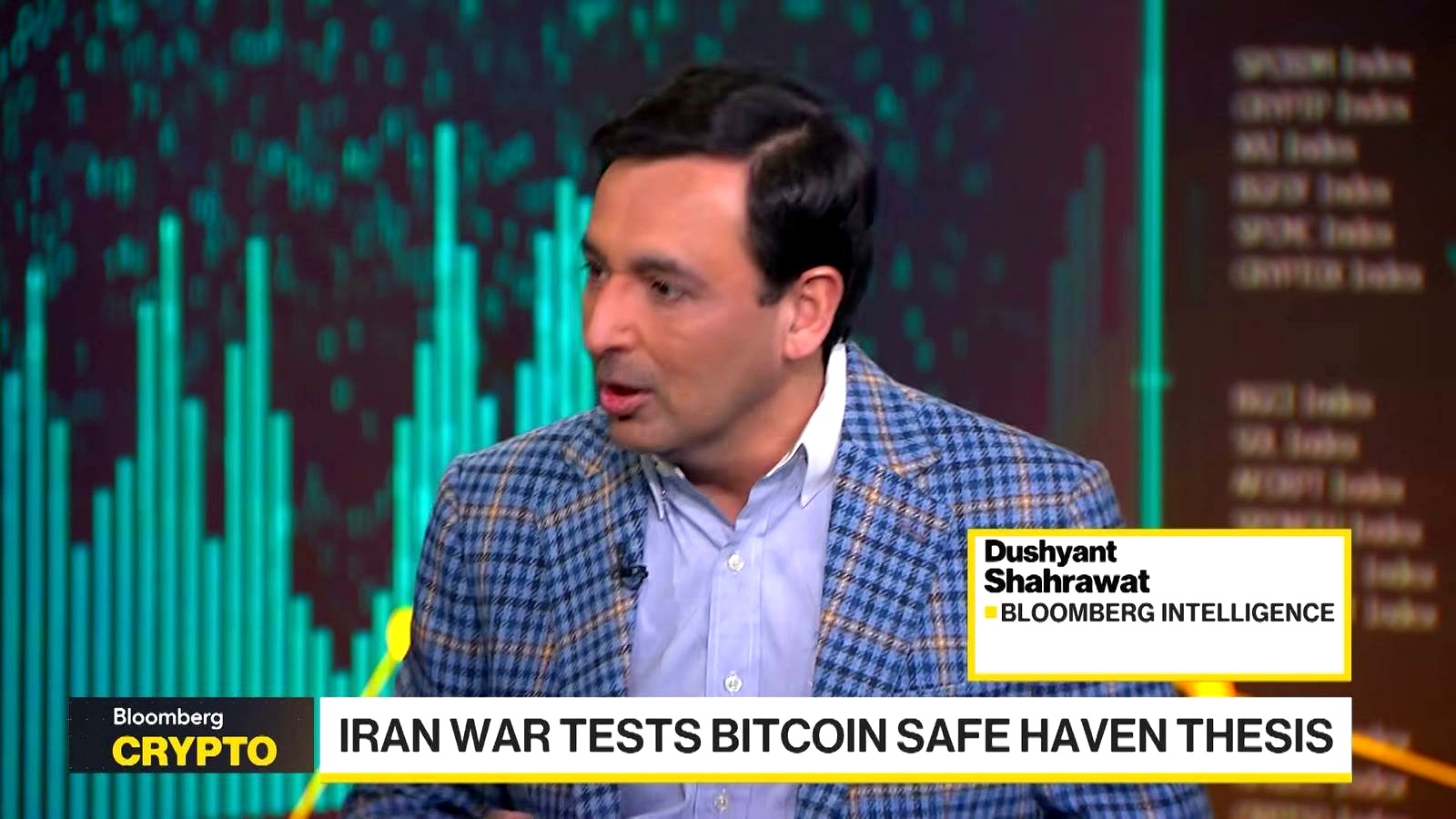
Crypto in this conflict is not only about Bitcoin and tokens. The discussion has broadened to everything on-chain, including stablecoins and the wider use of blockchain technology.
That shift reflects a wider understanding that crypto tokens were an early blockchain use case, but not the only one. Stablecoins and other on-chain tools are now part of the conversation when examining how crypto is used in wartime and under financial stress.
How countries and citizens are using crypto
According to the discussion, Iran had used Bitcoin mining over the last five years as a way to get around sanctions. Data referenced in the segment said Iran once accounted for about 6% to 8% of global mining, with nearly 70% of its miners owned by the IRGC.
Other countries such as Russia were also described as using crypto-related activity to work around sanctions. On the other side, countries caught in the conflict have shown how crypto can appear where traditional banking systems fail.
Lebanon was cited as an example of severe financial disruption, with GDP down 4% and three out of four banks closed. In that environment, Lebanese citizens were described as relying on alternative financial methods, while foreign emigrants were sending value back in Bitcoin.
Why adoption rises in stressed economies
The discussion pointed to a simple pattern: adoption tends to increase where local currencies have lost purchasing power or where war and financial breakdown have undermined traditional banking. In those situations, people hold onto crypto more readily than in places where the marginal benefit over traditional currency is lower.
Stablecoins Are Growing, but Everyday Use Still Looks Limited
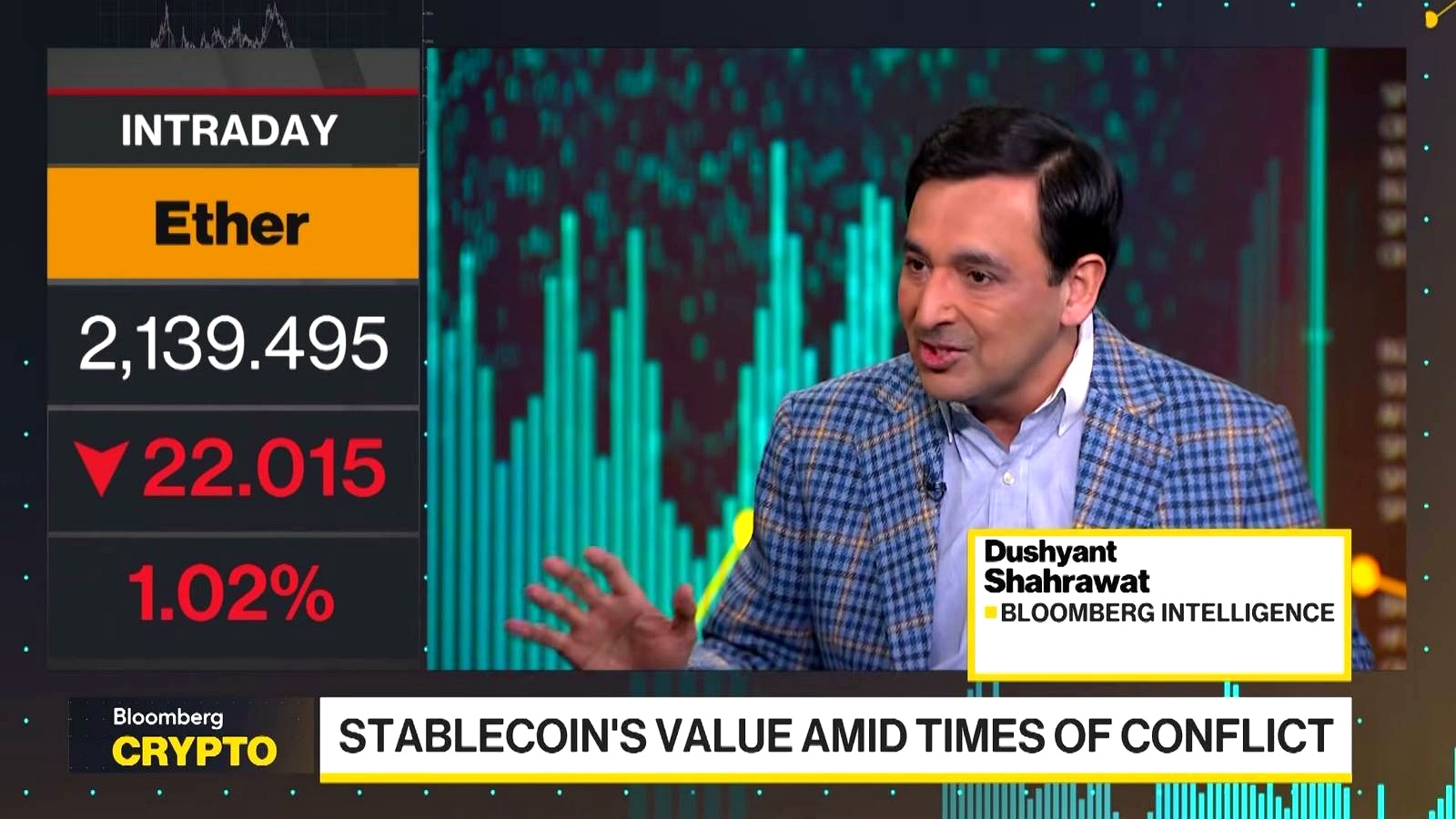
Stablecoins remain an important part of the broader crypto story, but evidence of widespread use in everyday purchases remains limited. The biggest adoption mentioned was in cross-border transfers, with deployment across hundreds of countries.
There was little sign that stablecoins were becoming the standard payment method in routine settings such as restaurants or ordinary consumer transactions. Still, the role of stablecoins in places under currency stress and in international transfers continues to stand out.
Where stablecoins appear strongest
- Cross-border transfers
- Countries facing currency weakness or financial instability
- Broader on-chain financial activity beyond Bitcoin alone
Robinhood Sees Tokenized Equities Gaining Momentum

Robinhood said tokenized equities have been gaining traction, especially in Europe. The company described strong excitement around the idea that not just a few assets, but the broader market, is increasingly moving on-chain.
In the U.S., momentum appears tied in part to clarity. Robinhood said there is still excitement and still a path forward, even as some parts of the system move more slowly.
Robinhood’s role in tokenization
Robinhood said tokenization is still in its early stages and compared the current moment to day one. The company’s focus is on removing complexity, abstracting the blockchain technology, and making it easier for customers to access stocks and other assets in tokenized form.
The company also said there is broad excitement rather than pushback, but old software and legacy digital platform infrastructure still need to be brought forward.
- More access to stocks and other assets
- Reduced complexity for customers
- More opportunities and features for on-chain token use
Prediction markets and platform overlap
Robinhood also said it does not see cannibalization between crypto and prediction markets. Instead, it sees excitement about trading different assets on the same platform.
Some customers focus only on crypto, while others use newer products such as event-based contracts. Robinhood described prediction markets as giving people additional ways to participate in markets and said personalization will be important as the platform expands across equities, crypto, banking, and other assets.
Morgan Stanley Is Accelerating Its Digital Asset Strategy
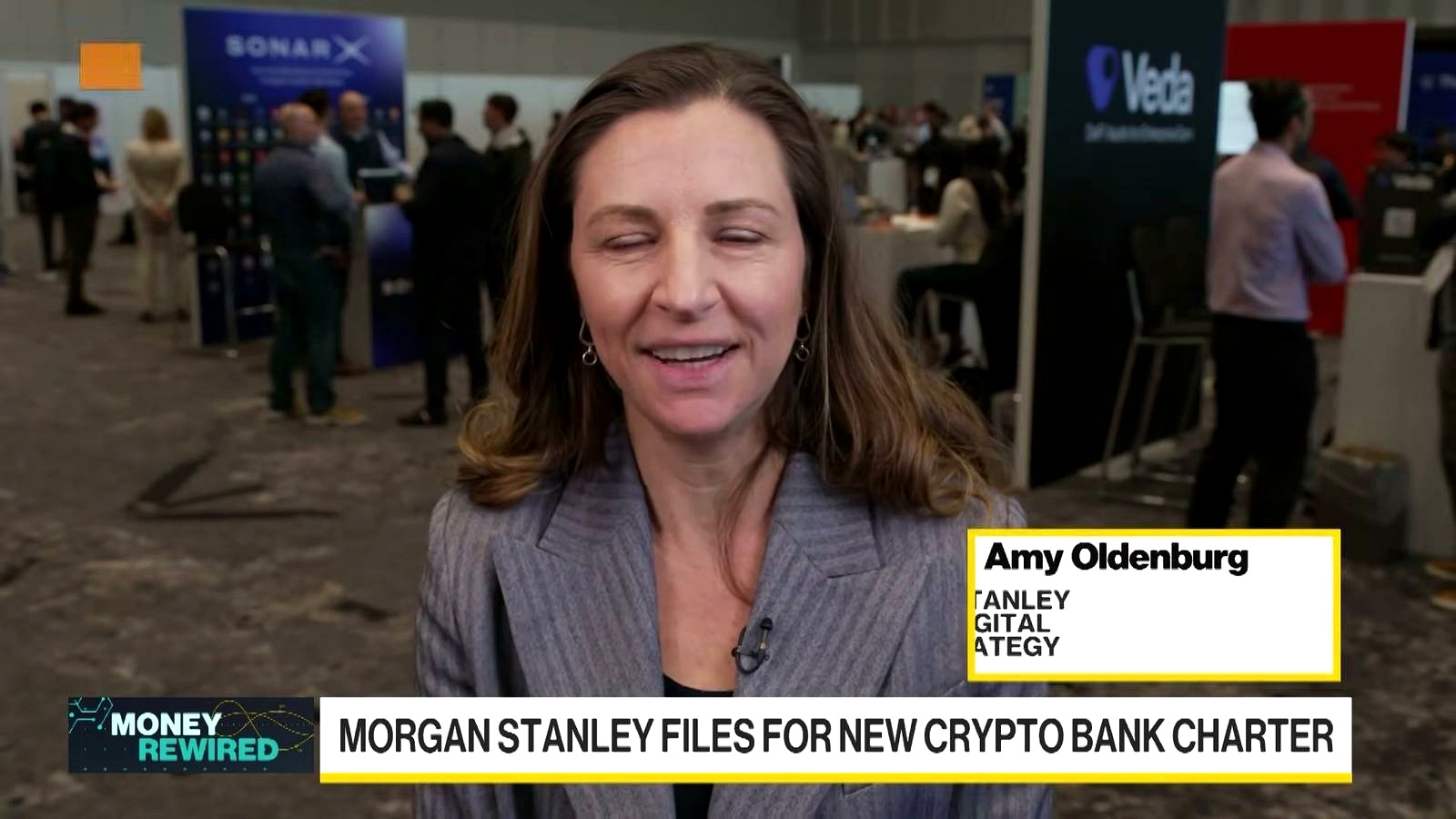
Morgan Stanley recently applied for a charter that would allow it to custody digital assets. The bank’s head of digital asset strategy said the move is part of a continued extension of the firm’s innovation work and reflects the need to operate under the current regulatory environment while keeping traditional and digital assets properly segregated.
The bank said regulatory conditions have been changing rapidly, with new outputs appearing frequently. That has made flexibility and speed central to its strategy.
What is driving Morgan Stanley’s crypto push
The decision was described as coming from both top-down strategy and client demand. Morgan Stanley said it has been working on blockchain and digital asset infrastructure for many years, but changes in the regulatory environment in 2025 accelerated momentum across the firm.
Rather than focusing on just one new product, the bank said it is looking at how digital assets affect every business line and where new revenue opportunities can emerge.
Key initiatives Morgan Stanley highlighted
- Application for a charter to custody digital assets
- Crypto trading on the E*Trade side
- Institutional securities initiatives
- Support for tokenized equities through its dark pool source trajectory crossed by the end of 2026
Bitcoin ETF plans and client demand
Morgan Stanley also filed for a Bitcoin ETF under the ticker MSBT. While the bank did not provide many details ahead of effectiveness, it said there is still more to do on the ETP side.
The bank said activity has largely been coming through self-directed business on the wealth channel and intermediary platforms. It also pointed to growing interest from long-term spot Bitcoin and crypto holders who want to move assets into traditional finance channels to access additional services.
One important development highlighted was the SEC allowing in-kind transfers into ETPs. Morgan Stanley said that could support a broader shift in which crypto holders move assets into ETP structures while using more traditional financial services around that wealth.
Tokenization Is Expanding Across Asset Classes
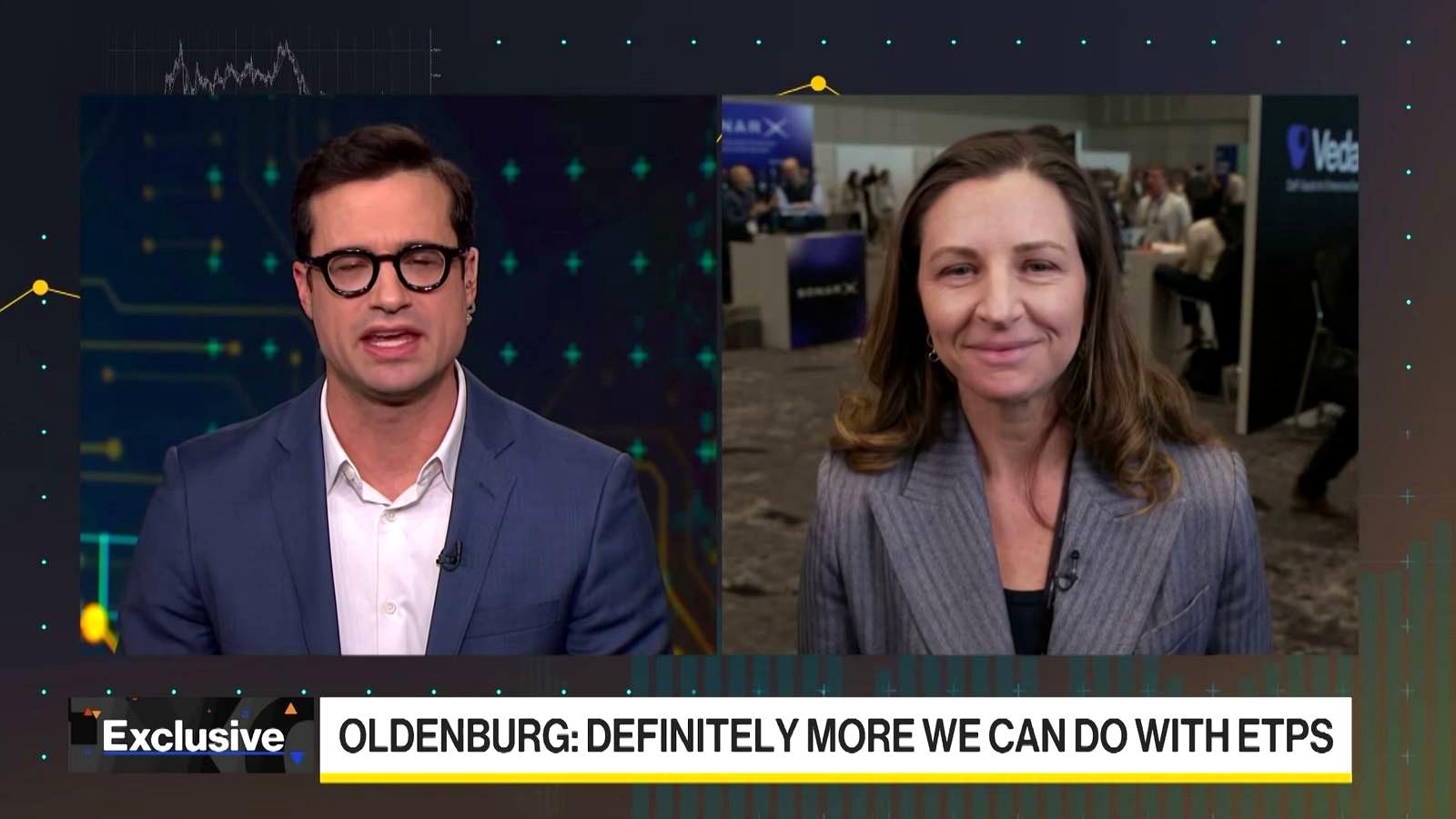
Morgan Stanley said its view on tokenization has expanded across equities, bonds, structured notes, and private assets. The focus is on learning what the technology can do, creating more efficient markets, and improving the client experience.
The bank said it had already been actively involved in tokenized equities and participated in the tokenization of the Figure secondary a few weeks earlier. That activity is already live within its institutional securities business.
Where tokenization may move fastest
The firm said the industry has shifted back and forth between private assets and equities over the past few years. For now, equities are already active, while other projects in additional asset classes are expected later in the year.
Ledger Expands in New York as Crypto and AI Trends Converge

Paris-based Ledger completed a $50 million secondary share sale and opened a new office in New York City. The company said the move reflects both maturity and the importance of New York as a financial center for two major trends: cryptocurrency and AI as a way for agents to move value.
Ledger described itself not only as a hardware company but as a solution company combining hardware and software to provide services to both consumer and enterprise clients. It said 50% of revenue now comes from software.
IPO talk remains open, but not confirmed
Ledger’s CEO said the company has no immediate plans to go public, though going public in the U.S. was described as a strong possibility if the company chooses that route. He said Ledger is well-funded, profitable, and focused on building the best possible company.
The U.S. was described as Ledger’s number one market, and New York was framed as a must for the company’s growth.
Why the Spurs sponsorship matters
Ledger also pointed to its San Antonio Spurs sponsorship as a way to stay top of mind across crypto market cycles. The company said brand recognition remained high with the Spurs partnership whether the market was high or low, helping it stay countercyclical.
Self-Custody, Security, and the Push for Digital Private Property
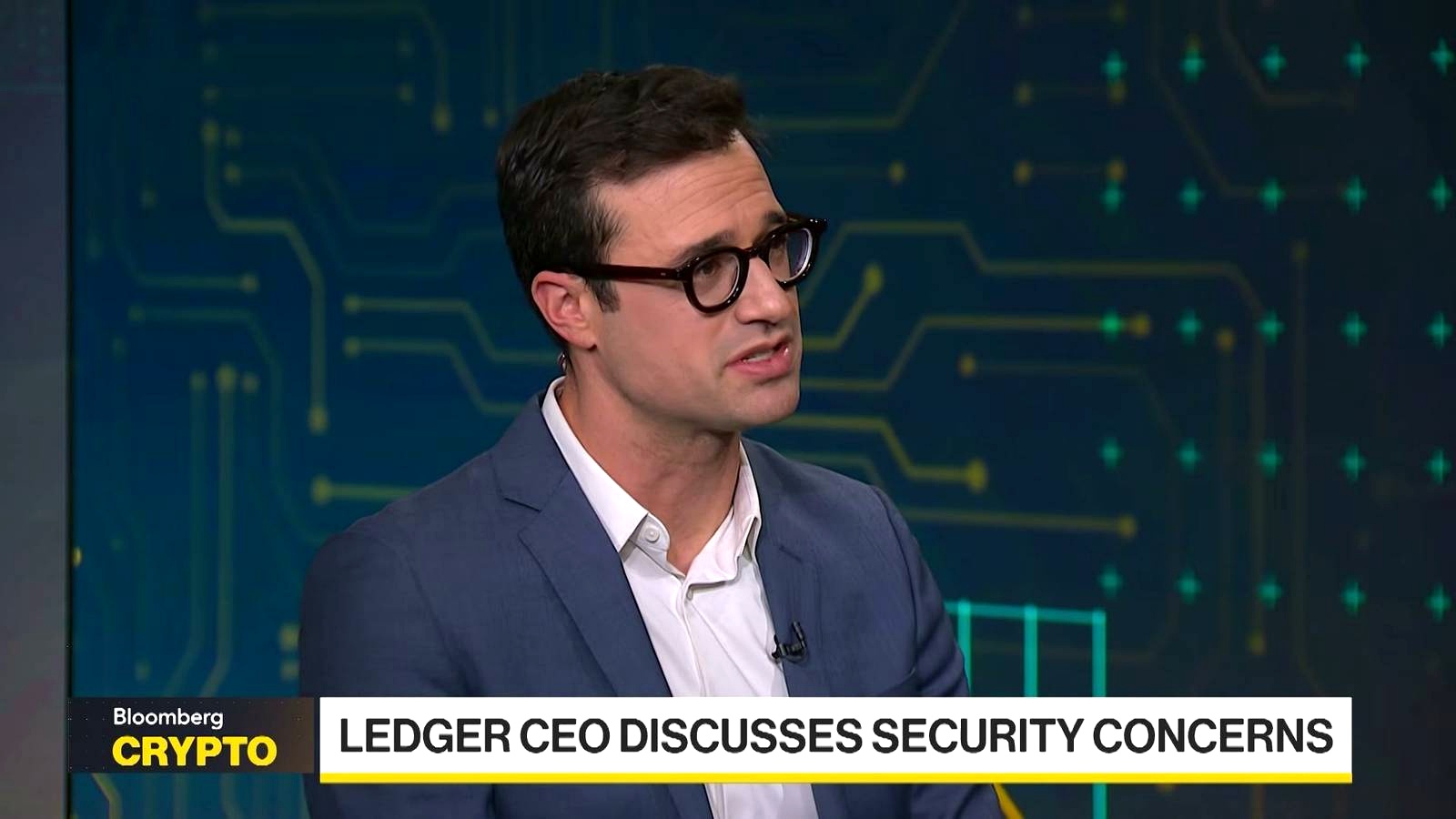
Ledger’s CEO said the company’s core offering is the ability to hold digital private property. He argued that private property is central to freedom and that removing the ability to own assets directly takes away a fundamental freedom.
At the same time, he acknowledged that there is no perfect security model. Entrusting assets to another party does not guarantee safety, and holding assets directly does not eliminate risk. The key point was that security must remain a constant concern regardless of custody model.
The core debate around custody
- Third-party custody does not remove risk
- Self-custody also carries security responsibilities
- Digital property ownership remains an important long-term issue
Prediction Markets Face Legal Pressure as Interest Surges
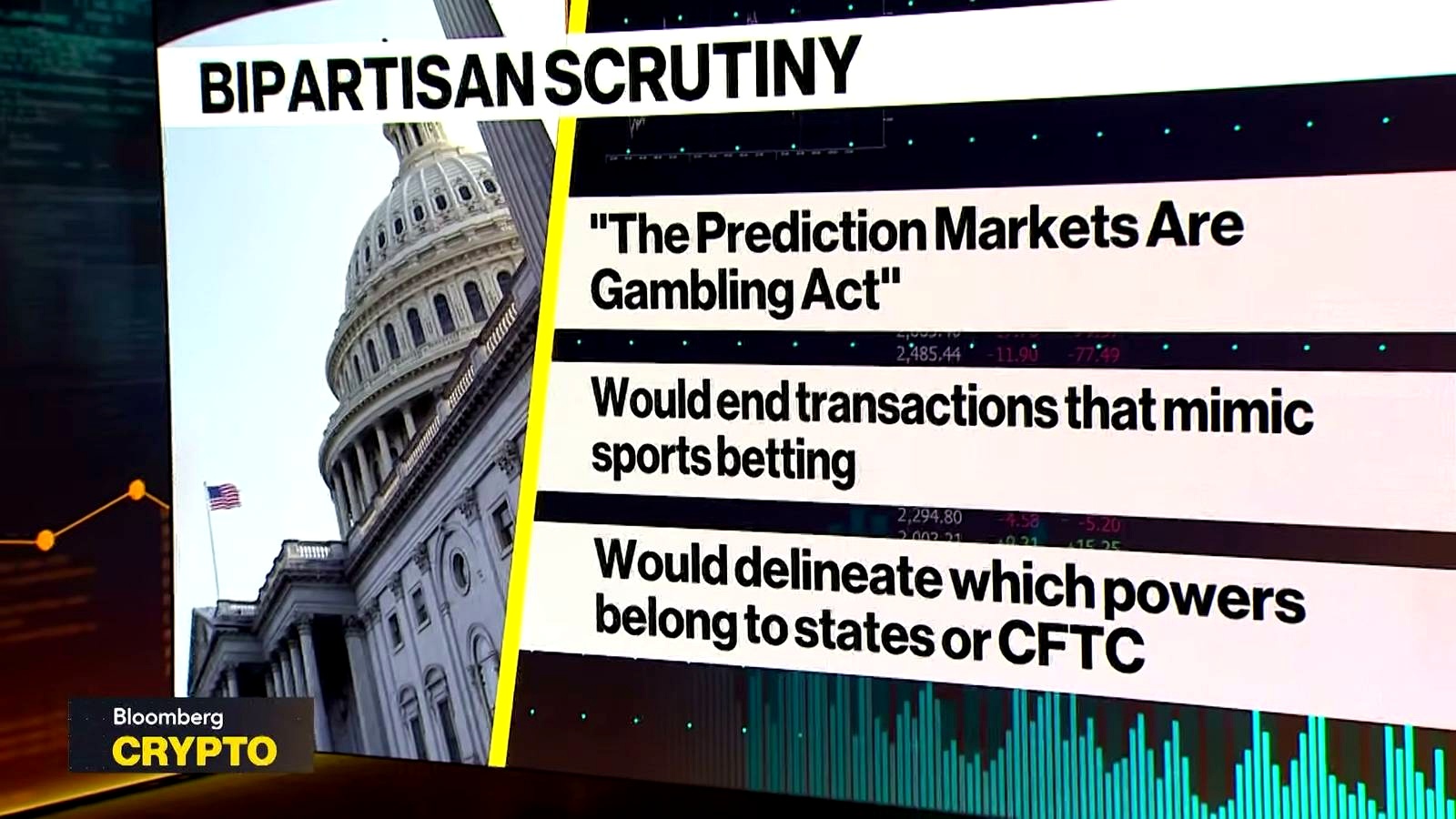
Prediction markets are drawing growing attention from platforms, investors, traders, and regulators. That surge is coming with legal and political resistance.
Kalshi’s co-founder said criminal charges brought by the Arizona attorney general were baseless and designed to attack the broader prediction market business model. He argued that something looking like gambling does not necessarily make it gambling.
Washington scrutiny is intensifying
A new bill introduced in the U.S. Senate seeks to ban prediction markets from allowing transactions that mimic sports betting. At the same time, criticism of the bill argued that banning these products would only push activity elsewhere and would not protect consumers.
Reporting in Washington suggested the legal battle is likely headed toward the Supreme Court. With around a dozen cases across multiple states and additional litigation from Indian tribes, conflicting rulings are increasing the chances that the high court will eventually decide the issue.
New funding and insider trading concerns
A new fund called Five CC Capital is focused on the prediction market space, including infrastructure and data aggregators. The fund has backing from a range of crypto and prediction market figures, including leaders tied to both Kalshi and Polymarket.
At the same time, insider trading concerns are rising. Platforms have said they are tightening know-your-customer systems and other controls to stop users from trading on contracts where they may have an unfair informational edge. That issue has become a major focus as scrutiny rises in Washington and among traders themselves.
FAQ
Why is Bitcoin trading near $70,000?
Bitcoin was hovering around $70,000 as traders reacted to geopolitical uncertainty tied to the Iran war. It had previously climbed above $75,000 before losing ground over the following eight days.
Is Bitcoin acting like a safe-haven asset during the conflict?
The recent market action suggested it is not. Bitcoin has shown a positive correlation with the S&P 500 and has been selling off alongside U.S. stocks instead of offsetting their declines.
How is crypto being used in the Middle East conflict?
The discussion highlighted several uses, including Bitcoin mining to get around sanctions in Iran and remittance-style transfers in places where traditional banking systems are breaking down, such as Lebanon.
Are stablecoins being widely used for everyday payments?
Not broadly, based on the discussion. The biggest adoption mentioned was in cross-border transfers rather than routine consumer purchases.
What is Robinhood doing with tokenization?
Robinhood said it is focused on making tokenized equities and other tokenized assets easier for customers to access by removing blockchain complexity and expanding on-chain opportunities.
What is Morgan Stanley planning in crypto?
Morgan Stanley has applied for a charter to custody digital assets, is advancing crypto trading and institutional initiatives, filed for a Bitcoin ETF under the ticker MSBT, and plans to support tokenized equities by the end of 2026.
Which asset classes is Morgan Stanley considering for tokenization?
The bank said it is examining equities, bonds, structured notes, and private assets to determine where tokenization can create more efficient markets and a better client experience.
Why did Ledger open a New York office?
Ledger said New York is the financial epicenter of both the cryptocurrency trend and the AI trend, and that being there is important as it builds services for the future of finance.
Is Ledger planning an IPO?
Ledger said it has no immediate plan to go public, but described a U.S. listing as a strong possibility if it chooses that path in the future.
Why are prediction markets under pressure?
Prediction markets are facing criminal charges, proposed federal legislation, state lawsuits, tribal litigation, and scrutiny over insider trading and market fairness.
Original Video

John Burnell focuses on Bitcoin infrastructure, wallet security and blockchain technology. He writes educational articles explaining how Bitcoin works and how the technology evolves.