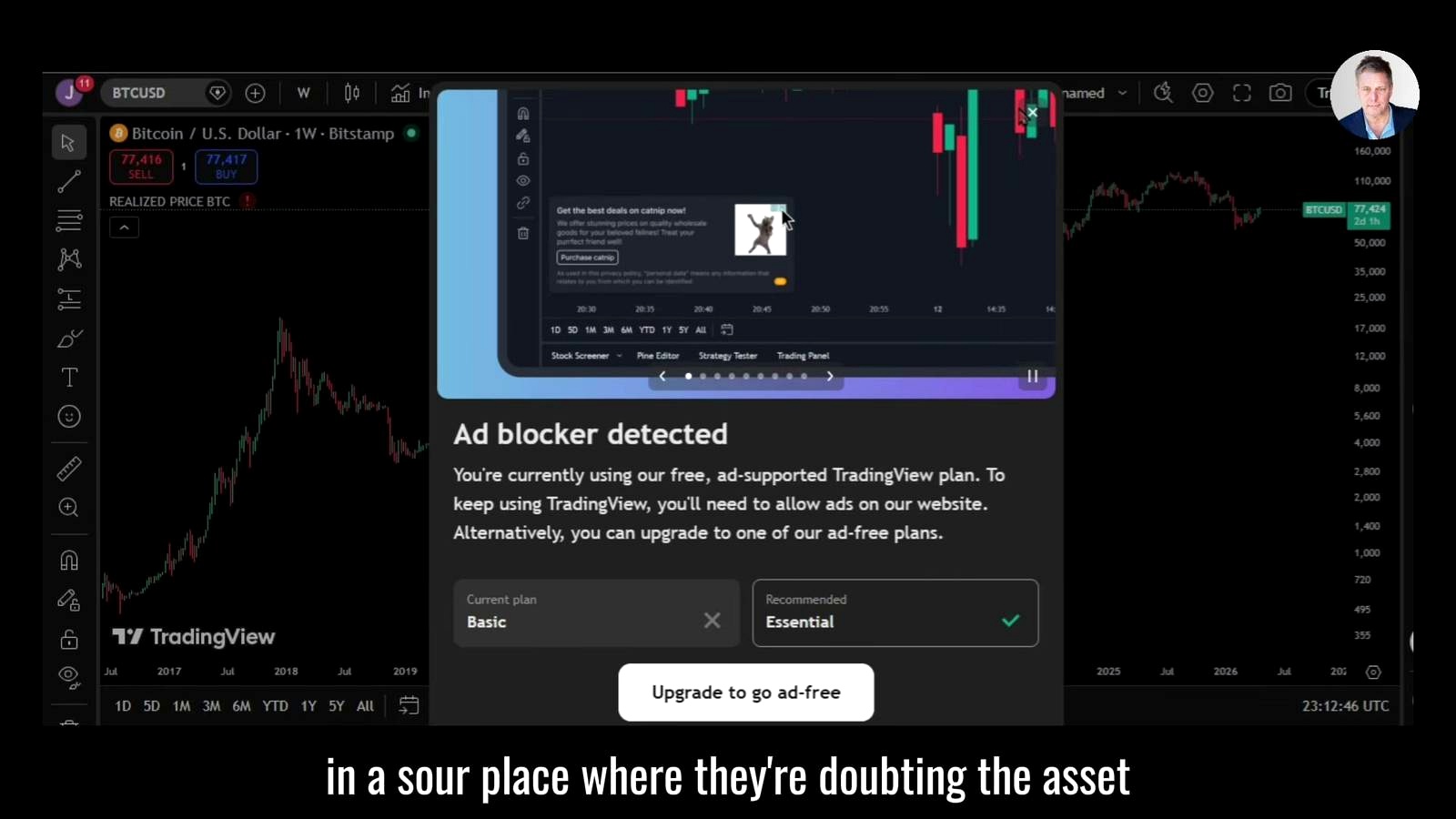
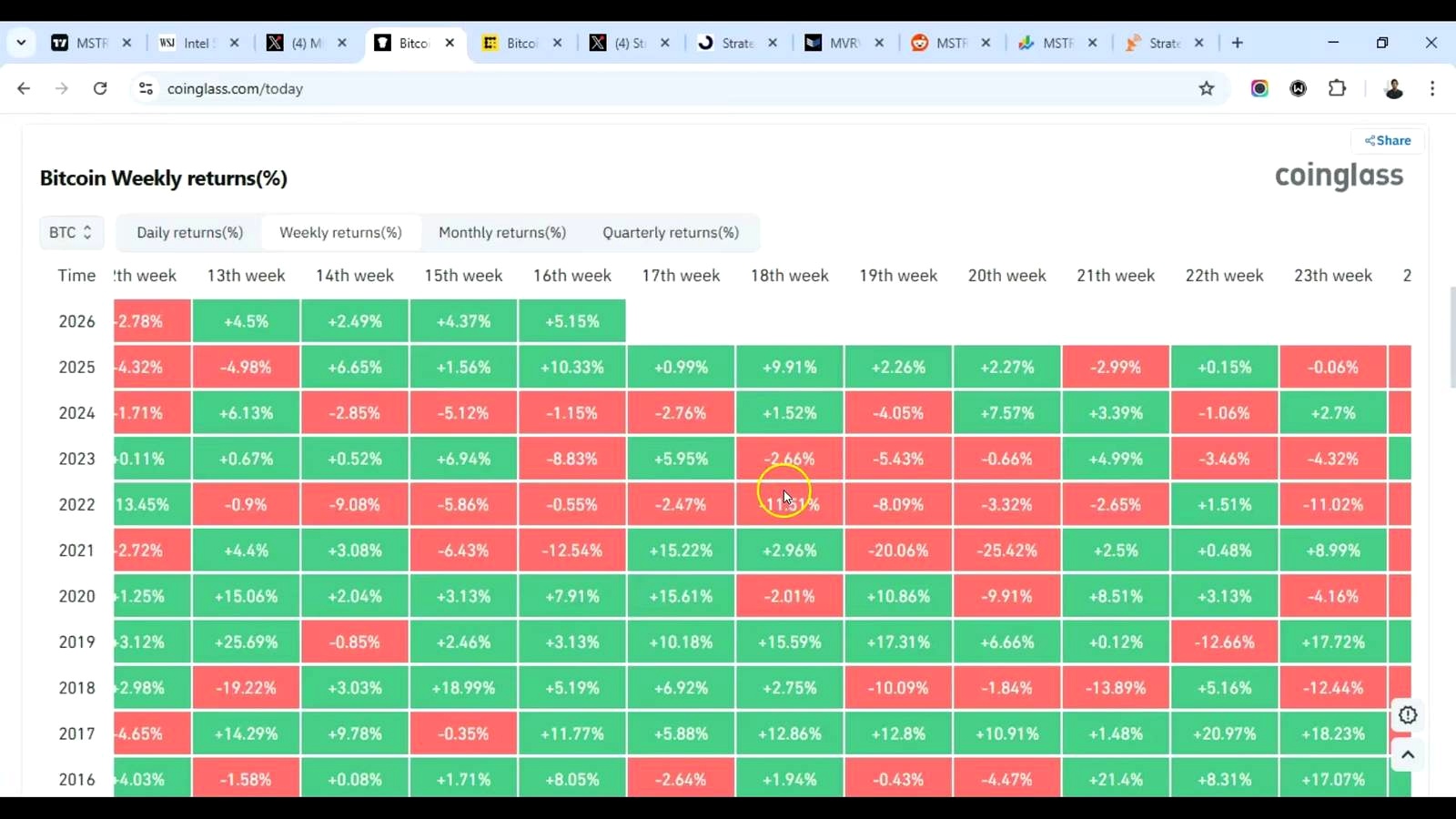
Bitcoin and Ethereum are facing a tense backdrop as several major developments hit global markets at once. Bond yields are rising, oil and natural gas have surged, gold and silver have dropped sharply, and the Middle East situation appears to be escalating.
At the same time, Bitcoin and Ethereum have remained mostly sideways while stocks and other markets have been under pressure. This mix of macro stress and crypto resilience has become a key point to watch.
Why BTC and ETH Are Under Pressure Right Now
The current concern around BTC and ETH is not based on one isolated event. It is tied to a larger combination of market forces, including:
- Rising bond yields
- Climbing oil prices
- Exploding natural gas prices
- Falling gold and silver prices
- Escalating Middle East tensions
- Lower chances of future rate cuts
The view presented is that these factors together support a bearish thesis in the near term, especially for traders with open positions.
Natural Gas Shock After Damage in Qatar and Iran

One of the biggest developments mentioned was extensive damage at the world’s largest natural gas plant in Qatar after an Iran strike. A similar event was also said to have happened in Iran.
Natural gas then exploded in price, with the move described as nearly doubling overnight and peaking close to $70. This was presented as a major global problem, especially because it could drive higher prices in Europe for gas and other oil- and gas-related goods.
Why Natural Gas Matters for Crypto and Markets
The argument is that rising natural gas prices can increase inflation and reduce the chances of a rate cut. This is considered especially bad for Europe because Europe is described as highly dependent on this natural gas.
- Higher gas prices may increase inflation
- Higher inflation may lower the odds of rate cuts
- Lower odds of rate cuts can pressure risk assets
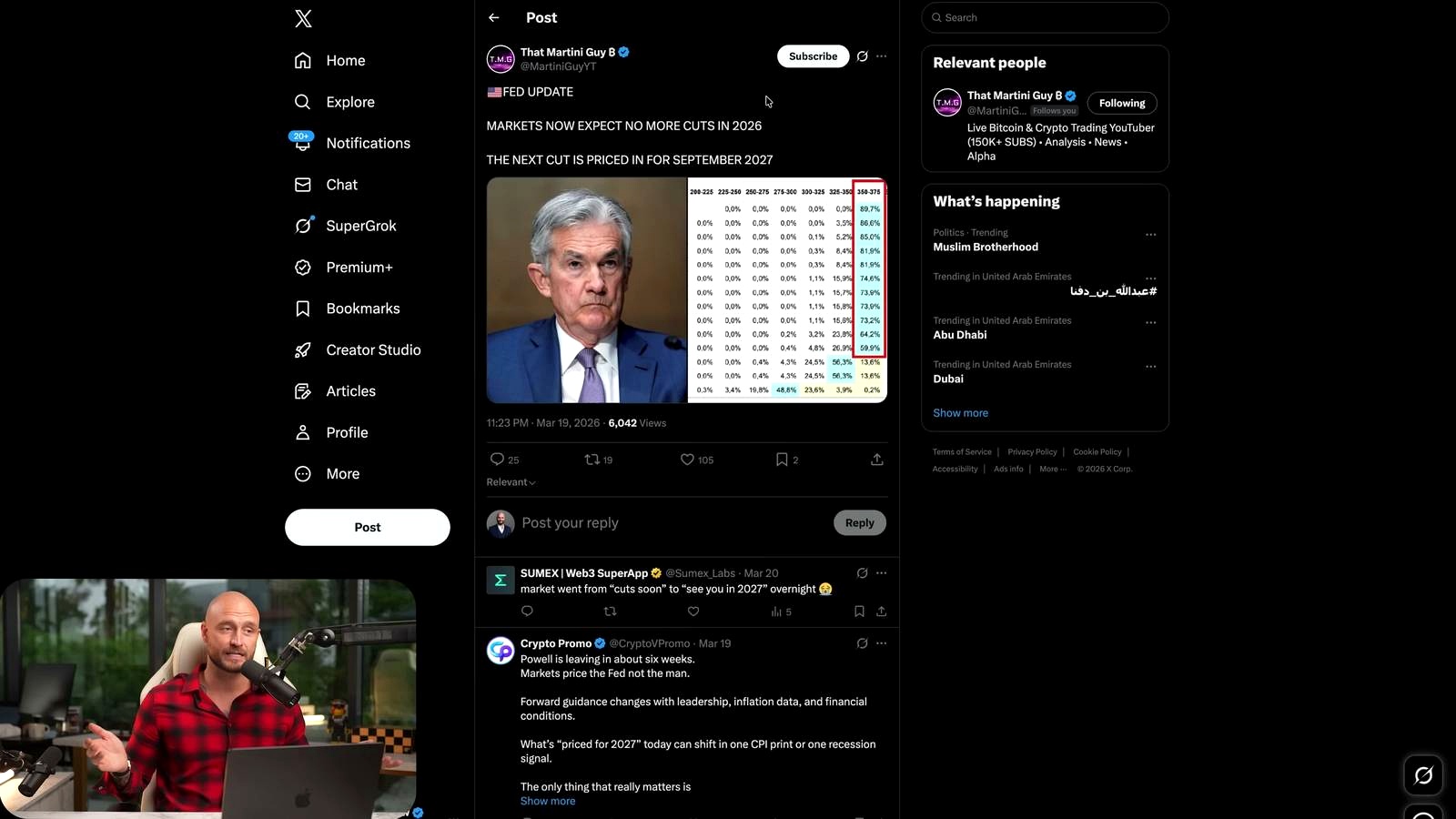
Fed Expectations and Bond Yields at 2008 Levels
Another major warning sign was the shift in market expectations around interest rates. Markets are now said to expect no more cuts in 2026 or possibly just one cut.
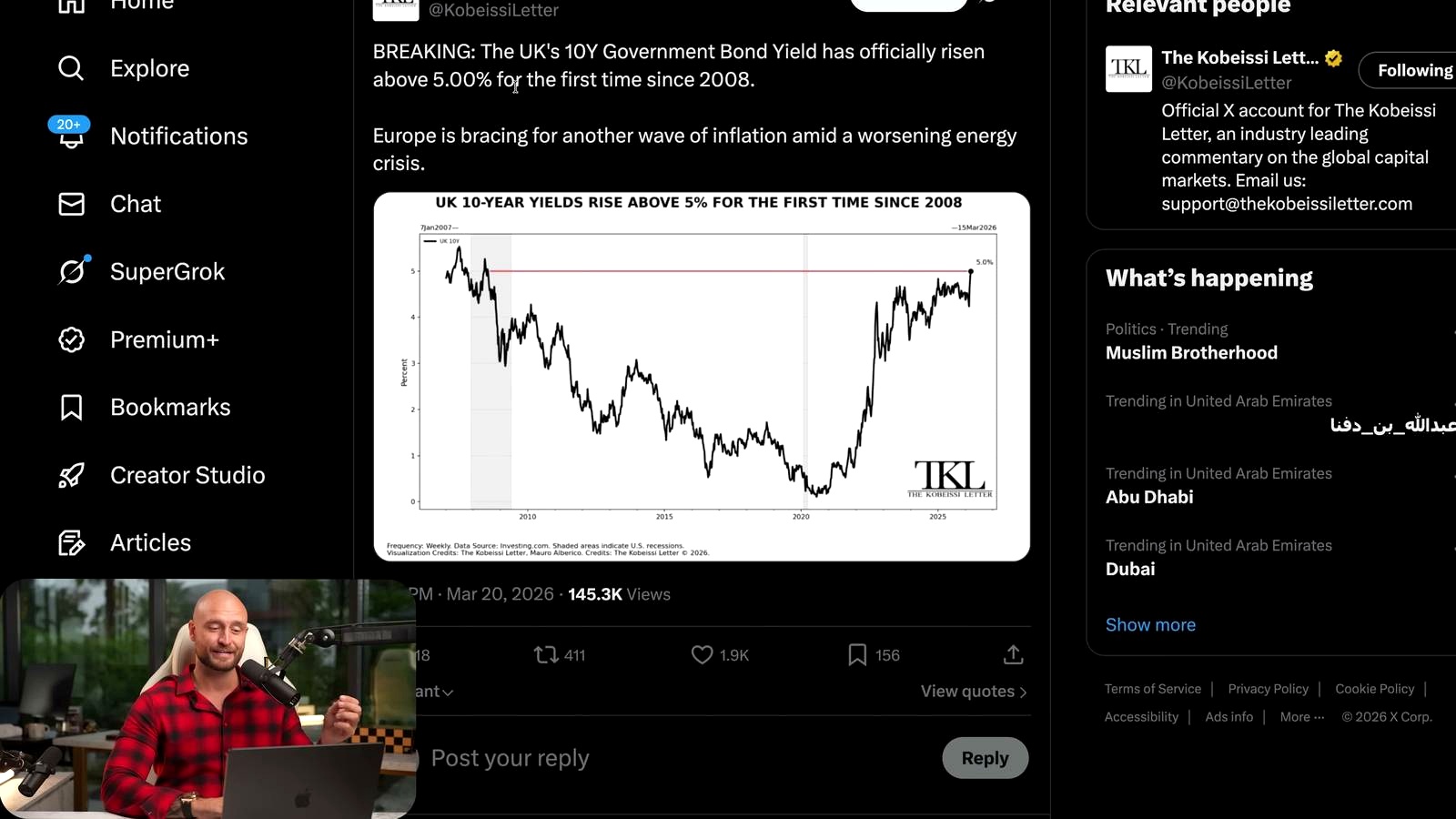
At the same time, bond yields have been jumping. The UK’s 10-year government bond yield reportedly rose above 5% for the first time since 2008. Bond yields overall were described as being through the roof and back at levels not seen since that period.
Why Rising Yields Are a Problem
The core argument is simple: if oil remains out of control and inflation pressure stays elevated, there is no way rates can be cut now. That creates a difficult environment for markets already dealing with stress.
- Oil keeps climbing
- Inflation risk rises
- Rate cut chances decrease
- Bond yields continue higher
- Risk assets face pressure
Oil Shows No Signs of Slowing Down
Oil was described as continuing to climb with no mercy and no signs of slowing down. This rising oil price is central to the broader concern because it feeds directly into the inflation and rate story.
With oil moving higher, the pressure on central bank expectations becomes even more intense, and that spills over into broader market sentiment.
Middle East Escalation and Global Risk
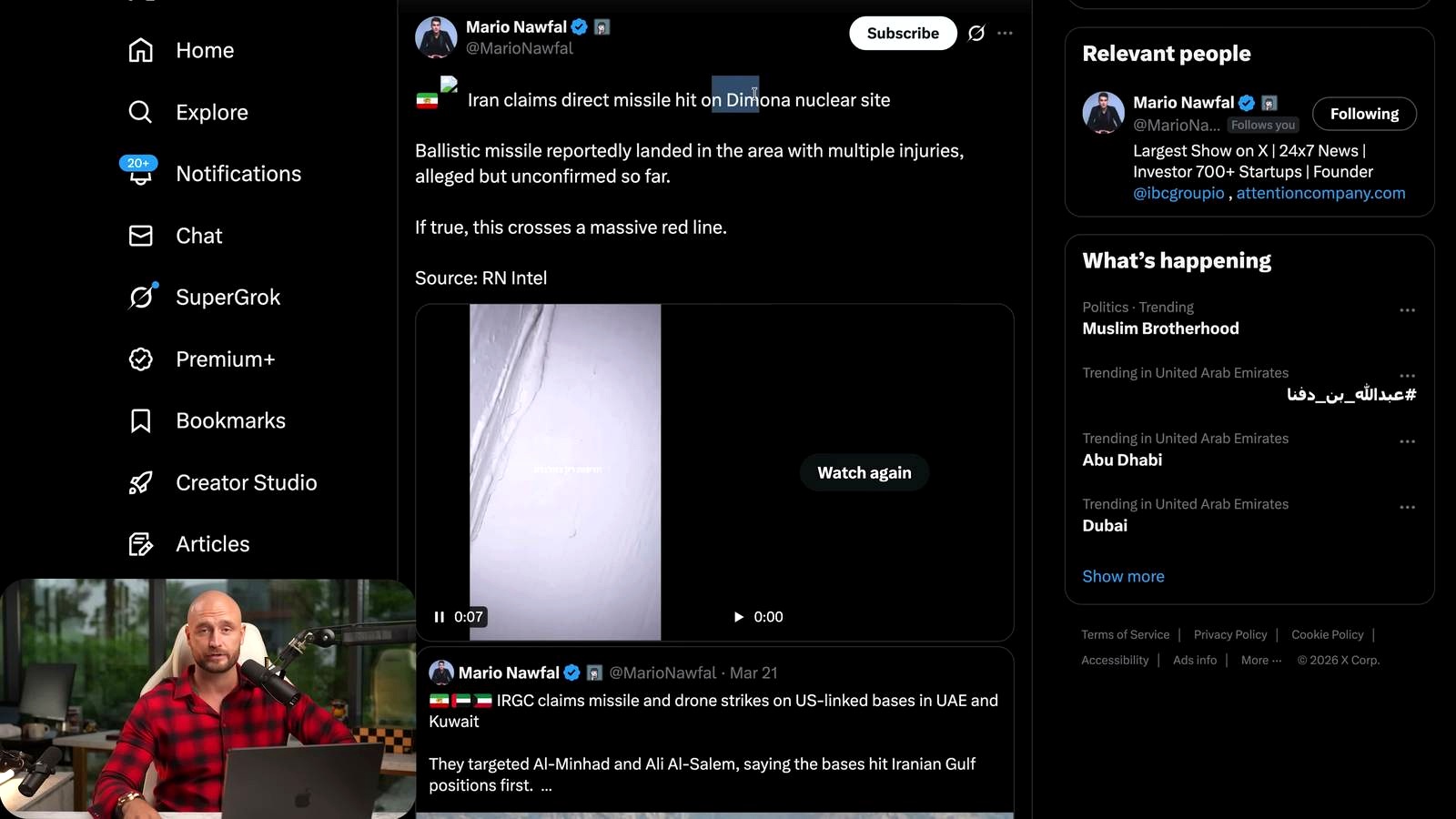
The geopolitical situation was presented as a major source of instability. Iran was said to have claimed a direct missile hit on the nuclear site in Demona, Israel, although that specific part was described as fake news. The strike reportedly hit the town but missed the nuclear site by some kilometers.
Even so, the event was described as huge because it suggests Iran can get very close to sensitive targets and outperform the Iron Dome enough to create severe concern.
What Was Said About the Region
The assessment given was that the situation is not slowing down and is only ramping up. Dubai and the UAE were described as safe, with strong power grids, air defense systems, and government preparedness, but the wider Middle East situation was portrayed as worsening.
Threats Around the Strait of Hormuz
A further escalation point involved statements that if Iran does not fully open the Strait of Hormuz within 48 hours, power plants in Iran could be targeted, starting with the biggest one. In response, Iran was said to have threatened power plants across the Gulf, including desalination plants.
This was described as serious because water infrastructure is important in the region, even if the UAE was said to have many desalination plants, reserves, and other ways of bringing in water. Other countries mentioned as potentially more vulnerable included Iraq, Afghanistan, Pakistan, and Iran itself.
Nuclear and Internet Fears
The situation was further intensified by a claim that if Israel uses a nuclear weapon on Iran, Russia would respond with a nuclear strike on Israel. This was framed as proof that the conflict is getting increasingly serious.
There was also discussion of Iran potentially shutting down the global internet through disruptions tied to the Strait of Hormuz, where about 30% of the world’s internet cables were said to pass through one checkpoint. However, this idea was doubted because Iran was said to rely heavily on internet access, Bitcoin payments, and crypto payments for cross-border activity.
Mortgage Stress and 2008 Comparisons
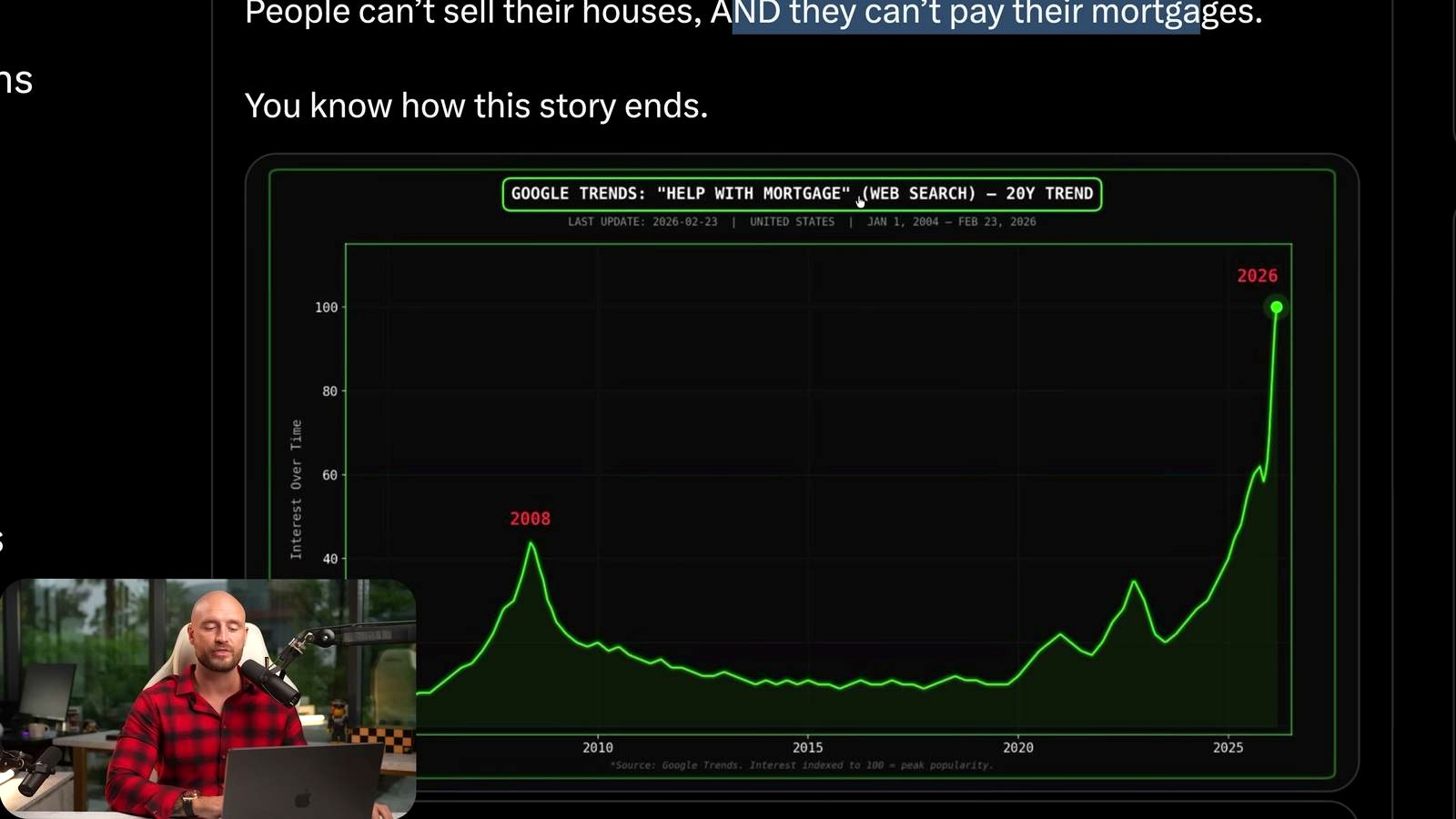
Another warning sign came from housing and consumer stress. People were described as being unable to sell their houses and unable to pay their mortgages.
The Google search trend for “help with mortgage” was compared with 2008, with the message that current conditions resemble a very dangerous point in the cycle.
Gold and Silver Crash While Crypto Holds Up
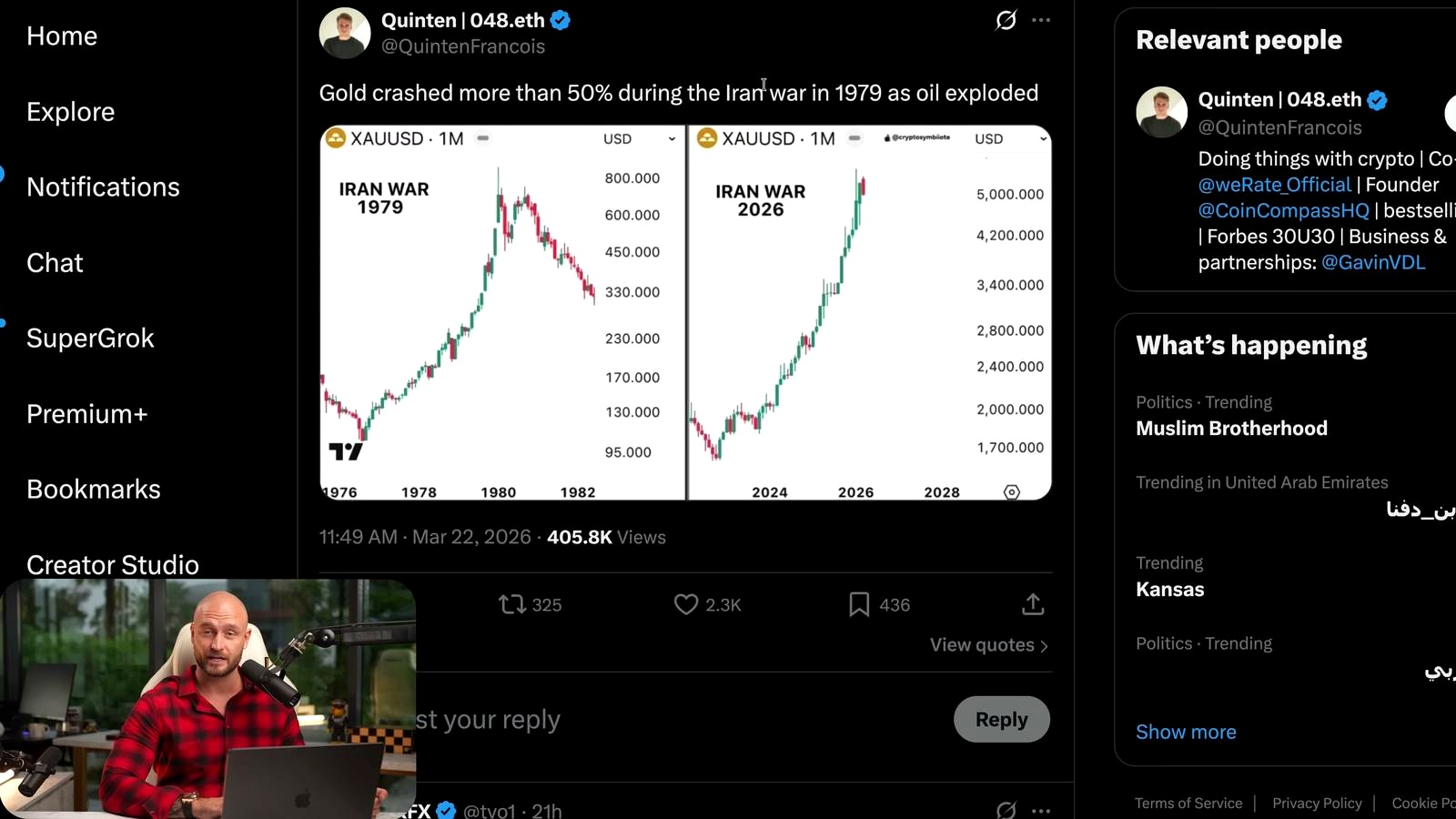
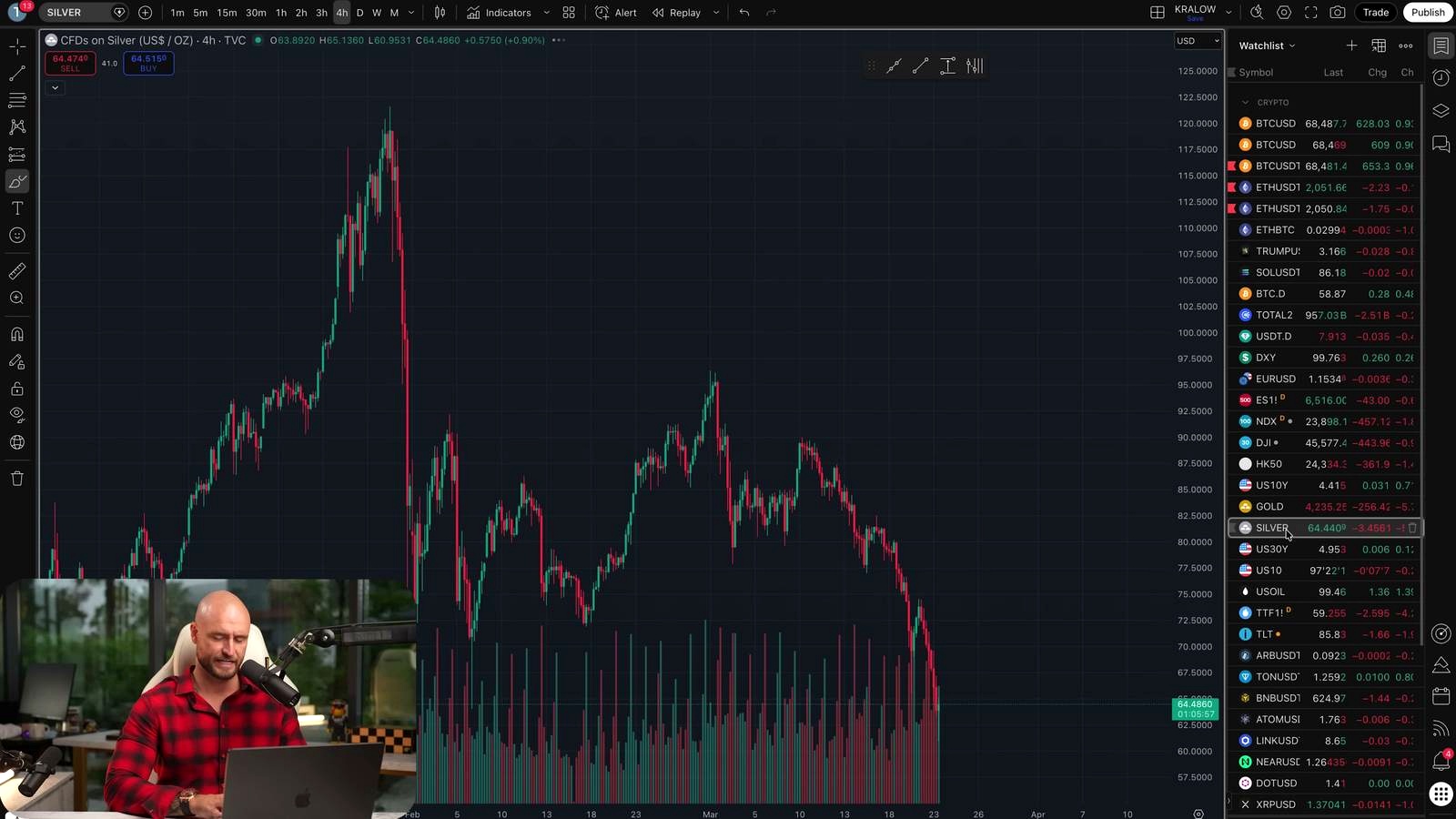
Gold and silver were described as crashing hard. Gold was said to have fallen from 5,500 to 4,100, while silver was said to have dropped from 120 to 64.
This sharp move was presented as another important piece of the puzzle. It was also noted that during the Iran war in 1979, oil exploded and gold crashed more than 50%, suggesting a similar pattern may be unfolding now.
Why This Matters
The key message is that traditional safe-haven assets have not behaved as many expect in this environment. While gold and silver dropped, Bitcoin has not shown the same kind of collapse.
Bitcoin and Ethereum Are Going Sideways
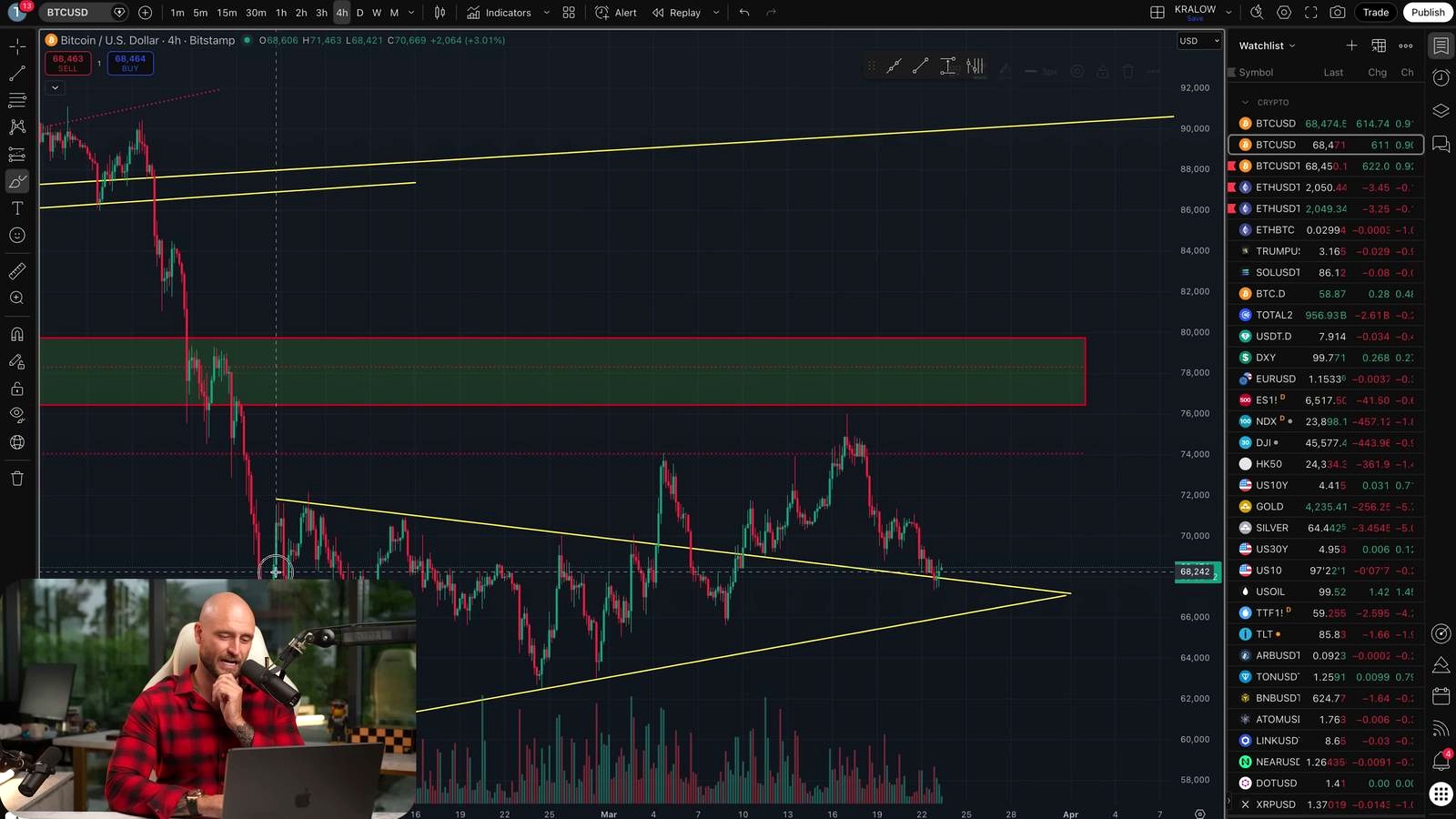
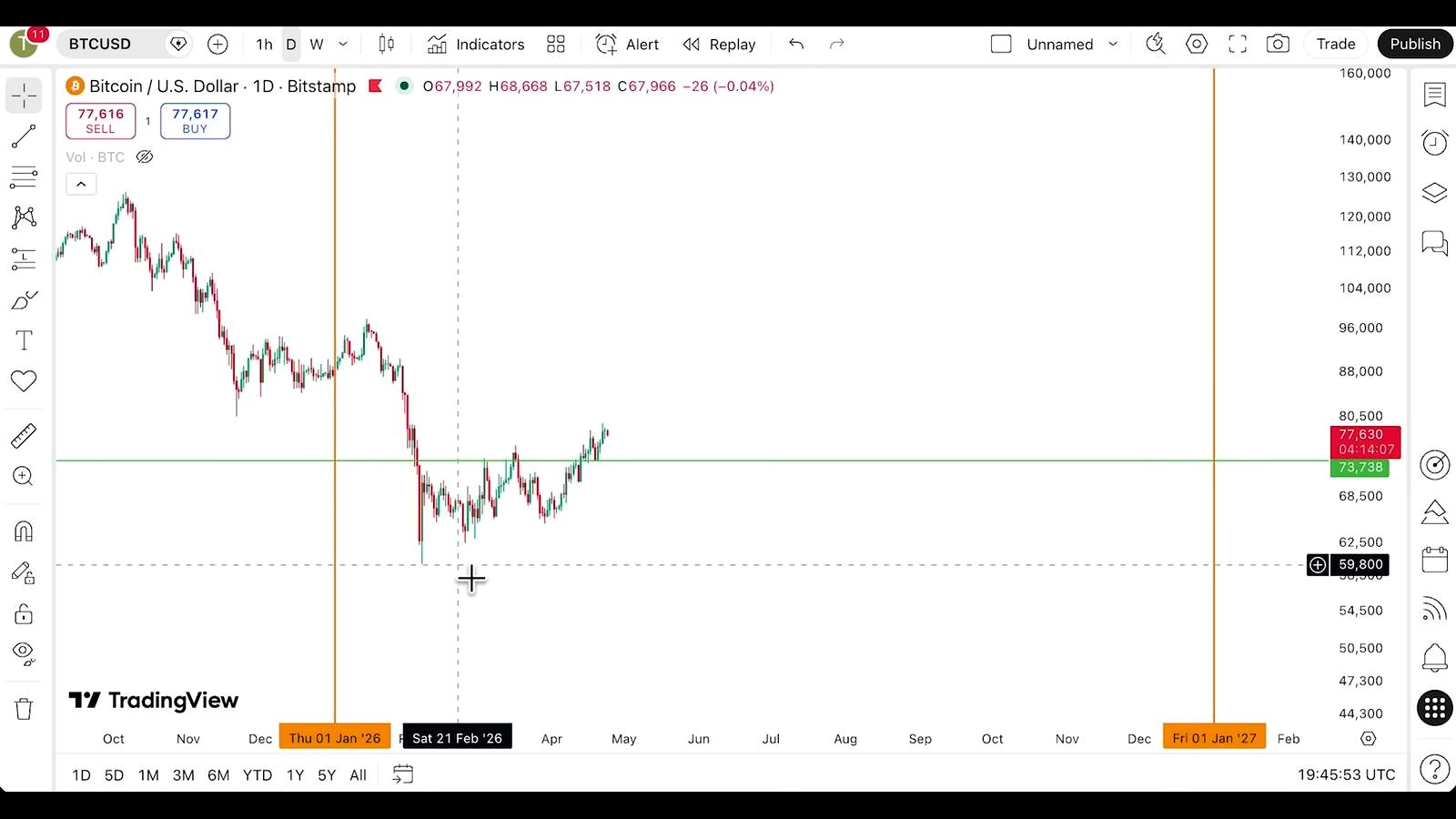
Despite all of the pressure in the world, Bitcoin was described as still moving sideways. Ethereum was also described as going sideways for the most part.
That stands in contrast to several other markets:
- S&P 500 dumping
- NASDAQ going down
- Dow Jones crashing
- Hong Kong and Chinese indexes crashing
- Bond yields accelerating higher
- Gold dumping
- Silver falling hard
In this view, almost everything is crashing except oil and Bitcoin.
What This Could Mean for BTC
The theory presented is that the previous move down in Bitcoin may have already priced in much of what is now playing out. Even so, the next 18 to 48 hours were described as critical, especially depending on whether further military action happens.
A further down move in crypto was still considered possible, including a scenario where Bitcoin could fall into the 35,000 to 50,000 area.
The Main Bullish Argument for Bitcoin
Although the short-term tone was very negative, Bitcoin’s resilience was highlighted as the most interesting part of the setup. The central idea is that if the world wakes up to the fact that traditional options are failing, the narrative could shift sharply toward Bitcoin.
The position expressed was that neither gold nor silver is the solution, while Bitcoin may become that solution down the road.
Expected Path Mentioned for Bitcoin
The outlook given was not a call to go all in immediately. Instead, the expectation was that Bitcoin may still:
- Hold or bounce from the current area
- Move higher
- Touch a higher area later
- Then enter a bull run
This future bull run was linked to the idea that money printing could return again, since markets are always forward-looking.
Trading Platforms Mentioned
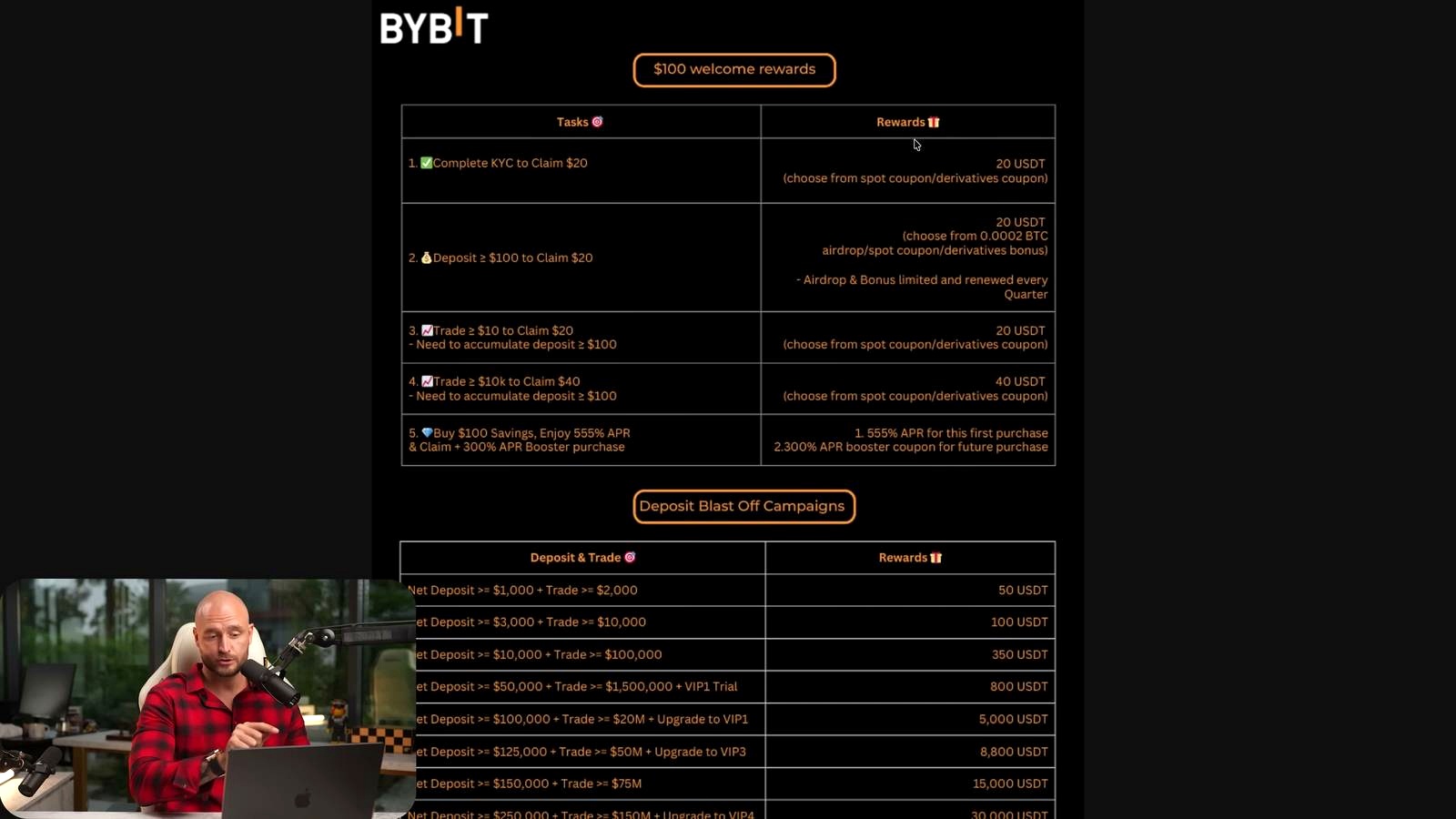
For active trading, two options were highlighted.
Evex
Evex was described as a decentralized exchange that is anonymous, transparent, and allows users to control their assets. It was also noted that Evex has no KYC.
Trading bots on Evex were described as building a position, going out, building again, and selling in stages. The setup was compared to becoming almost like a market maker.
Bybit
Bybit was mentioned as an option for those who want a centralized exchange with a bit better liquidity and more pairs. It was also said that bonuses of up to $30,000 were available, with an additional $20 for completing KYC.
FAQ
Why is the current outlook for BTC and ETH described as terrible news?
The outlook is described that way because rising bond yields, higher oil and natural gas prices, falling gold and silver, lower chances of rate cuts, and escalating Middle East tensions are all happening at once.
What happened to natural gas prices?
Natural gas was described as exploding in price, nearly doubling overnight and reaching close to $70 at the peak after damage related to events in Qatar and Iran.
Why are bond yields important for crypto?
Bond yields were presented as a major macro signal. As yields rise and rate cuts become less likely, pressure on risk assets can increase.
What was said about gold and silver?
Gold and silver were described as having crashed sharply, with gold falling from 5,500 to 4,100 and silver from 120 to 64.
How have Bitcoin and Ethereum reacted?
Bitcoin and Ethereum were described as mostly moving sideways, even while stocks, gold, and silver came under pressure.
Could Bitcoin still drop further?
Yes. A further down move was still considered possible, including a scenario where Bitcoin could move into the 35,000 to 50,000 area.
Why was Bitcoin’s resilience highlighted?
Bitcoin’s resilience was highlighted because it has held up better than many other assets during a period of extreme stress across global markets.
What is the longer-term view on Bitcoin?
The longer-term view expressed is that Bitcoin could become the key solution down the road, especially if the narrative shifts and money printing returns.
Reference Video

Omar Al-Sharif lives and works in the UAE and is involved in the blockchain technology industry. He writes articles on Bitcoin and digital assets as a personal passion, explaining complex topics in simple and understandable language.