Crypto trading and traditional trading offer very different paths for investors. One is rooted in real businesses, commodities, and the physical economy, while the other is a digital, fast-moving market built on blockchain and driven by speculation and technological advancements.
With so many choices and so much noise, understanding the key differences matters. From assets and complexity to risks, volatility, and first steps, each market comes with its own opportunities and challenges.
What Is Traditional Trading?
Traditional trading is the foundation of modern finance. It is the old school, classic market associated with Wall Street, bustling trading floors, and stock tickers.
In traditional trading, investors buy stocks, shares in actual companies, bonds, or commodities. These are tangible assets tied to real-world entities such as gold, oil, and even corn.
Traditional Assets and Real-World Value
Traditional assets are deeply rooted in the physical economy. Commodities have intrinsic value and are essential to various industries.
When you buy a stock, you own a tiny piece of a company. That ownership is a stake in the company’s future success. If the company does well, the stock price usually goes up, creating potential profits.
- Stocks and shares in companies
- Bonds
- Commodities such as gold, oil, and corn
- Assets connected to real businesses, products, services, and profits
What Is Crypto Trading?

Crypto trading is a whole new world and a digital revolution. It is the new kid on the block, often described as the digital wild west.
Bitcoin is the king. It was the first cryptocurrency and remains the most well-known, but there are now thousands more, often called altcoins. These assets are completely digital, with no physical coins to hold.
How Crypto Works
Crypto consists of digital representations of value, essentially lines of code on computers. It runs on blockchain, a technology that ensures security and transparency through a digital ledger.
Blockchain is decentralized, meaning no single entity controls it. In crypto trading, investors trade digital coins hoping the price goes way up.
- Bitcoin as the first and most well-known cryptocurrency
- Thousands of altcoins with unique features and uses
- No physical coins, only digital value
- Blockchain-based security and transparency
- Decentralized structure
Crypto Trading vs. Traditional Trading: Core Differences

Asset Type
Traditional trading focuses on tangible assets tied to companies, commodities, and the physical economy. Crypto trading focuses on digital assets that exist as code on computers.
Ownership and Value
Buying a stock means owning part of a company and sharing in its future success. Traditional markets are about real businesses, real products, real services, and real profits.
Crypto trading centers on digital coins whose prices are driven by market speculation and technological advancements.
Market Structure
Traditional trading often involves brokers and regulated markets. Crypto is decentralized, with no single entity controlling the system.
Complexity and Learning Curve

Both markets require work, but the complexity looks different in each one.
Traditional Trading Complexity
Traditional trading has rules. Investors often need brokers and operate within regulated markets. Information is widely available through analysts, company reports, and financial news.
That means there is plenty to study, and doing the homework matters.
Crypto Trading Complexity
Crypto can seem simpler at first. Download an app, click buy coins, and it may look easy. But understanding the underlying technology can feel like getting a PhD.
Doing your homework is essential. No excuses.
Risk in Crypto and Traditional Markets
Every market has risk, but the type and intensity of risk can be very different.
Traditional Trading Risks
Traditional markets definitely have risk. Stocks go down, recessions can hit hard, and even good companies can fail.
At the same time, there are some safeguards in traditional markets.
- Regulations
- Investor protection agencies
- Diversification
Crypto Trading Risks
Crypto risk is described as sky-high. The market includes volatility, scams, and exchange hacks. Money can vanish.
The rewards can be huge, but the losses can also be total.
Volatility: Crypto vs. Stock Market Stability

Volatility means price swings. These swings can be minor or major, and they can happen in any market.
Traditional Market Volatility
Traditional assets like stocks have volatility, but it is often more controlled and predictable. A solid stock might move 2% in a day, and maybe 5% on really big news.
These moves are usually based on tangible events or earnings reports, making them more manageable. Investors can often anticipate these changes.
Crypto Market Volatility
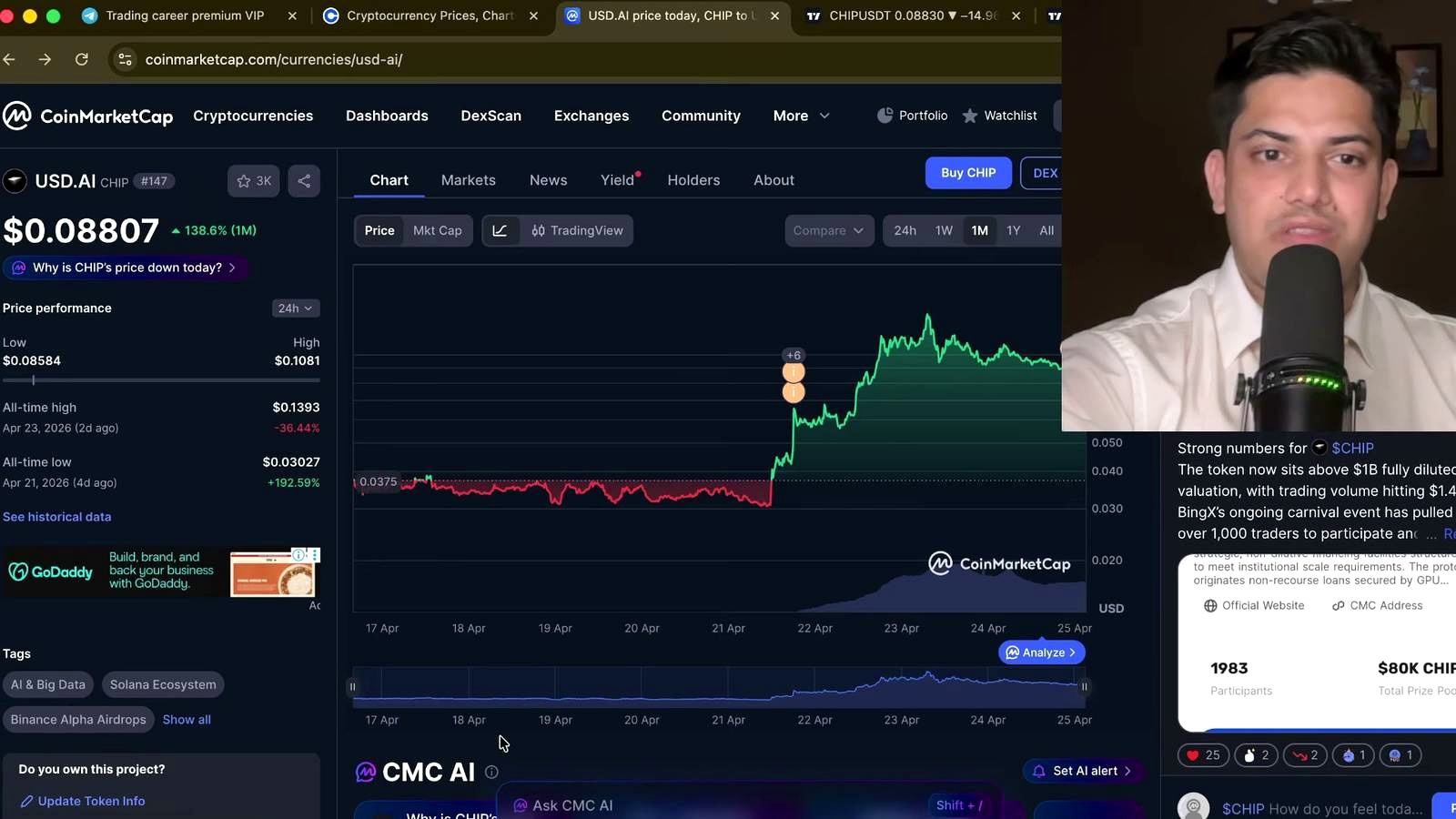
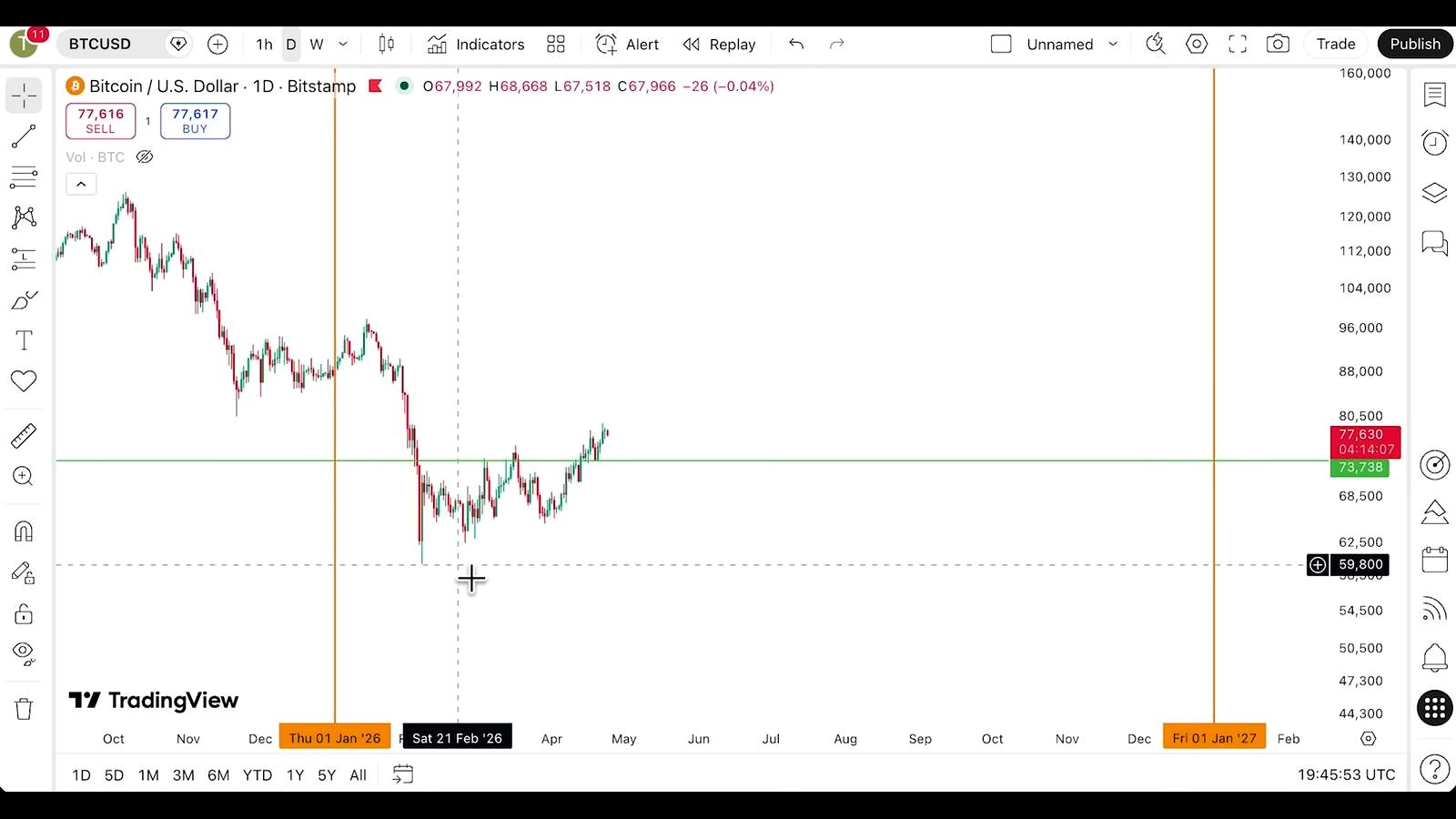
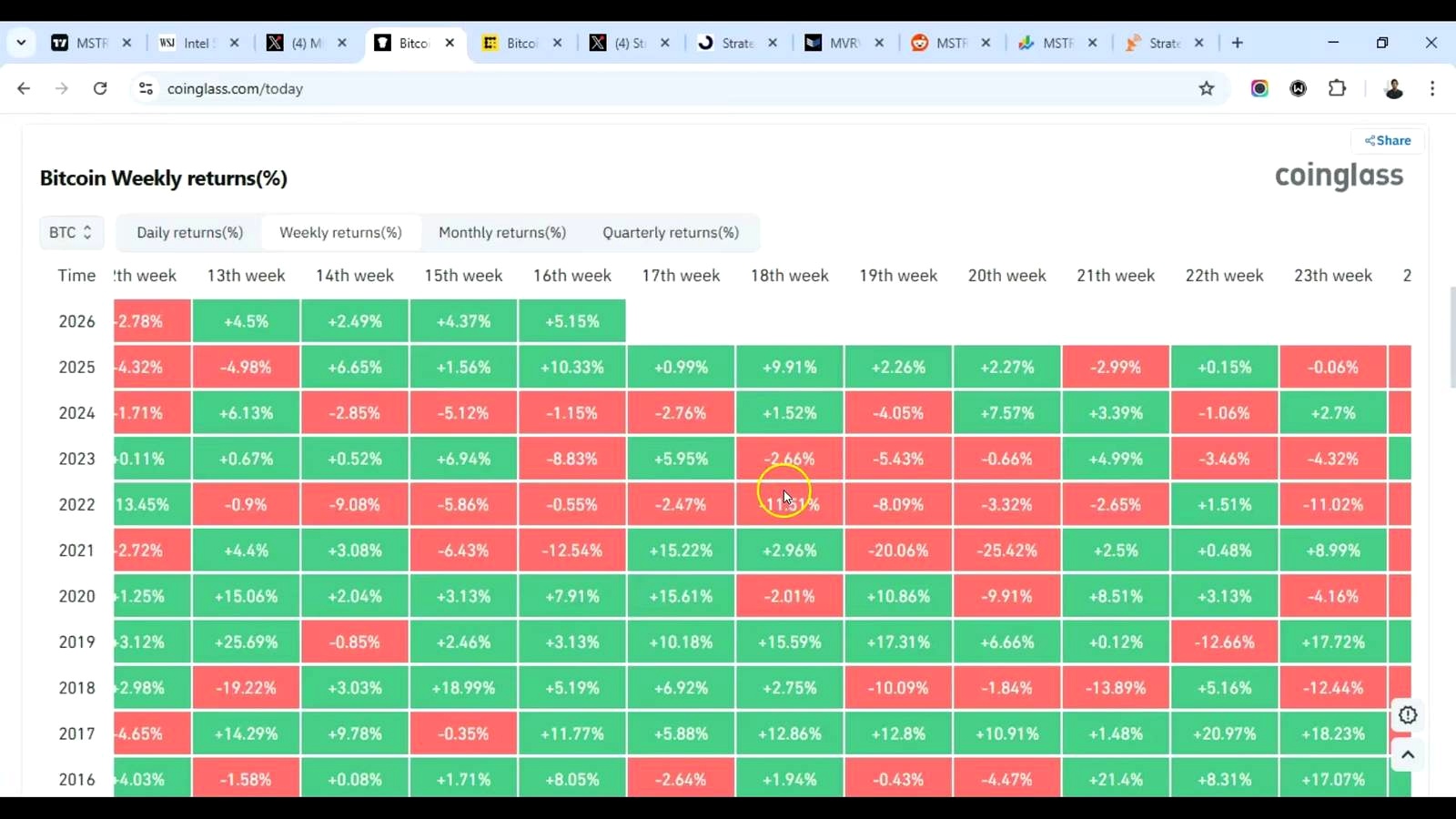
Crypto volatility is a whole different ballgame. Prices can skyrocket in minutes and then crash just as fast.
Bitcoin can jump 10% in a day or drop 20% in a few hours. Smaller coins can be even wilder, rising 100% and then falling 50%.
The swings are massive, stressful, and not for the faint of heart. It requires a strong stomach and a high risk tolerance.
Why Crypto Is So Volatile
Crypto is much newer and has smaller markets. There is less trading history and more speculation, which makes the market more susceptible to rapid changes.
News, random tweets, and internet rumors can have a huge impact on prices. The market reacts quickly to information and is often driven by pure sentiment. Emotions play a big role, making crypto highly unpredictable.
Big Wins and Epic Fails
Traditional Trading Success and Failure
Traditional trading has major success stories, but it is not always a smooth ride. Warren Buffett bought Coca-Cola and Apple and held them for decades. His strategy was simple: patience. The result was billions and billions, showing the power of long-term investing.
But there have also been painful failures. During the dot-com bubble, names like Pets.com and Webvan became cautionary tales. They had ideas that seemed promising, but they were often bad businesses. Investors lost fortunes, and hype burned many of them badly.
The lesson is clear: do not just chase shiny objects. Look under the hood and understand what you are investing in.
Crypto Success Stories
Crypto success stories are the talk of the town. Early Bitcoin adopters who took a chance bought for mere pennies and later became millionaires, with some becoming billionaires.
Those stories inspire and caution at the same time.
Getting Started With Traditional Trading
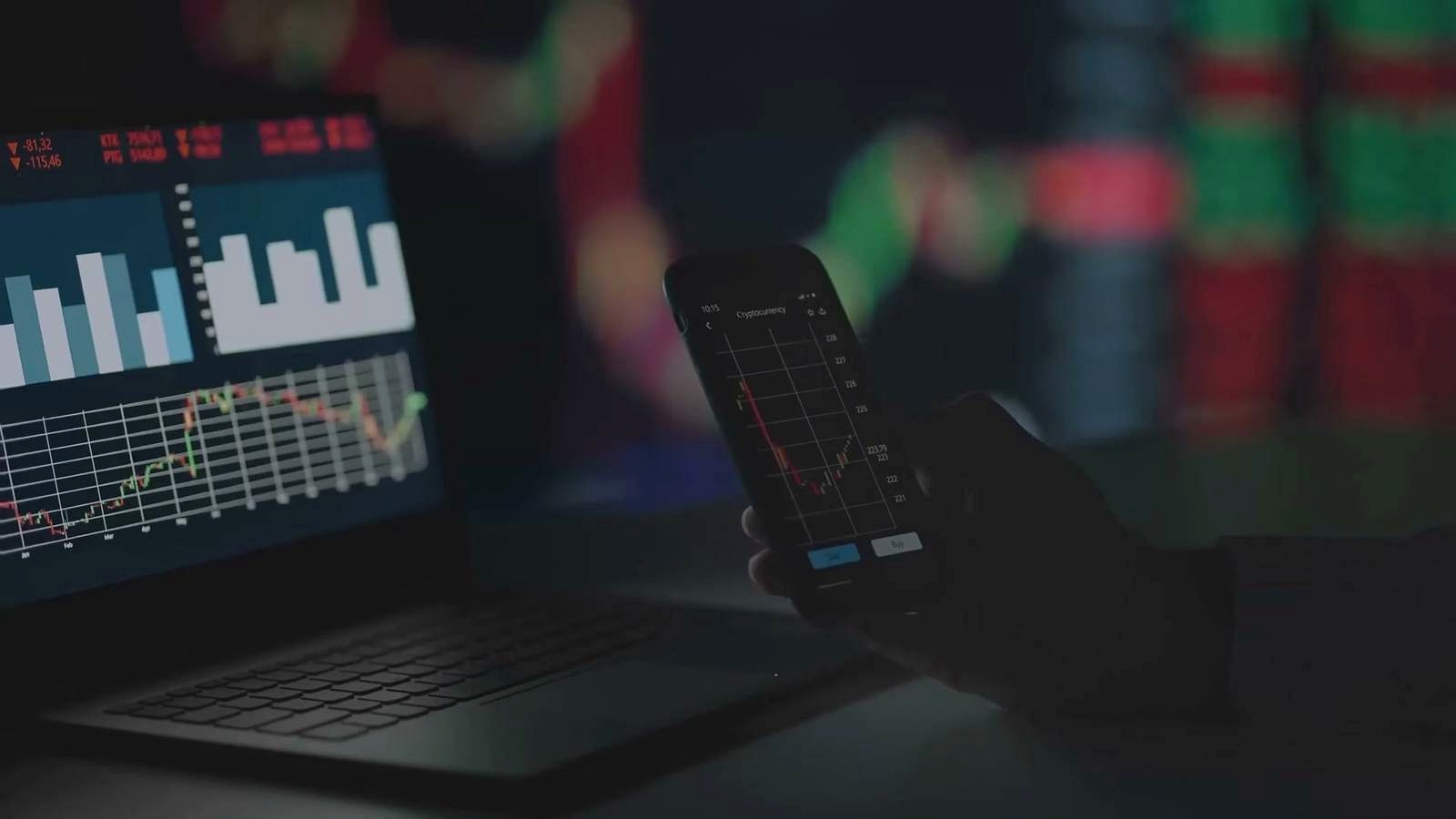
For those ready to dip a toe into traditional trading, the approach begins with education and patience.
First Steps
- Open a brokerage account
- Consider starting with ETFs
- Research companies you actually like
- Understand the business model first
- Study company valuation
- Start small
- Think long term
Why ETFs Can Help Beginners
ETFs, or exchange traded funds, are diversified and simpler for beginners. They can be a practical starting point for learning the market.
Education Matters
Homework is non-negotiable. Read books, watch financial news, and keep learning. Never invest money you cannot lose, especially when just starting out.
Start small, be patient, and think for the long term.
FAQ
What is the main difference between crypto trading and traditional trading?
Traditional trading deals with stocks, bonds, and commodities tied to real-world businesses and the physical economy. Crypto trading deals with digital coins that run on blockchain and are driven by speculation and technological advancements.
Is crypto more volatile than traditional trading?
Yes. Traditional assets often move in a more controlled and predictable way, while crypto can rise or fall sharply in very short periods.
Why is crypto so unpredictable?
Crypto is newer, has smaller markets, less trading history, and more speculation. Prices can react quickly to news, random tweets, internet rumors, and market sentiment.
Does traditional trading have safeguards?
Yes. Traditional markets have regulations, investor protection agencies, and the benefit of diversification.
Can beginners start with traditional trading?
Yes. A common path is to open a brokerage account, consider ETFs, research companies, understand business models, study valuation, and start small.
What is important before investing in either market?
Homework is essential. Investors need to study, understand what they are investing in, and avoid putting in money they cannot lose.
Reference Video

John Burnell focuses on Bitcoin infrastructure, wallet security and blockchain technology. He writes educational articles explaining how Bitcoin works and how the technology evolves.