Stablecoins are gaining attention in the Gulf as digital finance moves from hype toward system change. In the region and globally, they are increasingly viewed as a way to bring stability to virtual assets while opening new applications in payments, trading, settlement, and programmable money.
The discussion around stablecoins in the Gulf is no longer limited to market volatility. It now includes regulation, corporate use cases, asset backing, programmability, and the role of the UAE and wider GCC in shaping how stablecoins may develop.
Stablecoins and the Shift to a Digital Financial System

The crypto industry has been described as part of a broader change of system rather than a short-term trend. Along that transition, market glitches, failures, frauds, scams, and volatility have all been visible, yet the industry continues to evolve.
Within that context, stablecoins stand out because they are associated with stability in a market known for volatility. Their role is tied to the growing reality that everything is going digital, including money and financial infrastructure.
What Is a Stablecoin?
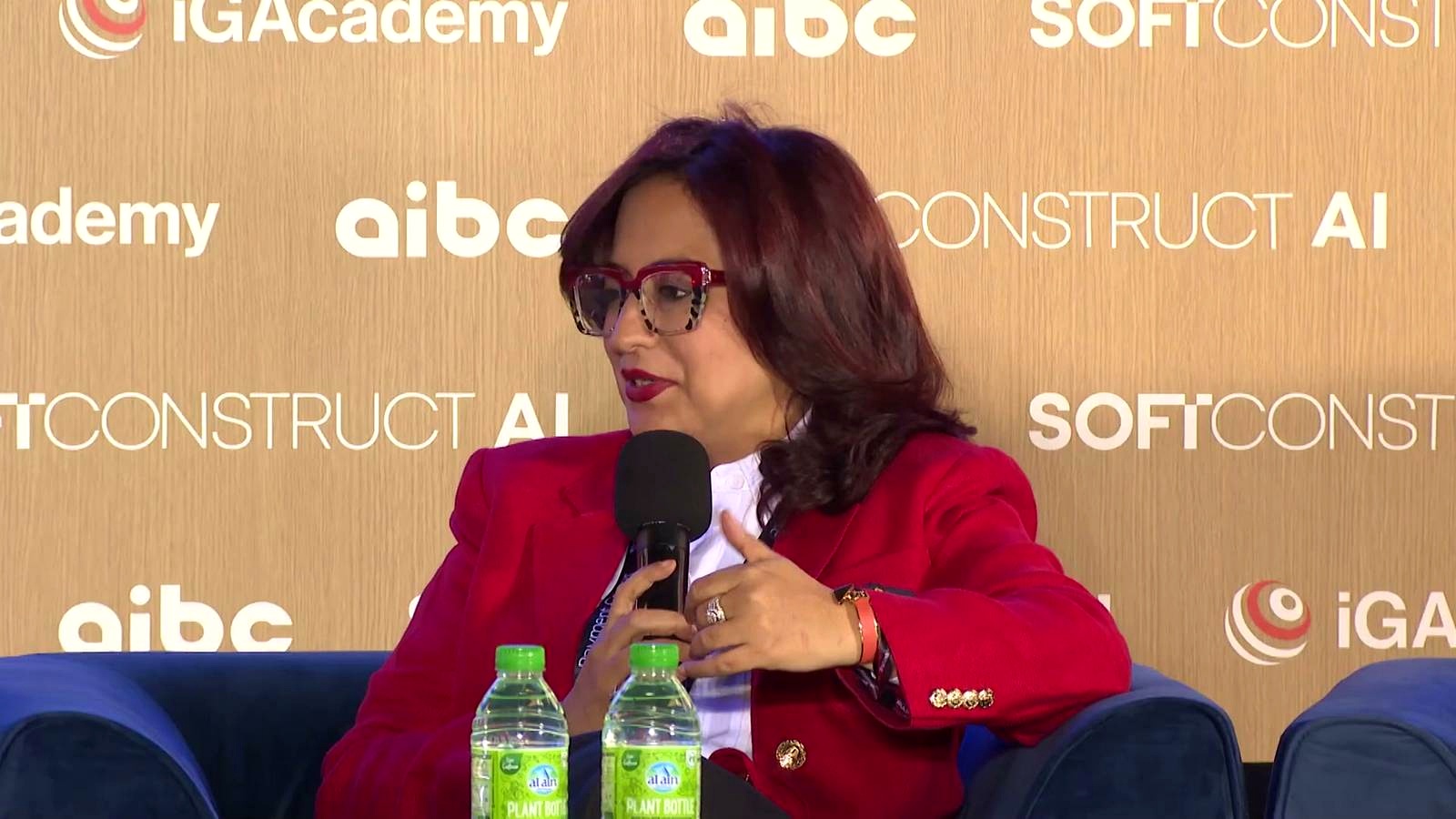
Defining a stablecoin is not simple. Stablecoins have been described as digital, borderless financial instruments, and even extensive work on definitions has shown how difficult it is to arrive at one universal standard.
A practical working definition presented in the discussion is that stablecoins are:
- A unit of account
- Tradable
- Transferable
- Usable on exchanges
- Digital instruments deriving value from a referenced asset
The key idea is that they get their stability because they are pegged or backed, most commonly by fiat currency. Regulators in many jurisdictions are currently limiting this backing primarily to fiat currency.
How Stablecoins Differ From Other Virtual Assets
Stablecoins may sound similar to other cryptocurrencies because they can be traded and transferred. The difference is that their value is designed to come from an underlying asset they refer to, rather than relying solely on market-driven price movement.
Another view described a stablecoin as a piece of code combined with a backing element and a mechanism to maintain the peg. In that explanation, one coin is linked to one unit of value, such as one dollar to one coin, with financial engineering used to help preserve that value.
Why Stablecoins Matter: Programmable Money

One of the strongest arguments in favor of stablecoins is that, for the first time, money can be programmed. That programmability was presented as the most important development attracting attention to the industry.
Earlier forms of money were backed either by bullion, coins with intrinsic value, or trust in governments. Stablecoins introduce a new layer where the underlying asset matters, but so does the ability to program the money itself.
This creates possibilities beyond simple digital transfer. Programmable money can support new business models, new payment systems, and broader integration across digital platforms.
Different Types of Stablecoins in the Gulf and Beyond
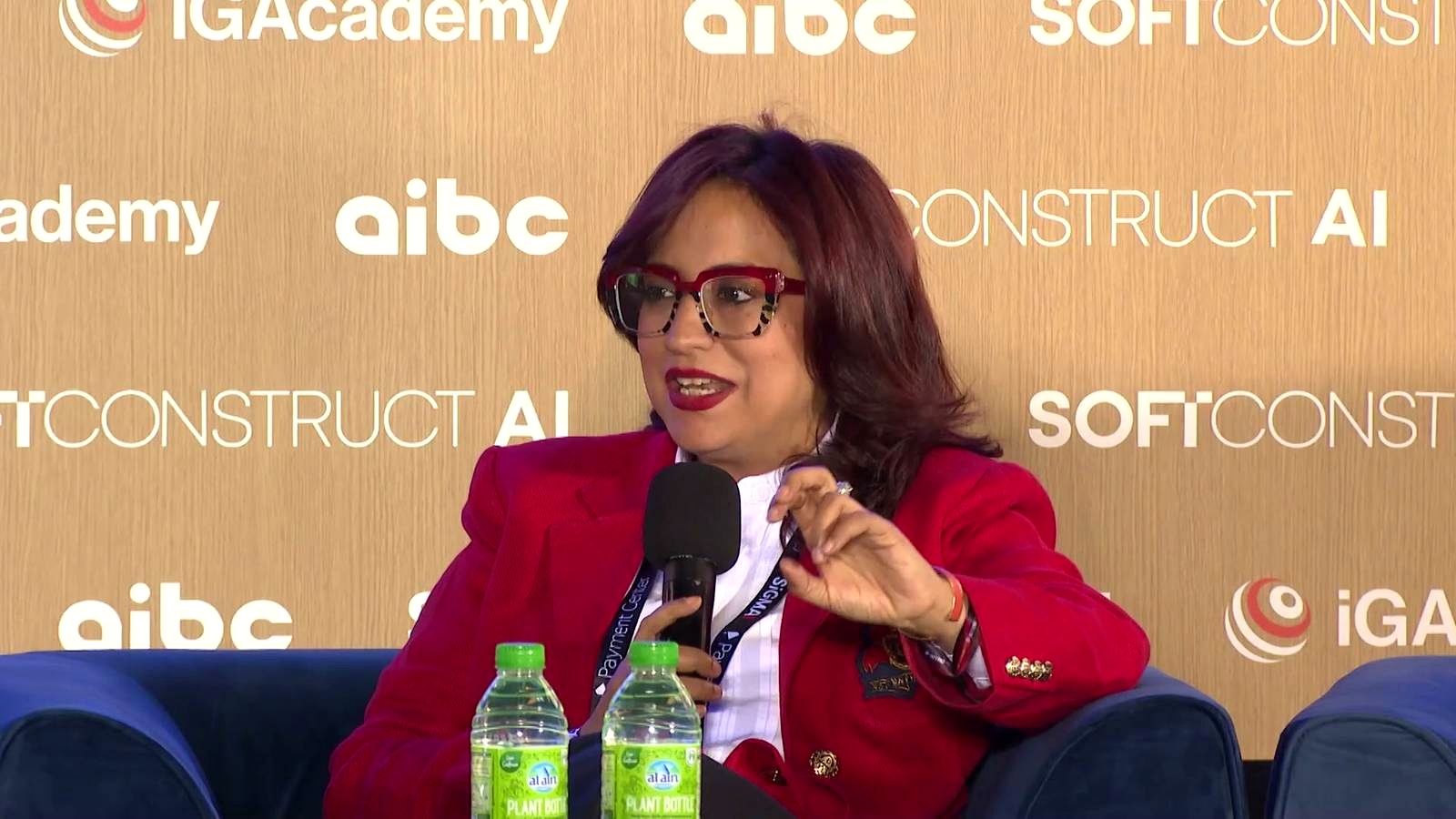
The market is not limited to one single model. Several different forms of stablecoins are already being discussed and developed.
Fiat-Backed Stablecoins
These are the most commonly discussed stablecoins and the type most regulators focus on. They are pegged or backed by fiat currency and are widely seen as the current standard.
Dollar-backed stablecoins were highlighted as the main focus of demand. One view expressed in the discussion was that non-dollar stablecoins may see less action, with market attention likely to remain centered on dollar stablecoins primarily.
Asset-Backed Stablecoins
Stablecoins can also be backed by assets such as gold, copper, or other commodities. One participant described being involved in tokenizing gold mines in Australia, New Zealand, Chile, and Canada, with plans to issue a stablecoin linked to that model.
From a legal standpoint, this area creates a thin line between a stablecoin and a security token. The distinction becomes more sensitive when the instrument moves beyond functioning as a means of payment, unit of account, store of value, and trading instrument, and begins to provide returns.
Algorithmic Stablecoins
Algorithmic stablecoins were described as stablecoins that try to maintain value using only code and algorithmic mechanisms, without asset backing. This model remains a major concern for regulators.
The Terra episode continues to influence regulatory thinking. As a result, many regulators have clearly stated that algorithmic stablecoins remain banned.
Hybrid Stablecoins
A hybrid model was also mentioned, where a virtual asset provides backing while an algorithm helps with price discovery and value mechanics. This shows that the market is already experimenting with combinations that do not fit neatly into one category.
Corporate Stablecoins
Another important direction is the rise of company-specific stablecoins. Work is already being done on how corporates could issue their own stablecoins, including businesses such as:
- Grocery stores
- Airlines
- Manufacturers
These corporate tokens could circulate within a company ecosystem and be used for activities such as:
- Air miles
- Food purchases
- Duty-free payments
- Fuel payments
- Holiday bookings
- Loyalty points
This points to what was described as an atomization of payment infrastructure.
Gaming and Virtual World Applications
The UAE is also seeing strong activity in gaming, and this sector was identified as another area where stablecoins can expand. Physical reward systems such as loyalty points and grocery points can also move into the virtual world through gaming.
Will Dollar Stablecoins Dominate?

A strong view from the discussion was that dollar stablecoins will continue to dominate because there is dollar shortage, while there is no comparable shortage for many other currencies around the world.
USDT in particular was described as having developed an impressive moat of liquidity, trust, and distribution channels. Companies that build on top of Tether were seen as having a major advantage.
At the same time, there was also skepticism around transparency, especially around audits and reserve backing, showing that market dominance does not remove the importance of regulatory clarity and reserve management.
The Gulf Opportunity for Stablecoins
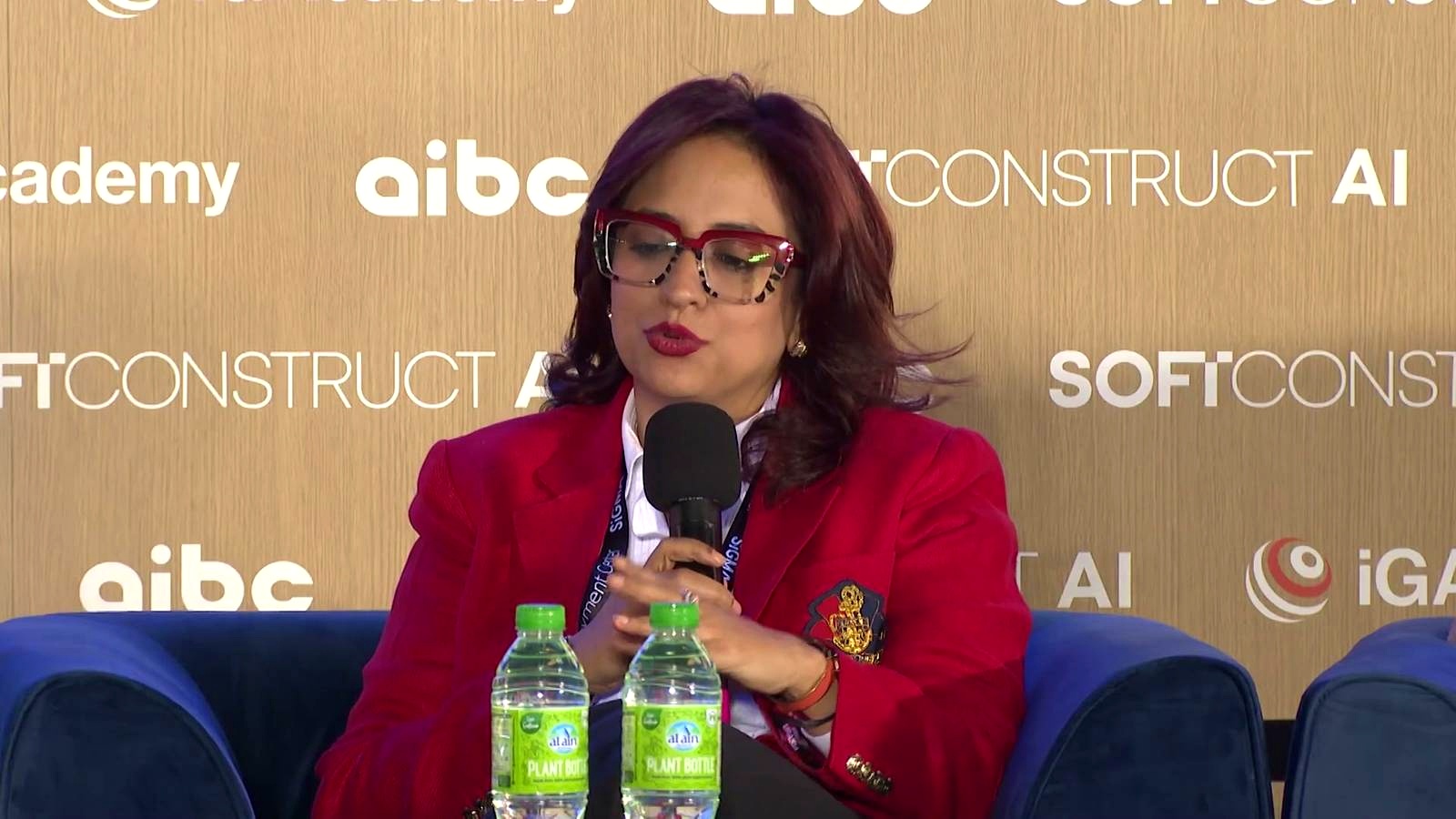
The Gulf stands out because of active market development, regulatory engagement, and growing institutional interest. The Middle East stable coin association was said to include about 150 members, with the vast majority being institutional members.
Roughly 40 stablecoin issuers were described as being at various stages of coming out of FSRA, with several already approved and more on the way.
The region is also seeing applications tied to:
- Payments
- Corporate treasury models
- Tokenization
- Gaming
- Settlement and clearing
Stablecoins were presented as a practical layer that can connect tokenization, settlement, and clearing on one platform.
Regulation of Stablecoins in the Gulf
The regulatory picture is changing quickly, but stablecoins are increasingly being accepted by regulators. It was noted that virtual assets in the form of stablecoins are now viewed positively by regulators, marking a significant change.
Common Regulatory Themes
Across jurisdictions, several common points are emerging. Stablecoins are generally expected to be:
- A unit of account
- A store of value
- A medium of exchange
- Redeemable at par value
- Redeemable without friction
- Backed by assets
At the same time, regulators have broadly taken a strict stance against:
- Algorithmic stablecoins
- Privacy stablecoins
How Regulators Describe Stablecoins
Different frameworks are using different labels instead of the term “stablecoin.” Examples mentioned in the discussion include:
- Payment token
- Electronic money token
- Asset reference token
This reflects the fact that definitions are still evolving.
The UAE Approach
The UAE was highlighted as a particularly active jurisdiction. Regulators are focused on investor protection first, then on ensuring the ecosystem is safe, and only after that on whether business can proceed. This creates a structure built around:
- Investor protection
- Ecosystem safety
- Business activity
At the same time, the UAE and GCC were described as progressive but highly risk averse, with strong sensitivity to reputational risk.
Another important point is speed. Regulators in the region were described as being open to hearing new ideas and moving quickly when firms approach them with new business models.
Stablecoin Issuance and Recognition
One major regulatory theme is that anyone issuing stablecoins needs to be regulated in the relevant country. The Central Bank of the UAE was described as taking this further by requiring foreign tokens that want to be part of the UAE monetary system to be recognized.
Yield, Reserves, and Transparency
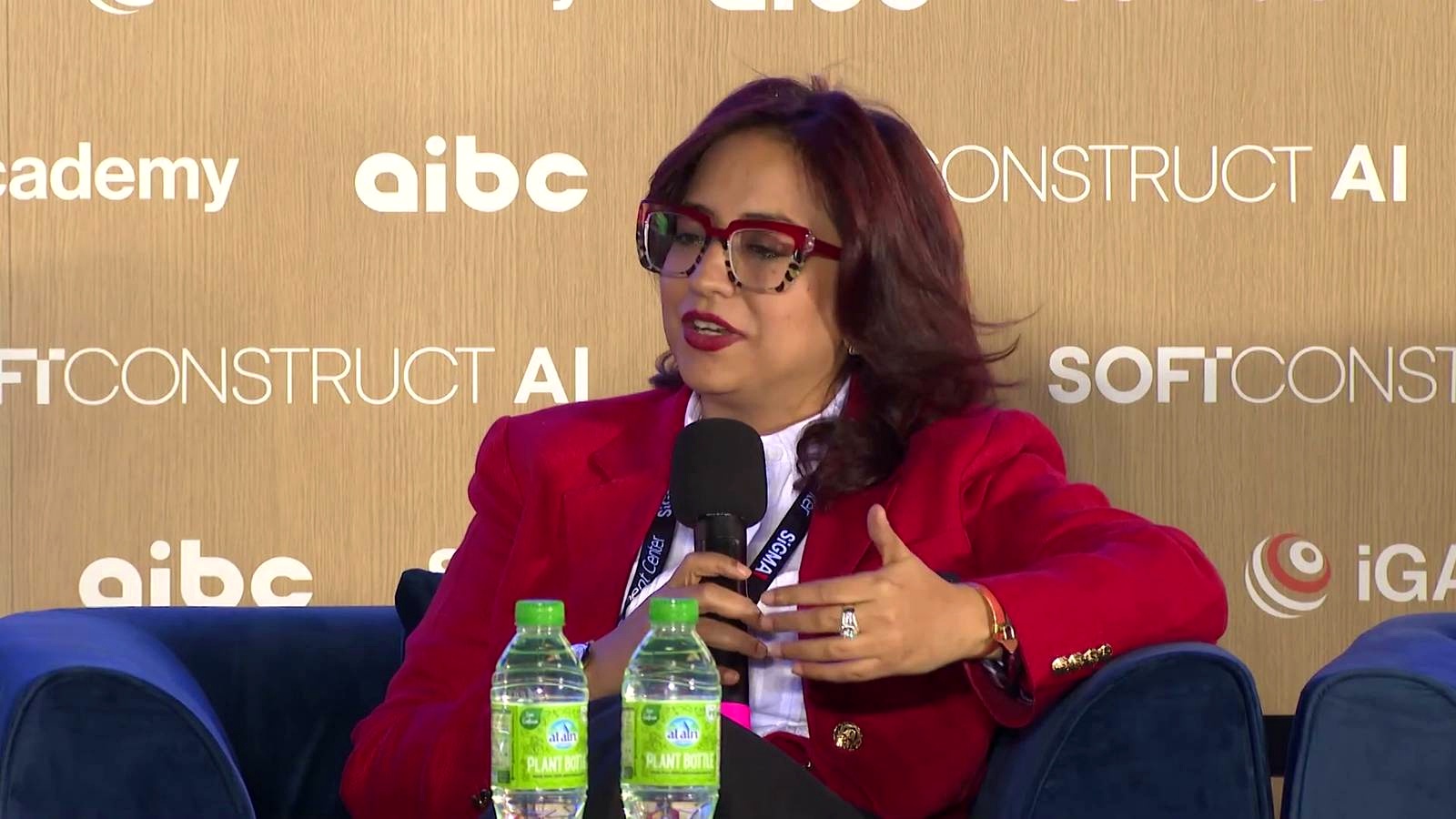
Yield-bearing stablecoins are becoming a point of differentiation among regulators. Questions remain about whether the yield generated by reserve assets is passed to consumers and how reserve management is handled.
Transparency has been one of the major issues around leading stablecoins, especially in relation to reserve backing. Regulators are increasingly focusing on reserve management and clearer oversight in response to these concerns.
Which Stablecoins Are Licensed or Approved in the UAE?

Examples mentioned in the discussion include AED-backed and USD-backed stablecoins at different stages of licensing or approval.
AED-Backed Stablecoins Mentioned
- AE coin
- Zand Bank stablecoin with in-principle approval
- FAB and IHC collaboration
- RAKBANK stable coin
USD-Backed Stablecoins Mentioned
- USDU, licensed from FSRA as a USD-backed stablecoin and also recognized as a foreign reference token by the Central Bank of the UAE
- NOR, mentioned alongside foreign reference token recognition by the Central Bank of the UAE
- Paxos, described as the first to get this license
- Circle, described as being in the process of getting the license
It was also stated that another 39 applications are in progress.
Challenges for Stablecoins in the Future of Gulf Finance

Even with growing momentum, stablecoins face several challenges. These include:
- Reserve transparency
- Regulatory restrictions
- Questions over yield-bearing models
- The legal line between stablecoins and securities
- Emerging market concerns over foreign reserve leakage
One view presented was that stablecoins can pull liquidity away from the foreign reserves of emerging market central banks. This may affect how some jurisdictions respond over time, especially where reserve management is more constrained.
Why Stablecoins Could Shape the Future of Finance in the Gulf

Stablecoins combine several features that make them especially relevant for the Gulf: lower volatility than typical virtual assets, growing regulatory acceptance, support for tokenization, corporate use cases, and the programmability of money.
The Gulf is also building an environment where regulators, institutions, and market participants are actively shaping the next phase of digital finance. With multiple issuers, evolving frameworks, and real use cases already under discussion, stablecoins are emerging as a serious part of the region’s financial future.
FAQ
What is a stablecoin?
A stablecoin is a digital unit of account that can be traded, transferred, and used on exchanges, with its value derived from a referenced asset, most commonly fiat currency.
Why are stablecoins important in the Gulf?
They are being considered for payments, settlement, clearing, tokenization, gaming, and corporate treasury models, while also fitting into the Gulf’s broader digital finance development.
Are stablecoins regulated in the UAE?
Yes. The discussion described the UAE as having an active regulatory environment for stablecoins, including licensing, recognition of foreign tokens, and multiple approved or in-progress applications.
What types of stablecoins exist?
The main categories mentioned were fiat-backed stablecoins, asset-backed stablecoins, algorithmic stablecoins, hybrid stablecoins, and corporate stablecoins.
Are algorithmic stablecoins allowed?
No. The discussion stated that many regulators have clearly banned algorithmic stablecoins, and privacy stablecoins were also described as banned.
Why do dollar stablecoins get so much attention?
One key reason given was that there is dollar shortage globally, which makes dollar stablecoins the primary focus of demand compared with non-dollar stablecoins.
What is the main advantage of stablecoins over traditional money?
The main advantage highlighted was programmability. Stablecoins allow money to be programmed, which can support new business models and digital payment systems.
Which stablecoins were mentioned as licensed or approved in the UAE?
The discussion mentioned AE coin, Zand Bank stablecoin with in-principle approval, FAB and IHC collaboration, RAKBANK stable coin, USDU, NOR, Paxos, and Circle, with many more applications in progress.
Content Source

An Indian crypto journalist covering the developments in the Bitcoin and blockchain industries. Her work helps readers understand key changes in the world of digital assets.