The question of what happens when the last Bitcoin is mined is presented here as one of the most important questions in crypto. It becomes more important as Bitcoin adoption continues, especially if countries start holding BTC as reserves. This article explains the possible answers and what they could mean for Bitcoin and BTC’s price.
To understand the issue, it helps to start with how Bitcoin works, how miners are incentivized, and why the discussion is not only about the year 2140. The bigger issue may be whether Bitcoin gains enough adoption and support well before then.
How the Bitcoin Blockchain Works
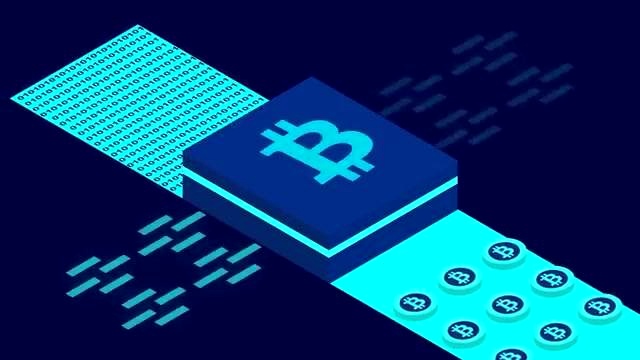
The Bitcoin blockchain is basically a distributed database consisting of blocks. Each block contains BTC transactions and a reference to the previous block.
These blocks are created by Bitcoin miners. Miners are specialized computers that expend computing power to earn the right to create a block of transactions. They do this because each block contains BTC coins, which have value.
Block Rewards, Halvings, and Maximum Supply
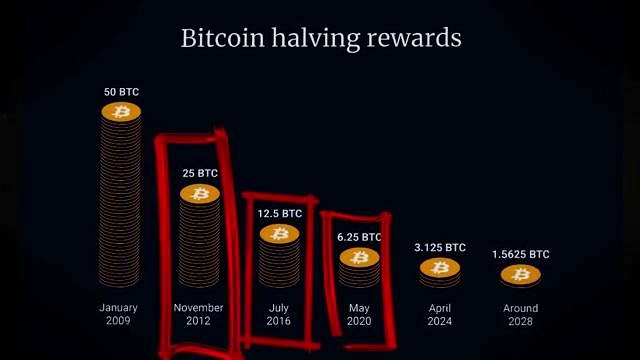
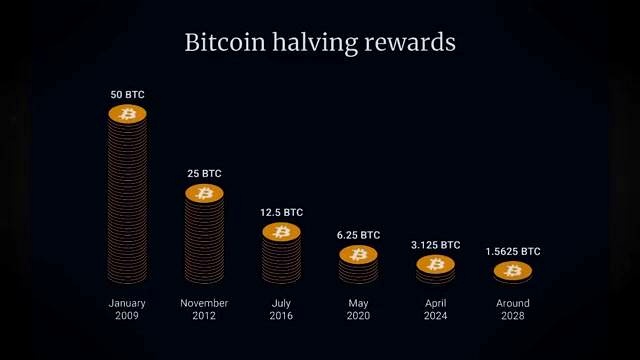
When Bitcoin launched in 2009, each block contained 50 BTC. Today, each block contains 3.125 BTC. This is because every four years, the number of BTC contained in each block is cut in half in a process known as the halving.
There have been four halvings so far:
- 2012
- 2016
- 2020
- 2024
These halvings will continue roughly every four years until 2140, when BTC’s maximum supply of 21 million will be reached.
It is believed that the reason BTC’s maximum supply is 21 million is because the value of the total global money supply was $21 trillion when BTC launched in 2009. If that was indeed the real reason, then it implicitly assumes that one BTC will eventually be worth $1 million.
Why Halvings Matter
The reason these halvings exist is effectively to ensure that Bitcoin miners are incentivized to create blocks of transactions for as long as possible. By cutting the supply of newly issued BTC in half every four years, it practically guarantees BTC’s price will double every four years, assuming demand stays the same.
However, demand for BTC has not stayed the same. It has been steadily increasing while the supply of newly issued BTC has been steadily decreasing. The result is that BTC’s price has grown by much more than 2x every four years. Since 2009, it has grown by over 1 million x.
What Gives BTC Value
The short answer given here is that BTC is the only truly decentralized digital currency. Bitcoin makes it possible to store and transfer value digitally with the highest level of ownership guarantees relative to other digital currencies, including other cryptos.
In other words, Bitcoin and the digital assets that exist on its blockchain, such as the BTC coin, cannot be controlled by anyone other than the person who holds these digital assets in their wallet.
At the same time, nobody knows exactly how much something like this is worth, which is why BTC’s price is so volatile. Still, it can be argued that a digital currency that cannot be controlled is increasingly valuable given that governments are increasingly looking to control the flow of traditional currencies, which are mostly digital now. This can be seen in capital controls for citizens and sanctions for countries.
How Miners Are Paid
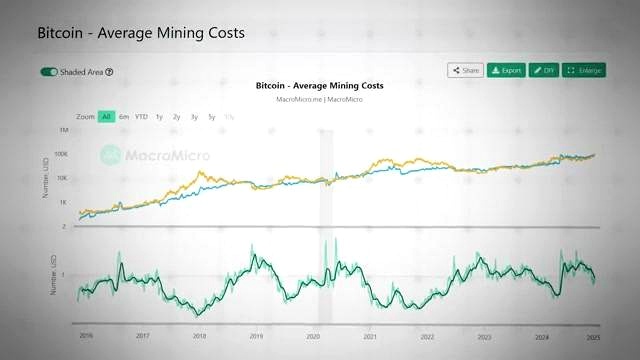
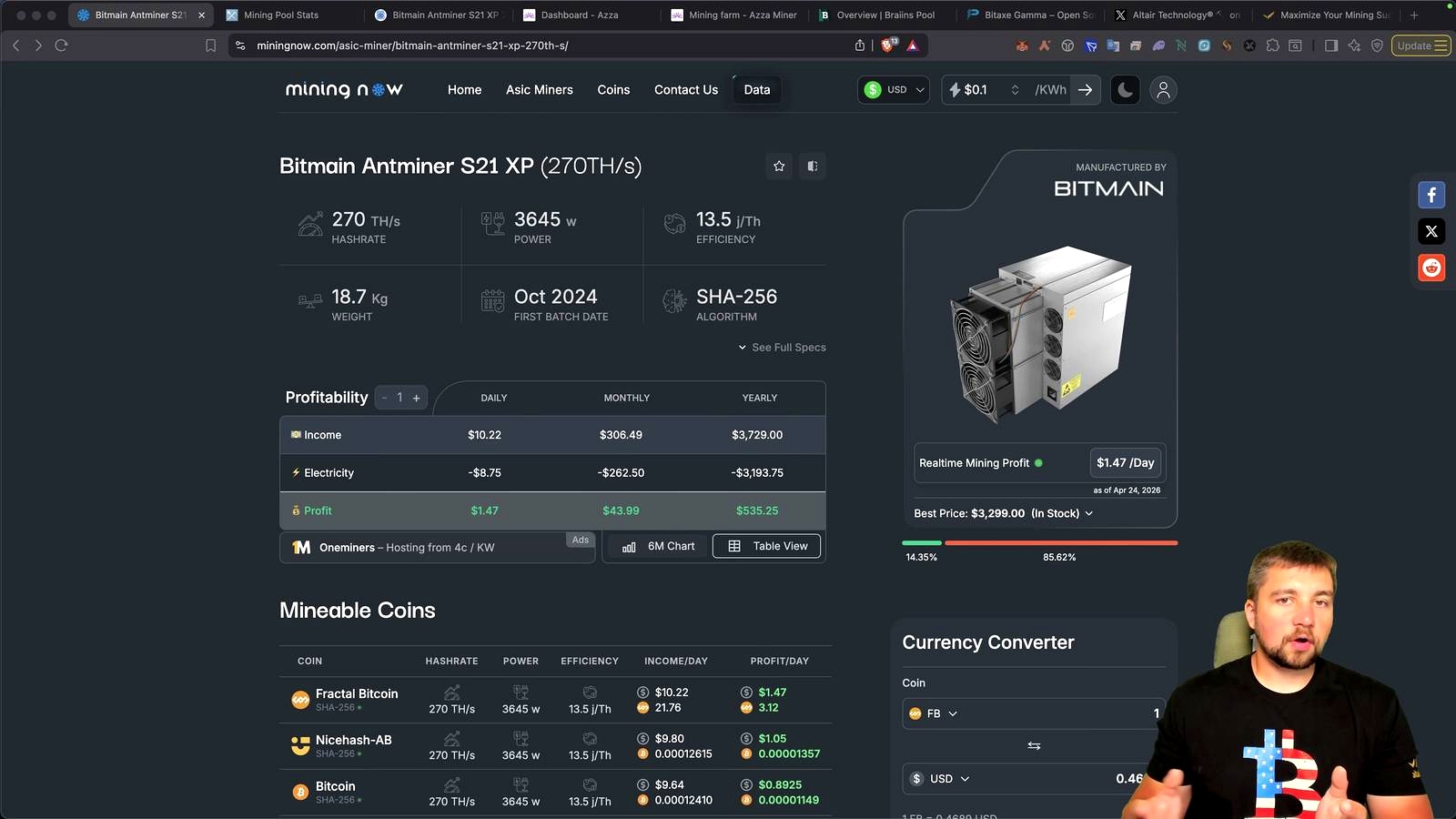
In the context of mining, what matters most is that the cost of creating a block of transactions is lower than the price of the BTC rewarded by each block.
It is also important to note that the block reward does not just come from newly minted BTC. It also comes from BTC transaction fees. More precisely, Bitcoin technically does not have transaction fees; it has the option to tip miners to incentivize them to include a BTC transaction in the next block they create.
Because Bitcoin use has increased and the space in each block is limited, it is necessary to add a tip every time.
The Standard Answer: Fees Will Support Mining
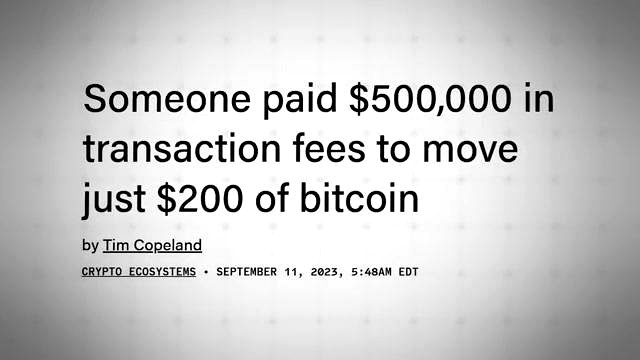
A common answer to the question of what happens when the last BTC is mined is that Bitcoin will continue chugging along because transaction fees will be enough to incentivize miners to keep adding new blocks with transactions. The reasoning is that Bitcoin’s use will keep increasing.
However, this answer is described here as somewhat questionable. The tips would need to be in the millions of dollars to sufficiently incentivize Bitcoin miners to continue supporting the blockchain in the future. It also makes a series of assumptions about the dynamics of Bitcoin mining and BTC.
Why the Problem Could Arrive Before 2140
The last BTC will be mined sometime in 2140. That can give the impression that Bitcoin will be fine until then. But Bitcoin could start facing issues as soon as the next decade.
That is because 99% of all BTC will have been mined by 2032. At first glance, this suggests that Bitcoin transaction fees would need to rise quickly between now and then for Bitcoin to continue operating smoothly.
But the situation is more complicated than that.
Difficulty Adjustment and Mining Costs
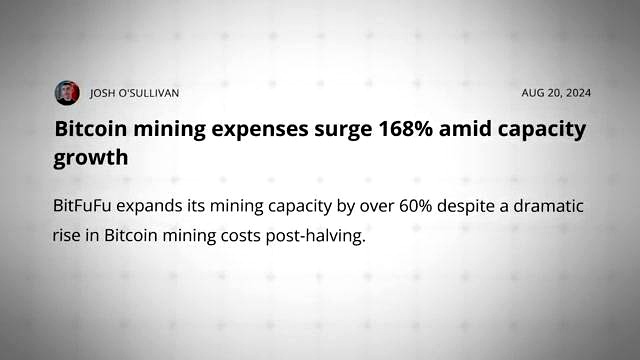
The cost of mining BTC changes depending on how much Bitcoin mining is going on. If there is a lot of mining, the cost of mining increases. If there is less mining, the cost decreases.
This is due to the difficulty adjustment, which exists to ensure that a new block is created every 10 minutes regardless of the computing power committed to mining. Without it, the block time would change based on total mining power, which would not be good for BTC’s economics.
A surface analysis suggests that if the cost of mining BTC stays higher than BTC’s price for too long, then there will be less mining. That would reduce mining difficulty and lower the cost of mining, eventually making it profitable again.
The 51% Attack Concern
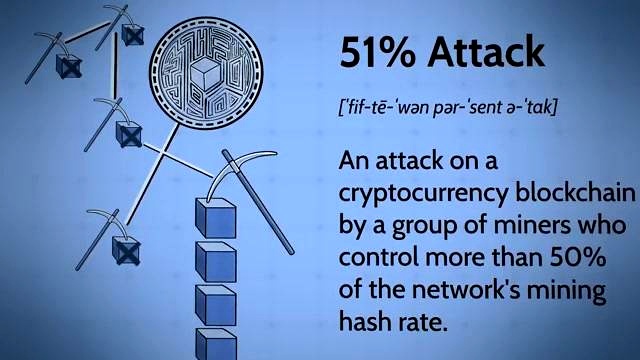
If the difficulty of mining Bitcoin falls too much, then it theoretically becomes possible to do something called a 51% attack. This is where a single entity or mining operation gains enough computing power to control transactions on Bitcoin.
That would be very bad because Bitcoin’s value comes from the absence of control. However, this assumes that Bitcoin miners are the ones who determine which transactions are valid.
Miners and Nodes
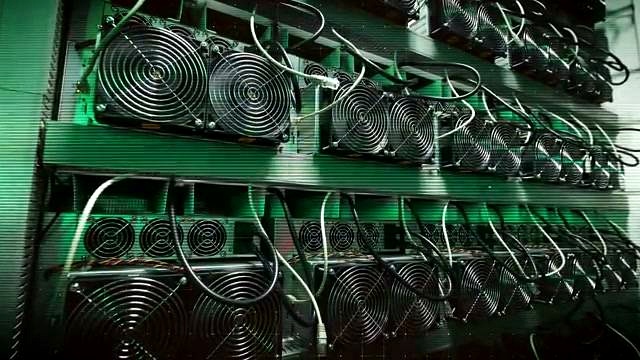
The Bitcoin blockchain is technically powered by two entities:
- Bitcoin miners, which process transactions
- Bitcoin nodes, which add and verify them
Once upon a time, Bitcoin miners were also nodes. If you were mining Bitcoin, you needed to run a node. Today, not all nodes are Bitcoin miners.
This is partially because Bitcoin mining is now done using specialized machines which can be linked together under one node. It is also partially because lots of people run their own Bitcoin nodes either for fun or to support the Bitcoin network in general.
Because of this, the concern that a 51% attack would happen if mining difficulty fell too low assumes that most Bitcoin nodes would allow it to happen. This is described as extremely unlikely, especially since Bitcoin nodes are easy to run by design.
If a malicious miner tried to spin up malicious nodes to process faulty BTC transactions, they would be outgunned by the rest of the Bitcoin community. There would be an exponentially larger group of individuals and institutions incentivized to spin up honest nodes to defend the blockchain.
Other Factors That Affect Mining Economics
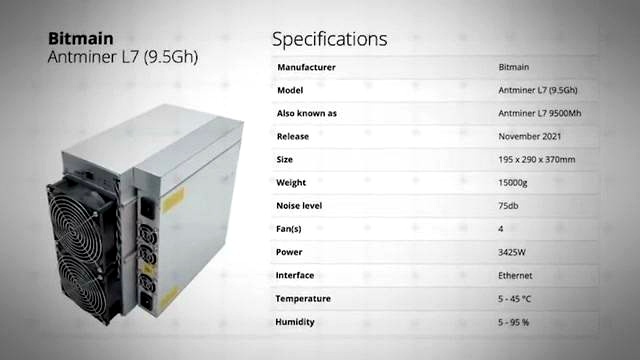
The difficulty adjustment is not the only thing that determines how much it costs to mine BTC. The cost is also determined by factors unrelated to the Bitcoin blockchain, namely:
- The cost of the hardware required to mine BTC
- The energy required to power that hardware
An example is given of a miner with unlimited free energy. According to the material, something similar is already happening today, not with nuclear power specifically, but with excess energy that is given away for free or energy that is being secretly stolen.
Many Bitcoin miners already have operational costs that are close to zero. Even if the revenue from mining BTC were to decline, they would still be in the green and would have no reason to stop mining so long as BTC continues to have value. The caveat is that it is unclear how many miners fit into this category.
Why Bitcoin May Not Collapse in 2032 or 2140

Based on this reasoning, Bitcoin is considered unlikely to collapse in 2032 when 99% of all BTC has been mined, and unlikely to collapse in 2140 when all BTC has been mined. The reason is that there are Bitcoin miners who will continue adding blocks of transactions to the chain so long as BTC has a nonzero value.
But even this assumes that Bitcoin will survive because of incentives related to mining. The material argues that survival may depend on a broader set of incentives.
Nation-State Incentives
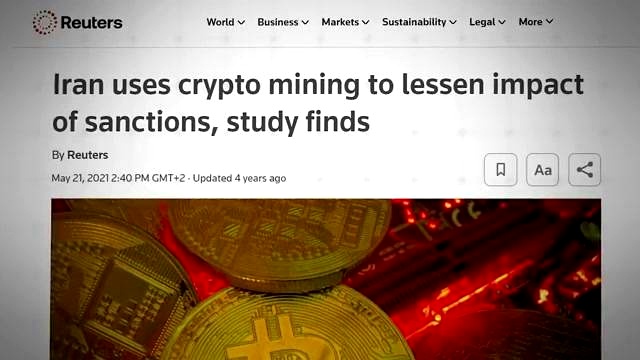
BTC’s value is described here as coming from the fact that it is the only digital asset that you can truly own and that cannot be controlled by a third party. This is said to be especially valuable to sanctioned countries.
As a result, many countries have reportedly been using cryptocurrencies like BTC for international trade, albeit to a limited extent so far. Because Bitcoin is operated by a network of miners and nodes, it is in the interest of countries using BTC for trade or holding BTC as reserves that the Bitcoin blockchain stays as neutral as possible.
The only way they can ensure this is by starting their own mining operations and spinning up their own Bitcoin nodes.
Examples Mentioned
- Russia has reportedly legalized using crypto for international trade and could be mining its own BTC to that end.
- Iran has reportedly been doing the same for years.
- It is even said to be possible that China has as well, given that most Bitcoin mining reportedly continues to come from China.
If countries like Russia, Iran, and China are using BTC for international trade, they may not care if they are mining BTC at a loss. The material suggests they could be incentivized to mine regardless, especially because an abundance of commodities in these countries makes profit margins much larger, in addition to the dynamics around government-owned energy.
From Early Illicit Use to Broader Adoption

The material compares possible nation-state BTC adoption to Bitcoin’s earlier individual adoption process. BTC’s first real use case is described as buying illicit stuff from the dark web. As unpleasant as that was, it proved that BTC could be used as a medium of exchange as originally intended.
Over the years, more and more people started using Bitcoin, and now only a small fraction of BTC transactions are related to illicit activities: specifically 0.34% as of 2023.
The argument is that something similar may now be happening at the country level. Right now, most BTC transactions between and within countries are probably related to sanctions evasion. Over time, however, most BTC transactions between and within countries could become related to standard international trade.
Why Adoption Could Become the Key Support Mechanism

If that happens, even more countries may start Bitcoin mining operations and spin up Bitcoin nodes to ensure that the Bitcoin blockchain remains as neutral as possible. Countries using BTC for trade or holding it as reserves may do this regardless of whether it is profitable.
It is also considered possible, though admitted to be a bit far-fetched, that Bitcoin adoption at the individual and institutional level becomes so widespread that people demand their governments mine Bitcoin to keep it functional.
Miners Have Other Ways to Stay Operational
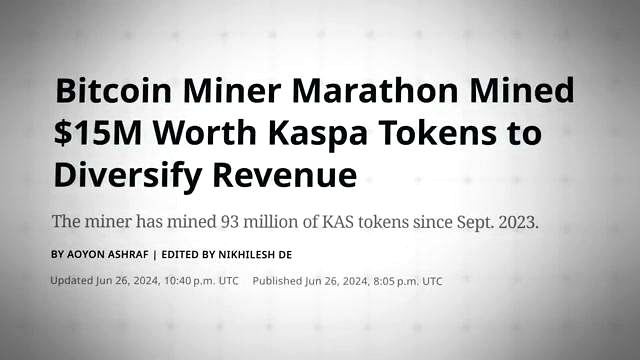
Not all Bitcoin miners mine only BTC. According to the material, most Bitcoin mining operations, including publicly traded mining companies, also mine other cryptos.
Marathon Digital is mentioned as recently mining Kaspa’s coin for extra revenue. In addition, some Bitcoin mining companies can support their operations by taking on debt.
The material says that borrowing money is analogous to shorting the currency being borrowed and going long whatever is being bought. Some Bitcoin miners have reportedly been taking on debt to buy BTC. Since currencies are said to be depreciating at a rapid rate, miners could theoretically support themselves indefinitely by borrowing fiat currency to mine BTC, so long as BTC’s value keeps rising relative to the borrowed currency.
The Real Risk According to This Analysis

The main conclusion is that the risk to Bitcoin is not that the last BTC will be mined or that Bitcoin mining will become unprofitable. The actual risk is that Bitcoin does not gain enough adoption from individuals and/or institutions for new kinds of incentives to enter the equation.
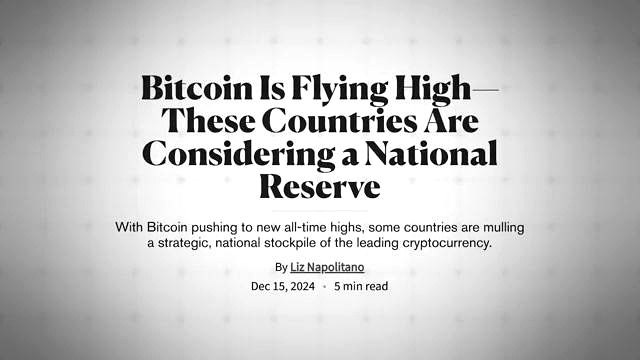
This is said to explain why the Bitcoin community has been hyperfocused on adoption not just at the level of the citizen, but at the level of the state. Getting countries to adopt Bitcoin would be good for BTC’s price, but it is also described as arguably necessary for Bitcoin to survive in the long term.
Why the End of This Decade May Matter
It is considered quite possible that Bitcoin needs to secure widespread nation-state adoption by the end of this decade to ensure that there are enough incentives to keep supporting its blockchain past the next halving.
The next Bitcoin halving is in 2028, and it is described as likely to be brutal for BTC miners because the cost of mining BTC would double, all else being equal.
With the cost of mining one BTC said to be between $70,000 and $90,000 depending on the source, BTC’s price would need to stay above $140,000 to $180,000 for most miners to stay profitable. Countries may need to start buying BTC for this to happen.
Why “All Else Equal” May Not Hold
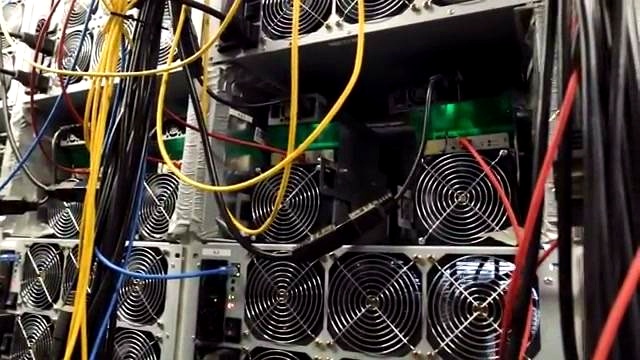
That said, all else may not be equal. On one hand, if many miners go offline after the next halving, the difficulty adjustment could reduce the cost of mining BTC. There are also many mining operations with very low operating costs.
On the other hand, energy prices could start spiking by the end of the decade due to power demands coming from technologies like AI and the growth of the middle class in countries like India.
This could keep Bitcoin mining costs high even if difficulty declines. It could also cause governments to stop Bitcoin mining so energy can be used elsewhere.
Examples of Mining Restrictions Mentioned
- Russia recently banned crypto mining in regions facing energy shortages.
- Mining bans and pauses have happened in the US, EU, and elsewhere in recent years.
Possible Outcomes for BTC’s Price
From this perspective, the risk that energy prices will spike and the risk that countries will not adopt Bitcoin fast enough are bigger threats to Bitcoin than the question of when the last BTC will be mined or when miners will mostly rely on transaction fees.
These risks are described as less theoretical and more immediate, which means they could have a bigger impact on BTC’s price.
According to the material, one possible negative outcome is that a spike in energy prices and/or a lack of Bitcoin adoption by nation states could mean BTC collapses to zero by the end of the decade.
On the flip side, low energy prices combined with rising nation-state adoption could make BTC as big as gold by market cap in the coming years.
Bitcoin as Digital Gold

Bitcoin’s narrative is digital gold. Those advocating for nation states to adopt Bitcoin have advised them to hold as much BTC as they do gold.
Gold is said to have a market cap of roughly $18 trillion. Bitcoin reaching a market cap of $18 trillion would translate to a BTC price of around $1 million.
The material also states that governments around the world are flocking to decentralized currencies that nobody can control and anyone can verify. This is described as literally what BTC is, with the added advantage that it can be sent via the internet.
Conclusion
The discussion about the last Bitcoin being mined is not just about 2140. The deeper issue is whether Bitcoin develops enough adoption and enough incentive structures before then, especially among nation states.
In this view, Bitcoin’s long-term survival may depend less on transaction fees alone and more on a mix of mining economics, energy costs, widespread adoption, and the willingness of countries, institutions, and communities to support the network’s neutrality and operation.
FAQ
When will the last BTC be mined?
The last BTC will be mined sometime in 2140.
How much BTC will exist in total?
BTC has a maximum supply of 21 million.
How are miners rewarded after halvings reduce new BTC issuance?
Miners receive rewards from newly minted BTC and from BTC transaction fees, described here as tips paid to incentivize miners to include transactions in the next block.
Will Bitcoin automatically be fine until 2140?
No. The material says Bitcoin could start facing issues as soon as the next decade, because 99% of all BTC will have been mined by 2032.
What is the main risk identified here?
The main risk is not simply that the last BTC will be mined. It is that Bitcoin may fail to gain enough adoption from individuals, institutions, and nation states to create the incentives needed to keep supporting the blockchain.
Why are nation states important in this analysis?
Countries using BTC for trade or holding BTC as reserves may be incentivized to run mining operations and Bitcoin nodes to keep the blockchain as neutral as possible, even if doing so is not profitable.
What could happen to BTC’s price?
One possible downside mentioned is that rising energy prices and/or weak nation-state adoption could cause BTC to collapse to zero by the end of the decade. One possible upside is that low energy prices and rising nation-state adoption could help BTC become as big as gold by market cap, implying a price of around $1 million per BTC.
Video Source

Omar Al-Sharif lives and works in the UAE and is involved in the blockchain technology industry. He writes articles on Bitcoin and digital assets as a personal passion, explaining complex topics in simple and understandable language.