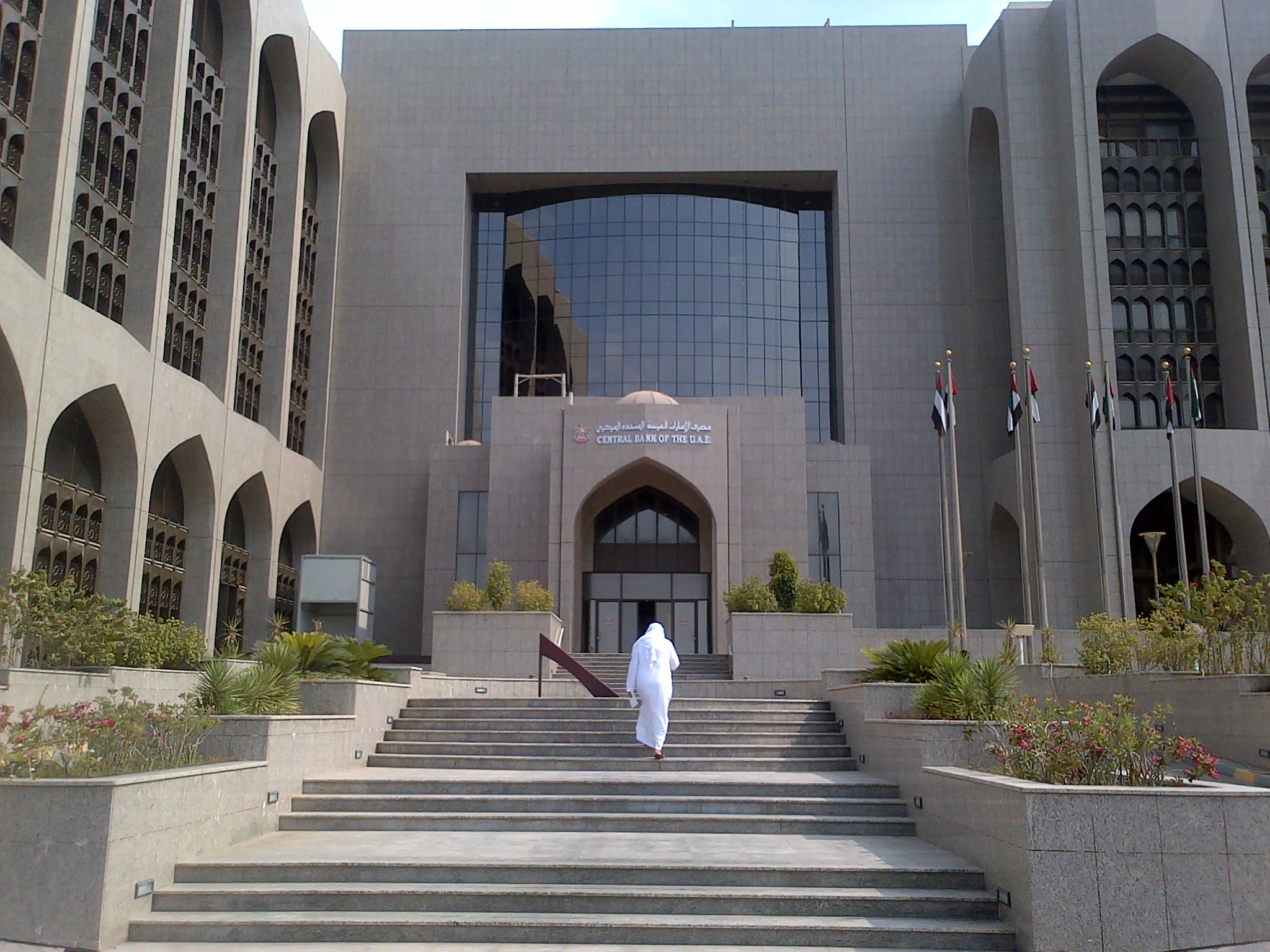


On July 7, 2026, Swiss crypto firm Bitcoin Suisse won a full crypto license in Abu Dhabi. Its local subsidiary, BTCS (Middle East) Ltd., can now offer regulated trading, custody, and derivatives to institutional and high-net-worth clients across the UAE. The license adds another institutional-grade name to Abu Dhabi’s crypto lineup, alongside Binance and Kraken.
What the license actually covers
The permit is a full Financial Services Permission (FSP) issued by the Financial Services Regulatory Authority (FSRA, the regulator that oversees financial services in Abu Dhabi Global Market). Abu Dhabi Global Market (ADGM) is Abu Dhabi’s international financial free zone, which runs on its own English-language legal framework separate from mainland UAE law.
Under the FSP, BTCS (Middle East) can run:
- Spot trading in ADGM-approved virtual assets.
- Institutional-grade custody, which means secure storage of client crypto held by a licensed firm.
- Derivatives and hedging products for institutional users.
- A path toward tokenised real-world asset services later on.
Target clients are institutions and eligible high-net-worth individuals, not retail traders. That is typical for ADGM crypto licenses: Abu Dhabi’s crypto regime is built around institutional flows, not a mass-market retail offer.
Arvind Ramamurthy, ADGM’s Chief Market Development Officer, framed the approval as another sign that “the arrival of Bitcoin Suisse further strengthens Abu Dhabi’s position as a destination for institutional digital asset infrastructure.”
Why this matters
Bitcoin Suisse is one of the larger crypto firms in Europe. According to the company, it safeguards roughly $3.7 billion in client crypto assets globally and is the world’s fourth-largest staking operator (staking is the practice of locking up crypto to help run a blockchain network in return for rewards). Its Middle East arm now sits directly under ADGM oversight, which puts it on the same regulatory tier as Binance and Kraken, both already licensed in Abu Dhabi.
For ADGM, the pitch is simple: institutional depth. Dubai’s VARA (Dubai’s crypto regulator, which sits on the opposite side of the same country) has been issuing retail-heavy licenses at speed, with more than 50 VASPs cleared. VASP stands for Virtual Asset Service Provider, meaning a crypto business allowed to operate under Dubai’s rules. The most recent big Dubai move was the approval of the dirham-backed stablecoin DDSC for public trading on VARA-regulated exchanges. ADGM is playing a different game: regulated infrastructure for hedge funds, family offices, banks, and staking operators.
Bitcoin Suisse also secured MiCA CASP status in Liechtenstein on June 22, 2026. MiCA is the European Union’s Markets in Crypto-Assets regulation, and a CASP is a Crypto-Asset Service Provider fully licensed under that regime. That gives the same group European passporting rights on top of its new UAE footprint. In practice, a single corporate structure can now cover EU institutional clients and Middle East institutional clients under separate but locally recognised regulatory umbrellas.
The UAE’s two-track crypto map
The UAE has effectively split its crypto framework between two jurisdictions:
- Dubai (VARA): retail-facing exchanges, stablecoin issuers, licensed VASPs targeting the general public.
- Abu Dhabi (ADGM FSRA): institutional custody, spot desks for accredited clients, derivatives, tokenised assets aimed at professional investors.
Binance secured its first-in-class ADGM license earlier this year. Kraken followed. Bitcoin Suisse joins that institutional tier now. Meanwhile, more retail-oriented players such as BitOasis, Fasset, and Crypto.com’s UAE arm are stacking VARA approvals on the Dubai side.
For a firm like Bitcoin Suisse, the choice of Abu Dhabi over Dubai is telling. Institutional custody, staking, and derivatives are the product lines the company is known for. Those fit the ADGM template much better than a VARA retail exchange license would.
What to watch
- Which asset list ADGM approves for BTCS. ADGM has a narrower list of approved crypto assets than VARA. What ends up on that list will decide how competitive Bitcoin Suisse can be against Binance or Kraken on the Abu Dhabi side.
- Staking-as-a-service. Bitcoin Suisse’s fourth-largest staking-operator status is a real edge if ADGM lets it offer staking to institutional clients. That is where volumes may grow fastest.
- Cross-emirate flows. Whether ADGM-licensed institutional custody starts serving VARA-regulated retail exchanges as their back-end. That would be the natural pipe between the two regimes.
- More European entrants. If the MiCA-plus-ADGM combination becomes the standard corporate stack for European crypto firms wanting Gulf access, other Swiss and EU players such as Sygnum, SEBA, and Amina Bank are likely to explore similar setups.
Bitcoin Suisse’s license is not a market-moving event on its own. But it is another piece of the Abu Dhabi build-out. Combined with recent moves on the Dubai side, including the retail-cleared dirham stablecoin and a fast-growing VASP register, the UAE now has a two-track crypto stack that most other jurisdictions cannot easily match.
Source: Crypto.news: Bitcoin Suisse lands Abu Dhabi license to unlock UAE crypto expansion

Independent editorial coverage of Bitcoin and crypto in the UAE, regulation, market moves, and policy analysis.